
Do Dogs Have Umbilical Cords? The Truth About Puppy Belly Buttons
Yes, dogs have umbilical cords. Like all placental mammals, puppies grow in the womb attached to their mother by an umbilical cord that delivers oxygen and nutrients. After birth, the mother chews the cord away, and the small remnant dries up and falls off within a few days, leaving a faint scar — your dog's belly button. It sits just below the ribcage and is usually hidden by fur.
Do Dogs Really Have Umbilical Cords?
Absolutely. The umbilical cord is a defining feature of placental mammals, a group that includes dogs, cats, and humans. As PetMD explains, each developing puppy is connected to the mother's placenta through its own umbilical cord, which supplies everything the fetus needs to grow. Birds, reptiles, and egg-laying animals do not have them — but every puppy is born with one. So if you have ever wondered whether that faint mark on your dog's tummy means what you think it means, the answer is yes.
What Does a Dog's Umbilical Cord Do?
During pregnancy, the umbilical cord is a lifeline. It carries oxygen and nutrients from the mother's bloodstream to the puppy and removes waste products in return. Each puppy in a litter has its own cord and its own placental attachment. The cord's job ends the moment the puppy takes its first breath and begins to nurse; from then on, the puppy's own lungs and digestive system take over, and the cord is no longer needed.
What Happens to the Cord After Birth?
In a typical whelping, the mother dog instinctively bites through each umbilical cord after delivering a puppy, then cleans the newborn to stimulate breathing. According to Hill's Pet, the belly button is simply the scar left behind after the cord detaches. As Outward Hound describes it, the leftover stump usually dries up and falls off within one to three days, leaving a flat scar on the puppy's abdomen. Human umbilical cords are clamped and cut by medical staff; mother dogs handle the task themselves. If a first-time or exhausted mother struggles to sever a cord, a breeder or veterinarian may need to step in — a situation where professional guidance is important.
Where Is a Dog's Belly Button?
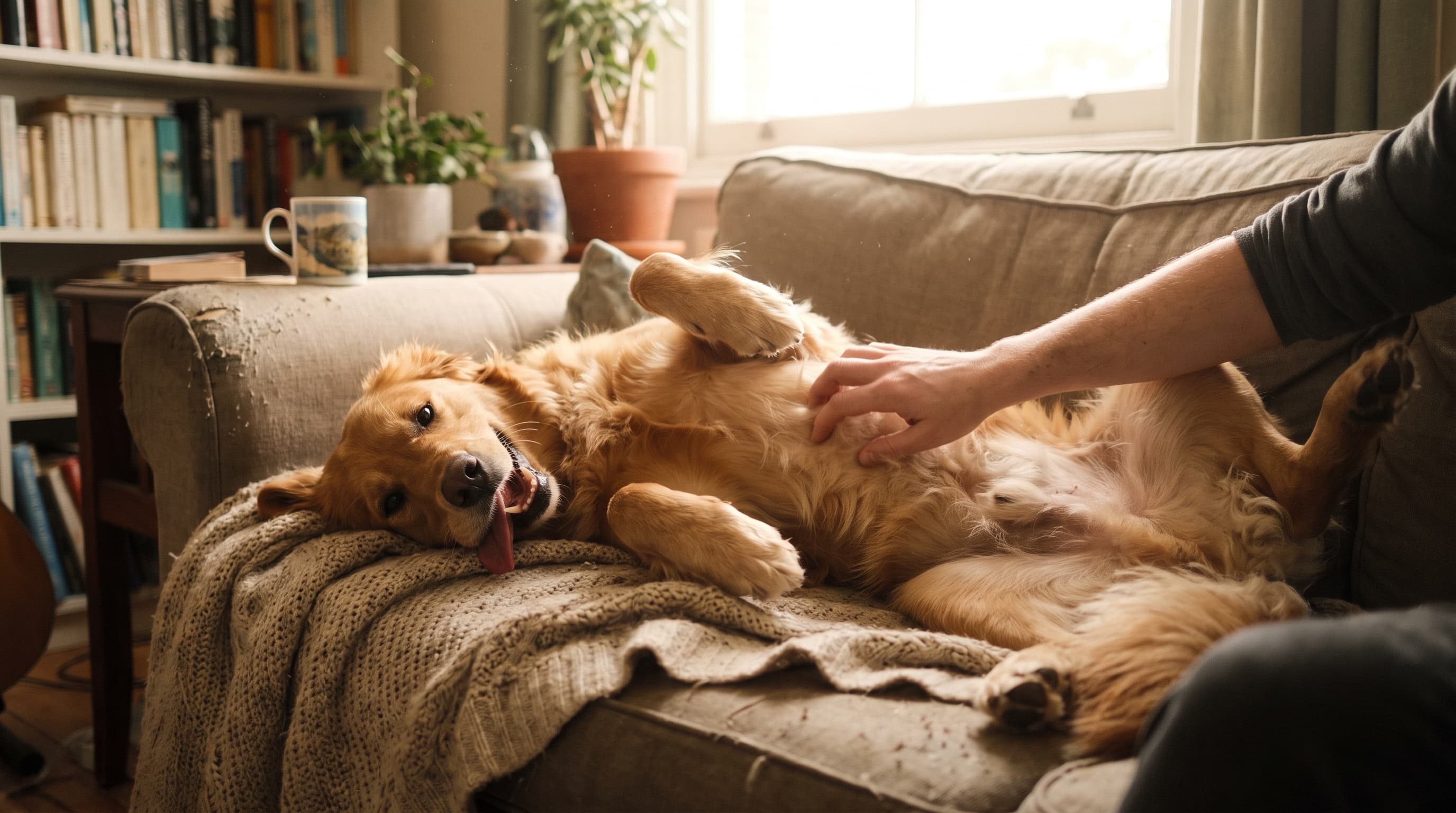
A dog's belly button is located in the middle of the abdomen, just beneath the ribcage — not low on the belly the way a human navel sits. It appears as a small, flat vertical scar or a slight wrinkle in the skin. Because it lies flat and is covered in fur, most owners never notice it. As Chewy's veterinary experts note, you are more likely to feel it than see it: gently run your fingers over the area while your dog is relaxed on their back, and you may detect a tiny line or wrinkle.
Why Dog Belly Buttons Look Different From Ours
Human belly buttons are prominent "innies" or "outies" because of how our larger umbilical cords heal. A dog's cord is thinner and the scar is smaller and flatter, so it neither pokes out nor sinks in noticeably. Add a coat of fur on top and it practically disappears. This is completely normal. If your dog's belly button is barely findable, that is exactly how it should be — a faint, functionless scar is a sign that everything healed correctly.
Can You See or Feel Your Dog's Belly Button?
Sometimes, with patience. Dogs with thin coats or lighter skin may show a small mark, while thick-coated dogs hide it completely. The best time to look is when your dog is calm and lying belly-up for a rub. Part the fur gently below the ribcage and look for a small vertical scar. Never shave or dig around trying to find it — it serves no function, and there is nothing you need to do to it. Its invisibility is not a problem to solve.
Umbilical Hernias in Dogs: When to Pay Attention
The most common belly-button issue in dogs is an umbilical hernia. This happens when the opening in the abdominal wall where the cord passed through does not close completely, allowing fat or, rarely, other tissue to bulge under the skin. It usually shows up in young puppies as a soft, sometimes squishy bump at the navel. Certain breeds — including Airedale Terriers, Basenjis, Beagles, and Pekingese — are reported to be more prone to them.
Many small umbilical hernias close on their own by a few months of age or remain harmless throughout life. Larger hernias, however, can occasionally allow a loop of intestine to slip through and become trapped, which is a medical emergency. Watch for a bulge that suddenly grows, becomes firm or painful, feels warm, or is accompanied by vomiting or a distressed dog. Any of these signs means you should see a veterinarian right away. Even a hernia that seems minor is worth mentioning at your puppy's next checkup so your vet can monitor it.
Caring for a Newborn Puppy's Umbilical Area
If you are caring for a litter, keep the whelping area clean and dry and let the cord stump fall off naturally — do not pull it. Watch the navel for redness, swelling, or discharge, which can signal infection. Signs of infection or a stump that does not dry and detach normally warrant a call to your veterinarian. New to puppies? Our guides to bringing home a puppy and essential puppy parenting tips cover the early weeks in detail, and how to train a puppy helps you build good habits once your pup settles in.
When to Call Your Veterinarian
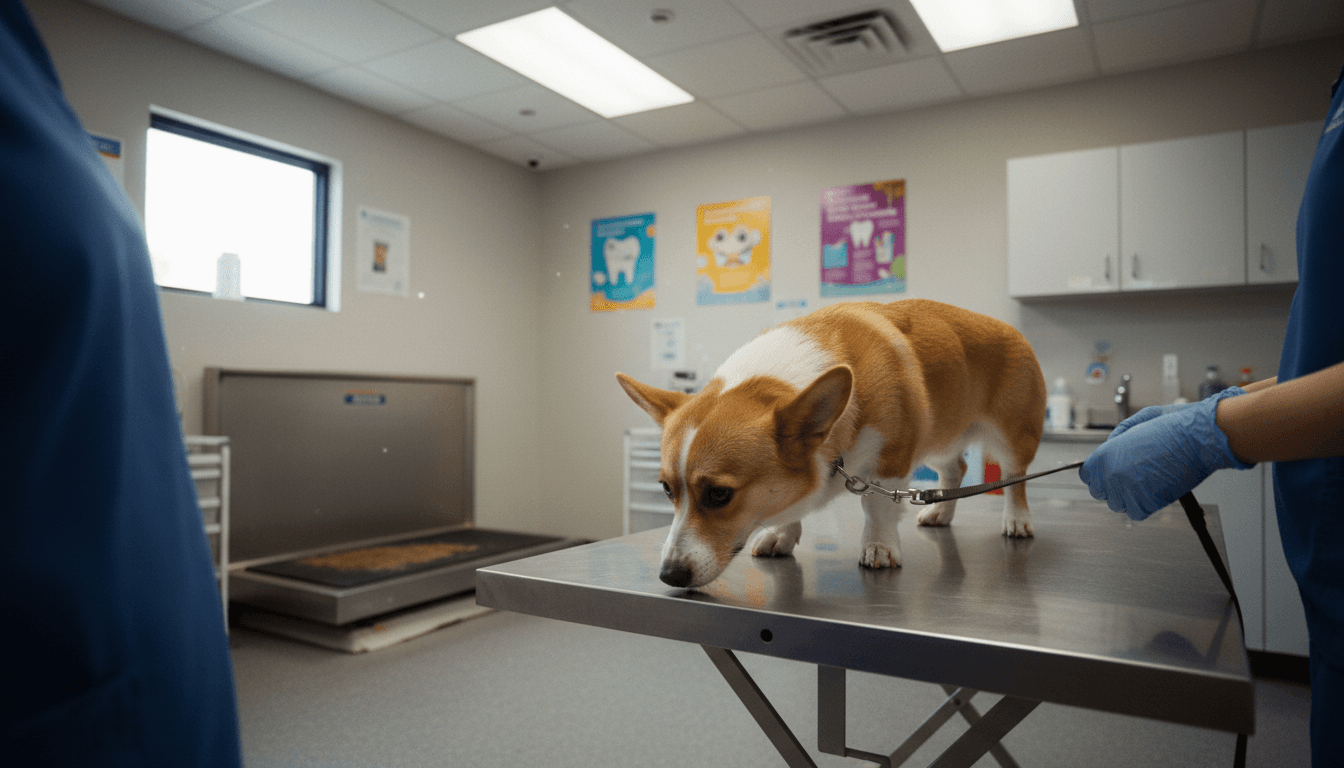
A dog's belly button needs no special care — but the surrounding area is worth a glance now and then, especially in puppies. Contact your veterinarian if you notice a growing or painful bulge at the navel, redness, swelling, warmth, or discharge, or any bump that seems to change. This article is general information only and is not a substitute for professional veterinary advice. If you are ever unsure about a lump, a hernia, or a newborn's cord, your veterinarian is the right person to evaluate it in person. For more on reading your dog's health signals, see our guide to the signs your dog needs a vet visit.
Frequently Asked Questions
Do all dogs have belly buttons?
Yes. Every dog is born with an umbilical cord, and the scar it leaves — the belly button — is present on all dogs, even if it is too small and fur-covered to spot easily.
Where is my dog's belly button located?
It sits on the underside of the abdomen, just below the ribcage, roughly in the center of the belly. Look for a small, flat vertical scar or wrinkle rather than a raised or sunken navel.
Why can't I find my dog's belly button?
Dog belly buttons are small, flat, and covered by fur, so they are naturally hard to see. You may feel a faint line with your fingers more easily than you can see it. This is completely normal.
What is an umbilical hernia in dogs?
It is a soft bulge at the navel that occurs when the abdominal wall does not fully close after birth, allowing fat or tissue to poke through. Many are minor and close on their own, but a vet should evaluate any hernia, and a sudden, firm, or painful bulge needs urgent care.
Do mother dogs bite off the umbilical cord?
Yes. Mother dogs instinctively chew through each puppy's cord after birth. The remaining stump dries and falls off within a few days. If a mother cannot do this, a breeder or veterinarian should assist.
Does a dog's belly button need any care?
No special care is needed for a healed adult belly button. In newborn puppies, keep the area clean and dry, let the stump fall off naturally, and watch for signs of infection.
The Bottom Line
Dogs absolutely have umbilical cords — and the tiny, fur-hidden scar on your dog's tummy is the proof. In healthy dogs the belly button is harmless and needs no attention, though puppies should be checked for umbilical hernias and newborns watched for infection. When something looks off, your veterinarian is the best resource. For more answers to the quirky, fascinating questions about your dog's body and behavior, subscribe to the Daily Wag newsletter and never miss a fresh explainer.