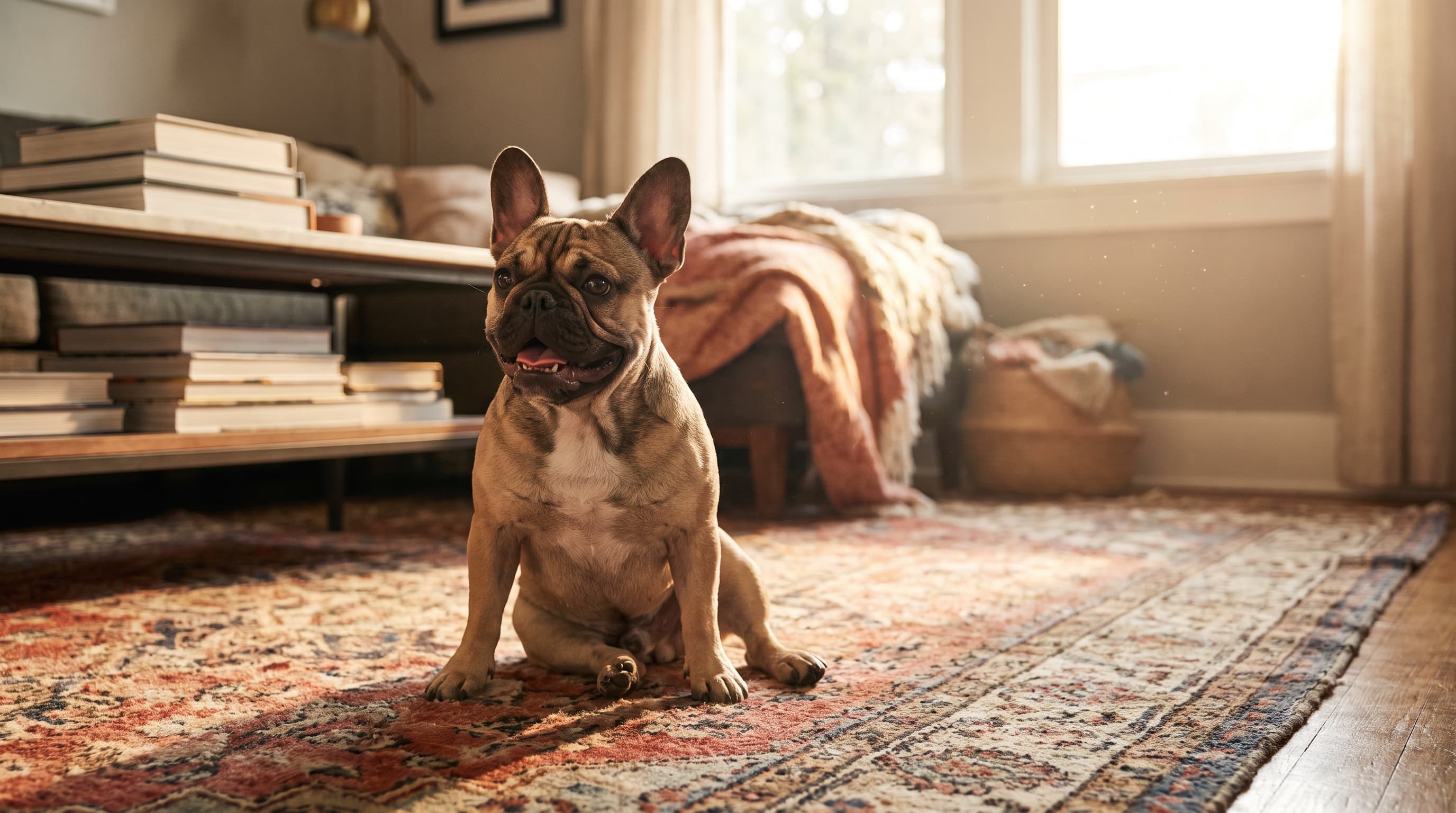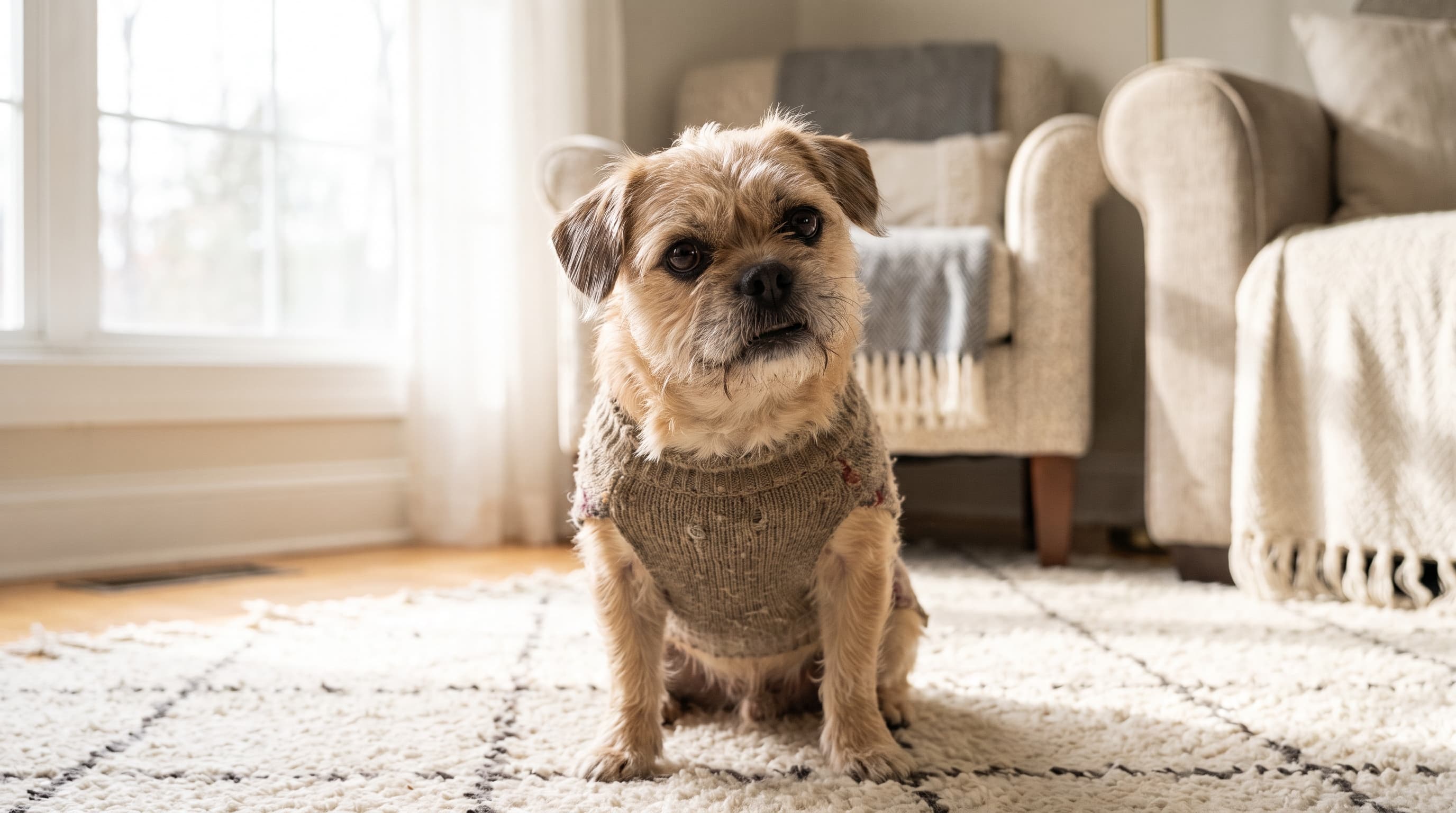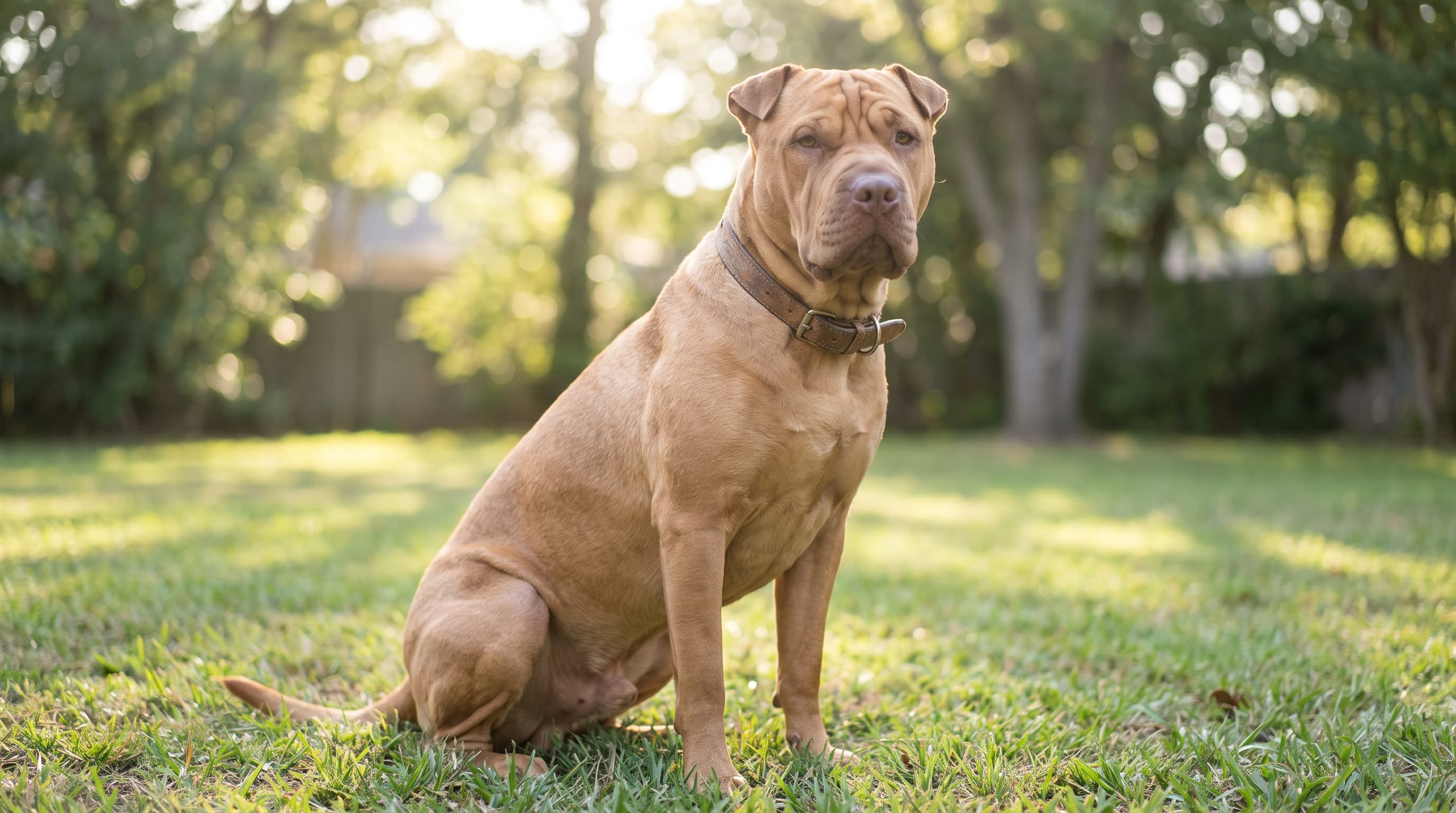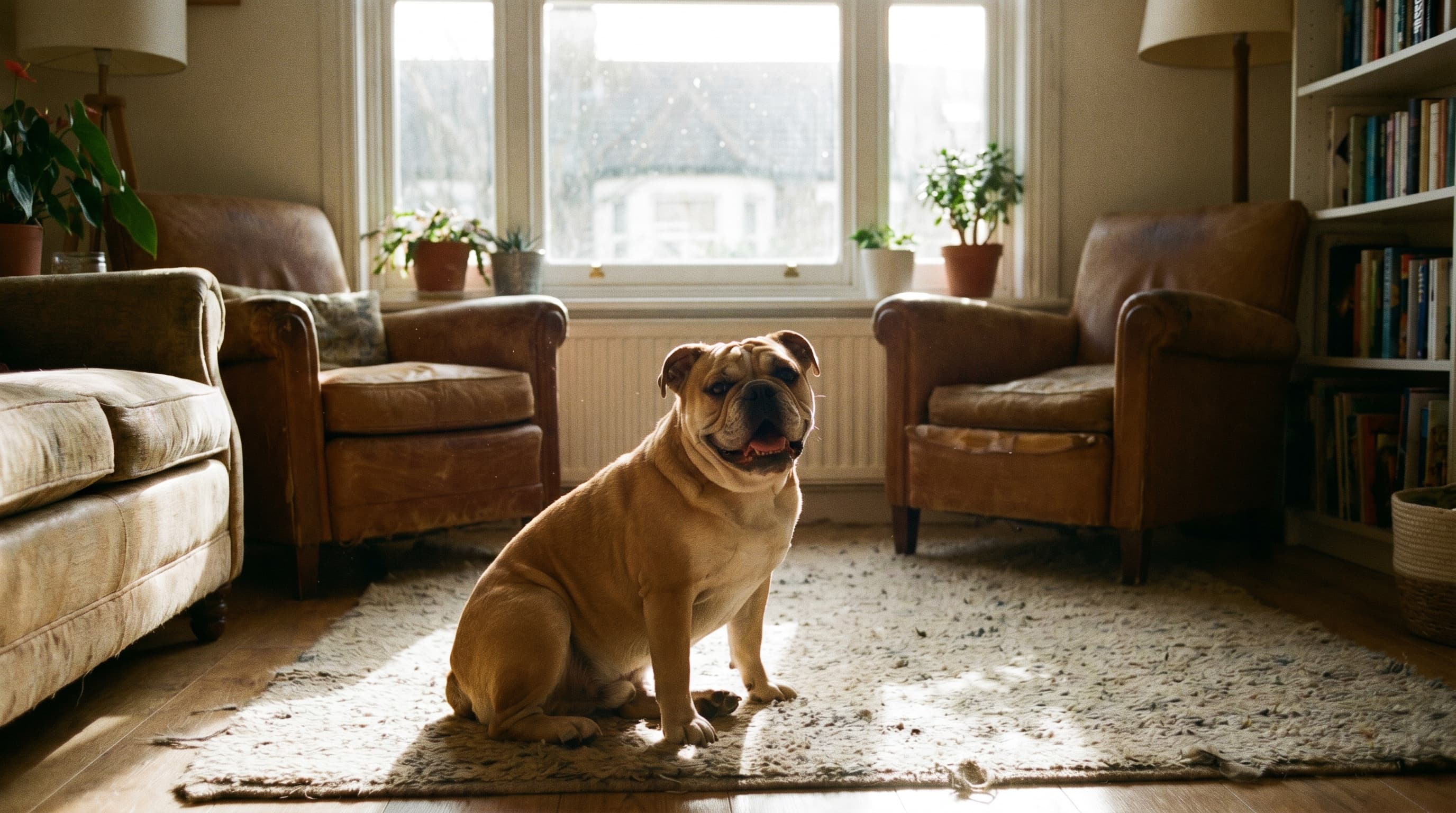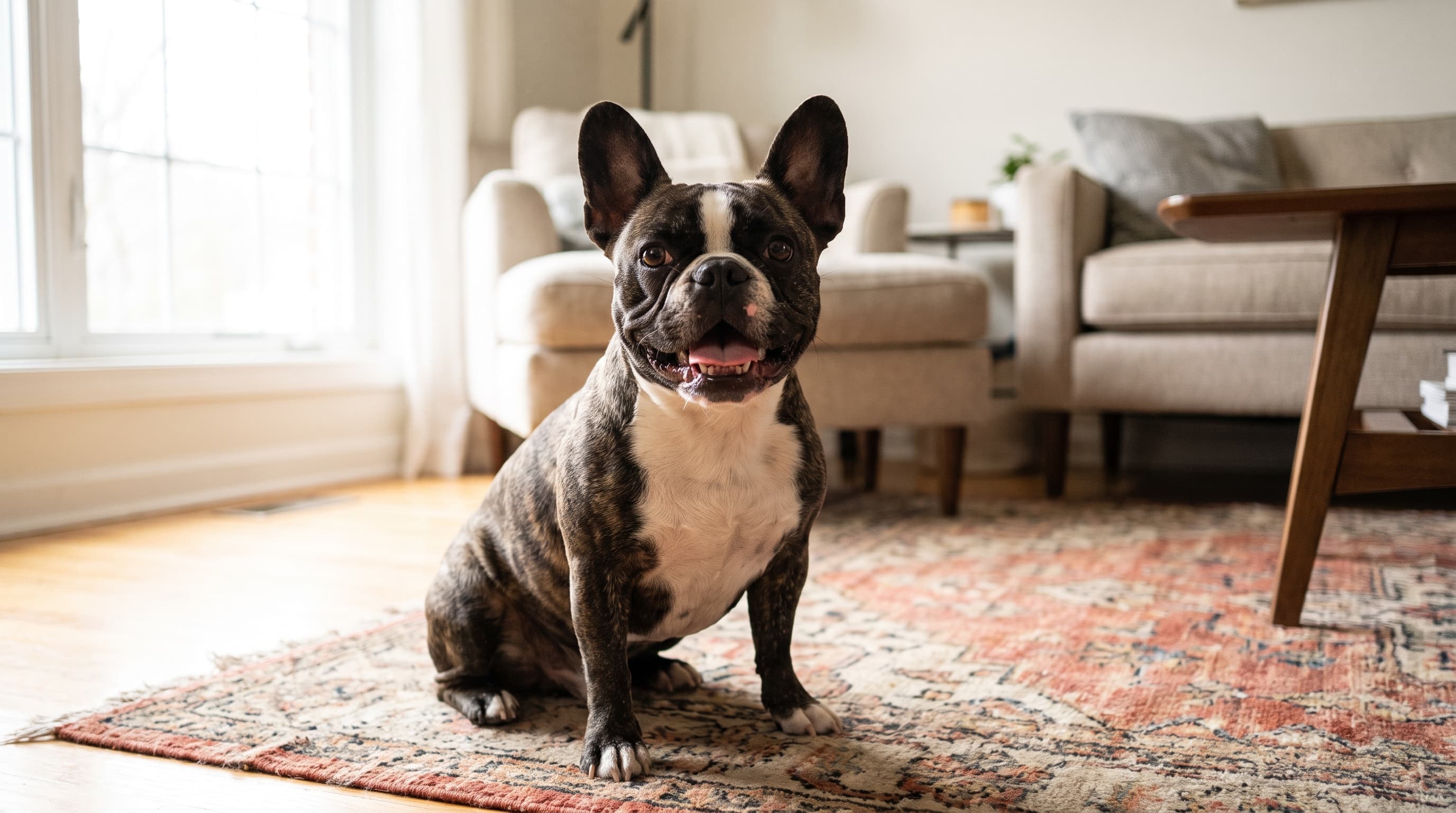

The Frenchton is a designer crossbreed between the French Bulldog and the Boston Terrier, prized as a playful, affectionate, and adaptable companion. Frenchtons typically weigh 15 to 25 pounds, stand about 11 to 15 inches tall, and live 12 to 15 years. Bred to soften the French Bulldog's breathing problems, they suit families, seniors, and apartment dwellers alike.
What Is a Frenchton?
A Frenchton (sometimes called a Faux Frenchbo or Froston) is a first-generation cross between a French Bulldog and a Boston Terrier. The cross rose to popularity in the 1990s and 2000s as breeders looked for a dog with the French Bulldog's laid-back charm but a slightly longer muzzle and healthier airway inherited from the Boston Terrier.
Like all designer crossbreeds, Frenchtons are not recognized as a breed by major registries such as the American Kennel Club, and individual puppies vary depending on which parent they favor. What is consistent is the appeal: a compact, big-eared, expressive little dog with an easygoing personality and a strong desire to be near its people.
A Short History of the Frenchton
The Frenchton emerged from the broader designer-dog movement of the late 20th century, when breeders began intentionally crossing purebreds to combine desirable traits and, ideally, reduce inherited health problems. The French Bulldog's popularity had exploded, but so had awareness of its serious breathing difficulties. Crossing Frenchies with the closely related, slightly longer-nosed Boston Terrier was a deliberate attempt to preserve the Frenchie's beloved looks and personality while easing some of its respiratory strain. Both parent breeds descend partly from bulldog-type ancestors, which is why the cross produces such a consistent, recognizable little dog rather than a wildly unpredictable mix.
Frenchton Appearance and Size
Frenchtons are small but solid, muscular dogs. Most weigh between 15 and 25 pounds and stand roughly 11 to 15 inches at the shoulder. They typically inherit the French Bulldog's signature bat ears, a short muzzle (though usually longer than a purebred Frenchie's), a wrinkled forehead, and a short, sleek, low-maintenance coat.
Common colors include brindle, fawn, cream, white, black, and pied combinations, often with the tuxedo-style markings of the Boston Terrier. Because the Boston Terrier parent tends to have a slightly more elongated face, well-bred Frenchtons often breathe somewhat more easily than French Bulldogs, though they remain a brachycephalic (flat-faced) type.
Frenchton Temperament and Personality
Frenchtons are people-first dogs. They are friendly, affectionate, and playful, and they generally get along well with children and other pets when socialized early. Most Frenchtons are happy to alternate between goofy play sessions and long stretches of couch cuddling, which makes them excellent companions for a wide range of households.
They do not like being left alone for long periods and can develop separation anxiety, barking, or destructive habits if under-stimulated. Their sociable nature also makes them poor guard dogs; they are far more likely to greet a stranger than warn you about one. Early socialization and consistent, positive routines bring out the best in the breed.
Frenchton Health and Lifespan
Frenchtons live an average of 12 to 15 years. Crossbreeding can improve some health outcomes through hybrid vigor, but Frenchtons still inherit risks from both flat-faced parents. The most important is brachycephalic obstructive airway syndrome. According to the American College of Veterinary Surgeons, flat-faced dogs can struggle to breathe efficiently because of the shape of their head, muzzle, and throat, which makes heat and heavy exercise especially risky.
Other conditions to watch for include:
- Eye problems such as cherry eye, corneal ulcers, and dry eye
- Skin and food allergies, plus irritation in facial and body folds
- Patellar luxation and other joint issues
- Spinal conditions like intervertebral disc disease
- Obesity, which worsens breathing and joint strain
Buying from a responsible breeder who health-tests parent dogs, and keeping your Frenchton lean and cool, dramatically reduces these risks. This article is general information and not a substitute for veterinary care; your veterinarian should guide your individual dog's health plan.
Caring for a Frenchton: Exercise, Grooming, and Nutrition
Exercise
Frenchtons have moderate energy. Two short daily walks plus indoor play usually meet their needs. Because they are brachycephalic, avoid strenuous exercise in heat and humidity, watch closely for labored breathing, and never leave them in warm cars or unshaded yards. Their heat sensitivity also makes them well-suited to apartment living, where climate control is easy to manage.
Grooming
The short coat is low-maintenance and needs only weekly brushing, though Frenchtons are moderate shedders. The real grooming priority is the face: clean and dry the facial folds regularly to prevent infection, keep the ears clean, and stay on top of nail trims and dental care. As with any flat-faced dog, the care basics for French Bulldogs apply closely to Frenchtons.
Nutrition
Feed a high-quality diet portioned to prevent weight gain, since extra pounds hit brachycephalic dogs especially hard. Use a slow-feeder or raised bowl if your dog gulps air, and avoid feeding table scraps and known toxins. Ask your vet to help you set the right calorie target as your Frenchton ages.
Frenchton Price and Where to Find One
Frenchtons are not cheap. Because both parent breeds are expensive and often require cesarean deliveries and artificial insemination, Frenchton puppies from reputable breeders typically cost between about $1,000 and $4,000, with rare colors and lines climbing higher. Be wary of unusually low prices, which often signal irresponsible breeding or health problems down the road.
Adoption is another route. French Bulldog and Boston Terrier rescues sometimes take in Frenchtons and mixes, offering a lower-cost, ethical alternative. Whichever path you choose, prioritize health testing and temperament over rare coat colors.
Frenchton vs. French Bulldog vs. Boston Terrier
Because the Frenchton sits between its two parent breeds, it is worth understanding how they differ. The French Bulldog is stockier, with a very short muzzle that makes it the most breathing-challenged of the three, and it tends to be quiet, affectionate, and low-energy. The Boston Terrier is leaner and more athletic, with a slightly longer nose, a lively personality, and a tidy tuxedo coat. The Frenchton blends these traits: it usually has the Frenchie's compact build and bat ears with a touch more of the Boston's muzzle length and energy.
In practice, that means a well-bred Frenchton often breathes a bit more easily and moves a bit more freely than a purebred French Bulldog, while retaining the cuddly, people-focused temperament that makes Frenchies so beloved. Individual results vary from litter to litter, so meeting the parents is the best way to predict what a puppy will become.
Training a Frenchton
Frenchtons are intelligent and eager to please, which makes them reasonably trainable, but they can also inherit a stubborn streak from both parents. Short, upbeat, reward-based sessions work far better than repetition or correction. Start socialization early, exposing your puppy to a variety of people, dogs, sounds, and settings to build confidence and prevent anxiety.
House-training can take patience, and crate training often helps by giving your dog a secure den and easing separation stress. Because Frenchtons form intense bonds, teaching them to tolerate short periods alone from puppyhood is one of the most valuable things you can do to prevent separation anxiety later. Keep training sessions cool and calm, and never push a flat-faced dog to the point of heavy panting.
Frenchton At-a-Glance Stats
Use this quick-reference summary to see if the Frenchton fits your lifestyle. Every figure below reflects the ranges discussed above and can vary from dog to dog depending on which parent your Frenchton favors.
- Size: Small
- Weight: 15–25 lbs
- Height: 11–15 in
- Lifespan: 12–15 years
- Coat: Short, smooth
- Temperament: Affectionate, playful, sociable
- Good with kids and other dogs: Yes, with early socialization
- Apartment friendly: Very
Frequently Asked Questions
How big do Frenchtons get?
Most Frenchtons weigh 15 to 25 pounds and stand about 11 to 15 inches tall, making them a small but sturdy companion dog.
Are Frenchtons healthier than French Bulldogs?
Often somewhat, yes. The Boston Terrier's slightly longer muzzle can improve breathing, and crossbreeding may reduce some inherited issues. However, Frenchtons are still brachycephalic and can inherit health problems from both parents, so responsible breeding matters.
How long do Frenchtons live?
Frenchtons typically live 12 to 15 years with good care, a healthy weight, and regular veterinary checkups.
Do Frenchtons bark a lot?
Frenchtons are moderate barkers. They may bark for attention or when bored or anxious, but they are generally not excessive barkers, especially with training and enough companionship.
How much does a Frenchton cost?
Puppies from reputable breeders usually run about $1,000 to $4,000, reflecting the high cost of breeding both parent breeds. Adoption through breed rescues can cost far less.
Are Frenchtons good family dogs?
Yes. Their affectionate, playful, and adaptable nature makes them excellent family companions that do well with children and other pets when properly socialized.
Is a Frenchton Right for You?
If you want an affectionate, low-grooming companion that thrives on human company and adapts to apartment life, the Frenchton is hard to beat, so long as you are prepared to manage its flat-faced health needs and keep it cool and lean. Considering the parent breeds instead? Read our full guides to the French Bulldog and the classic Bulldog to compare. And to keep learning about the breeds you love, subscribe to the Daily Wag newsletter for fresh breed profiles and care tips.
Sources: AKC French Bulldog, AKC Boston Terrier, American College of Veterinary Surgeons — Brachycephalic Syndrome, VCA Hospitals — French Bulldog Care, ASPCA — People Foods to Avoid.