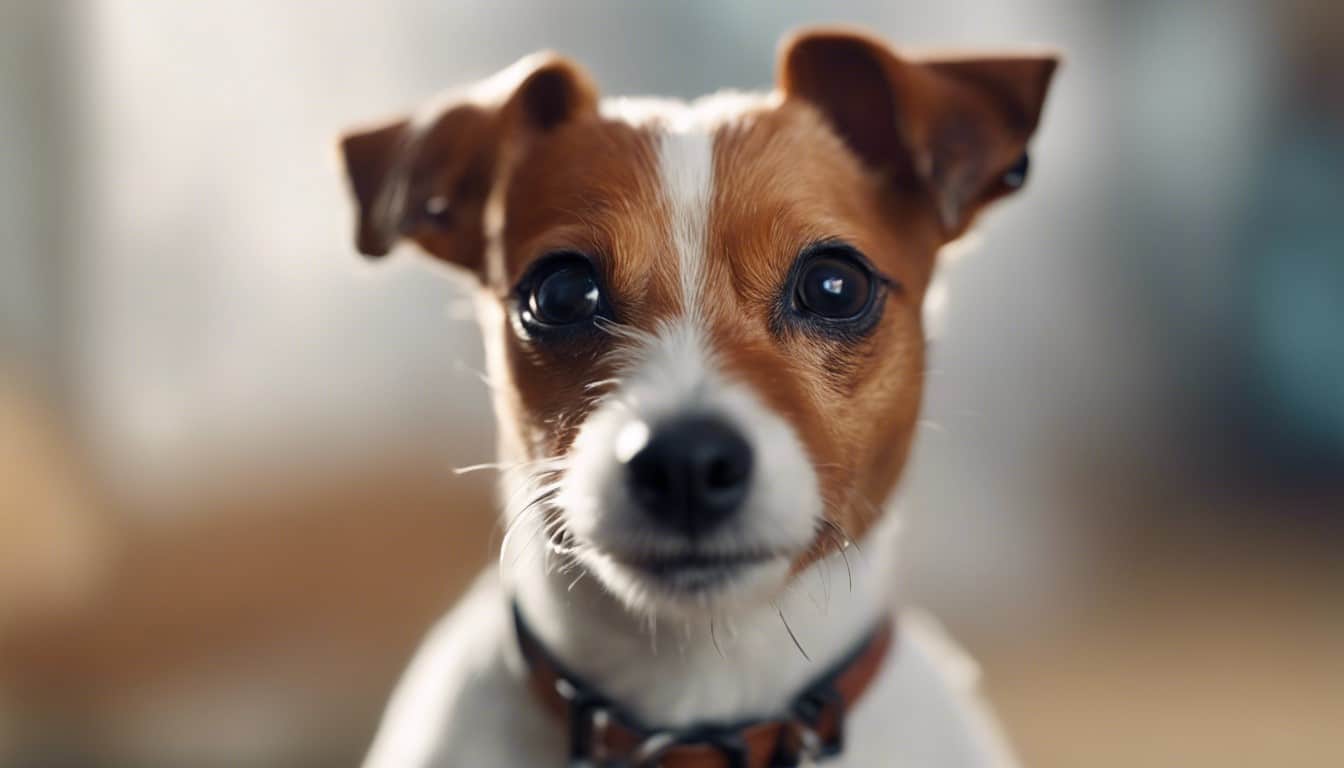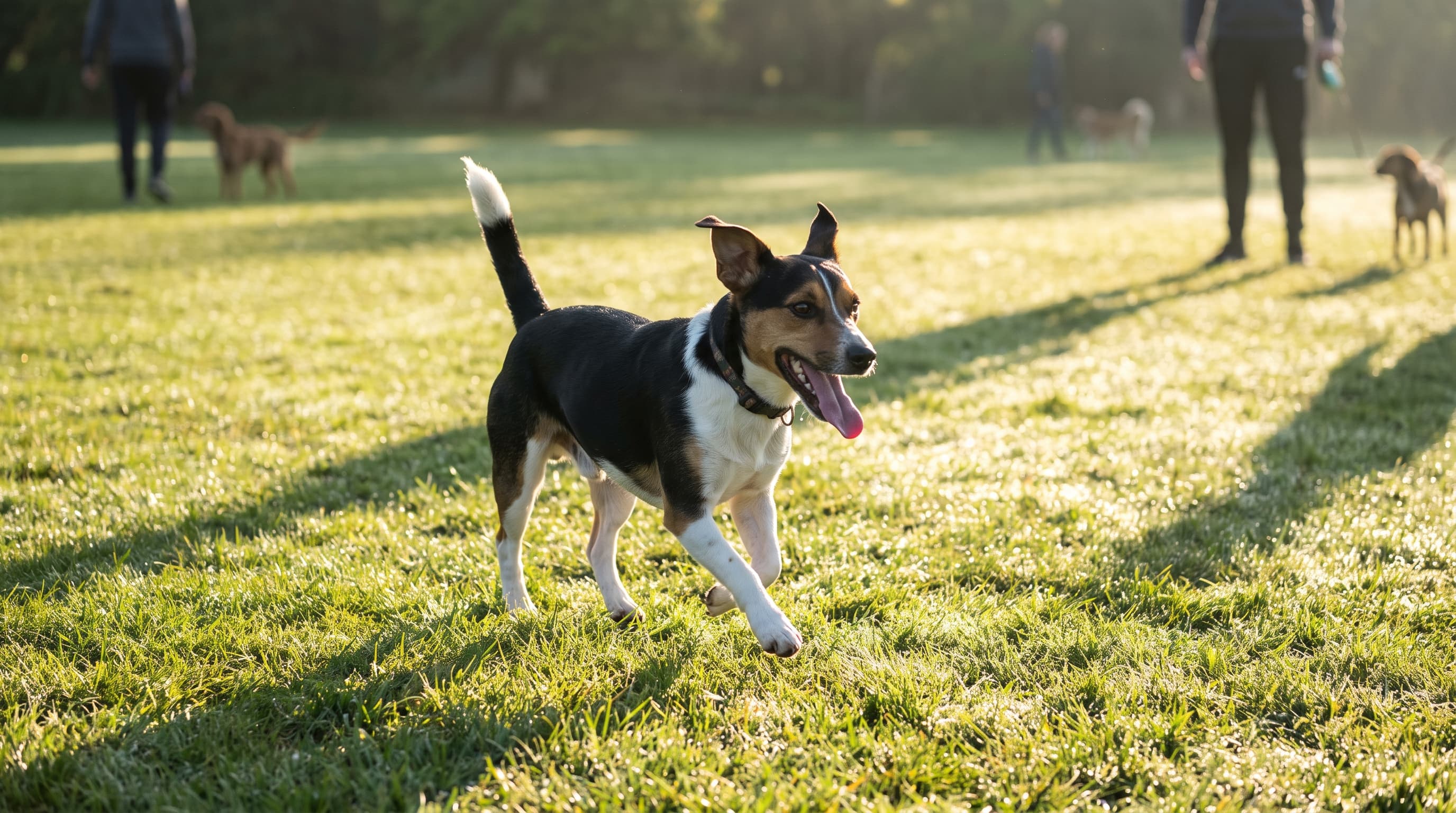

The Jack-a-bee is a small, high-energy crossbreed between a Jack Russell Terrier and a Beagle. Expect a smart, affectionate, and endlessly curious dog weighing 15–30 pounds that thrives on activity, forms strong family bonds, and needs firm, patient training to channel its terrier drive and hound nose. Lifespan is typically 12–15 years.
Jack-a-bee at a Glance
Also called the Jackabee or Beagle Jack Russell mix, the Jack-a-bee is a designer crossbreed that blends two beloved working dogs: the tenacious, athletic Jack Russell Terrier and the friendly, scent-driven Beagle. The result is a compact, sturdy companion with a big personality — playful and loving at home, but with the stamina and independent streak of two breeds originally bred to hunt. Like most first-generation crosses, individual puppies can lean more toward either parent, so temperament and looks vary even within a single litter.
History and Origin
Like most designer crossbreeds, the Jack-a-bee is a relatively modern dog, emerging over the last few decades as intentional first-generation crosses of two established breeds. The Jack Russell Terrier was developed in 19th-century England by Reverend John "Jack" Russell to bolt foxes from their dens — a job that demands courage, drive, and stamina in a small package. The Beagle is an ancient scent hound bred to track rabbits and hare in packs, prized for its nose and its friendly, biddable pack temperament. Crossing them aims to blend the terrier's spark with the hound's easygoing sociability. Because the Jack-a-bee is a hybrid rather than a standardized breed, it isn't recognized by major kennel clubs, and traits remain more variable than in a purebred.
Appearance and Size
Jack-a-bees are small-to-medium dogs, generally standing 12 to 16 inches tall and weighing 15 to 30 pounds. They have a muscular, athletic build, a broad Beagle-influenced head or a more chiseled terrier face, and expressive eyes. Ears may stand semi-erect like a Jack Russell's or hang long and soft like a Beagle's. The coat is short, dense, and smooth — easy to care for but a steady, moderate shedder. Common colorings include classic hound tricolor (black, white, and tan), white with brown markings, and white with black markings.
Temperament and Personality
This is a bright, exuberant, people-loving dog. Jack-a-bees are affectionate and loyal, bonding closely with their families and generally getting along well with children and other dogs when properly socialized. But both parent breeds are working dogs, and it shows: the Jack Russell brings intensity, boldness, and a strong prey drive, while the Beagle contributes a powerful nose and a stubborn, "follow the scent" independence. That combination makes for a fun, spirited companion who can also be mischievous, vocal, and prone to wandering off after an interesting smell if not securely contained. A bored Jack-a-bee is a destructive Jack-a-bee, so mental and physical outlets are non-negotiable.
Exercise and Activity Needs
Plan on at least 60 minutes of vigorous activity every day, plus enrichment. Long walks, off-leash play in a securely fenced yard, fetch, and scent games all help. Because the Beagle side is nose-driven and the terrier side is escape-artist clever, always walk on leash and use a fenced area — recall can be unreliable when a scent takes over. Puzzle feeders, snuffle mats, and short training sessions keep that busy brain occupied. This high energy level is also why Jack-a-bees are a challenging fit for small apartments unless owners are truly committed to daily exercise.
Training and Socialization
Jack-a-bees are intelligent and capable, but their independent, sometimes stubborn nature means training takes consistency and patience. Start early, keep sessions short and upbeat, and rely on positive reinforcement — food rewards work especially well given the Beagle appetite. Prioritize recall, leash manners, and "leave it," and socialize widely with people, dogs, and environments during puppyhood. Because both parents can be vocal, early work on managing barking and howling pays off. Crate training helps with the separation anxiety these companion-oriented dogs sometimes develop.
Grooming and Care
Grooming is refreshingly simple. The short coat needs weekly brushing — a quick daily pass during heavier shedding periods — and only occasional baths. Just as important: check and clean those ears regularly, especially on floppy-eared, Beagle-type Jack-a-bees, since drop ears trap moisture and invite infection. Round out care with routine nail trims and consistent dental hygiene, which is essential for small breeds prone to dental disease.
Health and Lifespan
Jack-a-bees are generally healthy and typically live 12 to 15 years. As a mix, they can inherit conditions from either parent line. Owners should be aware of a few common concerns:
- Luxating patella — a kneecap that slips out of place, common in small breeds; the VCA describes grades ranging from mild to surgical.
- Hip dysplasia — an abnormal hip joint that can lead to arthritis, outlined by the VCA.
- Eye conditions such as progressive retinal atrophy and cataracts.
- Ear infections, especially in floppy-eared dogs.
- Obesity — the food-motivated Beagle side means weight can creep up fast without portion control.
The Beagle parent breed is also associated with certain inherited conditions worth discussing with a breeder. Buying from a breeder who health-tests both parents dramatically lowers the odds of these problems.
This is general information, not veterinary advice. Work with your veterinarian on screening and preventive care, and seek prompt veterinary attention if your dog shows signs of illness or pain.
Feeding and Nutrition
Feed a complete, balanced diet formulated for your dog's size, age, and activity level. Because Jack-a-bees are energetic small dogs with hearty appetites, measure meals carefully and go easy on treats to prevent obesity. Divide food into two meals a day, provide constant access to fresh water, and ask your vet before making major diet changes.
Cost, Adoption, and What to Expect
Jack-a-bee puppies from a breeder typically run a few hundred dollars, often in the $300 to $800 range depending on location and lineage — considerably less than many designer doodles. Because they're a common enough cross, Jack-a-bees and similar Jack Russell or Beagle mixes also turn up regularly in shelters and breed-specific rescues, where adopting an adult means you'll know the dog's size and temperament up front. Wherever your dog comes from, ask about the parents' health and temperament, and prioritize a well-socialized, health-screened dog over a bargain. Budget beyond the purchase price for food, routine veterinary care, preventives, training, and pet insurance — the ongoing costs of dog ownership far outweigh the sticker price.
Living Environment
Jack-a-bees do best in an active home with a securely fenced yard where they can burn energy safely. They can adapt to apartment living, but only with owners genuinely committed to multiple daily walks and enrichment — otherwise their energy and vocal tendencies become a problem in close quarters. Because both parent breeds are escape artists and scent-followers, fencing should be secure and dug-proof, and off-leash time limited to enclosed areas. They're happiest with company and can struggle when left alone all day, so they suit households where someone is around often or can arrange midday breaks.
Is the Jack-a-bee Right for You?
A Jack-a-bee is a fantastic match for active individuals or families who love the outdoors, can commit to daily exercise and training, and want a small dog with a huge personality. They are less ideal for people seeking a low-key lap dog, first-time owners who can't commit to consistent training, or households where the dog will be alone for long stretches. Give this clever, affectionate crossbreed enough activity and structure, and you'll have a devoted, entertaining companion for well over a decade.
Frequently Asked Questions
How big does a Jack-a-bee get?
Jack-a-bees are small-to-medium dogs, usually 12 to 16 inches tall and 15 to 30 pounds. Adult size depends on which parent a particular dog takes after.
Are Jack-a-bees good family dogs?
Yes. They are affectionate, playful, and typically great with children and other dogs when socialized early. Their high energy suits active families best, and interactions with young kids should always be supervised.
Do Jack-a-bees bark a lot?
They can. Both parent breeds are vocal — the Beagle is known for baying and the Jack Russell for alert barking — so Jack-a-bees may be talkative. Early training and enough exercise help keep barking manageable.
How much exercise does a Jack-a-bee need?
At least an hour of vigorous activity daily, plus mental enrichment like puzzle toys and scent games. Without enough outlet for their energy, they can become bored, anxious, and destructive.
Are Jack-a-bees easy to train?
They're intelligent but independent and can be stubborn, so training takes patience and consistency. Positive, reward-based methods and early socialization work best, with special focus on recall and leash skills.
How long do Jack-a-bees live?
Typically 12 to 15 years. Good genetics, a healthy weight, routine veterinary care, and plenty of exercise all support a long, healthy life.
Keep Exploring
Curious about the parent breeds and similar mixes? Read our full Beagle breed guide and meet other spirited Jack Russell crosses like the Minnie Jack and the Beaglier. Deciding on the right dog for your household? See our roundup of the best dogs for families with kids. For more breed guides and training tips, subscribe to the Daily Wag newsletter.