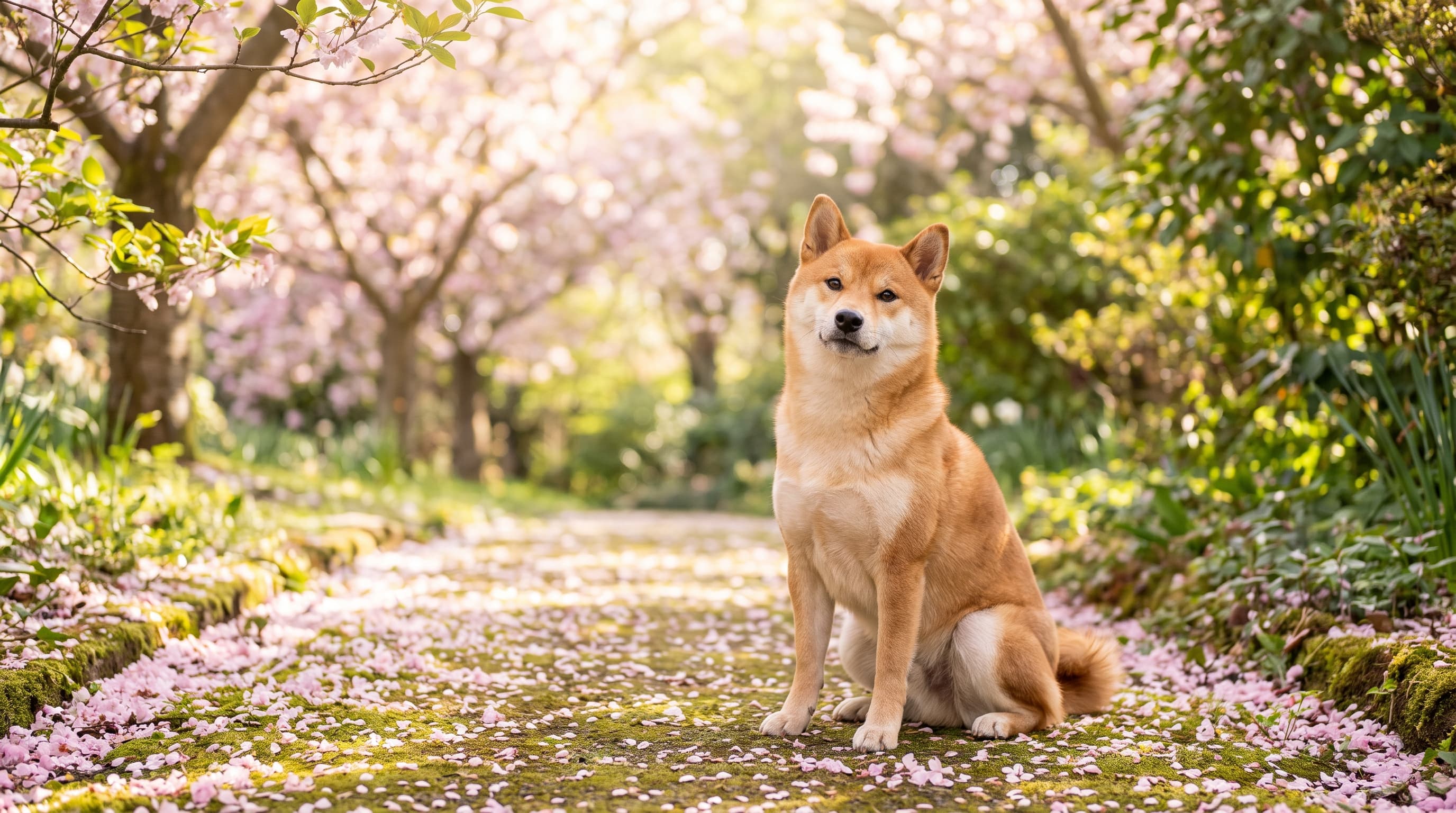
Japanese Dog Names: 200+ Meaningful Ideas for Male & Female Dogs
The best Japanese dog names blend beautiful sound with real meaning — think Kuma (bear), Sakura (cherry blossom), Hana (flower), or Kaito (ocean). Whether you have a Shiba Inu, an Akita, or a mixed-breed rescue, Japanese names offer short, easy-to-call two-syllable options rich in culture, nature, and character. Below are 200+ ideas organized by gender, theme, and meaning.
Japanese names travel well to the dog park: many are crisp, vowel-ending, and simple to pronounce, which also makes them practical training cues. This guide gives you meaning-first picks for male and female dogs, plus themed lists inspired by nature, food, anime, and strength — and tips for choosing a name your dog will actually respond to.
Quick-Pick Favorites
Short on time? These crowd-pleasers work for almost any dog and are easy to say:
- Kuma — "bear," perfect for a fluffy or sturdy dog
- Sakura — "cherry blossom," a classic for females
- Hiro — "generous" or "abundant"
- Yuki — "snow" or "happiness," great for a white dog
- Kaito — "ocean" plus "soar"
- Mochi — the chewy rice treat, adorable for a round pup
- Hana — "flower"
- Ren — "lotus" or "love"
- Taro — "eldest son," a traditional favorite
- Aki — "autumn" or "bright"
Male Japanese Dog Names and Meanings
Strong, friendly, and easy to call across a yard:
- Akira — bright, clear
- Daichi — great earth
- Haru — spring, sunlight
- Hiro — abundant, generous
- Isamu — courage, bravery
- Jiro — second son
- Kenji — intelligent, strong
- Kaito — ocean, soar
- Kuma — bear
- Makoto — sincerity, truth
- Ryu — dragon
- Sora — sky
- Taro — eldest son
- Tatsu — dragon
- Yamato — great harmony (an old name for Japan)
- Hachiko — after Japan's most famous loyal dog
- Goro — fifth son
- Riku — land
- Shiro — "white," ideal for a pale coat
- Toshi — wise, clever
- Giichi — righteous one
- Kenta — healthy, strong
- Masa — true, elegant
- Noboru — to rise, ascend
- Yuudai — great hero
Female Japanese Dog Names and Meanings
Sweet, elegant, and full of meaning:
- Aiko — beloved child
- Akari — light, brightness
- Emi — beautiful blessing, smile
- Hana — flower
- Haru — spring
- Hikari — light, radiance
- Kiku — chrysanthemum
- Kohana — little flower
- Mai — dance
- Megumi — blessing, grace
- Momo — peach
- Nori — seaweed, or "belief"
- Rin — dignified, cold
- Sakura — cherry blossom
- Suki — beloved, liked
- Yui — bind, gentleness
- Yuki — snow, happiness
- Aya — colorful, design
- Chiyo — a thousand generations
- Kaida — little dragon
- Mika — beautiful fragrance
- Nana — seven
- Ren — lotus, love
- Sora — sky (unisex)
- Umi — sea, ocean
Nature-Inspired Japanese Names
Japan's reverence for the natural world makes it a rich source of dog names:
- Yama — mountain
- Umi — sea
- Sora — sky
- Tsuki — moon
- Hoshi — star
- Kaze — wind
- Ame — rain
- Mori — forest
- Kawa — river
- Hi — sun, fire
- Ishi — stone
- Sakura — cherry blossom
- Take — bamboo
- Yuki — snow
- Arashi — storm
Love the nature angle? You will find even more options across cultures in our nature dog names collection.
Food-Inspired Japanese Names
Playful, cute, and perfect for a treat-motivated pup:
- Mochi — chewy rice cake
- Sushi — the beloved classic
- Ramen — noodle soup
- Miso — savory soybean paste
- Matcha — green tea, great for a green-collared cutie
- Tofu — soft and white
- Wasabi — for a dog with a spicy attitude
- Udon — thick noodles
- Dango — sweet dumpling
- Nori — seaweed wrap
- Anko — sweet red bean paste
- Yuzu — citrus fruit
- Umeboshi (Ume) — pickled plum
- Taiyaki — fish-shaped cake
- Soba — buckwheat noodles
For more edible inspiration in any language, browse our food names for dogs list.
Anime and Pop-Culture Names
Fans of Japanese animation and folklore have endless options:
- Totoro — the gentle forest spirit
- Pikachu (Pika) — the iconic yellow companion
- Naruto — the ninja hero (also a ramen topping)
- Goku — the legendary warrior
- Kirby — the pink puffball
- Ponyo — the sea sprite, cute for small dogs
- Zenitsu — for a jumpy, loyal pup
- Nezuko — sweet and protective
- Jiji — the clever black cat (fun for a dog, too)
- Haku — the river spirit
- Chihiro — the brave heroine
- Appa — for a big, gentle giant
- Mochi — beloved across many shows
- Kaonashi — "No-Face," for a mysterious dog
- Sensei — "teacher," for a wise old dog
Strength, Loyalty, and Courage Names
Japanese culture prizes loyalty and honor — fitting themes for a dog. The Akita and Shiba Inu, Japan's most famous native breeds, embody these traits; the American Kennel Club describes the Akita as a dignified, courageous, and profoundly loyal companion, while the Shiba Inu is celebrated for its bold, spirited character.
- Isamu — courage
- Takeshi — fierce warrior
- Kachi — victory
- Tadashi — loyal, correct
- Samurai — the noble warrior class
- Ronin — a masterless samurai
- Katana — the legendary sword
- Yuki — courage (with different kanji, also "snow")
- Hachiko — the ultimate symbol of loyalty
- Raiden — thunder and lightning
- Kongo — diamond, indestructible
- Tora — tiger
- Ryuu — dragon
- Shogun — military commander
- Makoto — sincerity, honor
Unisex Japanese Dog Names
Not sure yet, or just prefer a name that works for any dog? These gender-neutral picks sound great on males and females alike:
- Sora — sky
- Haru — spring, sunlight
- Aki — autumn, bright
- Ren — lotus, love
- Yuki — snow, happiness
- Nao — honest, straightforward
- Kai — ocean, shell
- Mizu — water
- Rei — bell, spirit
- Toki — time, hope
How to Choose the Right Japanese Name
A few practical guidelines make your pick stick:
- Keep it to one or two syllables. Short, vowel-ending names like Kuma, Yuki, and Hana are easy for dogs to recognize and for you to call.
- Check the meaning and the kanji. Many Japanese words are written with different characters that change the meaning — Yuki can mean "snow" or "courage" depending on the kanji. If meaning matters to you, confirm the reading you intend; resources like Wikipedia's overview of Japanese names explain how sound and character interact.
- Avoid names that sound like commands. Steer clear of anything too close to "sit," "stay," or "no" to prevent confusion during training.
- Say it out loud first. Test how it feels to call the name repeatedly and how it pairs with an excited or a firm tone.
- Match it to your dog. A name like Kuma suits a big fluffy dog; Momo or Mochi fits a tiny one. Coat color inspires easy picks too — Shiro ("white") or Yuki for a pale dog.
For a deeper walkthrough of the whole decision, see our guide to choosing your dog's name, and if you have a two-toned pup, our black and white dog names list pairs nicely with picks like Shiro and Kuro.
Frequently Asked Questions
What is a good Japanese name for a Shiba Inu?
Traditional, nature-based names suit Japan's most popular native breed beautifully. Popular Shiba Inu names include Kuma (bear), Hiro, Sora (sky), Yuki (snow), Sakura (cherry blossom), and Taro. Short two-syllable names complement the Shiba's spirited personality and are easy to call.
What Japanese name means loyal or loyalty?
Hachiko is the most famous — named after the Akita who waited years for his owner and became a national symbol of loyalty. Tadashi ("loyal/correct") and Makoto ("sincerity") are other meaningful options for a devoted dog.
What are cute Japanese names for small dogs?
Food-inspired and gentle picks work best for little dogs: Mochi, Momo (peach), Ponyo, Hana (flower), Miso, and Yuzu are all adorable, easy to say, and full of personality.
How do you pronounce Japanese dog names?
Japanese vowels are consistent: "a" as in father, "e" as in bed, "i" as in machine, "o" as in go, and "u" as in flute. Each syllable gets roughly equal stress. So Sakura is "sah-koo-rah" and Kuma is "koo-mah."
Should the name match my dog's breed?
It's entirely optional. Japanese names look especially fitting on native breeds like the Akita and Shiba Inu, but they suit any dog — the meaning and sound matter far more than the breed. A rescue mutt named Kuma is just as perfect.
Can I use a Japanese name if I don't speak Japanese?
Absolutely. Choosing a name from another culture is a lovely tribute — just take a moment to confirm the meaning and pronunciation so you're using it respectfully and correctly.
The Bottom Line
From nature and food to anime heroes and symbols of loyalty, Japanese dog names offer meaning-rich, easy-to-call options for every kind of dog. Pick one that sounds good out loud, carries a meaning you love, and fits your pup's personality — and it will feel right for years to come.
Still deciding? Explore our full profile of the loyal Akita for breed-matched inspiration, or browse more themed lists like French dog names. And for weekly naming ideas, breed guides, and dog-care tips, subscribe to the Daily Wag newsletter.