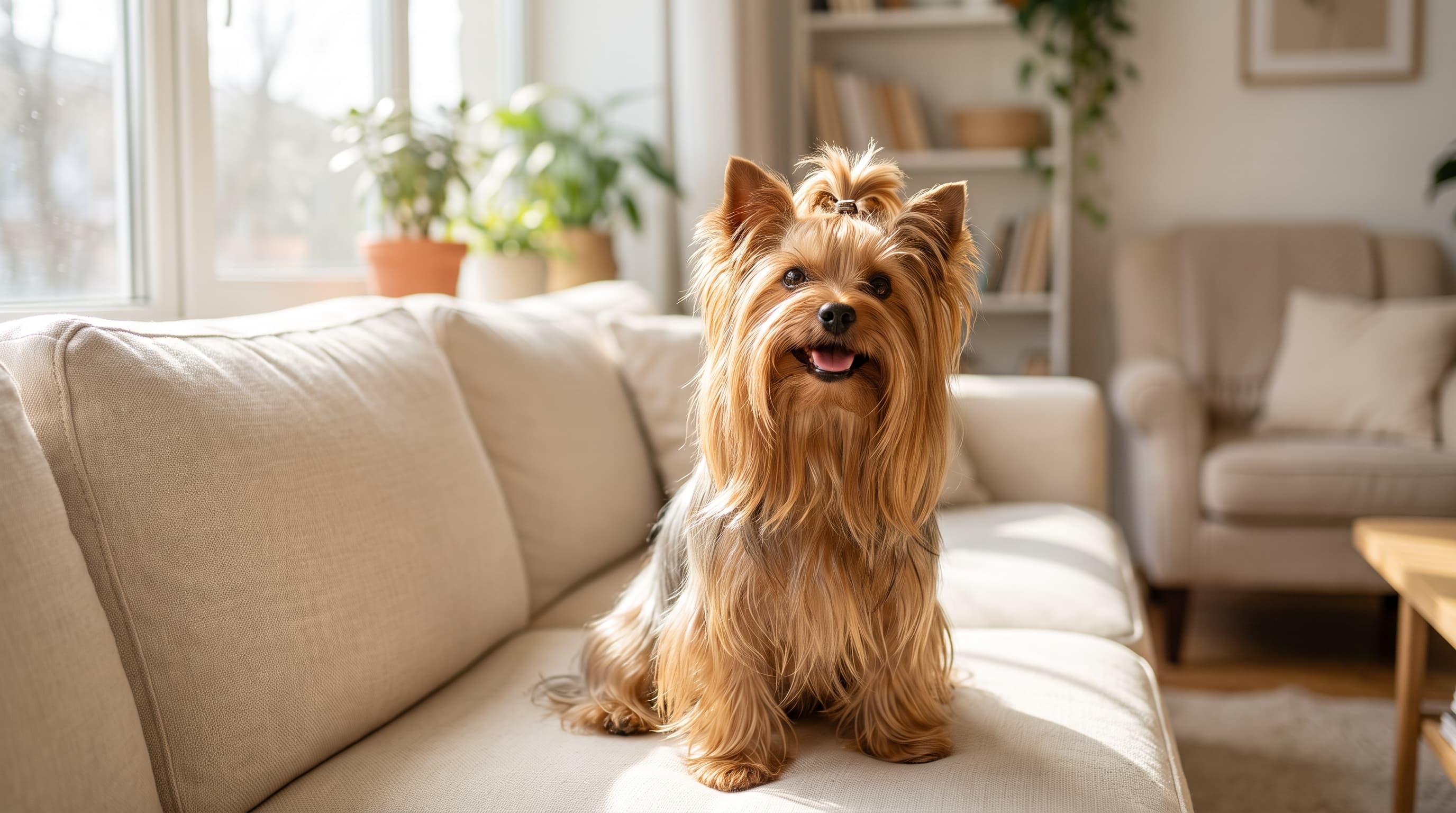

Are Yorkies Hypoallergenic? What Allergy Sufferers Need to Know
Yorkies are widely considered one of the most hypoallergenic dog breeds, but no dog is 100% allergen-free. Yorkshire Terriers have a single, silky coat of hair (not fur) that grows continuously like a human's and sheds very little, so they release far less dander into your home than most breeds. That makes them a strong choice for many allergy sufferers—though not a guaranteed one.
Why Yorkies Are Called Hypoallergenic
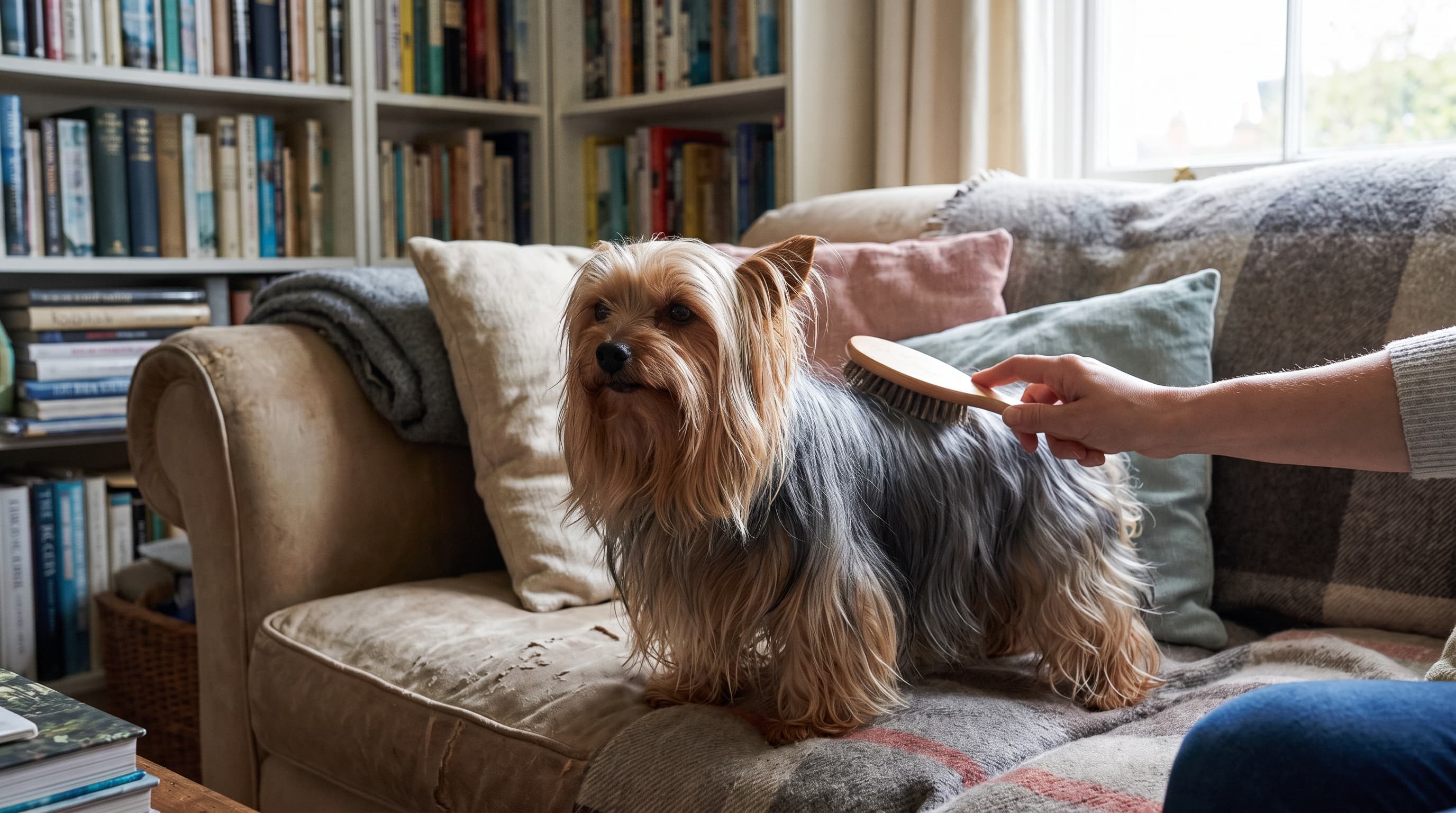
The word "hypoallergenic" means "below normal" in allergy-triggering potential—not "allergen-free." Yorkies earn the label for three practical reasons. First, they have a single-layer coat with no dense undercoat, so there is little of the seasonal "blow out" shedding that scatters allergens around a room. Second, that coat is made of hair that keeps growing rather than fur that cycles and drops—a trait detailed in the AKC's Yorkshire Terrier breed profile. Third, because they shed so little, less dander and saliva-coated hair ends up on your furniture and floors.
The American Kennel Club includes the Yorkshire Terrier on its official list of breeds that "do well with allergy sufferers." For a small companion dog, the Yorkie's low-shedding coat is a genuine advantage over double-coated breeds like Huskies or Labs.
What Actually Causes Dog Allergies
Here is the detail most articles skip: people are rarely allergic to dog hair itself. The real triggers are proteins found in a dog's dander (dead skin flakes), saliva, and urine. The best-studied is a protein called Can f 1, as the Asthma and Allergy Foundation of America explains. When a dog sheds heavily, those proteins hitch a ride on loose hair and spread through your home. A low-shedding dog like a Yorkie keeps more of that protein contained on the body, where regular bathing can wash it away.
According to the Mayo Clinic, pet allergies are common and no breed produces zero allergens, with an estimated 10–20% of people worldwide sensitized to dogs and cats, and no breed produces zero allergens. This is why "hypoallergenic" should be read as "lower risk," not "safe for everyone."
Do Yorkies Shed?
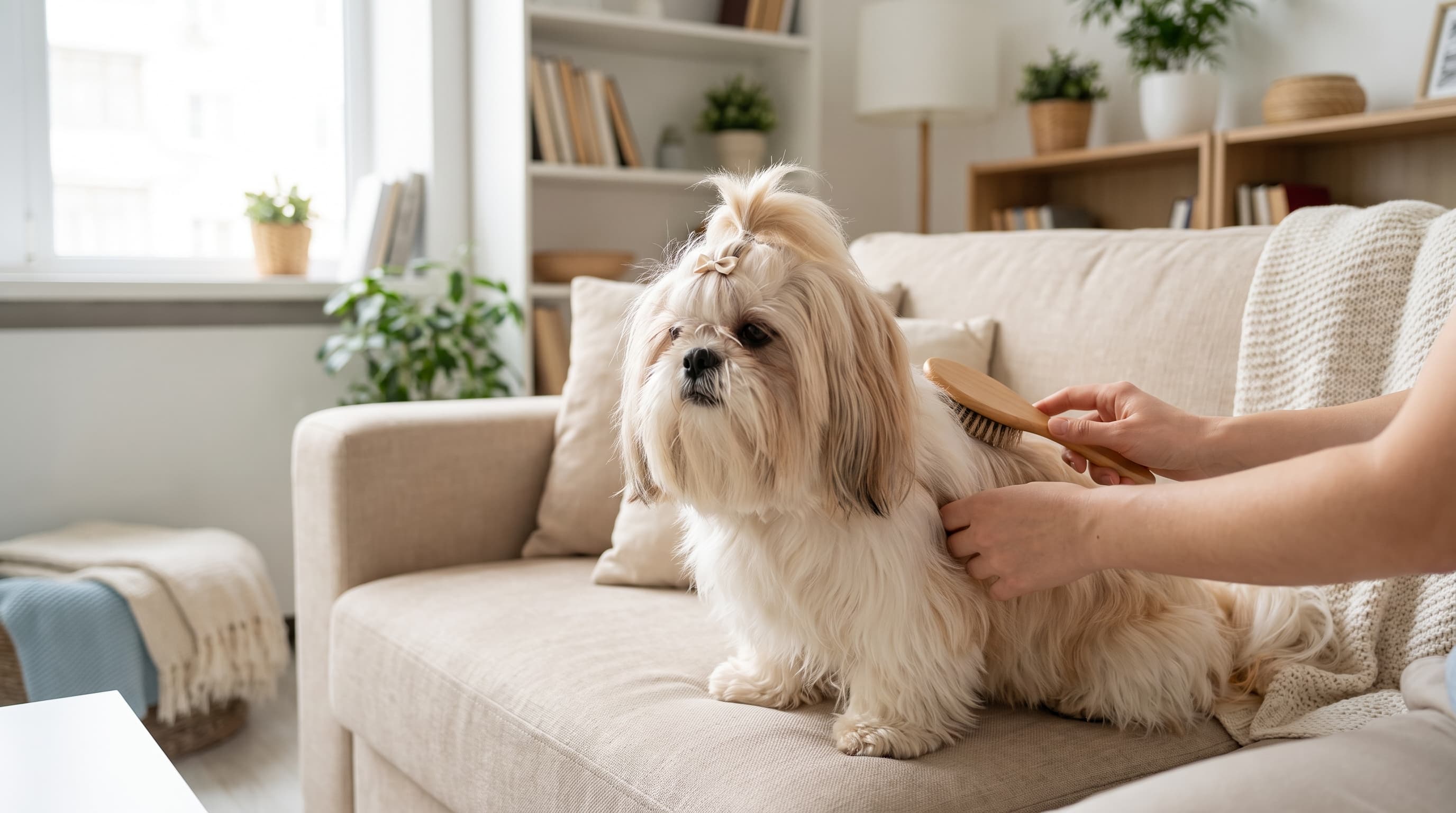
Yorkies do shed—just very little. Because their hair grows in a long cycle similar to human hair, individual strands stay attached far longer before falling out, and most loose hairs are caught in the coat rather than dropped on the couch. Owners who keep their Yorkie in a longer "show coat" will notice slightly more stray hairs than those who opt for a short "puppy cut," simply because there is more hair to manage. If you want to compare, our guide to whether Shih Tzus shed covers another popular low-shedding small breed.
How to Reduce Allergens With a Yorkie at Home
Even a low-shedding breed benefits from an allergen-reduction routine. The following habits make the biggest difference:
- Bathe every 1–3 weeks. Regular baths with a gentle dog shampoo physically remove dander and saliva proteins from the coat and skin, a step that also keeps the Yorkie's skin and coat healthy, as noted in PetMD's Yorkshire Terrier care guide.
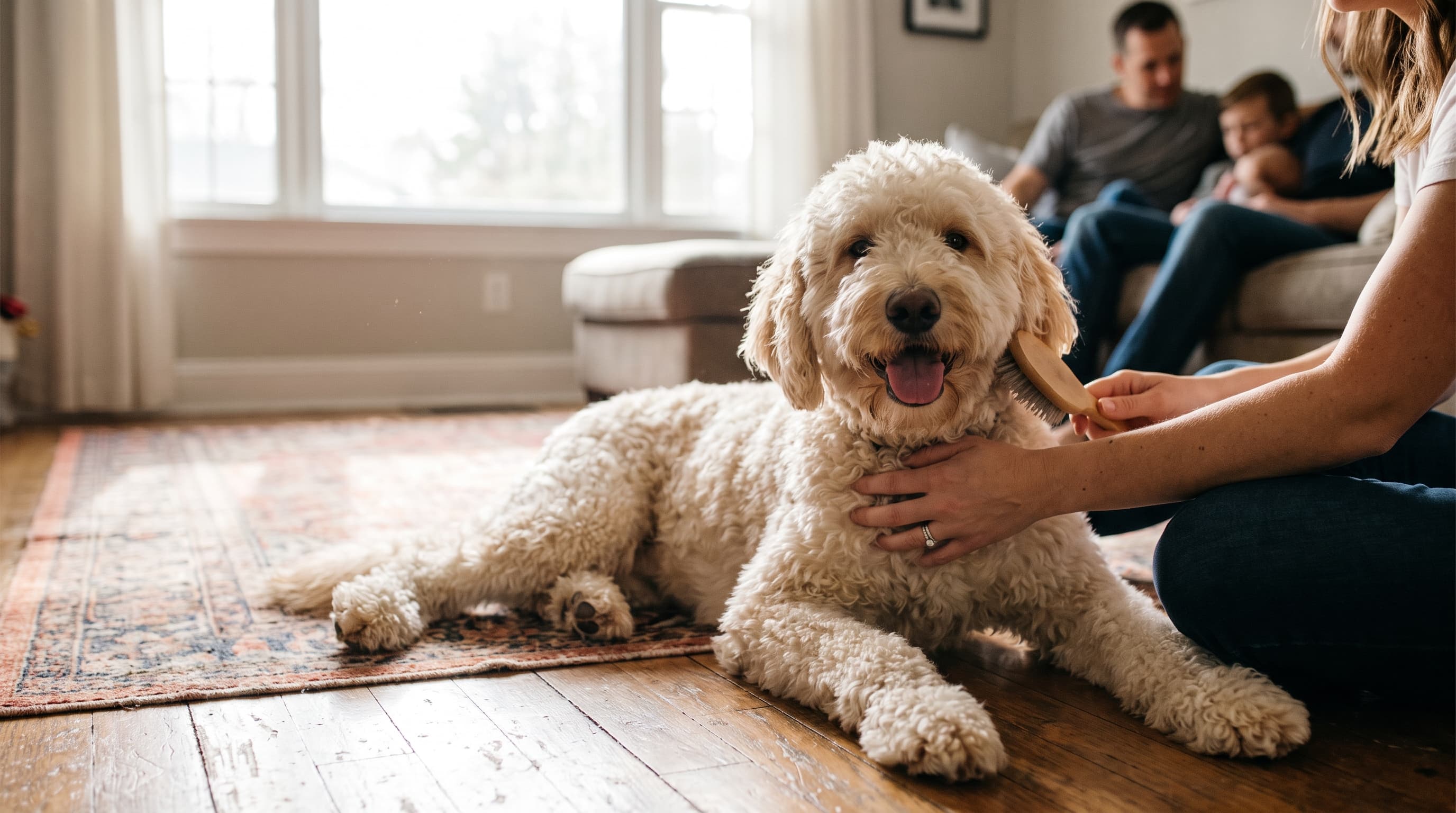
- Brush daily. Frequent brushing captures loose hair before it can spread. Brushing outdoors keeps allergens out of the house entirely.
- Use a HEPA air purifier in the rooms where you and your dog spend the most time.
- Vacuum often with a HEPA-filter vacuum, and wash your dog's bedding weekly in hot water.
- Keep the bedroom dog-free if your allergies are moderate to severe—an allergen-free sleep zone helps a lot.
Grooming a Yorkie is a lifelong commitment regardless of allergies, and some owners even use light apparel to keep the coat clean between grooms—see our take on whether Yorkies need to wear clothes.
How to Test Your Allergies Before Adopting
Because sensitivity varies so much from person to person, the smartest move is to test your reaction before you commit. Spend extended time—ideally several hours across multiple visits—with an adult Yorkie, not just a puppy. Puppies produce less dander than adults, so a brief cuddle with a pup can give a falsely reassuring result. Ask a breeder, shelter, or Yorkie-owning friend if you can visit repeatedly. An allergist can also perform skin or blood testing to gauge your specific sensitivity. If you're weighing small breeds for a compact home, our roundup of the best dogs for apartments is a helpful next read.
Yorkies vs. Other "Hypoallergenic" Small Dogs
Yorkies sit comfortably among the top low-shedding companions, alongside Poodles, Bichon Frises, Maltese, and Shih Tzus. Poodle mixes are often marketed as fully hypoallergenic, but coat type in mixed breeds is unpredictable—so a doodle is not automatically safer than a purebred Yorkie. If you love the Yorkie temperament but want to explore a crossbreed, the Yorkie-Poo (Yorkie × Poodle) pairs two low-shedding parents and is a popular pick for allergy-conscious families.
Frequently Asked Questions
Are Yorkies 100% hypoallergenic?
No. No dog breed is completely hypoallergenic. Yorkies produce fewer airborne allergens than most breeds thanks to their low-shedding, single-layer coat, but they still produce dander and saliva proteins that can trigger sensitive individuals.
Do Yorkies have hair or fur?
Yorkies have hair, not fur. Their coat grows continuously like human hair rather than cycling seasonally, which is a key reason they shed so little and are considered allergy-friendly.
Can I be allergic to a Yorkie?
Yes. People with dog allergies can react to any breed, including Yorkies. The severity depends on your individual sensitivity to canine proteins. Test your reaction with an adult Yorkie over several visits before adopting.
Does a puppy cut make a Yorkie more hypoallergenic?
A shorter coat doesn't change how much dander your Yorkie produces, but it can make grooming and bathing easier, which helps you keep allergens under control. The allergy benefit comes from the routine, not the haircut itself.
Which is more hypoallergenic, a Yorkie or a Poodle?
Both are considered excellent for allergy sufferers. Standard Poodles have a curlier, tightly-holding coat that many severe sufferers tolerate well, while Yorkies are smaller and lower-maintenance in size. Neither is allergen-free, so personal testing matters more than the breed comparison.
The Bottom Line
Yorkies are one of the better breed choices for people with mild to moderate dog allergies, thanks to a silky, low-shedding coat that keeps dander contained. But "hypoallergenic" is a relative term—there is no allergen-free dog. Test your own reaction with an adult Yorkie, commit to a consistent grooming and cleaning routine, and consult an allergist if your symptoms are significant. For more on the breed's personality, grooming, and care, read our complete Yorkshire Terrier breed guide and consider the Yorkie-Poo if you'd like a low-shedding crossbreed.
Love learning what makes each breed tick? Subscribe to the Daily Wag newsletter for breed guides, grooming tips, and dog-friendly finds delivered to your inbox.