Australian Retriever: Complete Guide to the Aussie–Golden Retriever Mix
The Australian Retriever is a designer crossbreed pairing the Australian Shepherd with the Golden Retriever, producing a medium-to-large, highly intelligent, and affectionate family dog. Expect a 40–75 pound companion standing 19–23 inches tall, with a wavy double coat, a friendly but loyal nature, a 12–15 year lifespan, and high energy that demands daily exercise and mental work. It blends the Aussie's herding smarts with the Golden's easygoing warmth.
This hybrid suits active households that want a trainable, devoted dog and can meet its considerable exercise and grooming needs. Below you'll find a full breakdown of the Australian Retriever's looks, temperament, health, training, and care — updated with current guidance from breed and veterinary sources.
What Is an Australian Retriever?
The Australian Retriever is a first-generation cross between two beloved working breeds: the herding-bred Australian Shepherd and the retrieving-bred Golden Retriever. It emerged with the designer-dog trend of the last few decades, aiming to combine the Aussie's agility and intelligence with the Golden's gentle, people-loving temperament.
As with any mix, puppies vary — some favor the Australian Shepherd's herding drive and merle coat possibilities, others the Golden's mellow sociability and golden hues. Studying both parents is the best predictor of what you'll get. Our Australian Shepherd guide and the Golden Retriever profile are worth reading alongside this one, and our Border Collie vs. Australian Shepherd comparison helps clarify the herding side.
Appearance, Size, and Coat
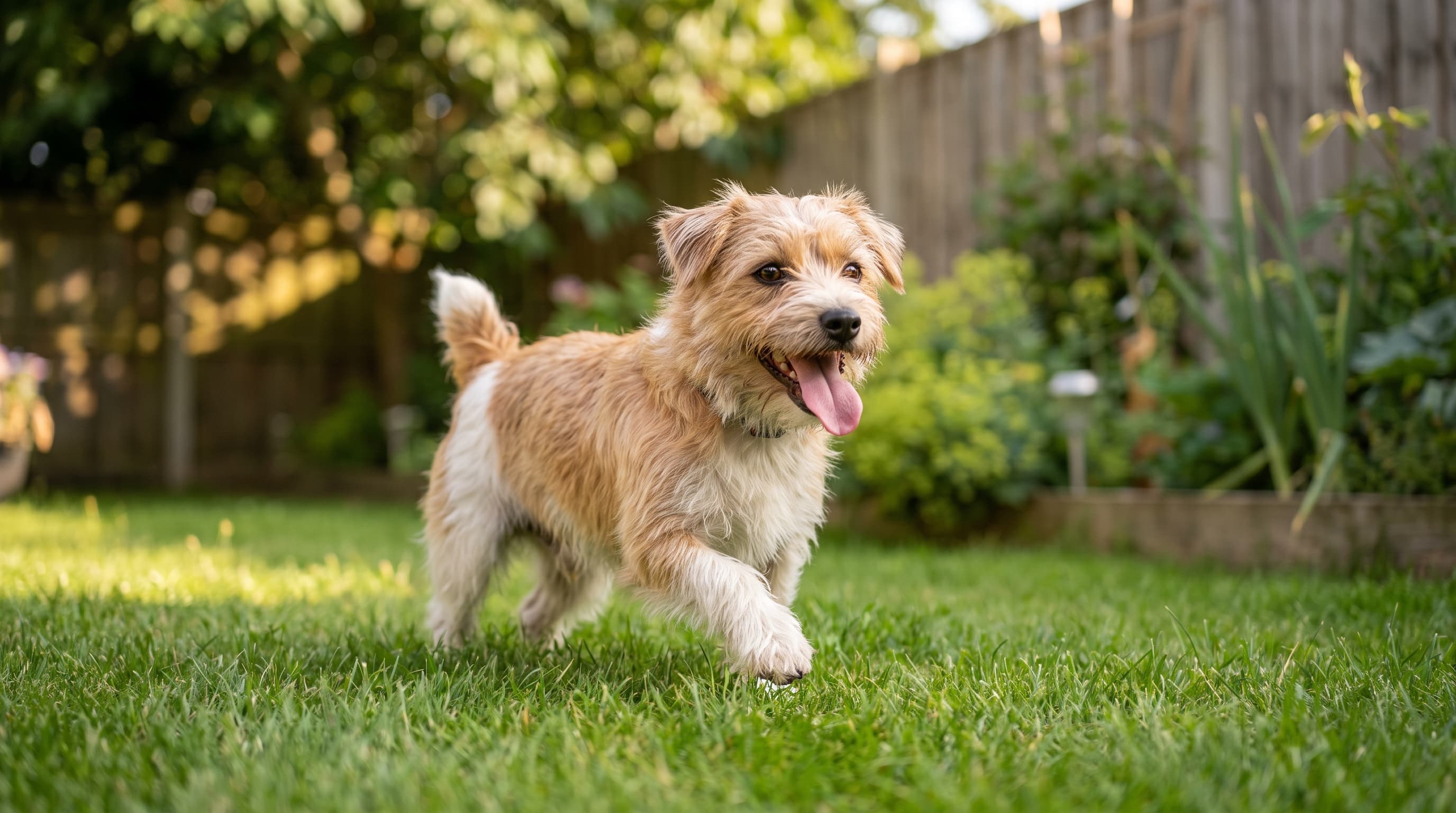
Australian Retrievers are medium-to-large dogs with an athletic, well-proportioned build. Most stand about 19–23 inches at the shoulder and weigh roughly 40–75 pounds, with males generally larger. They carry a broad head, expressive eyes (sometimes the striking blue or heterochromatic eyes of the Aussie side), and a medium-to-long double coat.
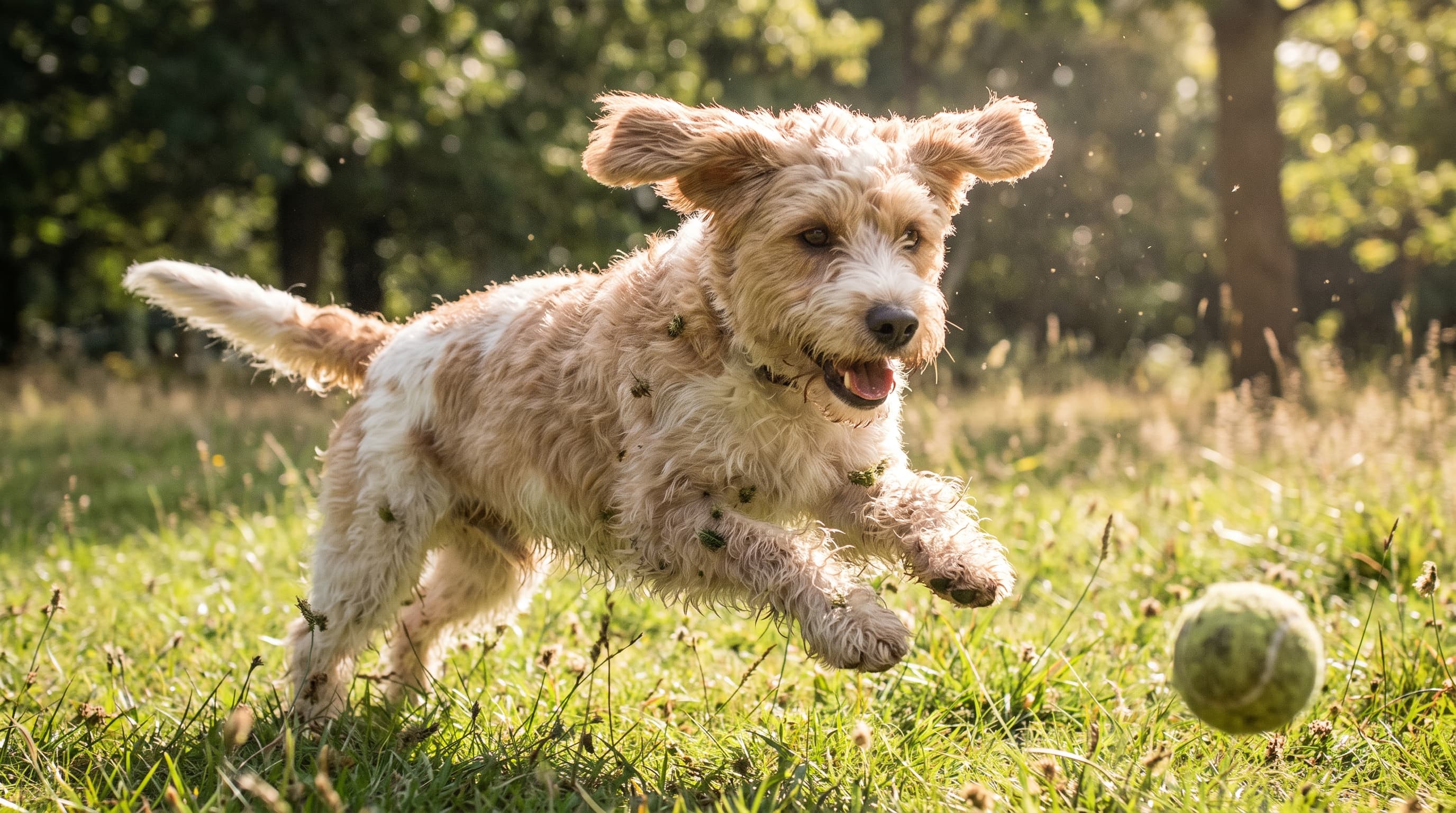
Coat colors range widely — black, brown, red, golden, cream, and multi-color or merle combinations, often with white or tan markings. The Golden Retriever contributes water-repellent density while the Australian Shepherd adds feathering and pattern variety. Either way, this is a double-coated dog that sheds year-round and "blows" its coat seasonally.
Temperament and Personality
The Australian Retriever is friendly, outgoing, loyal, and highly intelligent — a combination that makes it both a wonderful companion and a dog that needs a job. From the Golden it inherits warmth, patience, and sociability; from the Aussie, sharp intelligence, alertness, and a tendency to bond intensely and sometimes herd family members, especially children.
These dogs are typically affectionate with their families and good with children and other pets when socialized early, though they can be a little reserved with strangers. They thrive on companionship and do poorly when left alone for long stretches, which can lead to anxiety and destructive behavior. This is a "velcro" dog that wants to be part of everything you do.
Exercise and Mental Stimulation
With two working breeds in its lineage, the Australian Retriever has high energy and needs at least 60–90 minutes of daily exercise plus regular mental challenges. Long walks, running, hiking, swimming, fetch, and dog sports like agility or flyball all suit this athletic mix. Our roundup of the best dog hiking gear is handy if you plan to hit the trails together.
Mental work is just as important as physical exercise — this intelligent hybrid gets bored fast. Puzzle toys, training games, scent work, and tasks to complete keep the mind engaged. A bored Australian Retriever will invent its own entertainment, usually at the expense of your furniture. For quick energy-burning ideas, see our guide to getting your dog's energy out fast.
Training the Australian Retriever
Both parent breeds rank among the most trainable dogs, so the Australian Retriever is typically quick to learn and eager to please. Start socialization and basic obedience early to shape a confident, well-mannered adult. Reward-based, positive methods work best — this is a sensitive, smart dog that responds to praise, play, and treats far better than to heavy-handed correction.
Channel the herding instinct constructively so it doesn't turn into nipping at heels or chasing. Advanced obedience, trick training, and canine sports give this brainy dog the structure it craves. Early exposure to varied people, dogs, and environments pays off in a stable, adaptable temperament.
Health and Lifespan
The Australian Retriever generally lives about 12–15 years. Hybrid vigor can help, but the mix can still inherit conditions common to both parents, so choosing a breeder who health-tests both the Aussie and Golden lines is key. Conditions to watch include:
- Hip and elbow dysplasia — joint conditions common in both parent breeds. VCA Animal Hospitals explains hip dysplasia as a developmental deformity that can cause pain and arthritis.
- Eye disorders — including progressive retinal atrophy and cataracts from both sides.
- Cancer — Golden Retrievers have elevated rates of certain cancers, a risk the mix can share.
- Epilepsy and allergies — seen in both parent breeds.
- MDR1 drug sensitivity — an Australian Shepherd–linked gene variant that affects reactions to some medications; ask your vet about testing.
Veterinary disclaimer: This is general information, not medical advice. Discuss appropriate health screenings — hip and elbow evaluations, eye exams, and genetic testing including MDR1 — with your veterinarian, and keep up with routine wellness visits. Learn the signs your dog needs a vet visit so you can act early.
History of the Australian Retriever
Despite the "Australian" in its name, the Australian Shepherd was actually developed in the western United States, refined by ranchers to herd livestock — a European-rooted breed perfected in California. The Golden Retriever, by contrast, originated in the Scottish Highlands in the 1800s, bred to retrieve waterfowl for hunters. The Australian Retriever brings these two working histories together, and it's a relatively recent creation born of the designer-dog movement of the last few decades.
Crossing a herder with a retriever produces a dog wired to work with people — whether gathering a flock or fetching from the water, both parents were selected for biddability, focus, and a strong human bond. That heritage explains why the Australian Retriever is so trainable and so eager to be involved in family life. It also explains the energy: neither parent was bred to lounge, and the mix expects a genuine outlet for body and mind.
Cost and Where to Find One
As a crossbreed, the Australian Retriever isn't registered as a purebred, and prices typically fall in the $500–$1,200 range depending on the breeder, location, and whether the parents are health-tested. The most important factor isn't price but proof of screening — ask for hip, elbow, and eye clearances on both parents, plus MDR1 testing on the Aussie side. Rescues focused on Australian Shepherds, Golden Retrievers, or mixes are another great option, and adopting an adult lets you meet its grown-up temperament, size, and energy firsthand. Always meet the dog and, when possible, its parents before you commit.
Grooming and Feeding
That gorgeous double coat comes with real grooming commitment. Brush 3–4 times a week (daily during seasonal shedding) to control loose hair and prevent mats, especially in the feathering. Bathe as needed, keep nails trimmed, clean ears regularly to prevent infections in the floppy Golden-style ears, and stay on top of dental care.
Feed a high-quality diet formulated for the dog's size, age, and activity level, and measure portions to prevent obesity — extra weight strains those dysplasia-prone joints. Because this is an active dog, a food with adequate protein supports muscle; our guide to protein levels in dog kibble can help you choose.
Is the Australian Retriever Right for You?
This mix shines with active individuals or families who want an involved, trainable companion and have time for daily exercise, training, and grooming. It fits homes with space, ideally a securely fenced yard, and people who are around often. Reconsider if you work long hours away from home, prefer a low-energy or low-shedding dog, or can't commit to consistent activity and coat care. If you love the type but want lower shedding, our Aussiedoodle guide covers a poodle-crossed alternative.
Frequently Asked Questions
How big does an Australian Retriever get?
Most Australian Retrievers stand 19–23 inches tall and weigh 40–75 pounds at maturity, landing in the medium-to-large range. Size depends on which parent the dog favors and its sex.
Are Australian Retrievers good family dogs?
Yes. They're typically friendly, loyal, and good with children and other pets when socialized early. Their herding instinct means they may try to herd kids, so early training and supervision help. They bond closely and thrive on family involvement.
Do Australian Retrievers shed a lot?
Yes. As a double-coated mix of two shedding breeds, the Australian Retriever sheds year-round and heavily during seasonal coat changes. Plan on brushing several times a week and more during shedding season.
How much exercise does an Australian Retriever need?
At least 60–90 minutes of daily physical exercise plus mental stimulation. These are high-energy working-breed crosses that need running, hiking, fetch, or dog sports along with training games to stay balanced.
How long do Australian Retrievers live?
The typical lifespan is 12–15 years. Good nutrition, regular exercise, preventive veterinary care, and choosing a breeder who health-tests both parent breeds support a long, healthy life.
The Bottom Line
The Australian Retriever blends the Australian Shepherd's brilliant, agile mind with the Golden Retriever's sunny, loyal heart — an affectionate, trainable dog that rewards active owners willing to meet its exercise and grooming demands. Give it work, companionship, and consistent training, and you'll have a devoted family partner for well over a decade.
Deciding between designer mixes? Compare this hybrid with our Aussiedoodle guide and Golden Retriever profile to find your perfect fit — and subscribe to the Daily Wag newsletter for more breed guides, training tips, and dog-care advice delivered to your inbox.