
Can You Use Baby Wipes on Dogs? What Vets Want You to Know
It's best not to use baby wipes on dogs regularly. Dog skin is more alkaline than human skin, so wipes formulated for people can disrupt a dog's protective skin barrier and cause irritation over time. A single unscented, alcohol-free wipe in a pinch rarely harms a healthy dog, but pet-specific wipes are the safer everyday choice.
Why Baby Wipes Aren't Ideal for Dogs
The core issue is skin chemistry. Human skin is naturally acidic, while canine skin sits in a more neutral-to-alkaline range. Products balanced for our pH — including most baby wipes — don't match a dog's skin. As Beco's grooming guide explains, dog skin sits at roughly pH 6.2–7.4 compared with human skin's 4.5–5.5, and that mismatch can leave a dog's skin dry, itchy, or irritated over time.
There's a second concern: ingredients. Many baby wipes contain fragrances, preservatives, and small amounts of alcohol or other additives that are fine on human skin but not meant to be eaten. Dogs groom themselves and frequently lick their paws and coat, so anything you wipe on can end up ingested. A detailed pet-wipes guide from Cheeky Wipes and an overview from Eco Pea Co. both land in the same place: baby wipes are usually a "no" for regular canine use.
Are Baby Wipes Toxic to Dogs?
For most healthy dogs, a single occasional wipe with a plain, unscented, alcohol-free baby wipe won't cause poisoning or serious harm. The bigger risks are:
- Skin irritation from pH mismatch and fragrances, particularly with frequent use.
- Mild digestive upset if a dog licks off and swallows residue with certain preservatives or additives.
- Ingesting the wipe itself, which is a genuine hazard — a swallowed wipe can cause an intestinal blockage. Always keep the packet out of reach.
Scented, "flushable," or antibacterial wipes are the ones to avoid most, since they tend to carry more of the ingredients that irritate skin or upset stomachs.
One ingredient deserves special mention: some baby and household wipes contain small amounts of alcohols or essential oils. A few essential oils — like tea tree oil in higher concentrations — can be genuinely harmful to dogs. This is another reason "unscented and simple" is the rule if you ever reach for a human wipe, and why reading the ingredient label matters more than the "gentle" or "sensitive" marketing on the front of the pack. When in doubt, water on a soft cloth is the safest cleaner of all, because it has no additives to react to or lick off.
When a Baby Wipe Is Okay in a Pinch
Life happens — muddy paws before the car, a quick clean-up after a walk, a surprise mess. If a pet wipe isn't within reach, a single unscented, alcohol-free, fragrance-free baby wipe used occasionally on a healthy adult dog is generally low-risk. To keep it as safe as possible:
- Choose the plainest wipe you can find — no fragrance, no alcohol, no added lotions.
- Wipe the paws, body, or a dirty spot — never the eyes, inner ears, or genitals.
- Don't let your dog chew or lick the wipe.
- Dry the area afterward so moisture doesn't linger in skin folds.
- Skip it entirely for puppies, senior dogs, or any dog with skin conditions or allergies.
Better Alternatives to Baby Wipes
For routine clean-ups, reach for products made for dogs:
- Dog-specific grooming wipes, which are pH-balanced for canine skin and safe if licked.
- A damp cloth with warm water, perfect for muddy paws and quick spot-cleaning.
- A proper bath with dog shampoo when your pup is genuinely dirty — our guide to how often you should bathe your dog helps you find the right rhythm.
- A grooming routine that keeps the coat and paws clean between baths, as covered in our DIY dog grooming guide.
The American Kennel Club's bathing guidance is a reminder that over-cleaning — with any product — can strip natural oils and dry out the skin, so gentle and occasional beats aggressive and frequent.
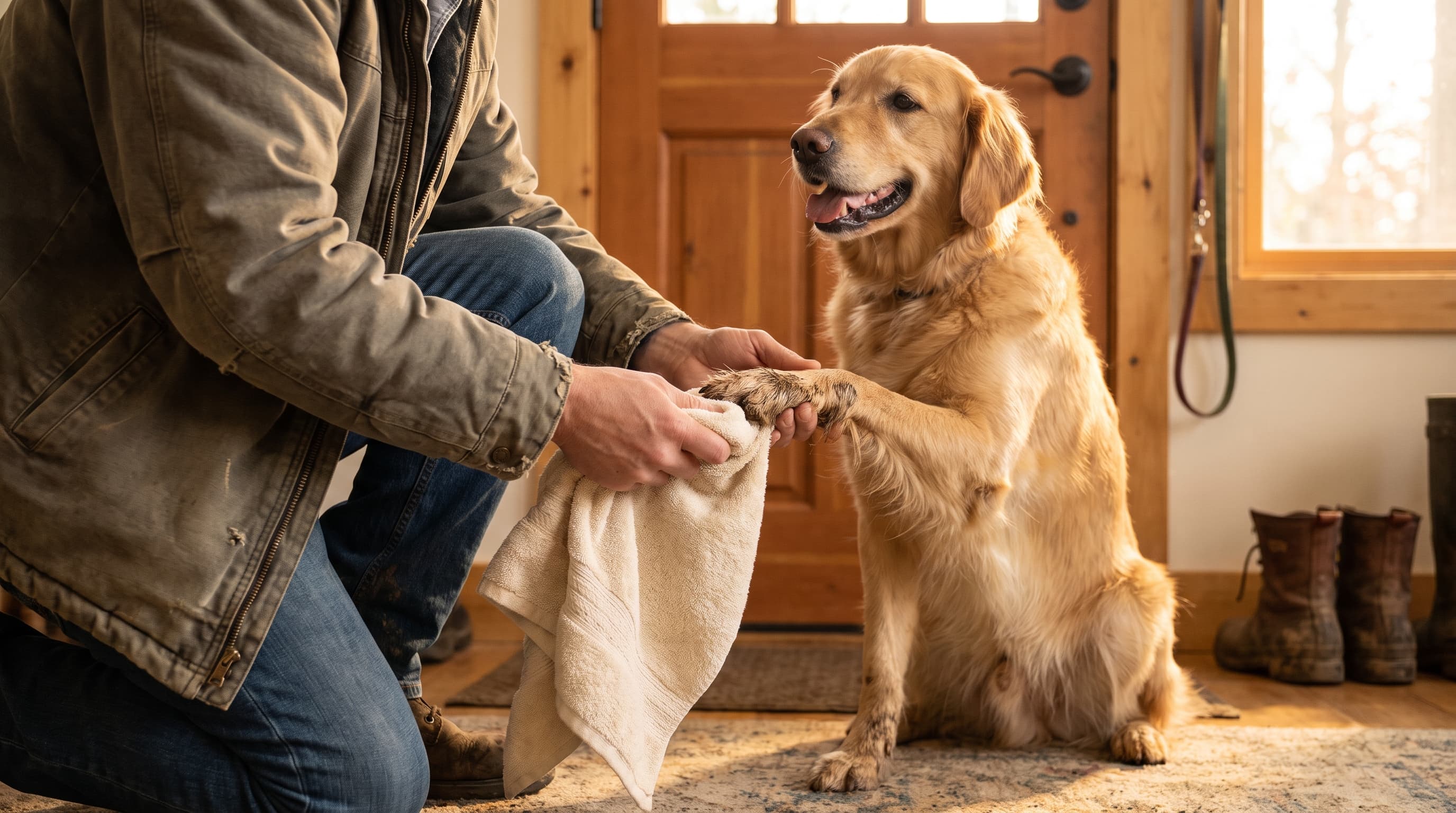
If cost is what's steering you toward baby wipes, consider a reusable option: a stack of soft microfiber cloths and a bowl of warm water handles the vast majority of muddy-paw situations for almost nothing, and there's nothing on them to irritate skin or worry about your dog licking. Keep a designated "paw towel" by the door, and you'll rarely need a disposable wipe at all — a simple habit that's gentler on your dog and your wallet.
Baby Wipes vs. Dog Wipes: The Key Differences
At a glance, baby wipes and dog wipes look nearly identical — a damp cloth in a plastic packet. Under the surface, they're formulated for two very different animals.
- pH balance: Dog wipes are formulated for canine skin's more neutral-to-alkaline pH, while baby wipes are tuned to acidic human skin.
- Fragrance and additives: Quality dog wipes minimize fragrances and harsh preservatives; many baby wipes include scents and lotions meant to smell pleasant on people.
- Ingestion safety: Dog wipes are designed with the assumption a dog will lick the area afterward. Baby wipes are not.
- Targeted formulas: You can buy dog wipes made specifically for paws, ears (vet-formulated), sensitive skin, or deodorizing — matched to the job.
The practical takeaway: if you clean your dog often, a container of dog-specific wipes costs about the same as baby wipes and removes the guesswork. Baby wipes are the backup, not the everyday tool.
How to Safely Clean Different Areas
Not every part of your dog should be treated the same way, and matching the method to the spot prevents most problems.
- Paws: The most common wipe-down zone. A damp cloth or dog paw wipe removes mud, salt, and allergens after a walk. Dry between the toes to prevent moisture buildup.
- Body and coat: Spot-clean dirt or drool with a dog wipe or damp cloth; save full washes for bath day.
- Face: Use only a damp cloth with plain water around the muzzle and under the eyes — never a chemical wipe near the eyes.
- Ears: Skip general wipes entirely. Use only a veterinarian-recommended ear cleaner, since the ear canal is delicate and easily irritated.
- Rear and genitals: Use dog-specific wipes designed for the job, gently, and stop if you notice any redness.
Caring for Your Dog's Skin and Paws
Wiping is only one small piece of skin health. Paws take a beating from hot pavement, salt, and rough terrain, so regular checks and gentle cleaning matter. If you notice flaking, redness, or persistent itching, that's a sign to slow down on wipes and look closer — the AKC's overview of dry skin on dogs walks through common causes and when it's time to act. For cracked or rough pads, our tips on how to cure dry dog paws and safe at-home dry-skin remedies for dogs are a good starting point.
When to Call Your Vet
Contact your veterinarian if your dog develops any of the following after being wiped, or if these appear on their own:
- Persistent redness, rash, or hair loss
- Constant licking, scratching, or biting at the skin
- Swelling, sores, or a foul odor
- Vomiting or diarrhea after grooming (possible ingestion)
- Signs your dog swallowed a wipe, such as gagging, straining, or loss of appetite
This article is general information, not veterinary advice. Skin problems have many causes, and only your veterinarian can diagnose and treat your individual dog — when in doubt, book a visit.
Frequently Asked Questions
Can I use baby wipes to clean my dog's paws?
Occasionally and with the plainest unscented, alcohol-free wipe, yes — but dog-specific paw wipes or a damp cloth are safer, especially since dogs lick their paws.
Are unscented baby wipes safe for dogs?
Unscented, alcohol-free baby wipes are the least risky option if you're out of pet wipes, but they still aren't pH-matched to dog skin and shouldn't be used routinely.
What can I use instead of dog wipes?
A warm, damp washcloth works well for most quick clean-ups. For frequent use, buy dog-formulated grooming wipes that are pH-balanced and safe if licked.
Can baby wipes make my dog sick?
A single wipe rarely causes illness, but frequent use can irritate the skin, and swallowing a wipe can cause a dangerous blockage. Keep wipes out of your dog's reach.
Can I use baby wipes on my puppy?
It's best not to. Puppies have delicate, developing skin and groom constantly. Use a damp cloth or a vet-approved puppy-safe wipe instead, and ask your vet if you're unsure.
The Bottom Line
Baby wipes aren't the right everyday tool for your dog. In an emergency, a plain unscented wipe on a healthy adult dog is usually fine, but for regular cleaning, choose pH-balanced dog wipes, a damp cloth, or a proper bath. When skin problems show up, your veterinarian is the one to guide treatment.
Want more vet-informed grooming and care tips? Subscribe to the Daily Wag newsletter for practical, easy-to-follow advice that keeps your dog clean, comfortable, and healthy.