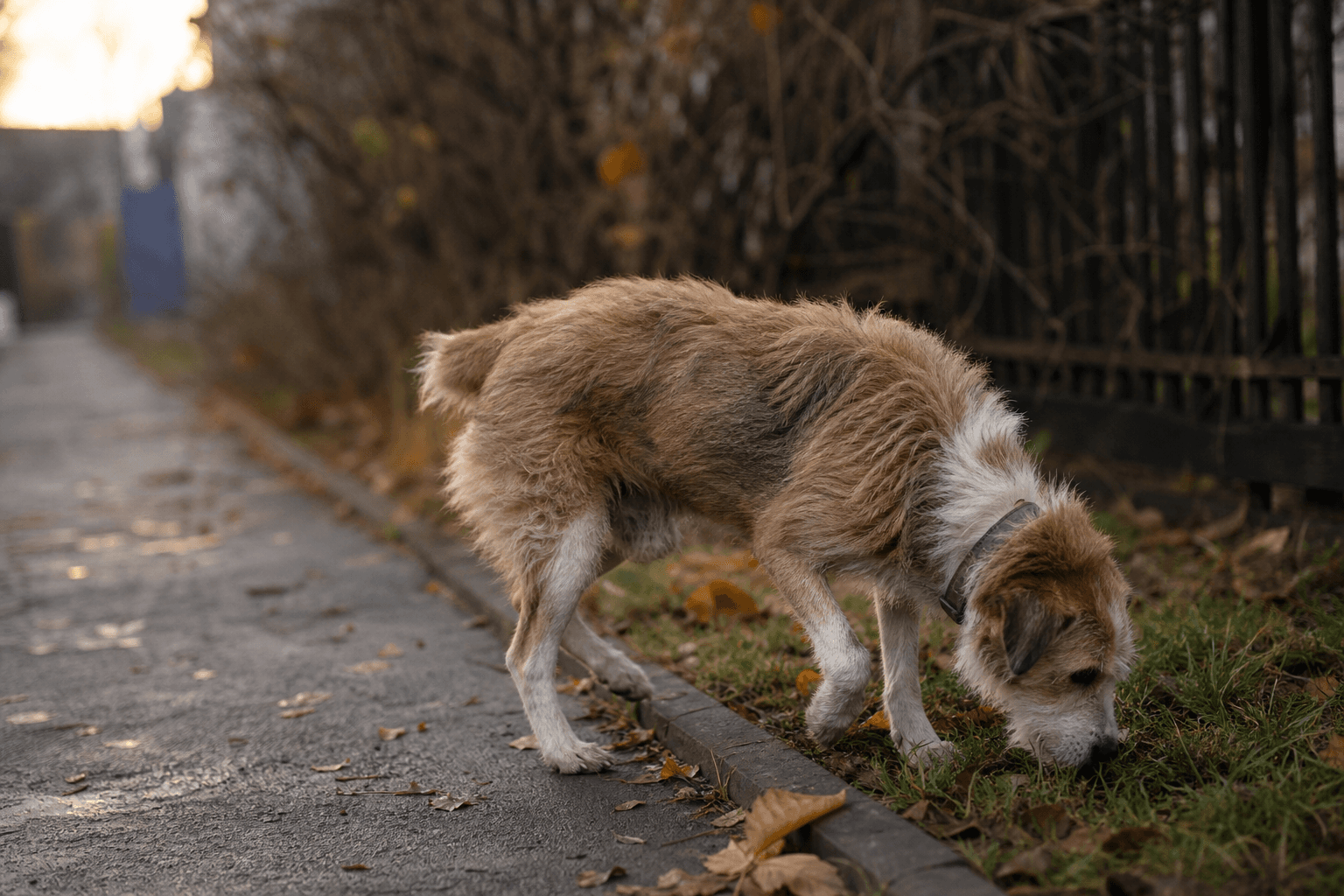
Walk through almost any park, hiking trail, or untended lot in May, and you'll likely brush past a clump of tall, wheat-like grass with a feathery, golden top. To a person, it's a weed. To a dog, it's a slow-moving emergency. Veterinarians from California to New England are starting to see the first wave of foxtail injuries of the year — punctures, abscesses, ear infections, and in the worst cases, seeds that have burrowed all the way into a dog's chest cavity.
Foxtail season has officially begun, and it runs through October in most of the country (and year-round in parts of California). For dog owners, the next six months are when one of the most underestimated outdoor hazards becomes a daily concern.
What Foxtails Actually Are
"Foxtail" is a catchall term for a handful of grasses that produce sharp, barbed seed heads called grass awns. The most common culprits are wild barley, cheatgrass, and Canada wild rye. According to veterinarian Dr. Melissa Boldan writing for PetMD, the seeds resemble "a tall grass with a bushy top" — and the bushy top is the problem. Each individual seed is tipped with microscopic barbs that act like a one-way ratchet: once they catch on fur, skin, or soft tissue, they can only move forward.
That mechanism is why a foxtail caught between two toes today can be lodged a quarter-inch under the skin tomorrow, and what makes them, in the words of the American Kennel Club, capable of "continuously moving forward, traveling inside the dog from the nose to the brain or into a lung."
Where Foxtails Grow (Hint: Almost Everywhere)
Many dog owners think of foxtails as a West Coast or rural problem. They're not. The plants thrive in nearly all 50 U.S. states, with the only consistent exceptions being Hawaii, Florida, Louisiana, Georgia, Virginia, and the Carolinas, according to Preventive Vet's clinical reference. Foxtails struggle in swampy, high-humidity climates but flourish anywhere that has a wet spring followed by a dry summer — which describes a huge swath of the country.
In California, where the climate is essentially custom-built for the plant, foxtails can be a year-round risk. The Fairfax Veterinary Clinic describes the cycle plainly: "Our wet fall and winter months pass into a dry summer, causing seed pods to dry out, break away, and find somewhere to dig into." That somewhere is, all too often, a dog. From late spring through early fall, every walk in or near tall grass carries some risk.
The Six Places Foxtails Cause the Most Damage
Veterinarians keep finding foxtails in the same handful of spots. If you live anywhere foxtails grow, the post-walk inspection should focus on these areas every single time.
1. Between the toes
This is the single most common foxtail injury. Dogs walk through grass, the seeds catch in the fur between their toe pads, and the barbs work their way down into the webbing. Owners typically notice excessive licking of one paw, a limp, or a swollen red bump that won't go away. Left alone, these become abscesses that often require sedation to surgically explore and flush.
2. The ears
Long, floppy ears are foxtail magnets. A seed that drops into an ear canal can wedge itself against the eardrum within hours. Look for sudden, intense head shaking, a head tilt to one side, or a dog that yelps when their ear is touched. WebMD's veterinary editors warn that dogs almost always need sedation to safely remove a foxtail this deep in the canal — owner attempts usually push it further in.
3. The nose
Sniffing is what dogs do, and a single deep inhale through tall grass can pull a seed up into the nasal passages. The classic sign is a dog that suddenly and violently sneezes — sometimes dozens of times in a row — often with bloody discharge from one nostril. Without intervention, the seed can travel further into the sinuses and the airway.
4. The eyes
A foxtail under an eyelid causes the eye to swell shut, water heavily, and become extremely painful. Owners often notice a dog squinting, pawing at the face, or producing thick yellowish discharge from one eye. Untreated, foxtails behind the eyelid can scratch the cornea or cause severe infection.
5. The mouth and throat
Dogs that chew on tall grass can get foxtails wedged into their gums, under the tongue, or in the back of the throat. Persistent gagging, coughing, drooling, or sudden bad breath in an otherwise healthy dog is a red flag.
6. The genitals and skin folds
Less obvious but still common. Foxtails can lodge in the prepuce, vulva, or any skin fold the seed comes into contact with. Excessive licking of those areas after a walk warrants a careful look.
When a Foxtail Goes Internal, the Stakes Change
The reason vets take foxtails so seriously isn't the surface injuries — it's what happens when a seed migrates. Because the barbs only point one direction, a foxtail that enters the body has no biological mechanism to come back out. It travels.
A retrospective study published in Veterinary Radiology & Ultrasound reviewed 22 dogs with spontaneous pneumothorax (collapsed lung) caused by inhaled grass awns. The researchers found that grass awns accounted for 5% of all spontaneous pneumothorax cases and 22.5% of thoracic grass awn cases overall. The perforation involved one of the caudal lung lobes in roughly 91% of the dogs studied. In real terms: dozens of dogs a year are showing up at emergency clinics with pierced lungs because of a single seed they breathed in on a walk.
Other documented migration paths are even more unsettling. Veterinarians have removed foxtails from dogs' brains, abdominal cavities, kidneys, and spinal columns. The seeds don't dissolve, the immune system can't break them down, and the only definitive treatment is surgical removal.
How to Spot a Problem Before It Gets Serious
Most foxtail injuries are caught early because the symptoms are dramatic and localized. Watch for:
- A dog that suddenly will not stop licking a single paw, ear, eye, or skin spot
- Violent, repeated sneezing, especially right after a walk
- Head shaking, ear-pawing, or a new head tilt
- Sudden squinting, eye discharge, or a swollen eyelid
- A persistent cough or labored breathing in the days after a walk through grass
- Lethargy, fever, or a foul-smelling discharge from any of the above sites — a sign infection has already set in
If you spot a foxtail still on the surface, you can try removing it with tweezers the same way you'd remove a tick. If the seed has already broken the skin, or if it's anywhere near an eye, ear canal, or nostril, skip the home attempt and call a vet. The procedure to retrieve a recently embedded foxtail is far simpler than the surgery to chase one that has migrated.
How to Protect Your Dog Through October
The most reliable prevention is environmental. The San Francisco SPCA recommends keeping dogs out of overgrown, unmaintained grassy areas during peak foxtail months, sticking to the middle of established trails, and mowing your own yard down regularly so seed heads never have a chance to mature.
For dogs that hike, hunt, or live in foxtail-heavy regions, gear is worth considering. Dog booties protect the paws, and mesh hood products like the OutFox Field Guard cover the entire face and ears — odd-looking, but highly effective for working and hunting dogs. After every outdoor outing, run your hands through every inch of your dog's coat: between toes, inside ears, around the muzzle, in armpits and groin folds, under the tail. A fine-toothed flea comb is faster than fingers for long-haired or thick-coated breeds.
Foxtails belong on the same seasonal-safety checklist as ticks and spring allergens. The difference is that foxtails are mechanical, not microbial — no preventative pill stops them. The only thing that does is a careful eye and a five-minute body check after every walk for the next six months.
At Sidewalk Dog, we're tracking the season's biggest hazards as they unfold so you don't have to. Subscribe to our weekly newsletter for the dog-owner news, science, and trail-safety updates that actually matter.