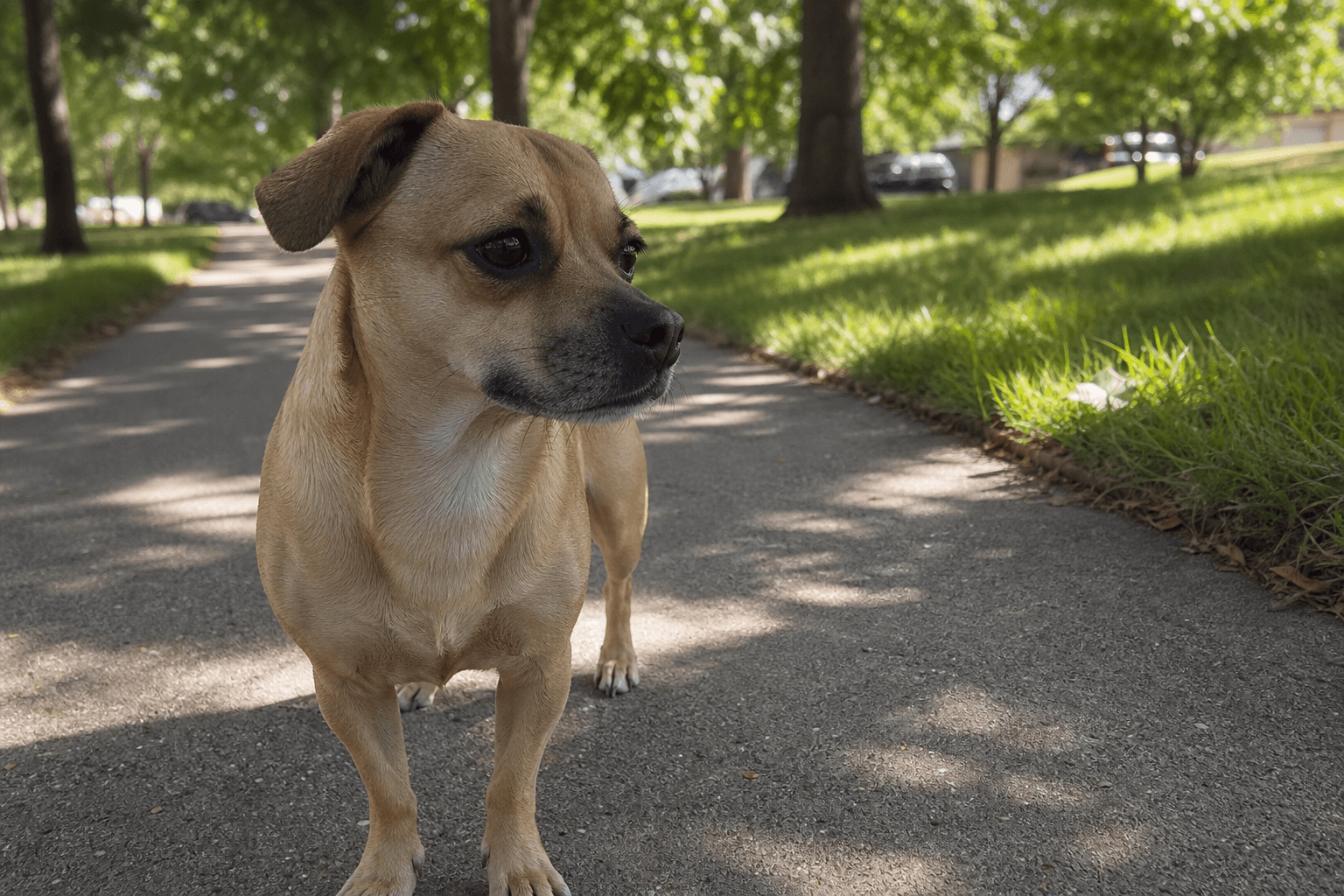

If you brought a puppy home during the lockdowns of 2020 or early 2021, take a look at your dog right now. The black around their muzzle may be threading with the first few silver hairs. They might sleep a little deeper, take the stairs a little slower, hesitate at the leap onto the couch they once cleared without thinking. Those quiet changes mean something specific — and a sweeping new study says most of us are choosing not to see them.
Researchers commissioned by Royal Canin surveyed 19,012 dog and cat owners across 18 countries and presented the findings at the Royal Canin Veterinary Symposium in May. Their central conclusion was uncomfortable: the dogs adopted during the pandemic boom are now hitting midlife — typically around age six or seven — and a striking share of their humans either don't realize what that means or have decided there's nothing to be done about it.
That's a problem, because midlife is the window where small interventions buy years of healthy life. Miss it, and you spend the back half of your dog's life managing diseases you could have delayed or avoided.
The pandemic puppy generation is now middle-aged
The numbers are bigger than most owners realize. The ASPCA estimated that roughly one in five American households — about 23 million homes — acquired a dog or cat after COVID arrived. Ninety percent of those dogs are still with their original families. Do the math on a 2020 or 2021 puppy and you land squarely in 2026's midlife cohort: a generation of dogs aging in lockstep.
"Midlife" sounds vague until you look at what's actually happening inside a six- or seven-year-old dog. According to the American Kennel Club, most dogs are considered senior between seven and nine years old — but large breeds get there at five or six, and giant breeds like mastiffs at six or seven. A Great Dane and a Yorkie age on completely different clocks. The pandemic puppy boom skewed heavily toward labs, goldens, doodles, and shepherds, which means a huge slice of that cohort is already inside the senior window — they just don't look like it yet.
What the global study actually found
The Royal Canin survey, conducted by Censuswide in March 2026, was less about veterinary care and more about a quieter problem: how owners feel about their pets growing old. The results were striking.
Thirty-eight percent of owners said they believed nothing can be done about aging. Fifty-five percent admitted they avoid thinking or talking about their pet's age because the topic is too sad. Forty-four percent only start paying attention to age-related issues after a health problem has already surfaced. Thirty-one percent push off action because their dog "seems fine." And a quarter of owners didn't realize that conditions like diabetes get more likely as a dog ages.
Those numbers paint a coherent picture. We adore these dogs — three-quarters of owners buy them birthday gifts, and 30 percent spend more on the dog's birthday than on their children's. But the adoration runs alongside an avoidance reflex. The same owners who would never skip their dog's monthly flea pill find it unbearable to think about the eventual end of the road, and so they don't think about the parts in between either.
Dr. Tanya Schoeman, a Royal Canin veterinary specialist, put it plainly in the symposium materials: aging "begins earlier than expected, often during midlife when pets still seem healthy." By the time something looks wrong, the window for the easiest interventions has often closed.
The concept the study wants you to learn: "healthspan"
The word the researchers kept returning to is healthspan — not lifespan. Lifespan is the total number of years your dog is alive. Healthspan is the number of those years spent feeling good, moving freely, and free of chronic disease. The two are not the same thing, and the gap between them is largely shaped during midlife.
This isn't a Royal Canin invention; it tracks with what the Dog Aging Project's research has been telling us for years. Body weight, daily exercise, dental care, and early disease detection consistently outperform almost anything else in the data. The dogs who stay vital into their teens are not the ones who got dramatic late-life rescue medicine — they're the ones whose owners paid attention earlier.
What changes in a midlife dog that you can actually see
A six- or seven-year-old dog rarely throws up red flags. The changes are subtle and easy to write off as personality:
- A half-step slower on walks — especially up hills, on stairs, or after the first ten minutes
- A longer recovery after play — the post-fetch nap stretches from one hour to three
- Slight weight creep — same food, same walks, but the waist is softening
- More water — refilling the bowl noticeably more often can signal early kidney or endocrine issues
- Mild stiffness on rising — the first few steps after a long sleep, then they shake it off
- Skipping the jump — onto the bed, the couch, into the car
- Cloudier eyes in certain light — often nuclear sclerosis (benign) but worth a baseline
None of these alone mean anything is wrong. Together, or over a few months, they're the body telling you the engine is asking for service.
The midlife checklist your vet wishes you'd ask about
The American Veterinary Medical Association recommends senior pets be seen at least every six months — not annually — specifically because chronic disease moves faster in older dogs and catching it early changes the outcome. For a midlife dog, the bare-minimum visit looks different from the puppy visits you're used to. Ask for:
- A complete blood count and chemistry panel — establishes a baseline for kidney, liver, and blood values you can track year over year
- Urinalysis — often catches kidney disease and diabetes earlier than blood work
- Thyroid (T4) screening — hypothyroidism in midlife dogs is common and easily missed
- Blood pressure — rarely done in younger dogs, increasingly important after six
- A dental assessment — periodontal disease is the most common chronic condition in adult dogs and it ages everything else
- An honest body condition score — most pet owners underestimate their dog's weight by a category
One more thing: bring a list of the subtle changes from the section above. The reason vets don't catch them is that owners don't mention them, because owners don't realize they count. They count.
Cost is real. So is the cost of waiting.
None of this is free. An estimated 75 million Americans have skipped a vet visit because of cost in the past year, and a full senior panel can run $200–$400 depending on where you live. The honest reframe: a $300 baseline at age six is cheaper than the $3,000 emergency workup at age nine, when the problem you could have caught early has now become the problem you have to treat aggressively. The pandemic puppy years bought us deep bonds with these dogs. The midlife years are where we earn the long ending.
What to do this week
If your dog is between five and eight, do three things in the next seven days. Book the next vet visit and specifically ask whether your dog is due for senior baseline bloodwork. Run your hands along their ribs and spine and honestly assess body condition — you should feel ribs with light pressure, not have to dig for them. And pay attention on the next three walks: are they keeping pace, or are you slowing for them without noticing?
The Royal Canin study isn't really a story about aging. It's a story about attention. The owners who get the most years of healthy life out of their dogs aren't doing anything heroic — they're just refusing to look away from the moment most of us are trained to flinch from.
At Sidewalk Dog, we write a lot about the things you can do with your dog. The hardest thing on the list is also the simplest: notice them, all the way through. Subscribe to our weekly newsletter for more on canine health, behavior research, and the small things that add up to a longer, better life with the dog at your feet.