
A Papillon puppy typically costs between $800 and $3,000 from a reputable breeder, with most pet-quality puppies landing around $1,000 to $1,800. Show-quality or champion-line dogs can exceed $3,000, while adopting a Papillon from a rescue usually runs $100 to $500. Beyond the purchase price, expect roughly $1,000 to $2,000 in first-year costs and $1,000 to $2,500 per year afterward for food, grooming, and routine vet care.
How Much Does a Papillon Cost?
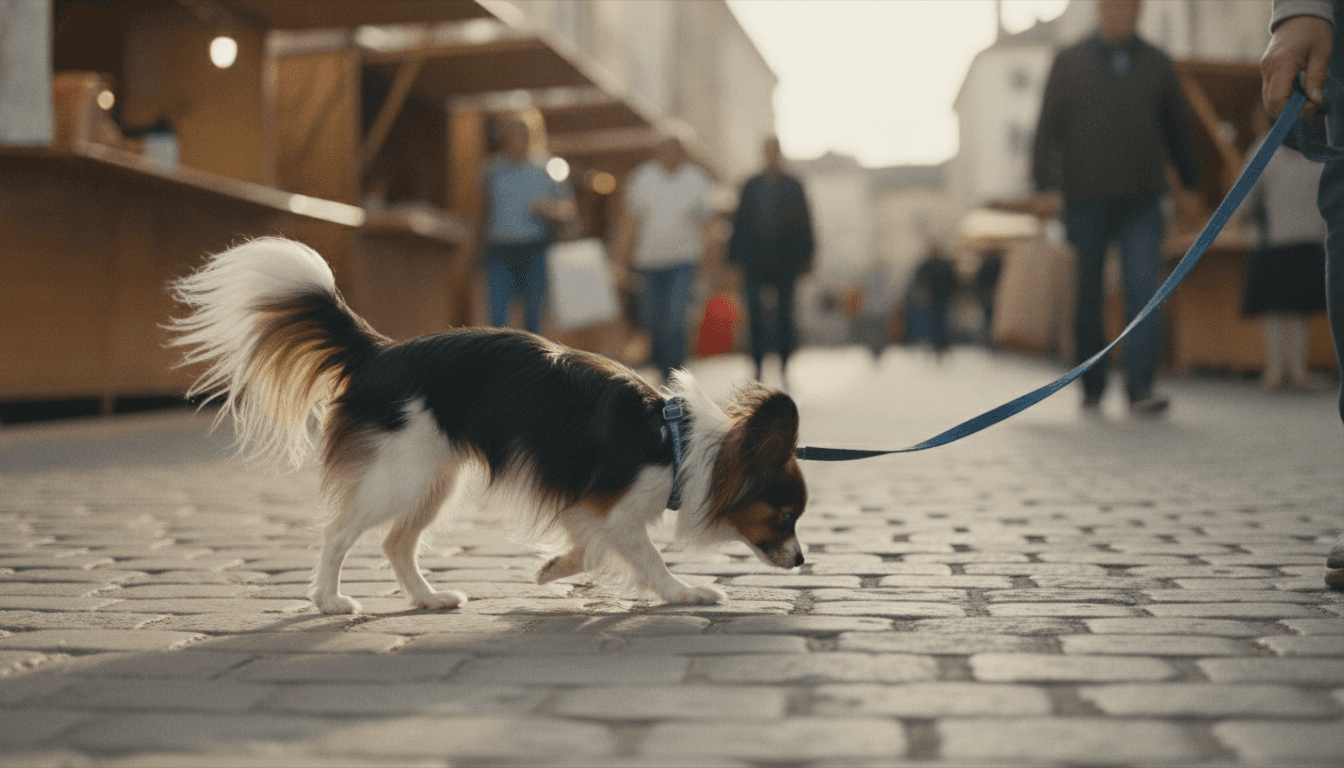
The Papillon — French for "butterfly," a nod to its distinctive winged ears — is a toy breed with a big personality and a price tag to match its pedigree. Exact costs vary widely depending on where you get your dog and the quality of the breeding. Here's the general landscape based on current market data from Spot Pet Insurance, Dogster, and Adopt a Pet:
- Reputable breeder (pet quality): $800–$1,800
- Reputable breeder (show/breeding quality): $2,000–$4,000+
- Rescue or shelter adoption: $100–$500
- Backyard breeder or online listing: often cheaper up front, but far riskier long-term
The American Kennel Club recognizes the Papillon as a toy dog of "singular beauty and upbeat athleticism," and that combination of elegance and trainability keeps demand — and prices — healthy.
What Affects the Price of a Papillon?
Two Papillon puppies from different litters can differ in price by thousands of dollars. The biggest factors include:
- Breeder reputation: Established breeders who health-test their dogs, register litters, and provide health guarantees charge more — and that premium buys peace of mind.
- Pedigree and lineage: Puppies from champion show lines command the highest prices.
- Coat color and markings: Symmetrical, richly colored markings and rarer color combinations can raise the price.
- Location: Prices tend to be higher in major metro areas and regions with limited breeders.
- Age: Young puppies cost the most; older dogs and retired breeding dogs are often placed for less.
- Health testing: Breeders who screen for patellar luxation, eye disease, and cardiac issues invest more in each litter, which is reflected in the price.
Papillon Adoption vs. Buying From a Breeder
Adoption is by far the most affordable route, typically $100 to $500 through a breed-specific rescue or shelter, and that fee usually covers spaying/neutering, vaccinations, and microchipping. The trade-off is availability: Papillons are less common in shelters than mixed breeds, so you may need patience and a willingness to travel.
Buying from a responsible breeder costs more but gives you a puppy with a known health history, early socialization, and breeder support for life. Whichever route you choose, the goal is the same: avoid puppy mills and impulse online purchases. A price that seems too good to be true often signals poor breeding conditions and higher vet bills down the road. If you're drawn to the Papillon's size and temperament, you might also love its designer crosses — our guides to the Chion (Chihuahua-Papillon mix) and the Corillon (Corgi-Papillon mix) show how those traits carry into mixes.
First-Year Costs of Owning a Papillon
The purchase price is just the beginning. Your first year with a Papillon includes a wave of one-time and recurring expenses:
- Initial vet visits and vaccinations: $150–$400
- Spay or neuter (if not included): $150–$500
- Microchipping: $25–$60
- Starter supplies (crate, bed, bowls, collar, leash, toys): $150–$350
- Food for the year: $150–$400 (toy breeds eat little)
- Grooming: $150–$400
- Training classes (optional but recommended): $100–$300
Altogether, plan for roughly $1,000 to $2,000 in first-year costs on top of the purchase price. Because Papillons are tiny, their food and medication costs stay low — a real budget advantage over larger breeds.
Ongoing Annual Costs
After year one, a healthy Papillon costs roughly $1,000 to $2,500 annually. That covers high-quality food, routine wellness exams, parasite prevention, grooming, and the occasional toy or treat. Two line items are worth planning for:
- Dental care: Toy breeds like the Papillon are prone to dental crowding and disease, so professional cleanings may be needed periodically.
- Weight management: A few extra ounces are a big deal on a 5-to-10-pound frame. Keeping your Papillon lean protects its joints and heart — VCA Animal Hospitals notes that obesity is a leading preventable health problem in dogs.
Pet insurance for a small breed typically runs $20 to $50 a month and can offset the cost of unexpected illness or injury. Over a Papillon's long 14-to-16-year lifespan, lifetime ownership costs commonly land in the $10,000 to $18,000 range.
Is a Papillon Worth the Price?
For the right home, absolutely. Papillons are intelligent, highly trainable, and surprisingly athletic for their size — they consistently excel in agility and obedience. They're affectionate companions that adapt beautifully to apartment living, making them a favorite among city dwellers and first-time small-dog owners. If you're weighing breeds for a smaller space, our roundup of the best dogs for apartments puts the Papillon in context alongside other compact companions, and our Chihuahua breed guide is a useful comparison if you're deciding between toy breeds.
Their needs are modest but real: daily play and mental stimulation, regular grooming of their silky coat, dental attention, and gentle handling given their delicate frame. Meet those, and a Papillon repays the investment with more than a decade of loyal, joyful company.
How to Save Money on a Papillon
- Consider adoption first: Breed-specific rescues place Papillons of all ages for a fraction of breeder prices.
- Adopt an adult: Older dogs cost less and are often already trained and socialized.
- Budget for prevention: Routine dental care and weight management prevent expensive problems later.
- Buy quality food, not premium marketing: A complete, balanced diet matters more than a fancy label.
- Learn basic grooming: Brushing at home between professional visits keeps costs down.
Frequently Asked Questions
How much is a Papillon puppy?
Most Papillon puppies from reputable breeders cost $800 to $1,800, though show-quality dogs from champion lines can exceed $3,000. Rescue adoption typically runs $100 to $500.
Why are Papillons so expensive?
Papillons are a specialized toy breed with relatively small litters, and responsible breeders invest in health testing, registration, and early socialization — all of which raise the price.
Are Papillons expensive to care for?
Compared with large breeds, no. Their tiny size keeps food and medication costs low. The main ongoing expenses are grooming, dental care, and routine vet visits.
Do Papillons have a lot of health problems?
Papillons are generally healthy and long-lived, but the breed can be prone to patellar luxation, dental issues, and certain eye conditions. Buying from a breeder who health-tests reduces the risk.
How long do Papillons live?
Papillons are a long-lived breed, typically enjoying 14 to 16 years, which means a lower annual cost spread over a longer companionship.
The Bottom Line
A Papillon is a moderate up-front investment — usually $800 to $3,000 to buy, or $100 to $500 to adopt — followed by manageable ongoing costs thanks to the breed's small size. Whether you adopt or buy, prioritize health and ethics over the lowest price. Do that, and you'll gain a bright, butterfly-eared companion for well over a decade.
Choosing your next companion? Compare the Papillon with its popular mixes in our guides to the Chion and the Corillon, and subscribe to the Daily Wag newsletter for breed profiles and cost breakdowns every week.