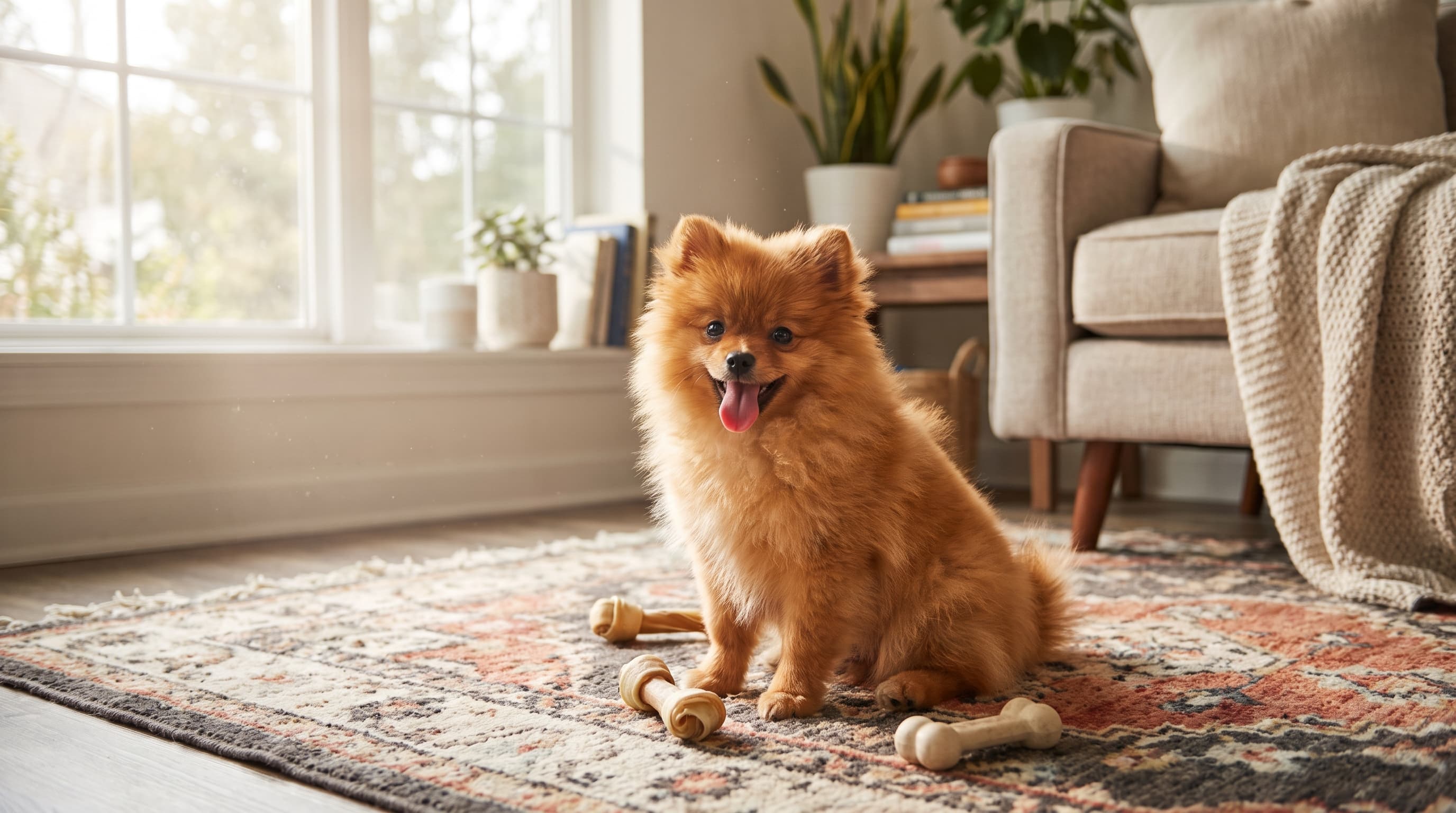

A Pomeranian typically costs between $1,500 and $3,000 from a reputable breeder, though pet-quality pups can start near $1,000 and show-quality or championship-lineage puppies can climb to $6,000–$10,000. Adopting a Pomeranian from a rescue is far cheaper, usually $100 to $500. Where your dog lands depends on breeder, pedigree, color, size, and location.
Pomeranians are one of the most popular toy breeds in America — the American Kennel Club calls this fox-faced fluffball an ideal companion long favored by royals and everyday families alike. But their small size doesn't mean a small price tag, and the sticker cost is only the beginning. This guide breaks down what a Pomeranian actually costs to buy, why prices swing so widely, and what you'll spend keeping one happy for the next 12 to 16 years.
How Much Is a Pomeranian? The Price Breakdown
Purchase price varies mostly by where you get your dog:
- Reputable breeders: Most charge $1,500–$3,000 for a pet-quality Pomeranian, according to Spot Pet Insurance. Prices reflect health testing, vaccinations, and early socialization.
- Show or breeding quality: Puppies with championship bloodlines and breed-standard conformation can run $6,000 to $10,000, as Pomeranian HQ notes.
- Adoption and rescue: Breed-specific rescues and shelters typically charge $100–$500, which often includes spay/neuter and initial vaccinations.
- Backyard breeders and online listings: Sometimes cheaper, but the savings usually vanish in vet bills from poorly bred, under-socialized, or unhealthy puppies.
As a rule of thumb, a suspiciously low price is a red flag, not a bargain. Reputable breeders invest in genetic screening and neonatal care, and that shows up in both the price and the puppy's long-term health.
What Makes Pomeranian Prices Vary So Much?
Two Pomeranian puppies from different litters can differ by thousands of dollars. The biggest drivers are:
- Bloodline and pedigree: Puppies from titled, show-winning parents cost the most.
- Coat color: Standard orange and sable Poms are the most affordable, while rarer colors like true black, blue, lavender, and merle command premiums.
- Size: Very small "teacup" Poms are often marketed at higher prices (more on that below).
- Age: Young puppies cost more than adults or retired breeding dogs, who are sometimes rehomed at a fraction of the price.
- Location and demand: Prices trend higher in major metro areas and wherever demand outstrips local litters.
Curious how a Pomeranian's price compares to other popular pups? Our library of breed cost guides — from the Maltese to the Papillon — shows how toy breeds stack up.
Teacup and Rare-Color Pomeranians: Why They Cost More
"Teacup Pomeranian" is a marketing term, not a recognized size or breed — it simply describes an unusually small Pom, and these dogs are often advertised at premium prices. It pays to be cautious here. Deliberately breeding for extreme smallness can increase the risk of fragile bones, dental crowding, low blood sugar, and other health problems. A responsible breeder prices for health and temperament, not for a novelty size. The same caution applies to ultra-rare colors: pay for a well-bred dog, not just an unusual coat. If you love the fluff, learn more about grooming and shedding in our guide to whether Pomeranians shed.
The Real Cost of Owning a Pomeranian
The purchase price is a one-time number; ownership is a recurring one. Dogster estimates monthly costs of roughly $200 to nearly $950 depending on your choices, and Canine Journal puts typical average prices in a similar range. Recurring expenses include:
- Food and treats: Small, but quality matters for a toy breed.
- Grooming: That double coat needs regular brushing, and many owners budget for professional grooming.
- Routine veterinary care: Annual exams, vaccines, and parasite prevention.
- Dental care: Small breeds are prone to dental disease, so cleanings add up over a lifetime.
- Pet insurance or an emergency fund: A cushion for the unexpected.
- Supplies: Bed, harness, crate, toys, and grooming tools.
Over a Pomeranian's long life, total lifetime costs commonly reach the tens of thousands of dollars. For strategies to keep those numbers manageable, see our take on the rising cost of pet ownership.
Pomeranian Price by Region
Geography matters more than many buyers expect. In major coastal metros — think New York, Los Angeles, San Francisco, and Boston — high demand and higher breeder overhead push Pomeranian prices toward the upper end of the range. In the Midwest and parts of the South, the same quality of puppy often costs noticeably less. Waitlists also affect price: an in-demand breeder with a strong reputation can charge a premium simply because families are willing to wait a year for one of their puppies. If you're flexible on location and color, widening your search beyond your immediate area can save hundreds of dollars — just factor in the cost and stress of safe ground transport, and never accept a "puppy will be shipped after payment" arrangement from a seller you can't verify.
Budgeting for Your First Year With a Pomeranian
The first 12 months are the most expensive stretch of ownership after the purchase price, because you're buying gear and front-loading medical care all at once. A realistic first-year budget usually includes:
- Initial supplies: Crate, harness and leash, a soft bed, food and water bowls, toys, and grooming tools like a slicker brush and nail clippers.
- Puppy vaccinations and vet visits: A series of core vaccines, a wellness exam or two, and parasite prevention.
- Spay or neuter: If your puppy isn't already altered.
- Microchipping and licensing: Small one-time costs that vary by city.
- Training: A basic obedience or puppy-socialization class pays dividends for years.
- First grooming appointments: Establishing a coat-care routine early.
Setting this money aside before you bring your Pom home keeps the excitement of a new puppy from turning into financial stress, and it means you're never tempted to skip preventive care to save a few dollars.
How to Buy a Pomeranian Without Overpaying (or Getting Scammed)
Getting a healthy Pomeranian at a fair price is mostly about vetting the source. Ask to see health clearances for the parents, meet the puppy in person or over a live video call, and walk away from anyone who won't let you visit or who pressures you to wire a deposit for a "shipping-only" puppy. Reputable breeders will ask you plenty of questions too — a sign they care where their pups end up. And don't overlook breed-specific rescues: adopting an adult Pomeranian can be a wonderful, budget-friendly path to the same devoted companion.
Is a Pomeranian Worth the Price?
For the right home, yes. Pomeranians are affectionate, alert, portable, and endlessly entertaining, and they thrive in apartments and houses alike. But they're a long-term financial and time commitment: grooming, dental care, and training all matter. If you can budget for the lifetime cost — not just the purchase price — a well-bred or well-adopted Pom can be one of the most rewarding companions you'll ever have. Wondering if the coat will trigger allergies? Read our guide on whether Pomeranians are hypoallergenic before you commit.
Frequently Asked Questions
How much is a Pomeranian puppy on average?
Most pet-quality Pomeranian puppies from reputable breeders cost $1,500 to $3,000. Show-quality puppies with championship lineage can reach $6,000–$10,000, while adoption fees usually fall between $100 and $500.
Why are teacup Pomeranians so expensive?
"Teacup" isn't an official size — it's a marketing label for very small Poms, which are often priced at a premium. Breeding for extreme smallness can raise health risks, so prioritize a healthy, well-bred dog over an unusually tiny one.
What is the cheapest way to get a Pomeranian?
Adoption through a shelter or breed-specific rescue is the most affordable route, typically $100–$500, and the fee often covers spay/neuter and initial vaccines. Adopting an adult or senior Pom is especially cost-friendly.
Do Pomeranians cost a lot to maintain?
They can. Grooming a double coat, small-breed dental care, quality food, and routine vet visits add up to roughly $200–$950 a month depending on your choices, and lifetime costs often reach the tens of thousands.
Does coat color affect a Pomeranian's price?
Yes. Standard orange and sable Poms are usually the most affordable, while rarer colors such as true black, blue, lavender, and merle typically command higher prices.
Are Pomeranians more expensive than other small dogs?
They sit in the mid-to-upper range for toy breeds. A Pomeranian's purchase price is broadly comparable to a Maltese or Papillon and can run higher than a Chihuahua, largely because of coat, size marketing, and demand. As with any small breed, grooming and dental care are the ownership costs that tend to surprise first-time buyers.
Why do reputable breeders charge more?
Responsible breeders invest in genetic health testing of the parents, veterinary care for the litter, quality nutrition, and early socialization. Those costs are built into the price, and they meaningfully reduce your risk of expensive health and behavior problems down the road — which is why the cheapest puppy is rarely the least expensive one over a lifetime.
Thinking about adding a Pomeranian to your family? Get more honest breed cost breakdowns, care tips, and buying advice by subscribing to the Daily Wag newsletter — practical dog guidance in your inbox, every day.