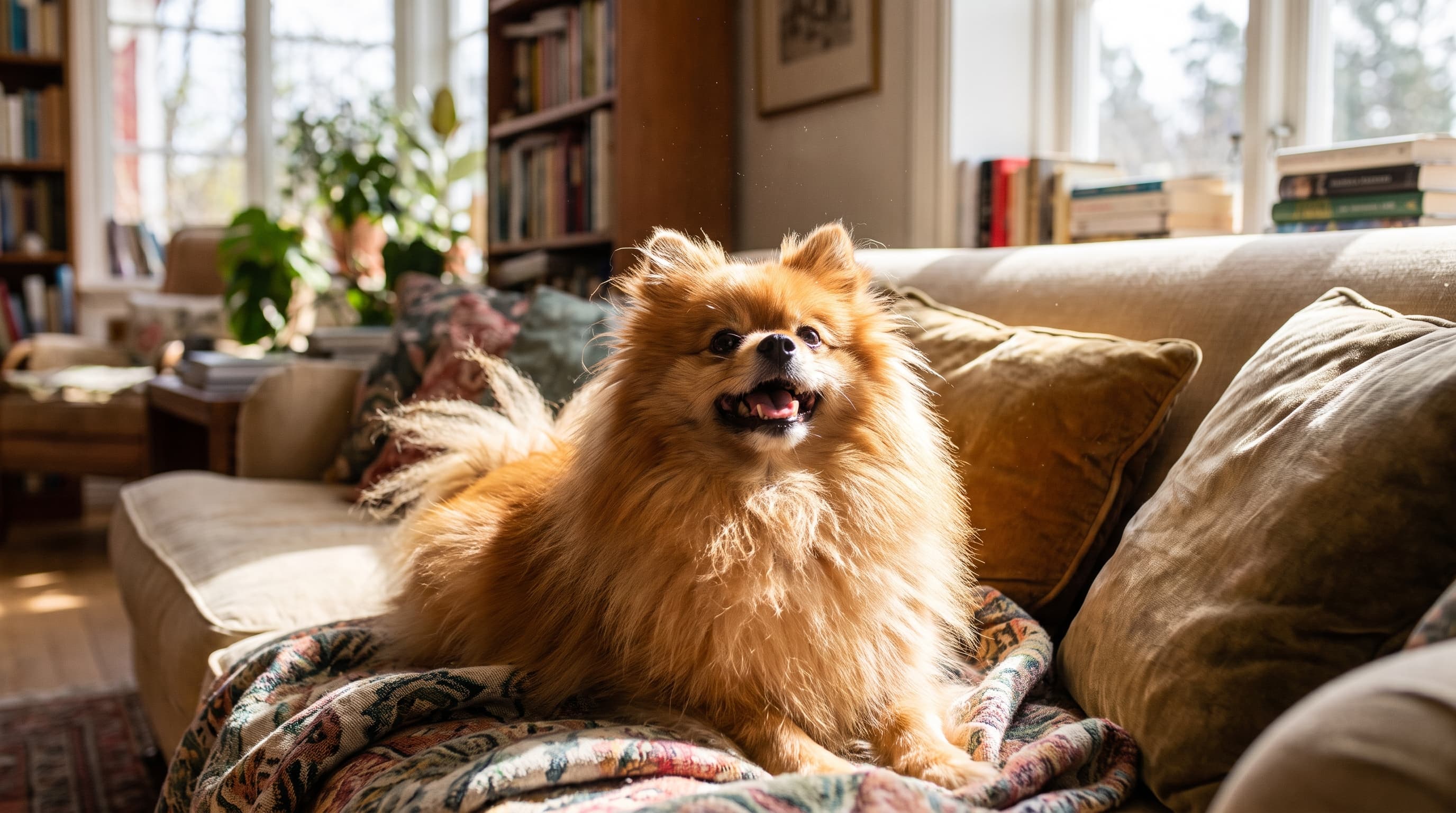

No, Pomeranians are not hypoallergenic. Their thick double coat sheds year-round and spreads the dander, saliva, and skin-protein allergens that actually trigger reactions. No dog breed is truly hypoallergenic, but with consistent grooming, cleaning, and a few smart household habits, some allergy sufferers can still live comfortably with a Pom.
Are Pomeranians Hypoallergenic? The Honest Answer
Because Pomeranians are small and their fluff looks more like a cloud than a shedding machine, people often assume they are a safe pick for allergy-prone homes. Unfortunately, the experts disagree. Both Dogster's vet-reviewed guide and A-Z Animals agree that Pomeranians are not considered hypoallergenic. Their luxurious double coat sheds consistently and carries allergens throughout the home.
That said, "not hypoallergenic" is not the same as "impossible." Allergies are deeply individual, and some people react far more to one dog than another. If you have your heart set on a Pom, it pays to understand exactly what causes the reaction so you can manage it head-on.
What "Hypoallergenic" Really Means (and Why No Dog Qualifies)
Here is the myth-buster most people miss: you are not actually allergic to dog hair. According to the Asthma and Allergy Foundation of America, the real culprits are proteins found in a dog's dander (dead skin flakes), saliva, and urine. As the AAFA bluntly puts it, "a truly non-allergic dog or cat does not exist."
The American Kennel Club echoes this. Even on its own list of hypoallergenic breeds, the AKC clarifies that "there are no 100% hypoallergenic dogs," only breeds that tend to produce less dander because they shed less. Hair matters only because it acts as a delivery vehicle — loose fur carries dander and dried saliva into the air and onto your furniture. A breed that sheds heavily, like the Pomeranian, simply spreads more of those allergen-loaded particles around.
Why Pomeranians Trigger Allergies: The Double Coat
The Pomeranian's signature look comes from a double coat: a dense, soft undercoat beneath a longer, coarser outer coat of guard hairs. That plush undercoat is exactly what makes the breed a challenge for allergy sufferers. Double-coated dogs shed the undercoat continuously and then "blow" it in larger volumes, usually twice a year with the changing seasons.
Every one of those released hairs can carry dander and saliva proteins. Because a Pom spends a lot of time self-grooming, dried saliva ends up coating the fur, and when that fur lands on your couch, carpet, or clothing, the allergens come along for the ride. The AKC breed profile highlights the glorious coat as a defining trait — wonderful for admirers, tougher for sneezers.
Do Pomeranians Shed a Lot?
Yes. Pomeranians are moderate-to-heavy shedders for their size. You can expect steady daily shedding plus two bigger seasonal coat blows a year, typically in spring and fall. Puppies also go through a dramatic transition called the "puppy uglies," when they shed their fluffy puppy coat before the adult coat grows in.
If you want the full picture of what to expect on your floors and furniture, our deep dive on whether Pomeranians shed breaks down the shedding cycle and the grooming routine that keeps it under control. For allergy management, the takeaway is simple: more shedding means more airborne allergens, so shedding control is allergy control.
Living With a Pomeranian When You Have Allergies
If your reactions are mild and you are committed to the breed, these strategies can meaningfully reduce your allergen exposure:
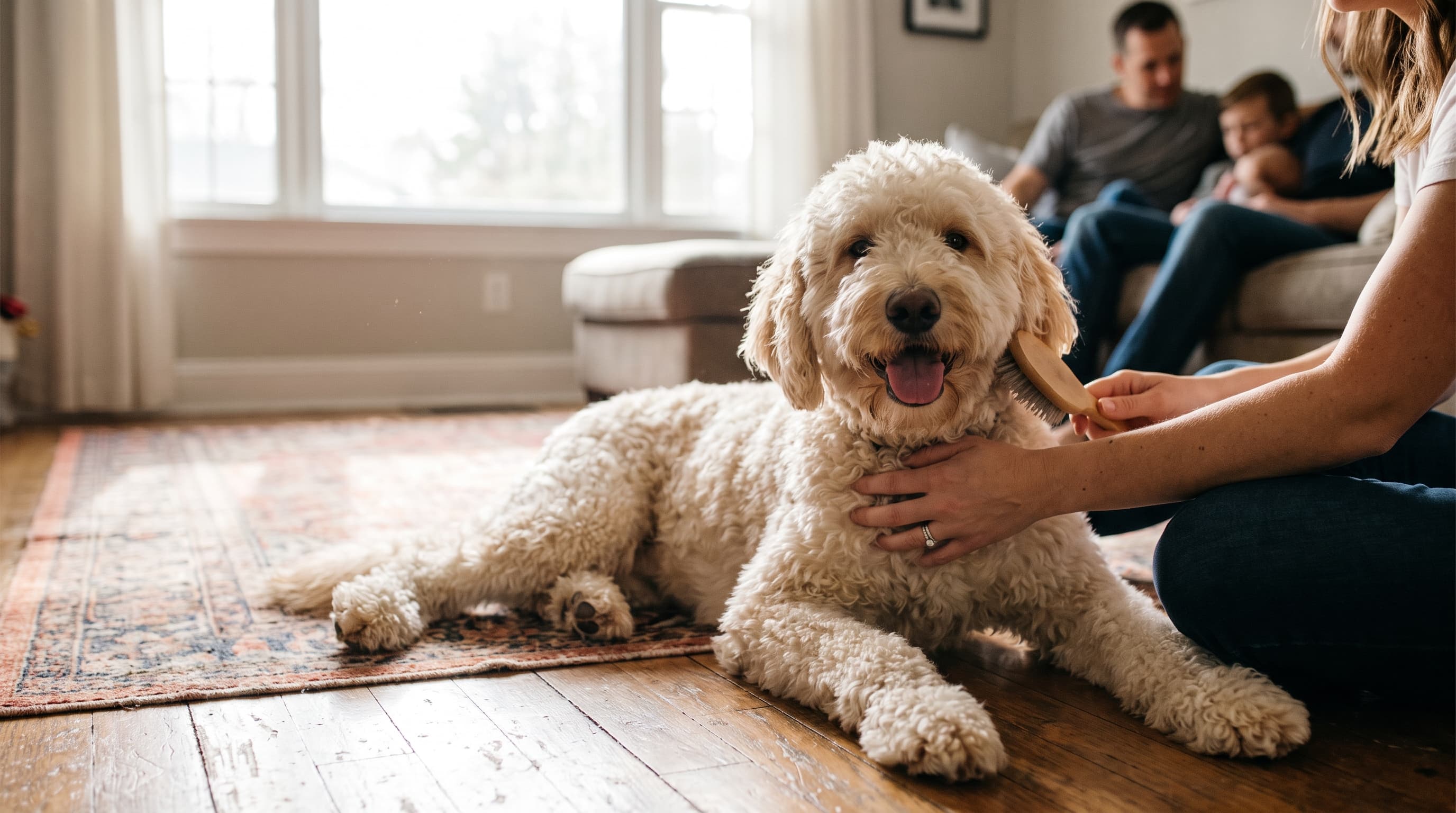
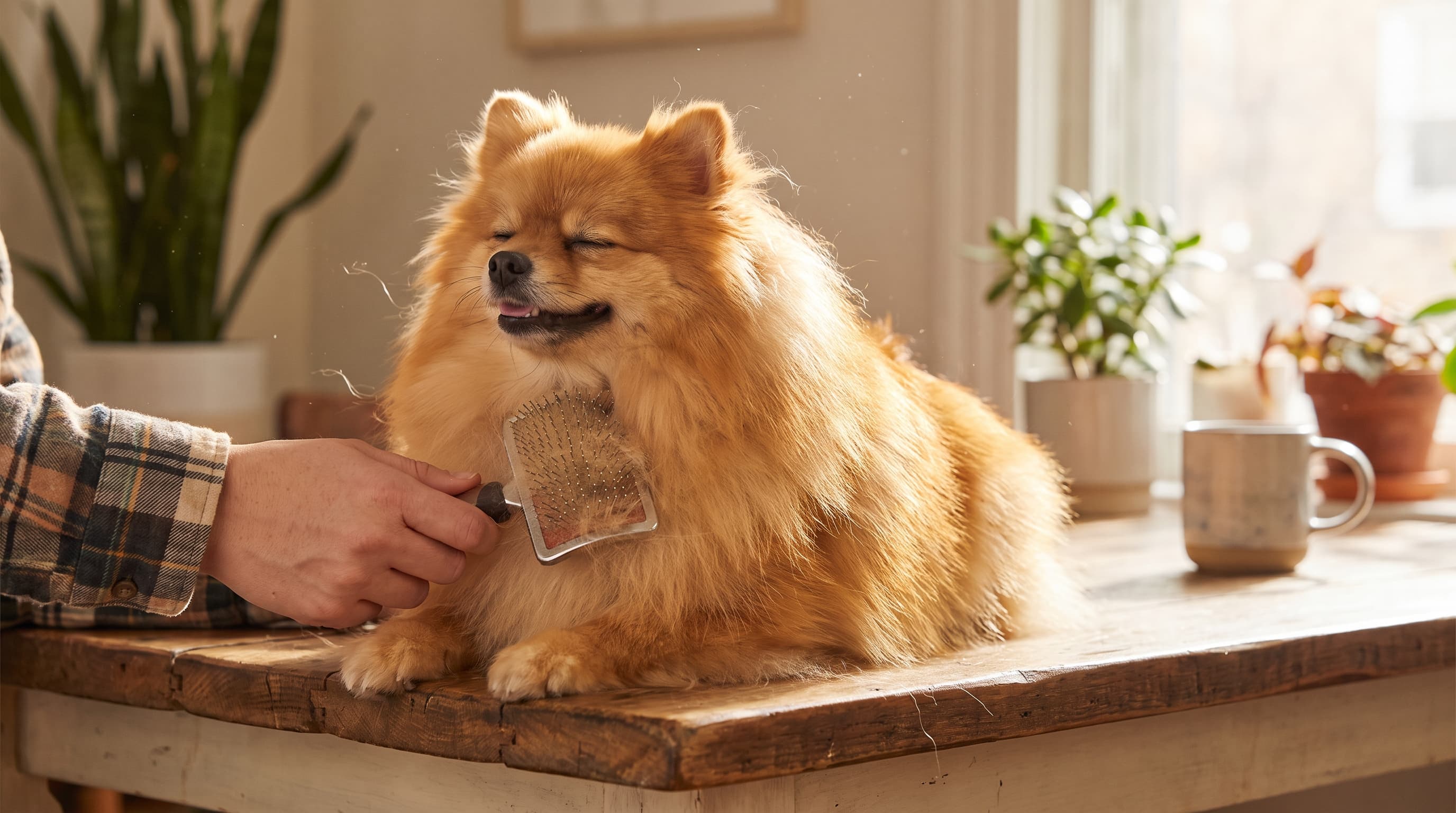
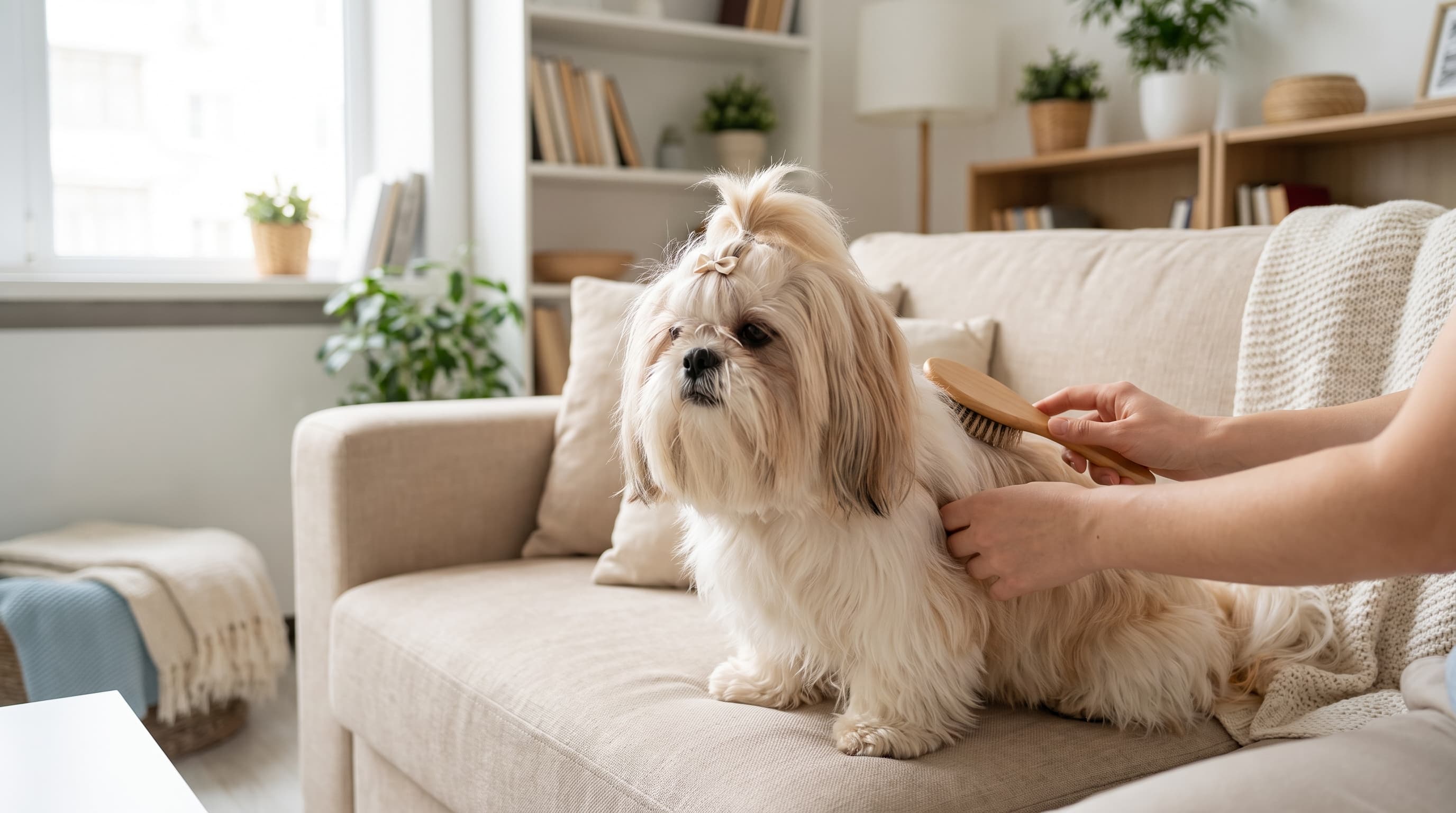
- Brush frequently — outdoors. Brushing several times a week removes loose undercoat before it scatters. Do it outside or have a non-allergic family member handle it.
- Bathe regularly. A bath every three to four weeks washes away accumulated dander and saliva. Ask your vet about a gentle, skin-friendly shampoo so you do not dry out the coat.
- Run a HEPA air purifier in the rooms where you spend the most time, and use a vacuum with a HEPA filter.
- Create dog-free zones. Keeping the bedroom off-limits gives you allergen-reduced hours to recover overnight.
- Wash hands and change clothes after long cuddle sessions, and launder the dog's bedding weekly.
- Spend time with an individual Pom first. Because reactions vary from dog to dog, meeting the specific Pomeranian before committing is the single best test.
Finally, talk to a board-certified allergist. Allergen immunotherapy and prescribed medications can dramatically change what is possible, and a medical professional can tell you whether pet ownership is realistic for your particular sensitivities.
Truly Low-Allergen Breeds to Consider Instead
If your allergies are moderate to severe, a lower-shedding breed is a safer bet than trying to out-manage a double coat. Breeds frequently recommended for allergy sufferers include the Poodle, Bichon Frise, Maltese, Shih Tzu, and several Poodle mixes, all of which shed less and release less dander into the environment. Remember, "less allergenic" still is not "allergen-free." Two popular comparisons worth reading are our guides on whether Yorkies are hypoallergenic and whether Goldendoodles are hypoallergenic, both of which shed less than a Pomeranian but come with their own care needs.
Frequently Asked Questions
Are Pomeranians good for people with allergies?
Generally, no. Their heavy-shedding double coat spreads dander and saliva proteins, which are the true allergy triggers. People with mild allergies may cope with diligent grooming and cleaning, but those with moderate or severe pet allergies are usually better off with a lower-shedding breed.
Do Pomeranians produce a lot of dander?
Pomeranians produce a normal amount of dander for a dog, but because they shed so much fur, that dander gets distributed widely through the home. It is the combination of shedding plus dander — not the volume of dander alone — that makes them tough on allergies.
Does bathing a Pomeranian reduce allergens?
Yes, regular bathing helps by washing away dander and dried saliva from the coat, temporarily lowering the allergen load. Every three to four weeks is a common recommendation, but avoid over-bathing, which can irritate the skin and increase flaking. Ask your vet for a suitable shampoo.
Are any small fluffy dogs hypoallergenic?
The Bichon Frise and Maltese are small, fluffy, and among the more allergy-friendly breeds because they shed very little. No dog is fully hypoallergenic, but these breeds typically release fewer allergens into a home than a double-coated Pomeranian.
Can I build up a tolerance to my Pomeranian?
Some people do notice their symptoms ease over time, while others get worse. Do not count on tolerance developing. If you react strongly, consult an allergist about testing and treatment options rather than assuming you will simply adjust.
Why do I react to some Pomeranians but not others?
Allergen-producing proteins vary from individual dog to individual dog, and even between coat colors and grooming habits. That is why spending time with the specific Pomeranian you plan to bring home is the most reliable way to gauge your personal reaction.
The Bottom Line
Pomeranians are affectionate, spirited, and undeniably adorable — but they are not hypoallergenic. Their double coat sheds year-round and carries the dander and saliva proteins that cause allergic reactions. If you love the breed and have only mild sensitivities, disciplined grooming, cleaning, and household management can make cohabitation possible. If your allergies are serious, a lower-shedding breed is the kinder choice for your health.
A quick note: individual allergies vary widely, and this article is general information, not medical advice. If you have known pet allergies or asthma, talk to a board-certified allergist before bringing home any dog.
Curious about the breed itself? Read our full Pomeranian breed guide and get to know the eye-catching white Pomeranian. And for weekly breed spotlights, care tips, and dog-parenting inspiration delivered to your inbox, subscribe to the Daily Wag newsletter.