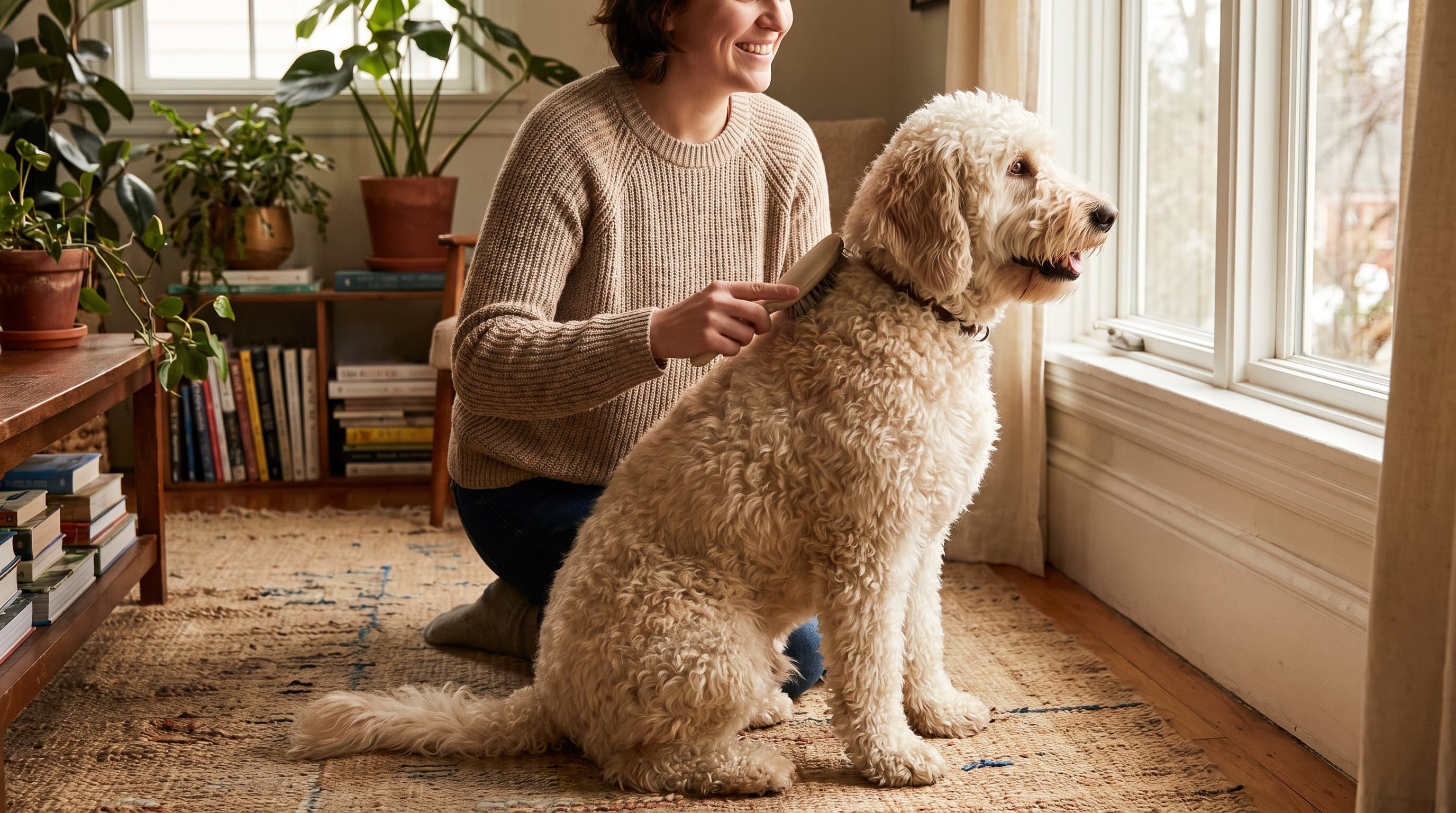

Are Labradoodles Hypoallergenic? The Honest Answer for Allergy Sufferers
No—labradoodles are not truly hypoallergenic, because no dog is. Every dog produces the allergy-triggering proteins found in dander, saliva, and urine. That said, many labradoodles are lower-shedding than a Labrador, so some allergy sufferers tolerate them better. The catch: it varies dramatically by individual dog, coat type, and generation.
Why "Hypoallergenic Dog" Is a Myth
People assume dog allergies come from fur, so a low-shedding dog should be safe. In reality, the culprits are proteins—chiefly one called Can f 1—found in a dog's dander (dead skin flakes), saliva, and urine, not the hair itself. As the Asthma and Allergy Foundation of America puts it bluntly, "a truly non-allergic dog or cat does not exist," and all dogs can trigger symptoms. A dog that barely sheds still sheds dander and coats its fur in saliva when it grooms.
This is why the term "hypoallergenic"—meaning "below average" allergy risk, not "allergy-free"—is misleading when it's used as a guarantee. Lower shedding can mean fewer allergen-laden hairs floating around your home, which helps some people. It does not remove the allergens at the source.
What the Research Actually Found
The most-cited study on this question, Vredegoor and colleagues' 2012 research in the Journal of Allergy and Clinical Immunology, measured Can f 1 in the hair and homes of breeds marketed as hypoallergenic versus ordinary breeds. Its conclusion was in the title: there was a "lack of evidence to describe any dog breed as hypoallergenic." Reporting on that work, Sharecare notes that so-called hypoallergenic dogs produced just as many—or in some samples more—allergens than dogs not considered hypoallergenic. Labradoodles specifically showed some of the higher, more variable allergen readings.
Coat Type Matters More Than the Label
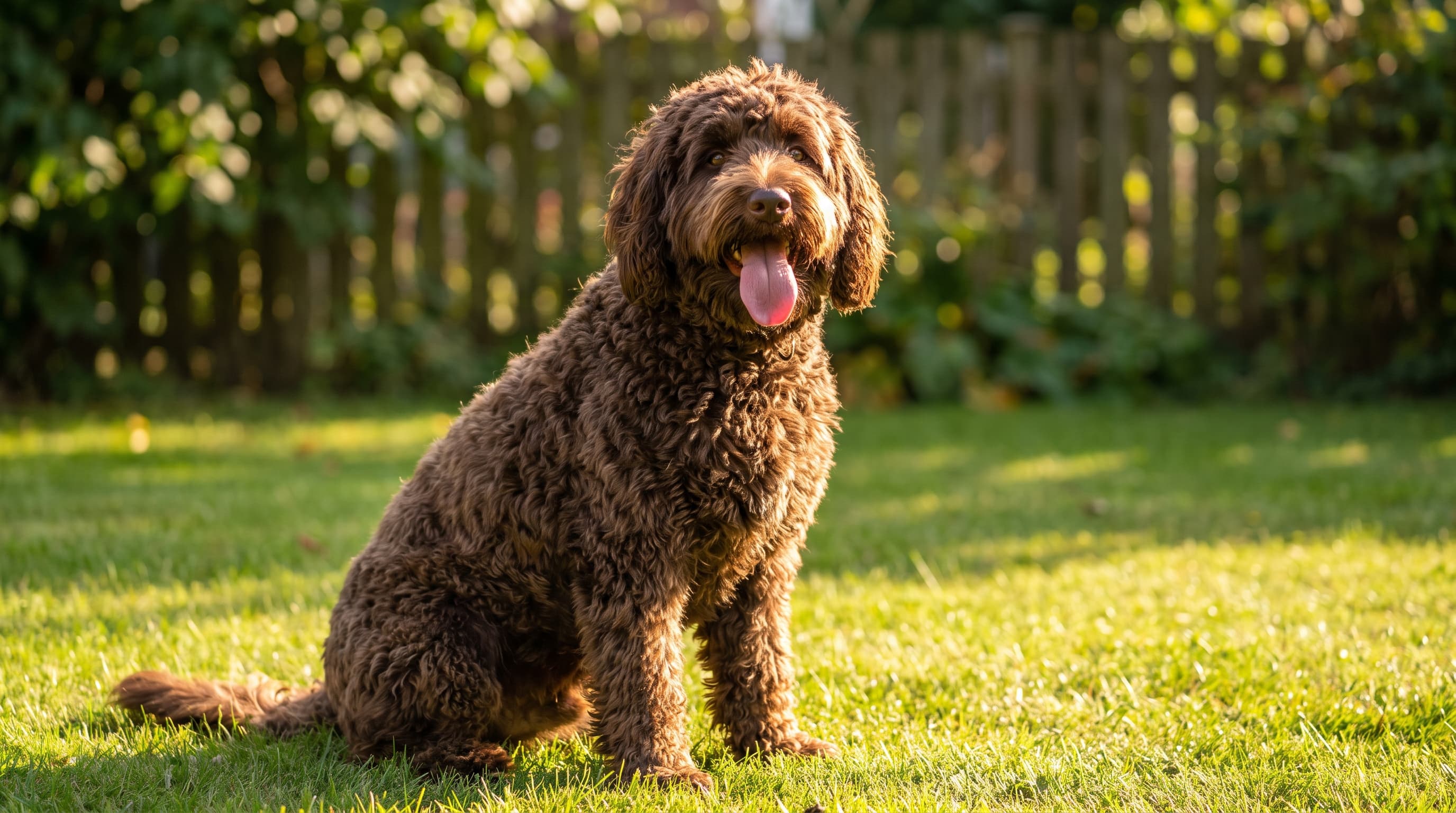
Because a labradoodle is a Labrador-Poodle cross, its coat is a genetic lottery. Breeders and owners generally describe three coat types, and they behave very differently, according to Dogster:
- Wool (curly) coats resemble a Poodle's, shed the least, and are the most allergy-friendly—but demand the most grooming.
- Fleece coats are wavy and soft, shed minimally, and are a common middle-ground choice for sensitive owners.
- Hair coats lean toward the Labrador side: straighter, heavier-shedding, and generally the worst choice for allergy sufferers.
You often can't be sure which coat a puppy will grow into, especially in early generations—which brings us to the other big variable.
Why Generation (F1, F2, F1b) Changes the Odds
A first-generation (F1) labradoodle is 50% Labrador and 50% Poodle, and these dogs show the widest swing in shedding—some take after the Lab and shed considerably. Later generations and "backcrosses" bred back to a Poodle (F1b) tend to have curlier, lower-shedding coats and are marketed as more allergy-friendly, notes A-Z Animals. Even then, "lower-shedding" is a probability, not a promise—two puppies in the same litter can differ.
How to Live With a Dog When You Have Allergies
If you love labradoodles but react to dogs, stack the odds in your favor before committing:
- Spend real time with the specific dog—ideally the exact puppy or its parents—before adopting. Individual reactions vary more than breed reputation.
- Favor a wool or fleece coat and a later-generation or F1b dog if allergy tolerance is your priority.
- Manage the environment: HEPA air filtration, frequent vacuuming, washing bedding, and keeping the dog out of the bedroom all reduce allergen load.
- Groom often: regular bathing and brushing (professional grooming every 6–8 weeks) cuts down loose dander and saliva-coated hair.
- Talk to an allergist about your specific triggers and whether treatment makes cohabiting realistic.
Frequently Asked Questions
Are labradoodles 100% hypoallergenic?
No. No dog breed is 100% hypoallergenic. Labradoodles produce the same allergy-causing proteins as any dog, though low-shedding individuals may bother some people less.
Do labradoodles shed?
Some do. Wool and fleece coats shed very little; hair coats shed more like a Labrador. Shedding varies by coat type and generation, so no labradoodle is guaranteed to be non-shedding.
Which labradoodle is best for allergy sufferers?
A later-generation or F1b labradoodle with a wool or fleece coat tends to shed least and is the most allergy-friendly option—but you should still test your reaction to the individual dog first.
Are goldendoodles more hypoallergenic than labradoodles?
Both are Poodle crosses with similar variability, and neither is truly hypoallergenic. Coat type and generation matter far more than which "doodle" you choose.
What actually causes dog allergies?
Proteins such as Can f 1 in a dog's dander, saliva, and urine—not the fur. That's why even low-shedding dogs can trigger symptoms.
Can I reduce allergens if I already own a labradoodle?
Yes. Regular grooming and bathing, HEPA filters, frequent cleaning, and keeping the dog out of your bedroom all lower the allergen load in your home.
Keep Reading Before You Choose a Doodle
Weighing your options? Compare the two most popular crosses in our Labradoodle vs. Goldendoodle breakdown, see how the goldendoodle side handles the same question in Are Goldendoodles Hypoallergenic?, and get the full picture on the breed itself in our complete Labradoodle guide and Labradoodle lifespan feature. New to dogs and allergies in general? Start with our guide to dealing with allergies as a potential dog owner.
Want more myth-busting breed guides delivered straight to you? Subscribe to the Daily Wag newsletter for weekly tips, breed spotlights, and honest answers.