
Chocolate Labradoodle: Complete Guide to the Brown Doodle
A chocolate Labradoodle is a Labrador Retriever–Poodle cross with a rich brown coat produced by a recessive gene both parents must carry. These dogs are intelligent, affectionate, low-shedding companions that typically weigh 15–65 pounds and live 12–15 years. Many chocolate puppies gradually "clear" into café, silver-beige, or parchment shades as they mature.
What Is a Chocolate Labradoodle?
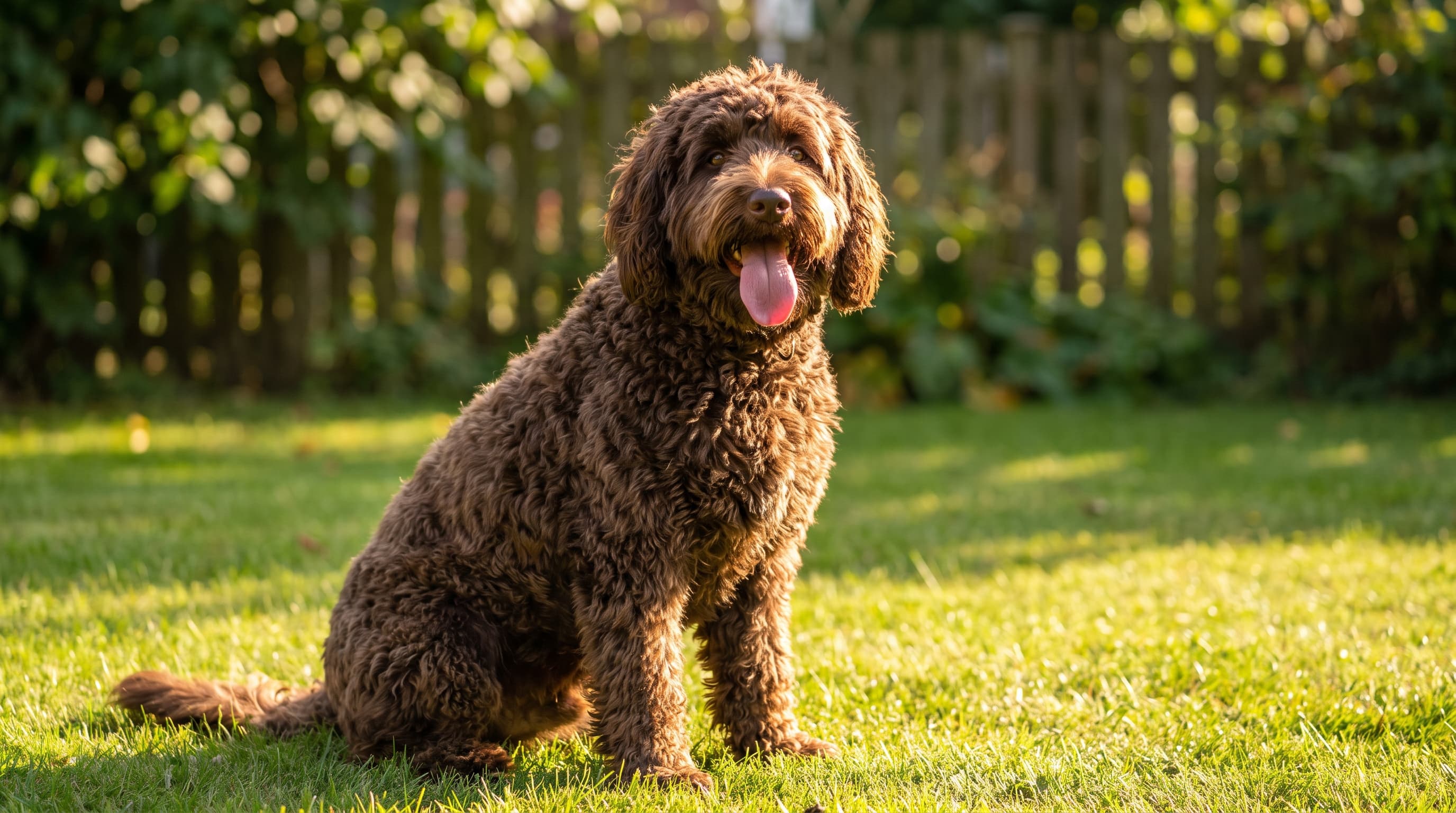
The chocolate Labradoodle is a color variation of the popular Labradoodle, a hybrid that first rose to fame in Australia in the late 1980s when breeder Wally Conron crossed a Labrador Retriever with a Standard Poodle to create a lower-shedding guide dog. "Chocolate" simply describes the coat color — a warm, solid brown that ranges from deep espresso to milk-chocolate. The dog underneath is the same friendly, trainable doodle families love; only the pigment changes.
Chocolate Labradoodles come in three general size classes inherited from the Poodle parent: Miniature (roughly 15–30 lb), Medium (30–45 lb), and Standard (50–65 lb). Coats are usually wavy or curly and shed very little, which is part of what makes doodles so sought-after. Because color is only one trait, a chocolate Labradoodle can still vary widely in size, energy, and coat texture depending on its exact parentage.
Chocolate Labradoodle Color Genetics
Brown coat color in dogs is controlled by the B locus. A dog needs two copies of the recessive brown allele (commonly written "bb") to display a chocolate coat instead of black. That means both parents must carry the chocolate gene — even if the parents themselves look black or cream — for chocolate puppies to appear in a litter, according to breed-color resources like The Labradoodle Site and Waggel.
This is the same chocolate gene responsible for chocolate Labrador Retrievers, so the color has deep roots on the Labrador side of the family. Because it is recessive, chocolate is less common than black or cream, which is why brown doodles sometimes carry a slightly higher price tag from breeders who market rarer colors.
Why Chocolate Coats Often Fade
One of the most important things new owners should know is that Labradoodle coats frequently "clear" or fade with age. A dark chocolate puppy may mature into a lighter café-au-lait, silver-beige, or parchment adult. This fading is influenced by genes inherited from the Poodle line, which is famous for progressive graying, and it is completely normal, as coat guides from We Love Doodles and The Labradoodle Site both explain. If a lifelong deep-brown color is important to you, ask the breeder about the parents' and grandparents' adult coats.
Shades of Chocolate: From Espresso to Café
"Chocolate" is really an umbrella term for a range of browns, and knowing the vocabulary helps when you talk to breeders. Deep, dark puppies are often described as chocolate or liver; as they lighten they may be called café (a warm milk-coffee brown), silver beige (chocolate with a cool, silvery cast from Poodle graying genes), or parchment (a pale, milky tan). Some chocolate doodles also appear as parti patterns — brown-and-white — or with roan and abstract white markings. None of these is a different breed; they are all expressions of the same underlying brown pigment interacting with fading and spotting genes.
Generations Explained: F1, F1b, and Multigen
Because chocolate is recessive, generation matters for predicting both color and coat. An F1 Labradoodle is a first-cross (purebred Labrador × purebred Poodle) and has the most variable coats. An F1b (an F1 bred back to a Poodle) is more likely to inherit the low-shedding curly coat and, if the Poodle carries chocolate, a solid brown color. F2 and multigenerational Labradoodles — doodle bred to doodle over several generations, as with the Australian Labradoodle — tend to produce the most consistent coats and colors. If a reliably chocolate, low-shedding coat is your goal, ask breeders about generation and about the color genetics of the grandparents, not just the parents.
Size, Appearance, and Coat Types
Chocolate Labradoodles have expressive dark or amber eyes, a rounded "teddy bear" face when groomed short, and a coat that comes in three broad textures:
- Wool coat: Tight curls, most Poodle-like, lowest shedding, highest grooming needs.
- Fleece coat: Soft, wavy, silky — the classic doodle look and often the easiest to maintain.
- Hair coat: Straighter and more Labrador-like; sheds more and is less common in reputable breeding programs.
Nose and paw-pad pigment on chocolate dogs is typically brown rather than black, a small but reliable tell that the dog is genetically chocolate rather than a faded black. For a look at how doodle colors compare across the spectrum, our guide to the black Goldendoodle shows how the same genetics play out in a related crossbreed.
Temperament and Family Fit
Coat color has no effect on personality, and chocolate Labradoodles share the breed's signature temperament: friendly, people-oriented, playful, and highly intelligent. They tend to bond closely with their families, get along well with children and other dogs, and thrive on companionship. Because they are so social, they can develop separation anxiety if left alone for long stretches, so they do best in homes where someone is around for much of the day.
Their intelligence — inherited from one of the smartest breeds, the Poodle — makes them quick to learn but also easily bored. A bored doodle can become mouthy or destructive, so mental enrichment matters as much as physical exercise. If you're weighing a doodle against its cousin, our Labradoodle vs. Goldendoodle comparison breaks down the subtle temperament differences.
Grooming and Care Needs
The low-shedding coat that makes doodles so appealing is also high-maintenance. Plan on brushing several times a week to prevent matting, especially behind the ears and in the armpits, plus a professional grooming appointment every 6–8 weeks. Regular coat care isn't just cosmetic — matted fur traps moisture and can lead to skin irritation.
Beyond grooming, chocolate Labradoodles need 45–90 minutes of daily exercise, routine ear cleaning (floppy ears trap moisture), dental care, and a high-quality diet. They are active, athletic dogs that enjoy fetch, swimming, hiking, and dog sports.
Training and Exercise
Chocolate Labradoodles are among the easiest dogs to train, combining the Poodle's problem-solving smarts with the Labrador's eager-to-please, food-motivated nature. Start socialization and positive-reinforcement training early — puppy classes are ideal — and keep sessions short and rewarding to hold their attention. Because they learn fast, they excel at obedience, agility, therapy work, and trick training.
On the physical side, plan for 45–90 minutes of activity a day, split between walks, off-leash play, and brain games like puzzle feeders or scent work. Many chocolate Labradoodles love water and retrieving, a nod to both parent breeds. A well-exercised doodle is a calm, well-mannered housemate; an under-stimulated one will invent its own entertainment, usually at your furniture's expense.
Feeding Your Chocolate Labradoodle
Feed a complete, balanced diet appropriate for your dog's size and life stage, choosing a formula sized correctly for Miniature versus Standard doodles. Puppies of larger Standard lines benefit from large-breed puppy food to support steady joint development. Watch portions carefully, since doodles can be enthusiastic eaters prone to weight gain, and split daily food into two meals to support digestion. Always transition to a new food gradually over 7–10 days to avoid stomach upset, and keep fresh water available at all times.
Health and Lifespan
Chocolate Labradoodles generally live 12–15 years. As a hybrid they can benefit from hybrid vigor, but they can still inherit conditions common to both parent breeds, including hip and elbow dysplasia, progressive retinal atrophy, ear infections, and skin allergies. Reputable breeders screen parent dogs for hip, eye, and genetic conditions. For a deeper look at longevity factors, see our guide to Labradoodle lifespan.
Interestingly, coat color itself can be linked to health in some breeds — chocolate Labrador Retrievers, for example, have been associated in research with higher rates of ear and skin issues — so consistent ear and skin care is smart preventive practice for brown doodles too.
Frequently Asked Questions
Are chocolate Labradoodles rare?
They are less common than black or cream because chocolate is a recessive color that requires both parents to carry the gene. This relative rarity sometimes means a higher purchase price, but chocolate is a well-established, naturally occurring doodle color.
Do chocolate Labradoodles change color as they grow?
Often, yes. Many chocolate puppies "clear" into lighter café, silver-beige, or parchment tones as they mature, thanks to fading genes inherited from the Poodle side. This is normal and not a sign of poor health or bad breeding.
Are chocolate Labradoodles hypoallergenic?
No dog is truly 100% hypoallergenic, but low-shedding doodle coats tend to release less dander and hair, which many allergy sufferers tolerate better. Individual reactions vary. Our article on whether Goldendoodles are hypoallergenic explains the science, which applies to Labradoodles too.
How much does a chocolate Labradoodle cost?
Prices typically range from about $1,500 to $3,000 from reputable breeders, with rarer colors and multi-generational Australian Labradoodles often costing more. Always prioritize health testing over color when choosing a breeder.
How big do chocolate Labradoodles get?
It depends on the Poodle parent. Miniature chocolate Labradoodles reach about 15–30 pounds, Mediums about 30–45 pounds, and Standards roughly 50–65 pounds, standing 14–24 inches tall.
Is a Chocolate Labradoodle Right for You?
If you want a smart, affectionate, low-shedding family dog and you're prepared for regular grooming and daily exercise, a chocolate Labradoodle can be a wonderful match — just go in knowing that gorgeous brown puppy coat may lighten with age. Choose a breeder who health-tests their dogs and treats color as a bonus, not the main event.
Want to explore more doodles before you decide? Compare the Labradoodle and Goldendoodle side by side, or read up on the striking black Goldendoodle. And to get thoughtful dog guides like this delivered to your inbox, subscribe to the Daily Wag newsletter.