
Springerdoodle: The Complete Guide to the Springer Spaniel Poodle Mix
The Springerdoodle is a designer crossbreed that blends the affectionate, birdy energy of the English Springer Spaniel with the brains and low-shedding coat of the Poodle. Also called a Sproodle, it typically weighs 30–60 pounds, stands 16–24 inches tall, lives 10–15 years, and is prized as a friendly, highly trainable family companion that sheds very little when it inherits its Poodle parent's coat.
First bred in the United States in the 1990s, the Springerdoodle has grown into one of the more athletic members of the "doodle" family. If you want a smart, people-oriented dog that will happily hike, swim, and fetch all afternoon and then curl up beside you at night, this hybrid deserves a spot on your shortlist. Below, we break down everything prospective owners should know—temperament, size, grooming, health, exercise, and cost—so you can decide whether a Sproodle fits your life.
What Is a Springerdoodle?
A Springerdoodle is a first-generation (or multi-generation) cross between an English Springer Spaniel and a Poodle (usually a Standard or Miniature Poodle). Breeders set out to combine the Springer's sweet, eager-to-please nature with the Poodle's celebrated intelligence and curly, low-allergen coat.
Like most designer dogs, the Springerdoodle is not recognized by the American Kennel Club as a standardized breed, though it is listed by hybrid registries such as the International Designer Canine Registry. Because it is a mix, individual puppies can vary—even within the same litter—depending on which parent's genes dominate. Some Sproodles look more like a shaggy spaniel; others inherit the Poodle's tighter curls and leaner frame.
Springerdoodle Generations Explained
- F1: One purebred Springer Spaniel parent crossed with one purebred Poodle (50/50). Coats vary the most in this generation.
- F1b: An F1 Springerdoodle bred back to a Poodle (about 75% Poodle). These tend to have curlier, lower-shedding coats and are often marketed to allergy-sensitive homes.
- F2 and beyond: Two Springerdoodles bred together, producing more variable but increasingly "set" traits.
Springerdoodle Size and Appearance
Springerdoodle size depends heavily on whether the Poodle parent was Standard or Miniature. Most Springerdoodles are medium to large dogs, standing roughly 16–24 inches at the shoulder and weighing between 30 and 60 pounds, according to breed resources such as DogTime and Wag!. Mini Sproodles bred from smaller Poodles can land closer to 20–35 pounds.
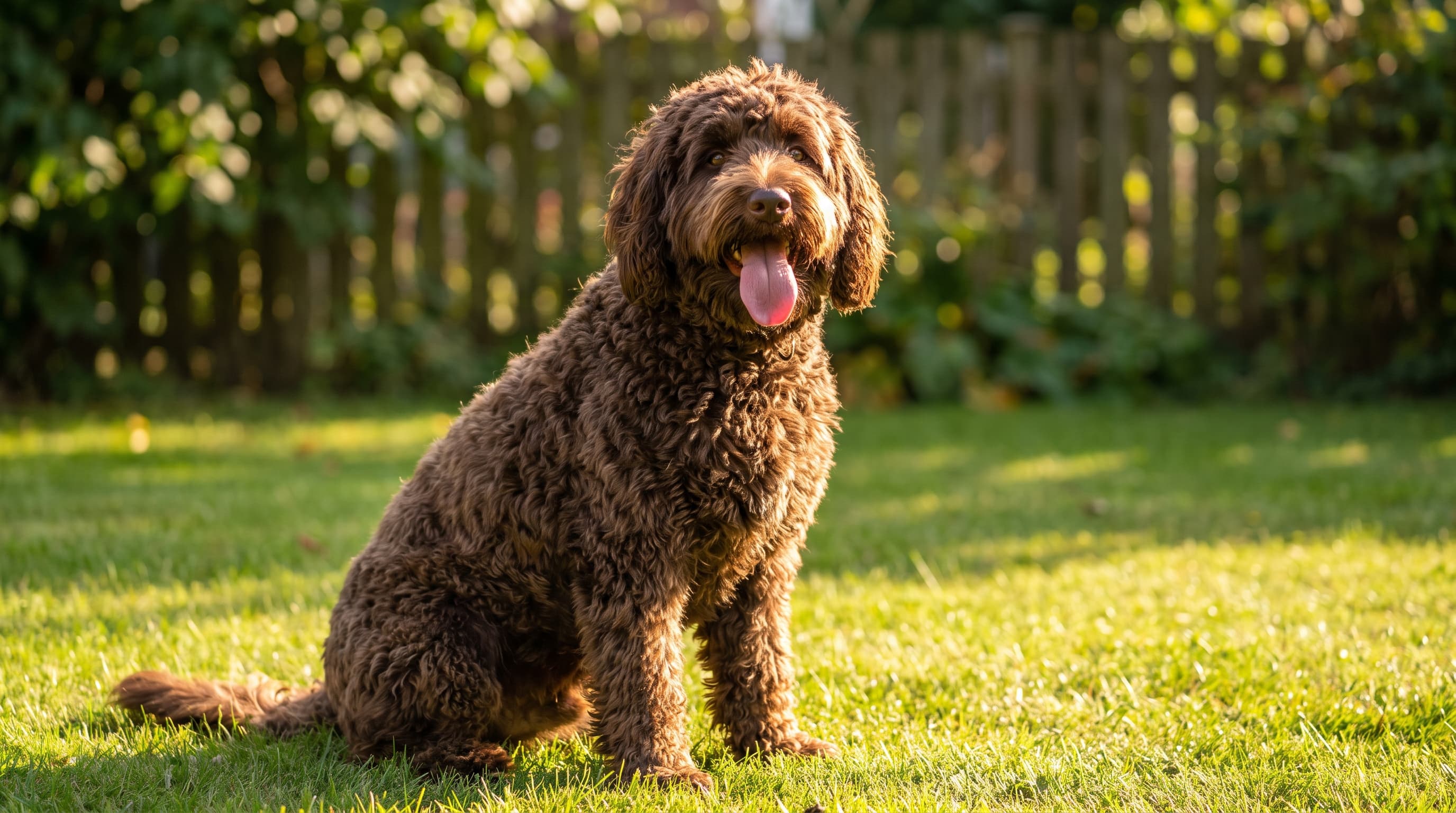
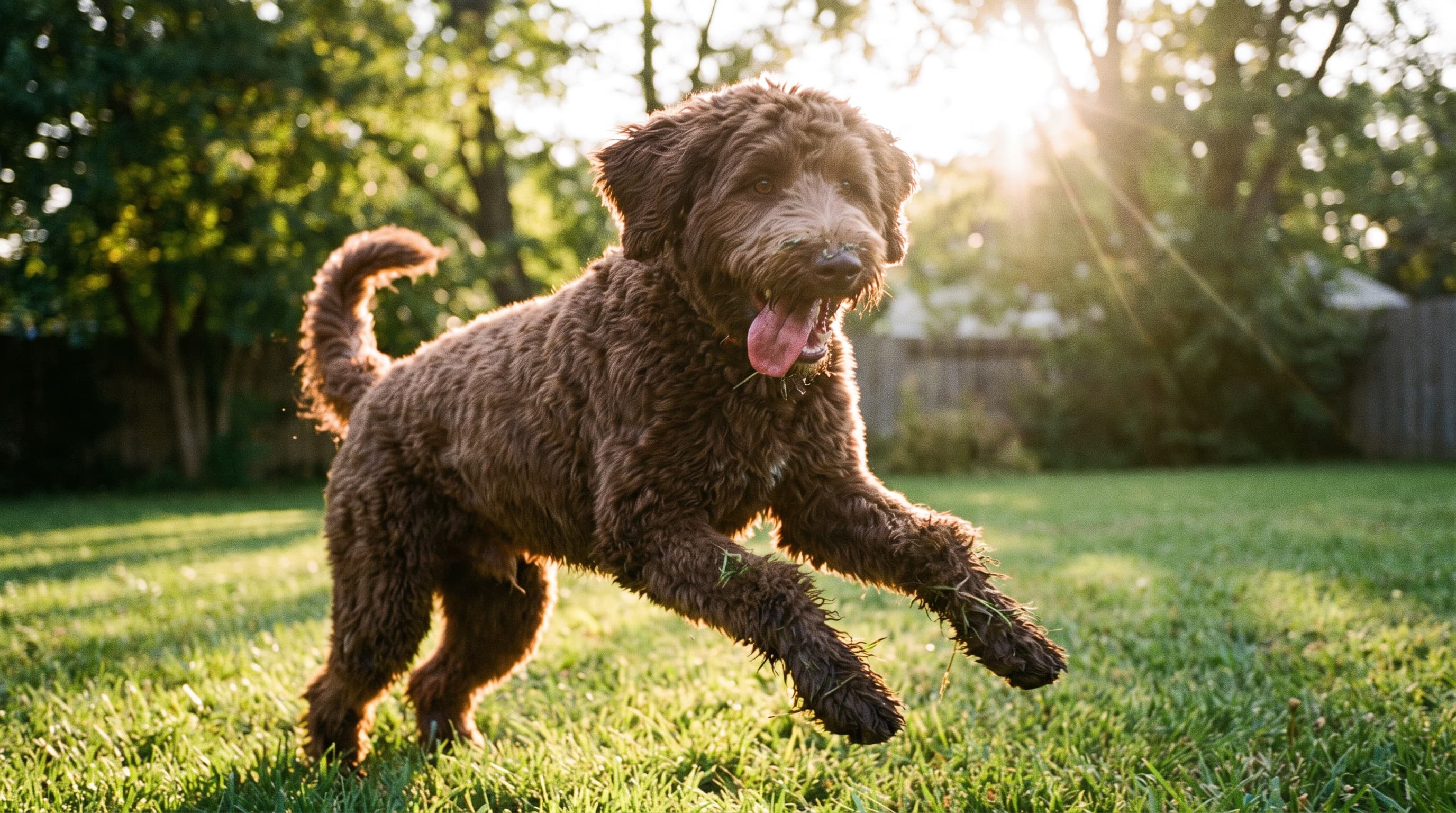
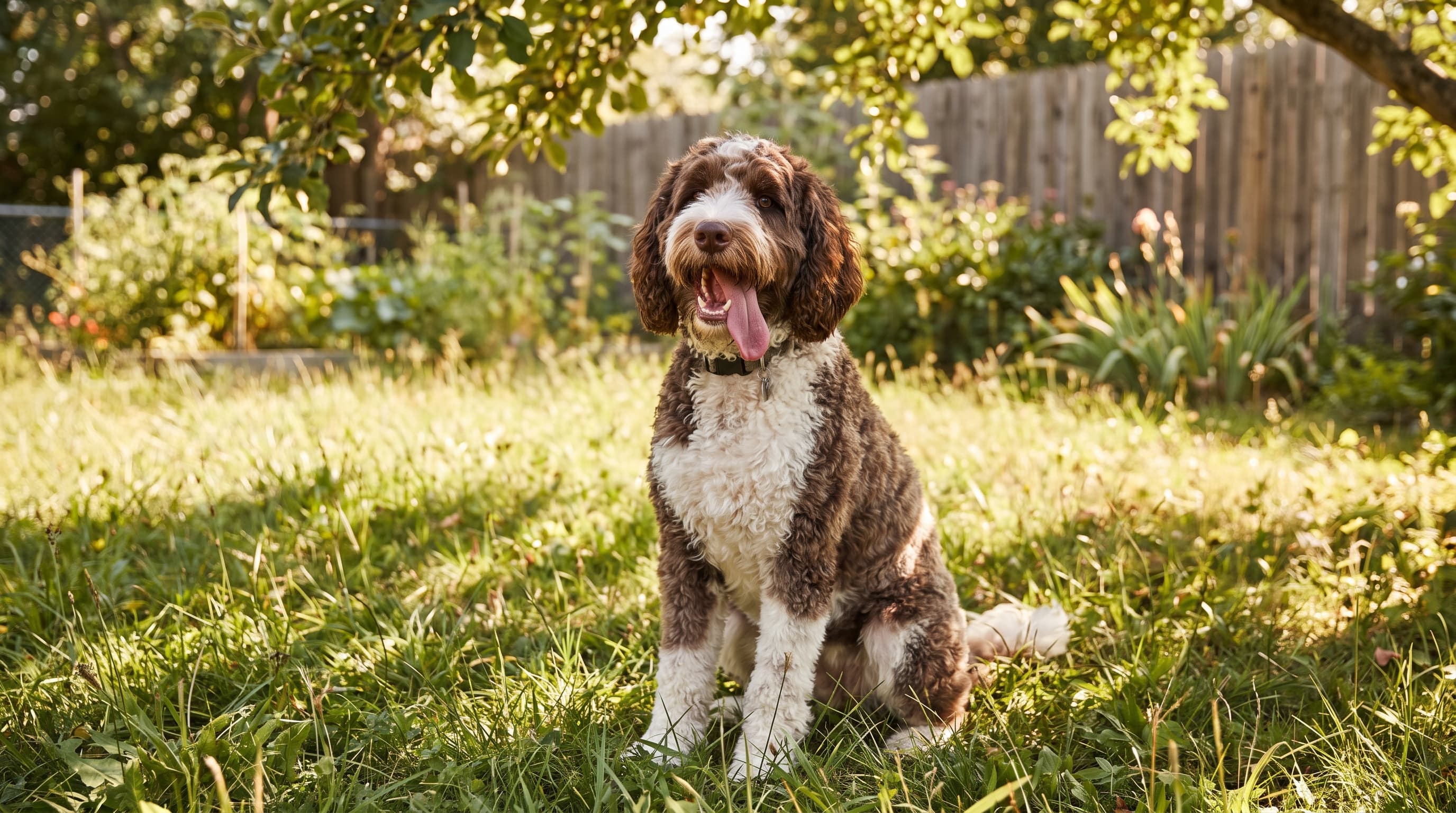
The coat is usually wavy to curly and comes in a wide range of colors, including black, liver/brown, cream, white-and-liver, black-and-white, and tri-color combinations. Expect floppy ears, expressive eyes, and a feathered, athletic build that hints at both hunting and water-retrieving ancestry.
Springerdoodle Temperament and Personality
Springerdoodles are best known for being loyal, smart, and endlessly friendly. Both parent breeds are people-oriented, so the mix typically forms strong bonds with its family and thrives on companionship. According to Hepper's breed profile, Sproodles are gentle, get along well with other pets, and are eager to please—traits that make training a pleasure.
That devotion has a flip side: Springerdoodles can be prone to separation anxiety if left alone too long. They do best in homes where someone is around for much of the day, or where the dog is gradually conditioned to short absences. Early socialization helps curb the shyness some Sproodles show toward strangers.
Are Springerdoodles Good With Kids and Other Pets?
Yes. Well-socialized Springerdoodles are excellent with children and typically friendly toward other dogs and household pets. Their patient, playful disposition makes them a natural fit for active families. As with any dog, supervise interactions between dogs and very young children, and teach kids to respect the dog's space.
Grooming and Shedding: Are Springerdoodles Hypoallergenic?
No dog is truly 100% hypoallergenic, but Springerdoodles that inherit the Poodle's curly coat tend to shed very little, which can make them a better match for allergy-sensitive households. The trade-off is maintenance. A wavy-to-curly coat mats easily and needs brushing several times per week—sometimes daily during heavy shedding periods—plus professional grooming every 6–10 weeks.
Because both parent breeds have drop (floppy) ears, Springerdoodles are prone to ear infections. Check and gently clean the ears weekly, especially after swimming, and keep the hair around the ear canal trimmed. Round out grooming with regular nail trims and tooth brushing to prevent dental disease.
Exercise and Training Needs
This is a high-energy dog. The English Springer Spaniel is "a lovable bird dog of great energy, stamina, and brains," per the AKC, and the Sproodle inherits that drive. Plan on at least 45–60 minutes of vigorous exercise a day: two brisk walks plus fetch, tug, swimming, or agility work. A bored, under-exercised Springerdoodle can turn to barking, digging, or chewing.
The upside of all that Poodle-and-Spaniel intelligence is superb trainability. Springerdoodles excel at obedience, agility, and trick training, and they respond beautifully to positive-reinforcement methods and food rewards. Their sensitivity means harsh corrections backfire—keep sessions upbeat, short, and consistent.
Do Springerdoodles Do Well in Apartments?
They can, but it takes commitment. A Springerdoodle in an apartment needs multiple daily outings and plenty of mental enrichment to stay happy. A home with a securely fenced yard is ideal, giving this water-loving athlete room to burn off steam safely.
Springerdoodle Health and Lifespan
Springerdoodles generally enjoy a lifespan of 10–15 years. Hybrids can benefit from "hybrid vigor," but they can still inherit conditions common to both parent lines. According to Wag! and other veterinary-reviewed resources, health issues to watch for include:
- Hip and elbow dysplasia — joint malformations that can cause arthritis; ask breeders for parental OFA or PennHIP screening.
- Eye disorders — including progressive retinal atrophy, cataracts, and entropion/ectropion.
- Ear infections — driven by floppy, moisture-trapping ears.
- Skin conditions — such as sebaceous adenitis and seborrhea.
- Heart concerns — including mitral valve issues in some lines.
Responsible breeders health-test both parents. Ask to see documentation, and budget for routine veterinary care throughout your dog's life. This article is general information only and is not a substitute for professional veterinary advice—if you have concerns about your dog's health, consult your veterinarian.
How Much Does a Springerdoodle Cost?
Springerdoodle puppies from reputable breeders typically run $800–$2,500, depending on location, generation, coat, and lineage. Beyond the purchase price, factor in ongoing costs: professional grooming every couple of months, quality food for a medium-to-large active dog, preventive veterinary care, and pet insurance. Adoption through Poodle-mix or Spaniel rescues is another excellent—and often more affordable—route to bringing home a Sproodle.
Is a Springerdoodle Right for You?
A Springerdoodle is an outstanding choice for an active individual or family that wants a smart, affectionate, low-shedding dog and can commit to daily exercise and regular grooming. It is a less ideal match for people who are away from home for long stretches, prefer a couch-potato companion, or aren't prepared for coat upkeep. If you love the doodle look but want more athletic drive than a typical lapdog, the Sproodle hits a sweet spot.
Frequently Asked Questions
Are Springerdoodles hypoallergenic?
No dog is completely hypoallergenic, but Springerdoodles that inherit the Poodle's curly, low-shedding coat produce less dander and loose hair, which often makes them more comfortable for allergy-sensitive owners. Spend time with an individual dog before committing.
How big does a Springerdoodle get?
Most Springerdoodles weigh 30–60 pounds and stand 16–24 inches tall. Miniature Springerdoodles bred from smaller Poodles can be lighter, around 20–35 pounds.
How long do Springerdoodles live?
With good care, Springerdoodles typically live 10–15 years.
Do Springerdoodles bark a lot?
They can be moderately vocal, especially when bored or under-exercised. Consistent training, daily activity, and mental enrichment keep barking in check.
Are Springerdoodles easy to train?
Very. With two intelligent, people-pleasing parent breeds, Springerdoodles learn quickly and excel at obedience and agility when trained with positive, reward-based methods.
Do Springerdoodles like water?
Most do. Both the Poodle (a historic water retriever) and the Springer Spaniel love water, so many Sproodles are enthusiastic swimmers—just introduce water gradually and supervise closely.
Bring Home the Right Doodle for Your Family
If the Springerdoodle's blend of brains, athleticism, and affection sounds like your kind of dog, keep exploring the doodle world before you decide. Compare it with the herding-smart Aussiedoodle and the gentle, teddy-bear Bernedoodle to see which energy level and size suit your home. Curious about lower-shedding companions in general? Our guide to whether Goldendoodles are hypoallergenic and our Cockapoo breed guide are great next reads.
Want more breed guides, training tips, and dog-friendly finds delivered to your inbox? Subscribe to the Daily Wag newsletter and never miss a post.