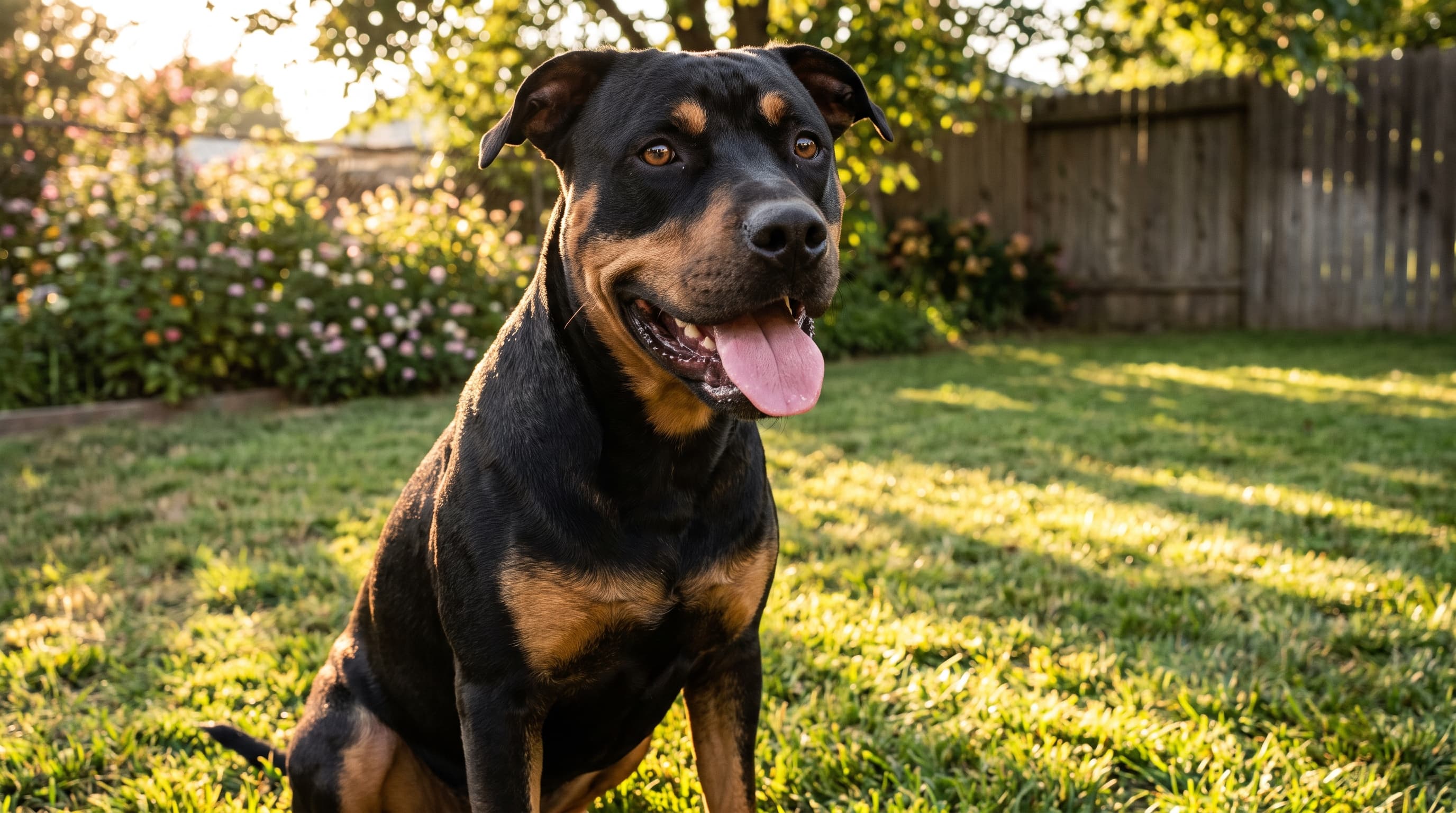

Pitweilers: The Complete Guide to the Pitbull Rottweiler Mix
Pitweilers are a large, powerful hybrid dog that crosses an American Pit Bull Terrier with a Rottweiler, typically standing 18–25 inches tall and weighing 40–100 pounds with a life expectancy of 10–14 years. Bred as devoted family guardians, they are intelligent, athletic, and deeply loyal, but their strength and stubborn streak make them best suited to experienced, active owners who can commit to firm training and daily exercise.
What Is a Pitweiler?
The Pitweiler is a first-generation "designer" crossbreed, produced by pairing a Rottweiler with a Pit Bull-type dog (most often the American Pit Bull Terrier or American Staffordshire Terrier). Like most mixed breeds, it is not recognized by the American Kennel Club, so there is no formal breed standard — meaning appearance, size, and temperament can vary considerably even between puppies in the same litter.
You'll also see this cross marketed under names like Rottie Pit, Pitweiler, Rottbull, or simply "Pitbull Rottweiler mix." Whatever you call it, the result is a muscular, medium-to-large working-type dog that blends the Rottweiler's guarding heritage with the Pit Bull's tenacity and affection for people. If you love this kind of powerful crossbreed, you may also enjoy reading about the Pitbull Mastiff mix.
Pitweiler Appearance: Size, Coat, and Colors
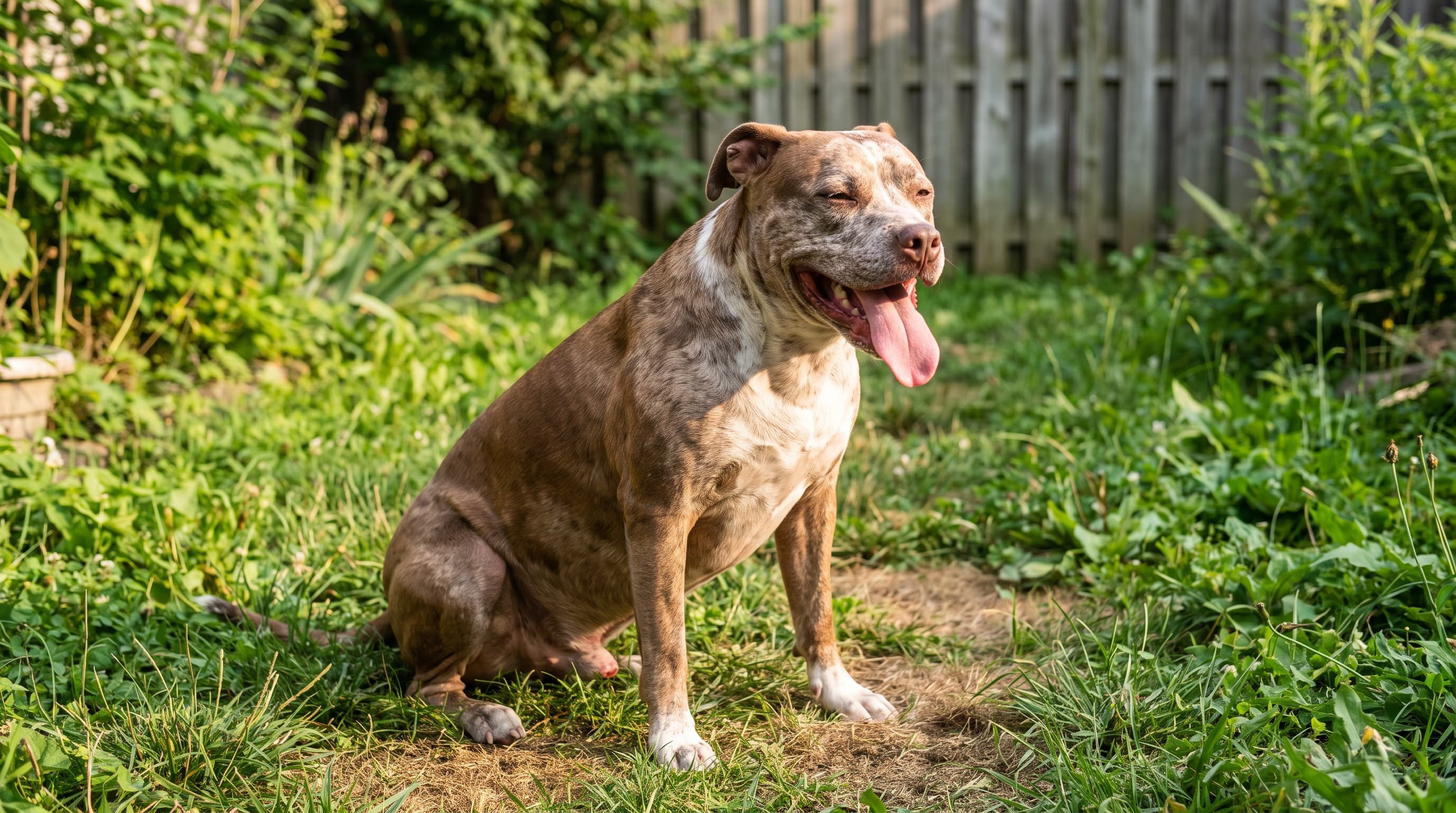
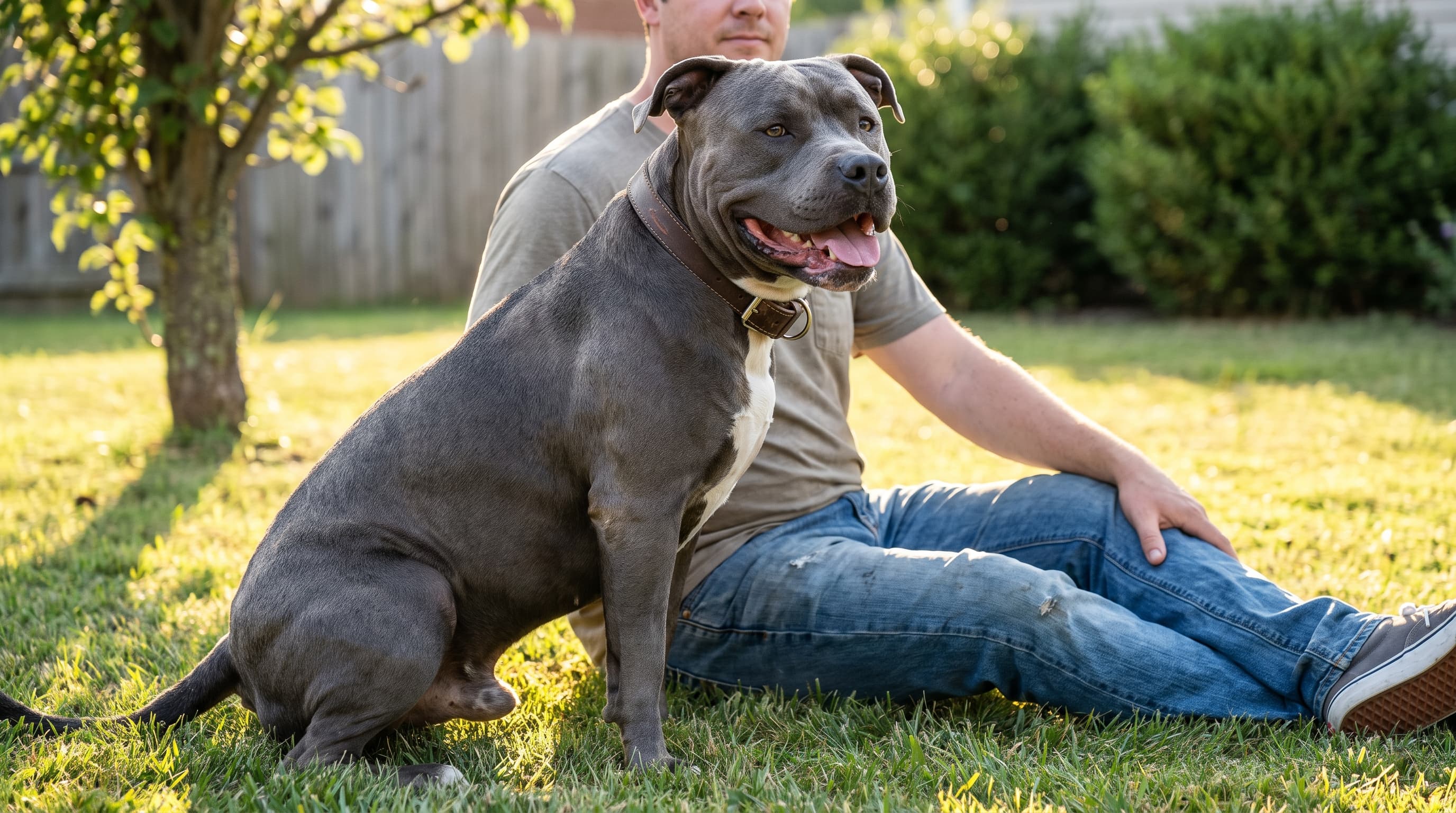
Pitweilers usually inherit a broad, blocky head, deep chest, and dense, muscular frame. Most have a short, straight, single-layer coat that lies close to the body and sheds moderately year-round. According to breed profiles from Dogster, adults typically stand 18–25 inches at the shoulder and weigh anywhere from 40 to 100 pounds depending on which parent they favor.
Common coat colors include black and tan (echoing the classic Rottweiler markings), solid black, brown, brindle, blue, fawn, and white patches on the chest. Because the Pit Bull side contributes so much genetic variety, no two Pitweilers look exactly alike.
Pitweiler Temperament and Personality
Well-bred, well-socialized Pitweilers are affectionate, people-oriented, and famously loyal to their families. Owners frequently describe them as "velcro dogs" that want to be wherever their humans are — and despite an intimidating appearance, many love to cuddle. They are highly intelligent and eager to please, which makes training rewarding when it's consistent.
That said, both parent breeds are natural guardians, so Pitweilers can be wary of strangers and other dogs without early socialization. They also carry a stubborn, strong-willed streak. Rottweilers themselves are known as confident, protective companions, and those instincts often carry through — you can read more about that side of the family in our Rottweiler breed guide. Early, positive exposure to new people, dogs, and environments is the single most important thing you can do for a balanced adult.
Are Pitweilers Good Family Dogs?
In the right home, yes. Pitweilers can be gentle, patient, and protective with children they've been raised alongside. Their devotion and playfulness make them wonderful companions for active families. However, because of their size and strength, interactions with young children should always be supervised, and kids should be taught how to interact respectfully with a large dog.
Rottweilers have a reputation for being steady around children when properly socialized — a trait we cover in depth in Are Rottweilers Good With Kids? The same principles apply to the mix: structure, supervision, and socialization matter far more than breed alone.
Exercise and Training Needs
This is an athletic, high-energy dog. Plan on at least one to two hours of vigorous exercise every day — brisk walks, jogging, fetch, tug, and structured play — plus mental enrichment like puzzle feeders and obedience work. Canine Journal notes that under-exercised Pitweilers can become bored, destructive, and hyperactive, while a well-exercised one is typically calm and relaxed indoors.
Training should start in puppyhood and lean entirely on positive-reinforcement methods. These dogs are strong and smart enough to test boundaries, so consistency and early leash manners are essential. Because of their power, many trainers recommend Pitweilers for owners who already have experience with large, headstrong breeds. A tired, mentally engaged Pitweiler is a well-behaved Pitweiler.
Pitweiler Health and Lifespan
Pitweilers generally live 10–14 years and are considered a reasonably hardy crossbreed, sometimes benefiting from "hybrid vigor." Still, they can inherit health conditions common to both parents. The most frequently cited concerns include:
- Hip and elbow dysplasia — a genetic joint malformation common in large breeds. VCA Animal Hospitals notes that keeping puppies at a lean, healthy weight can significantly lower the risk of developing it.
- Bloat (gastric dilatation-volvulus) — a life-threatening emergency in deep-chested dogs; avoid heavy exercise right after meals.
- Cataracts and other eye issues — reported in both parent breeds.
- Heart conditions such as aortic stenosis, seen in Rottweiler lines.
- Joint and arthritis problems, especially as the dog ages.
Routine veterinary checkups, joint-friendly nutrition, weight management, and screening from a responsible breeder all help. This is general information only — always consult your veterinarian about your individual dog's health, and never begin any supplement or treatment without professional guidance.
Grooming and Everyday Care
Grooming a Pitweiler is refreshingly simple. Their short coat needs only a weekly brush with a rubber curry or bristle brush to manage shedding, plus a bath every few weeks or when they get dirty. Round out care with monthly nail trims, regular ear checks, and dental brushing several times a week. Feed a high-quality, protein-rich diet portioned to their size and activity level, and split meals into two servings to help reduce bloat risk.
Legal Considerations and Responsible Ownership
Because Pitweilers descend from Pit Bull-type and Rottweiler lines, they can be affected by breed-specific legislation (BSL) or restricted by some landlords and insurance providers. Before bringing one home, check your local ordinances and rental or homeowner policies. Responsible ownership — proper training, secure fencing, and socialization — is the best way to be a good ambassador for these often-misunderstood dogs.
Frequently Asked Questions
How big does a Pitweiler get?
Most Pitweilers stand 18–25 inches tall and weigh 40–100 pounds at maturity, depending on which parent breed they take after. Dogs favoring the Rottweiler side tend to be larger and heavier.
How long do Pitweilers live?
The typical Pitweiler lifespan is 10–14 years. Good nutrition, regular veterinary care, weight management, and daily exercise all support a long, healthy life.
Are Pitweilers aggressive?
No breed is inherently aggressive. Pitweilers are strong, protective guardians, but with early socialization and positive training they are typically affectionate and loyal. Temperament depends far more on upbringing, training, and socialization than on breed.
Are Pitweilers good for first-time dog owners?
Generally, no. Their size, strength, and stubborn streak make them better suited to owners with previous experience handling large, headstrong breeds. First-time owners who choose one should invest in professional training early.
Do Pitweilers shed a lot?
Pitweilers have a short, single coat and are moderate, year-round shedders. Weekly brushing keeps loose hair under control, and they require very little other grooming.
How much exercise does a Pitweiler need?
Plan on one to two hours of physical activity daily, plus mental enrichment. A bored, under-exercised Pitweiler can become destructive, so consistent exercise is essential.
Is a Pitweiler Right for You?
Pitweilers reward the right owner with unwavering loyalty, playful affection, and steadfast protection. They need an experienced, active household that can meet their exercise, training, and socialization needs — but for families ready to make that commitment, few dogs are more devoted. If you're still exploring powerful crossbreeds, compare notes with our guides to the Rottweiler and the Pit Bull lifespan before you decide.
Love learning about unique dog breeds? Subscribe to the Daily Wag newsletter for breed profiles, training tips, and pet-care guides delivered straight to your inbox.