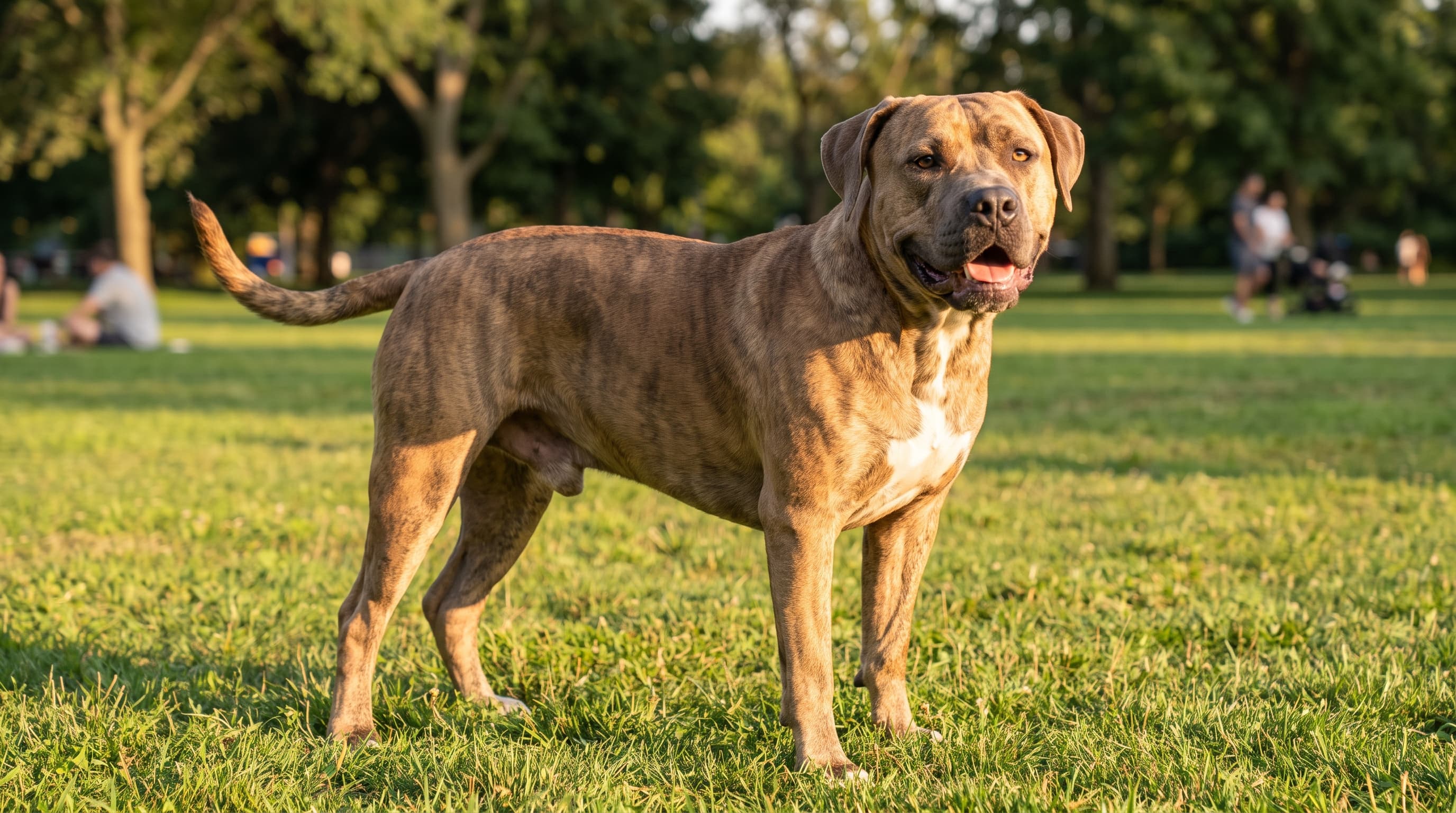

Pitbull Mastiff Mix: The Complete Guide to This Gentle Giant
A pitbull mastiff mix is a large, muscular crossbreed of an American Pit Bull Terrier and a Mastiff or Bullmastiff, standing roughly 25 to 29 inches tall and weighing 100 to 140 pounds. Loyal, affectionate, and naturally protective, this confident guardian suits experienced owners who can offer firm, kind leadership, space, and early socialization.
Few crossbreeds are as misunderstood, or as devoted, as the pitbull mastiff. Blending the athletic tenacity of the American Pit Bull Terrier with the imposing calm of the Mastiff, the result is a powerful family guardian that is often, in the words of one breed profile, "some of the sweetest dogs you will ever meet." In this guide we cover everything a prospective owner needs: appearance, temperament, whether they are safe around children, training and exercise, grooming, health, cost, and how to decide if this breed is right for your home.
Appearance and Size
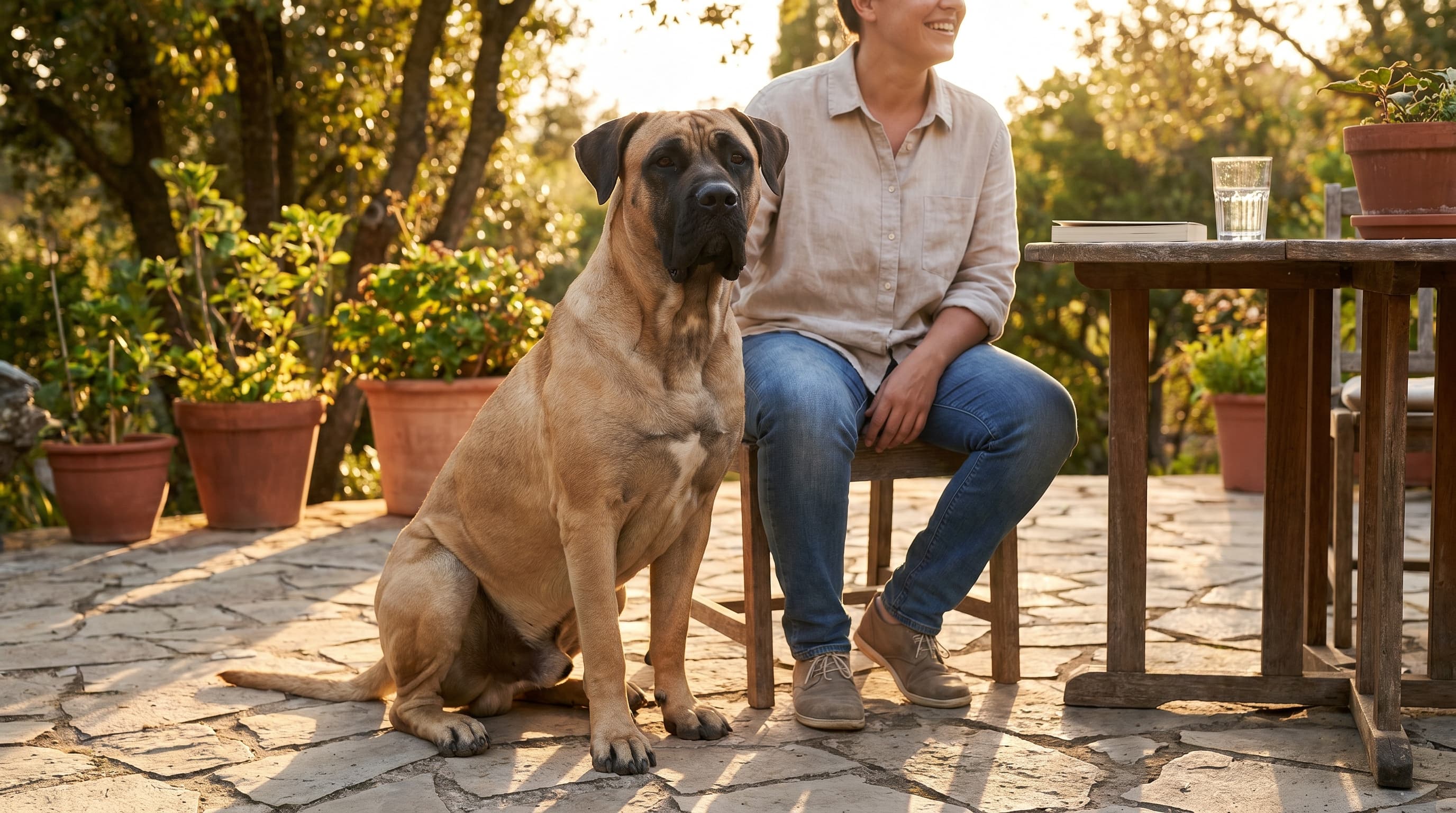
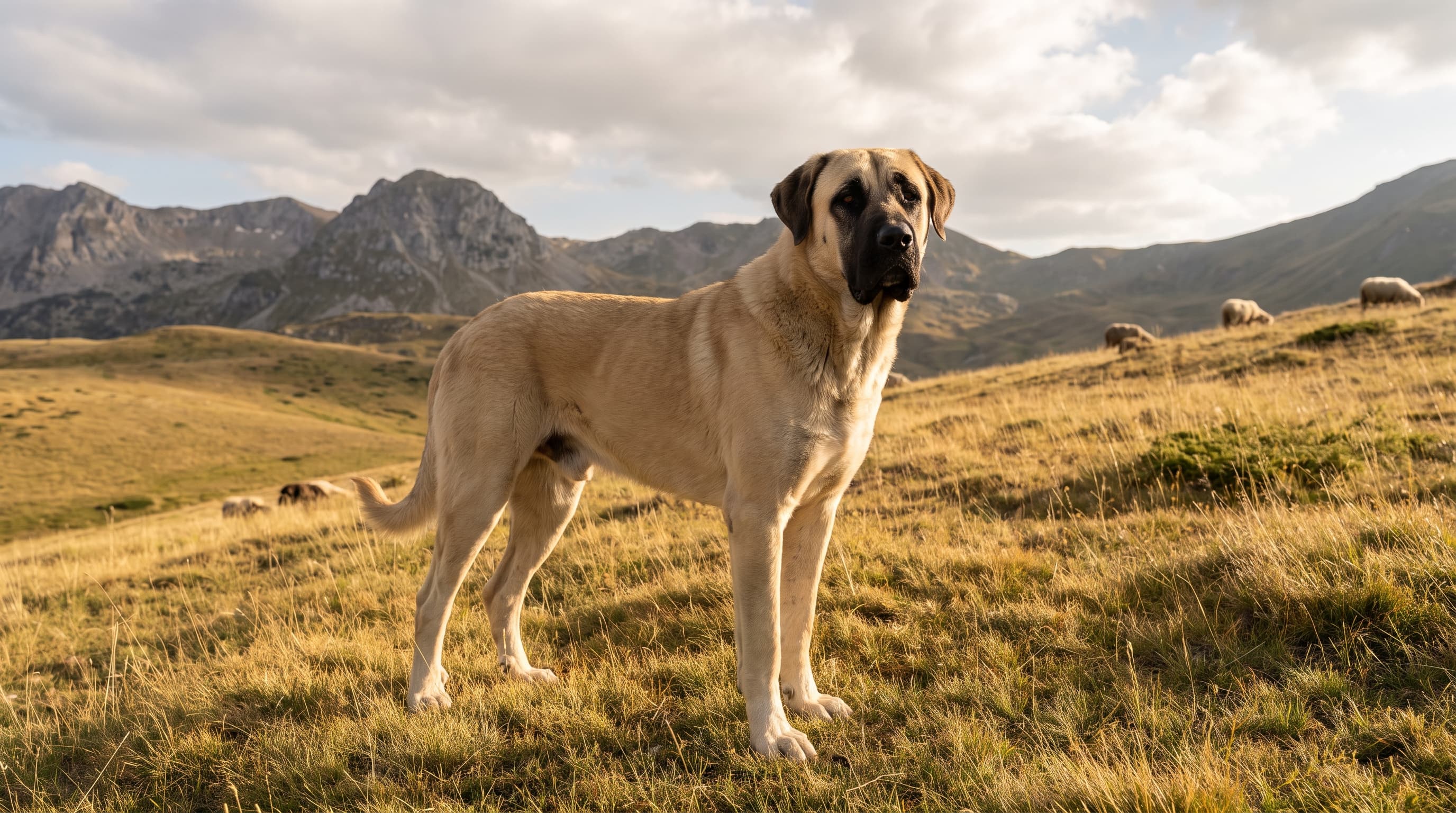
The pitbull mastiff is unmistakably a big dog. Most individuals stand between 25 and 29 inches at the shoulder and weigh anywhere from 100 to 140 pounds, though the exact figure depends heavily on which parent's genes dominate. The Mastiff, a colossal and heavy-boned ancient breed, can weigh well over 200 pounds, while the American Pit Bull Terrier typically tops out around 70 pounds, so litters can vary noticeably in build.
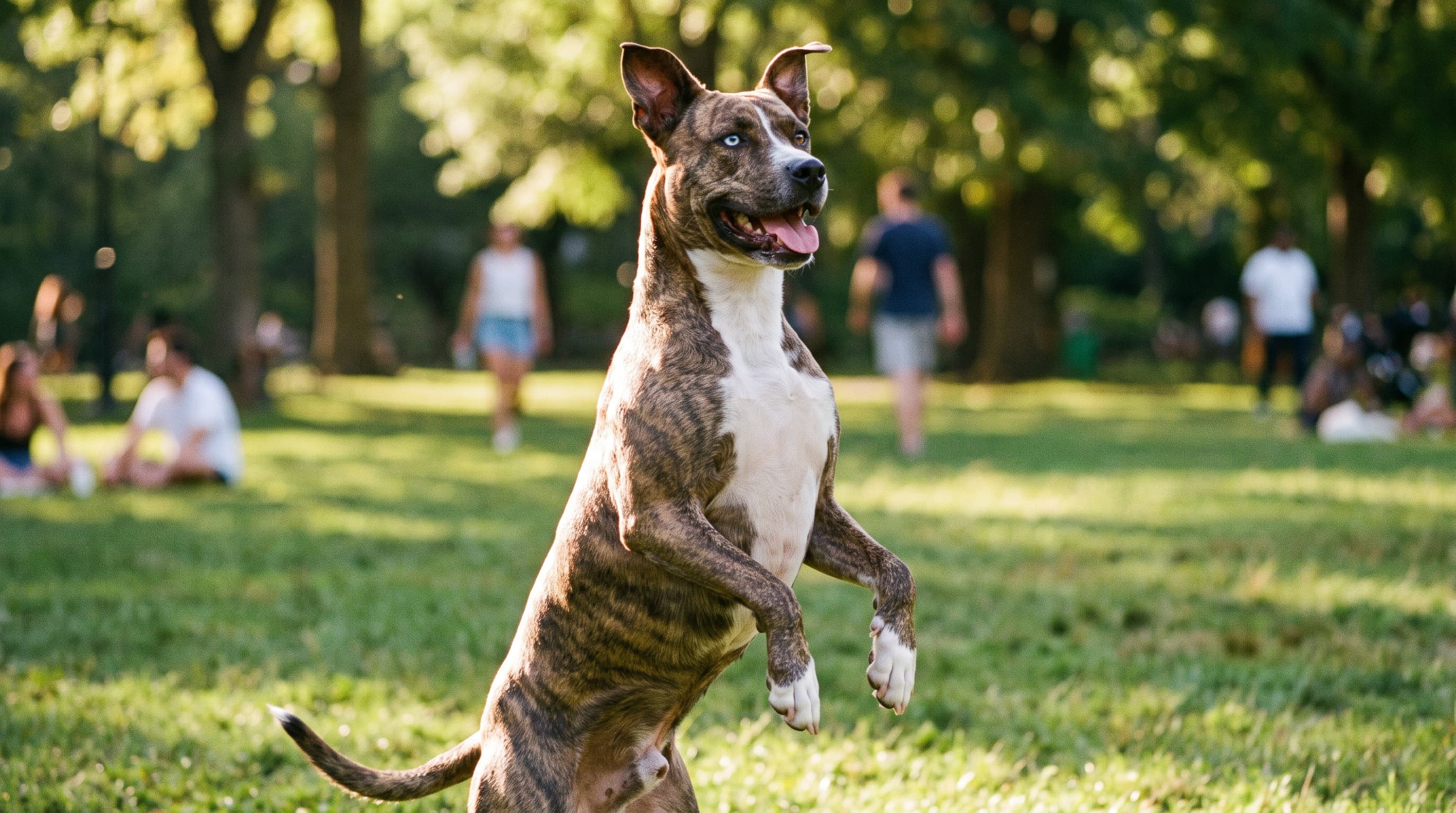
Expect a broad, muscular frame with a deep chest, a thick neck, and a large, square head. Many inherit the Mastiff's slightly droopy jowls, which can mean a tendency to drool. The coat is short, dense, and easy to maintain, sitting close to the body in a single layer. Common colors include fawn, brindle, black, brown, and various patterns with white markings. According to Canine Journal's breed overview, the coat is usually "short, sleek, and single," which keeps grooming demands low even though the dog itself is anything but small.
Quick breed snapshot
- Height: 25 to 29 inches
- Weight: 100 to 140 pounds
- Coat: Short, dense, single layer
- Lifespan: 8 to 12 years
- Parent breeds: American Pit Bull Terrier and Mastiff or Bullmastiff
Temperament and Personality
Beneath the intimidating exterior is a deeply affectionate companion. Both parent breeds are described as steadfastly loyal and bonded to their families, and the mix inherits that devotion in full. These dogs crave companionship, often shadowing their favorite person from room to room, and they can struggle with separation anxiety if left alone for long stretches.
The pitbull mastiff is intelligent, watchful, and confident. That confidence, paired with a strong protective instinct, makes them natural guardians of home and family, echoing the Bullmastiff's reputation as a fearless yet docile guarder. The flip side is that they can be strong-willed and occasionally stubborn, which is why consistent, positive-reinforcement leadership matters from puppyhood. This is a thinking dog that responds to fairness, not force. When their considerable physical strength is matched by calm, structured guidance, the temperament that emerges is stable, gentle, and reassuringly predictable.
If you are drawn to large guardian breeds with this same blend of loyalty and presence, you may also appreciate the Bullmastiff, one of this mix's direct ancestors, or the equally devoted Cane Corso, another confident Italian guardian.
Are Pitbull Mastiffs Aggressive or Good With Kids?
This is the question that matters most to families, and it deserves an honest answer. The pitbull mastiff is not inherently aggressive. The reputation that trails both parent breeds owes far more to irresponsible ownership, poor breeding, and media sensationalism than to the dogs themselves. A well-bred, well-socialized pitbull mastiff is typically affectionate, tolerant, and eager to please its people.
With children they are generally patient and gentle, and many are described as remarkably tolerant of the chaos of family life. The genuine caution is not temperament but size. A 130-pound dog can knock over a toddler without a trace of ill intent, simply by turning around or leaning in for affection. For that reason, interactions between any large dog and small children should always be supervised, and kids should be taught to respect the dog's space.
Two factors make the difference between a wonderful family dog and a liability: early socialization and responsible breeding. The mix can inherit the American Pit Bull Terrier's high prey drive and a territorial streak, so exposing puppies to varied people, dogs, sounds, and environments during their first months is essential. With that groundwork, the protective instinct becomes discernment rather than reactivity. Because they can be less predictable around unfamiliar dogs, ongoing socialization and careful introductions remain worthwhile throughout the dog's life.
Exercise and Training Needs
Exercise requirements vary with the individual. Some pitbull mastiffs lean toward the Pit Bull's athleticism and want vigorous daily activity, while others favor the Mastiff's more laid-back nature and are content with moderate walks and a nap on the sofa. As a general rule, plan on 45 to 60 minutes of daily exercise: brisk walks, structured play, and mental enrichment such as scent games or puzzle feeders. Avoid high-impact exercise on hard surfaces while a puppy's joints are still developing, since these are large, heavy-boned dogs.
Training should start early and stay consistent. This is a strong, intelligent dog that must learn to walk politely on a leash and respond reliably to recall well before it reaches adult size, because managing 130 pounds of enthusiasm is a different proposition than managing a puppy. Positive reinforcement, clear boundaries, and patience work best; harsh methods tend to backfire with a sensitive, loyal breed. Early obedience classes and a strong socialization foundation pay dividends for the dog's entire life. Prospective owners exploring similar powerful working breeds may also want to read about the American Bulldog, another muscular and trainable companion, or browse our overview of the wider world of mastiff breeds to understand the giant-dog temperament in context.
Grooming and Shedding
Here is where the pitbull mastiff rewards its owner: grooming is refreshingly simple. The short, single coat needs only a weekly brush with a rubber curry or bristle brush to remove loose hair and distribute skin oils. Shedding is moderate and manageable rather than seasonal blizzards of undercoat. Bathe only as needed, roughly every couple of months or when the dog gets genuinely dirty, to preserve the skin's natural oils.
Beyond the coat, keep up with routine care: trim nails every few weeks, brush teeth several times a week, and check the ears for wax buildup or odor. Dogs that inherit the Mastiff's loose jowls may drool and can benefit from a quick wipe of the facial folds to keep them clean and dry. None of this is demanding, but it should be a steady habit rather than an afterthought.
Health and Lifespan
The pitbull mastiff typically lives 8 to 12 years, which is fairly standard for a dog of this size. Like all large and giant crossbreeds, it can inherit health conditions from either side of its lineage, and prospective owners should understand the most common risks going in.
- Hip dysplasia: A malformation of the hip joint common in large breeds. The condition, in which the hip joints fit together loosely and abnormally, can cause limping and reduced mobility, and is best managed with early detection and healthy weight.
- Bloat (gastric dilatation-volvulus): A life-threatening emergency in deep-chested dogs where the stomach fills with gas and can twist. It is a genuine medical crisis; the American Kennel Club notes that bloat can be fatal within hours and requires immediate veterinary attention.
- Hypothyroidism: An endocrine disorder that can cause weight gain, lethargy, and skin problems. As PetMD explains, hypothyroidism is common in medium-to-large breeds and is manageable once diagnosed.
- Skin conditions: The Pit Bull side can pass on sensitivities such as allergies or dermatitis.
None of these should scare you off, but all of them argue for buying from a breeder who health-tests their stock, keeping your dog at a lean, healthy weight, and building a relationship with a good veterinarian. This article is for general education only and is not a substitute for professional veterinary advice; always consult your own vet about screening, prevention, and any health concerns specific to your dog.
Cost and Finding a Puppy
Because the pitbull mastiff is a mixed breed rather than a recognized purebred, prices vary widely. Expect to pay roughly $500 to $2,000 for a puppy from a responsible breeder, with the higher end reflecting health-tested parents and reputable programs. Be wary of prices that seem too good to be true, as they often signal backyard breeding, where temperament and health are left to chance.
Whenever possible, ask to meet at least one parent dog, request documentation of health screening for hips and thyroid, and observe how the puppies interact with people. Rescue is another excellent route: mastiff and bully-breed rescues frequently have wonderful mixes looking for experienced homes, often for a fraction of a breeder's price. Beyond the purchase, budget realistically for the ongoing cost of a giant breed, from food and preventive veterinary care to appropriately sized beds, crates, and equipment.
Is the Pitbull Mastiff Right for You?
This is a rewarding dog, but not a beginner's dog. The ideal owner has some experience with large or guardian breeds, can commit to early and ongoing socialization, and has the physical space and lifestyle to accommodate a powerful, people-oriented companion. A house with a securely fenced yard suits them far better than a small apartment, and a family that is home often will keep separation anxiety at bay.
If you can offer confident leadership, consistent training, and abundant affection, the pitbull mastiff repays it with unwavering loyalty and a gentle, protective devotion that few breeds can match. Go in with your eyes open about the size, the strength, and the responsibility, and you will find one of the most steadfast companions in the canine world.
Frequently Asked Questions
How big does a pitbull mastiff mix get?
Most pitbull mastiffs stand 25 to 29 inches tall and weigh 100 to 140 pounds, though size varies with which parent's genes dominate. Some individuals that take after the Mastiff side can be even larger.
How long do pitbull mastiffs live?
The typical lifespan is 8 to 12 years, which is normal for a dog of this size. Good nutrition, a healthy weight, and regular veterinary care all help them reach the upper end of that range.
Are pitbull mastiffs good family dogs?
Yes. Well-bred, well-socialized pitbull mastiffs are loyal, affectionate, and typically gentle and tolerant with children. Because of their size, interactions with small kids should always be supervised, but their temperament with family is usually warm and devoted.
Are pitbull mastiffs aggressive?
No, they are not inherently aggressive. Their reputation stems largely from irresponsible ownership and media portrayal rather than the breed itself. Early socialization, responsible breeding, and consistent training produce a stable, protective, and affectionate dog.
Are pitbull mastiffs easy to train?
They are intelligent and capable, but can be strong-willed, so they are best suited to owners who can be consistent. Positive-reinforcement training that starts early, before the dog reaches full size, yields the best results.
How much does a pitbull mastiff puppy cost?
Expect roughly $500 to $2,000 from a responsible breeder, with health-tested parents commanding higher prices. Rescue and adoption are excellent, more affordable alternatives.
Related Breeds and Next Steps
If the pitbull mastiff has captured your interest, explore two related guardian breeds you may also love: the Bullmastiff and the Cane Corso. Both share the loyal, protective character that makes this mix so appealing.
Want more evidence-based breed guides, training tips, and health insights delivered straight to your inbox? Subscribe to the Daily Wag newsletter and join a community of dog lovers who take great ownership seriously.