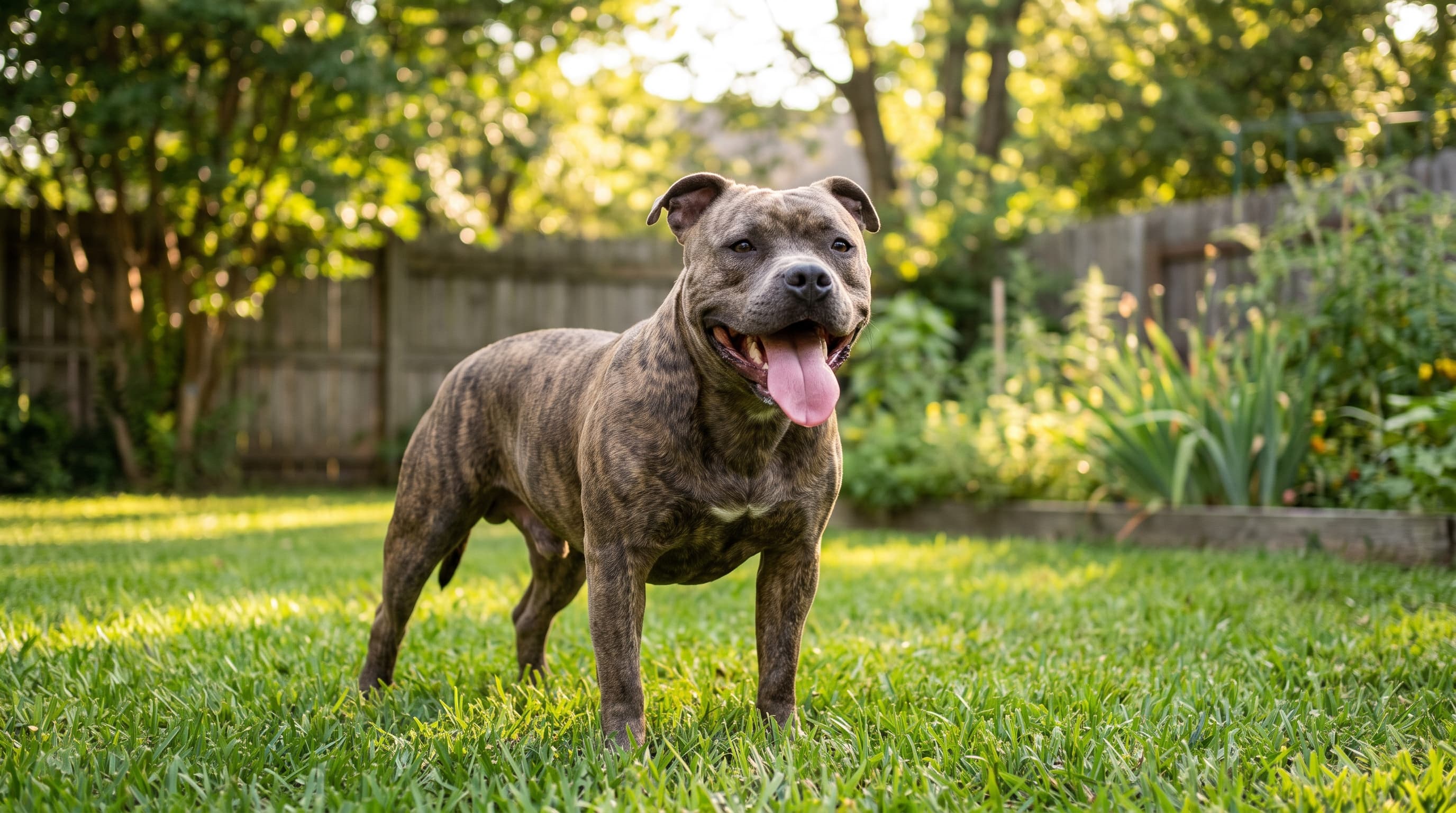

Miniature Pitbull: The Complete Guide to the Pocket-Sized Pit Bull
A miniature pitbull — often called a pocket pitbull or mini pit — is a designer crossbreed created by pairing an American Pit Bull Terrier with the much smaller Patterdale Terrier. The result is a muscular, athletic dog with the classic pit bull look and loyal temperament, shrunk down to roughly 12 to 16 inches tall and 11 to 22 pounds. It is not a purebred and is not recognized by any major kennel club.
What Is a Miniature Pitbull?
Despite the name, a miniature pitbull is not a smaller version of a single breed. "Pit bull" itself is not one breed but a type. As Pit Bull Hero explains, only the American Pit Bull Terrier carries "pit bull" in its official name, while the label is broadly applied to several bully- and terrier-type breeds with athletic builds, short coats, and blocky heads. The miniature or pocket pitbull is a deliberate cross — most commonly an American Pit Bull Terrier (or American Staffordshire Terrier) bred to a Patterdale Terrier to dial the size down while keeping the muscular frame.
Breeders in the United Kingdom developed the pocket pitbull, and the goal was straightforward: capture the confidence, loyalty, and stocky good looks of a pit bull in a body that fits more comfortably into apartments and smaller homes. Because it is a hybrid, no two litters are identical, and traits can lean toward either parent.
Miniature Pitbull Size and Appearance
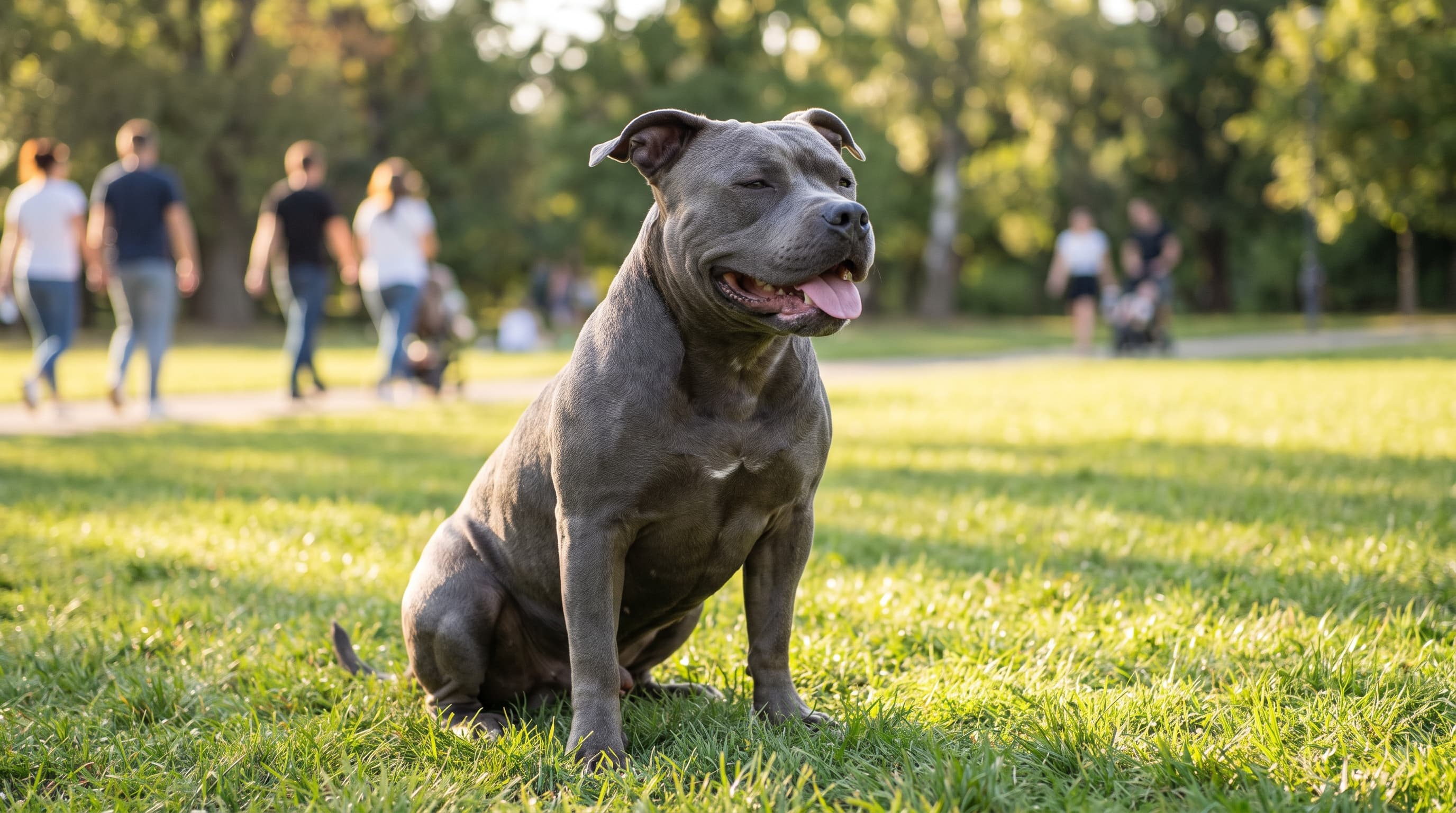
A pocket pitbull is a small-to-medium dog that still looks unmistakably like a pit bull. Most stand under 16 inches at the shoulder and weigh between 11 and 22 pounds, though some individuals reach the high 20s depending on their exact parentage. Expect a broad chest, powerful shoulders, defined muscle, a short smooth coat, and the characteristic wide, blocky head. Coat colors run the full pit bull spectrum: fawn, brindle, black, blue-gray, white, and combinations with white markings.
Beware of marketing terms like "teacup" pitbull. Extreme downsizing can involve breeding runts or introducing dwarfism, which brings real health risks. A responsibly bred pocket pitbull should look like a compact, sturdy athlete — not a fragile miniature.
Temperament and Personality
Pocket pitbulls tend to be affectionate, people-oriented, and playful. They typically bond hard with their families and thrive on inclusion, earning the pit bull family its old nickname of "nanny dogs" for their fondness of household children. The Patterdale side adds terrier tenacity, curiosity, and a lively prey drive, so you get a dog that is both cuddly and spirited.
Like any powerful, intelligent dog, a miniature pitbull needs early socialization and consistent, reward-based training to become a confident, well-mannered adult. They generally do well with children who are taught to interact respectfully. Interactions with other dogs and small pets should be supervised, especially given the terrier prey drive. For families weighing a stronger breed, our guide to the American Bulldog and the Bullboxer Pit offers useful side-by-side context.
Exercise and Training Needs
Do not let the small size fool you — a pocket pitbull is an energy-packed dog. Plan on at least 45 to 60 minutes of vigorous activity daily, split between brisk walks, fetch, tug, and brain games. A bored, under-exercised mini pit will find its own entertainment, usually in the form of chewing or digging. Puzzle feeders and scent work channel that terrier drive productively.
Training should start early and stay positive. These dogs are smart and eager to please, which makes them highly trainable, but they can also be stubborn when a session turns into a battle of wills. Short, upbeat, reward-based sessions win every time. Proper leash manners are essential given their strength relative to their size.
Grooming and Care
Grooming a miniature pitbull is refreshingly simple. The short, smooth coat needs only a weekly once-over with a rubber curry brush or grooming mitt to remove loose hair and keep the skin healthy; shedding is low to moderate and seasonal. Bathe every one to two months or as needed. Round out care with regular nail trims, weekly ear checks, and a dental routine of brushing plus vet-approved chews.
Miniature Pitbull Health and Lifespan
A healthy pocket pitbull typically lives about 11 to 13 years. Because it draws on two parent breeds, it can inherit conditions from either side, including hip dysplasia, patellar luxation, skin allergies, hypothyroidism, and heart concerns. Crossbreeds sometimes benefit from "hybrid vigor," but that is never a guarantee of health. This section is general information only and is not a substitute for veterinary advice — always work with a licensed veterinarian for screening, diagnosis, and care, and choose a breeder who health-tests both parents.
Is a Miniature Pitbull Right for You?
A pocket pitbull can be a wonderful companion for an active individual or family that can provide daily exercise, early socialization, and consistent training. They fit smaller living spaces better than a full-size pit bull, but they still need a job to do and plenty of engagement. Prospective owners should also check local ordinances and rental or insurance policies, since some areas apply breed-specific legislation to pit-bull-type dogs regardless of size. If you love the bully look but want to compare options, the American Pit Corso and the Bullypit are worth a look.
Frequently Asked Questions About Miniature Pitbulls
How big does a miniature pitbull get?
Most pocket pitbulls stand under 16 inches tall and weigh between 11 and 22 pounds, though some reach the high 20s. They stay compact but remain solidly muscular.
Is a miniature pitbull a real breed?
No. It is a designer crossbreed — usually an American Pit Bull Terrier bred with a Patterdale Terrier — and is not recognized by the AKC or other major kennel clubs.
Are miniature pitbulls good family dogs?
Yes, with the right owner. They are affectionate and playful and often do well with respectful children, but they need early socialization, daily exercise, and consistent positive training.
How long do pocket pitbulls live?
A healthy miniature pitbull generally lives about 11 to 13 years when given good nutrition, exercise, and routine veterinary care.
Do miniature pitbulls shed a lot?
No. Their short, smooth coat sheds only lightly to moderately and needs just a weekly brushing to stay in good shape.
What is the difference between a pocket pitbull and a teacup pitbull?
"Pocket" refers to the Patterdale cross that produces a naturally smaller, sturdy dog. "Teacup" is a marketing term for extreme downsizing that can involve health-compromising practices and should be approached with caution.
The Bottom Line
The miniature pitbull packs the loyalty, muscle, and charm of a pit bull into a more manageable package. It is not a purebred and not a low-energy lap dog — it is a spirited, affectionate athlete that rewards owners who invest in training, exercise, and socialization. Do your homework on breeders, local laws, and health testing, and you will have a devoted companion for well over a decade.
Want more honest breed breakdowns like this one? Subscribe to the Daily Wag newsletter for weekly breed guides, training tips, and dog news you can actually use.