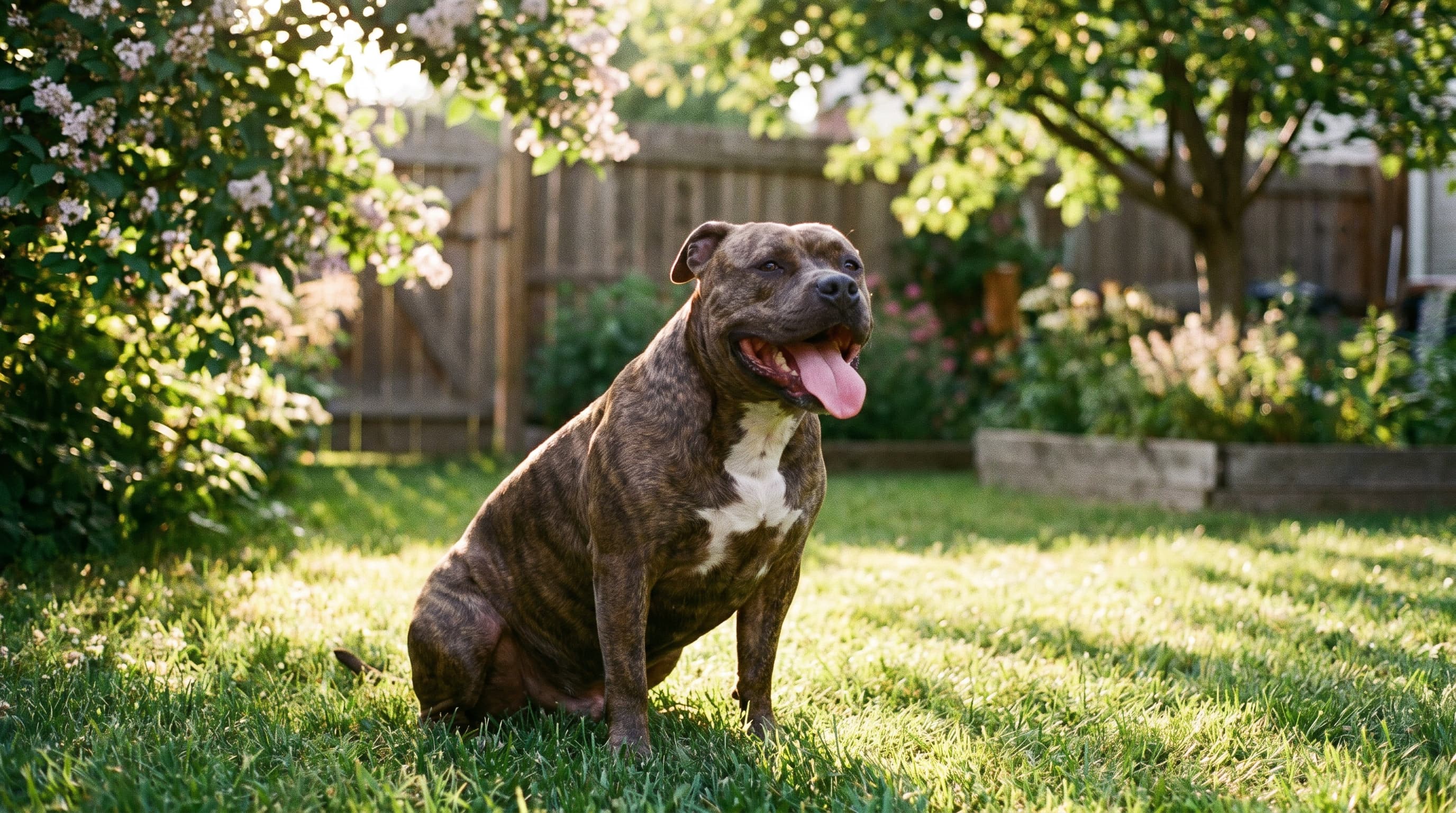

A pocket pitbull is a compact, muscular companion dog created by crossing the American Pit Bull Terrier with the smaller Patterdale Terrier. It typically stands 12–16 inches tall and weighs 11–22 pounds, keeping the loyal, affectionate, athletic temperament of a standard pit bull in an apartment-friendly package that lives roughly 11–13 years.
What is a pocket pitbull?
The pocket pitbull (sometimes called a miniature pitbull or pocket bully) is not a purebred or an AKC-recognized breed. It is a deliberate designer cross, most commonly between an American Pit Bull Terrier-type dog and the Patterdale Terrier, a hardy English working terrier prized for its small frame and bold drive. Breeders combine the two to shrink the silhouette while preserving the people-loving personality pit bull lovers adore.
Because it is a hybrid, size and appearance vary litter to litter. Some pocket pitbulls lean tall and rangy like their terrier parent; others are blocky and broad-chested like a scaled-down bully. There is no single "standard," which is exactly why buyers should focus on the individual dog and its parents rather than a marketing label. According to Wild Earth's breed overview, the goal of the cross is a farm-dog temperament in a house-dog body.
Pocket pitbull vs. pocket bully: are they the same?
This is the most common point of confusion online, and the terms are used loosely. A "pocket pitbull" generally refers to the Pit Bull × Patterdale cross described above. A "pocket bully," by contrast, is a recognized size variety of the American Bully (itself partly descended from pit bull lines) bred down through American Bully and sometimes French Bulldog or other stock. The result: pocket bullies are usually shorter, wider, and heavier-boned, while pocket pitbulls are often leaner and more athletic. As A-Z Animals notes in its size comparison, the practical difference for most owners is build and energy level rather than personality.
Size, appearance, and coat
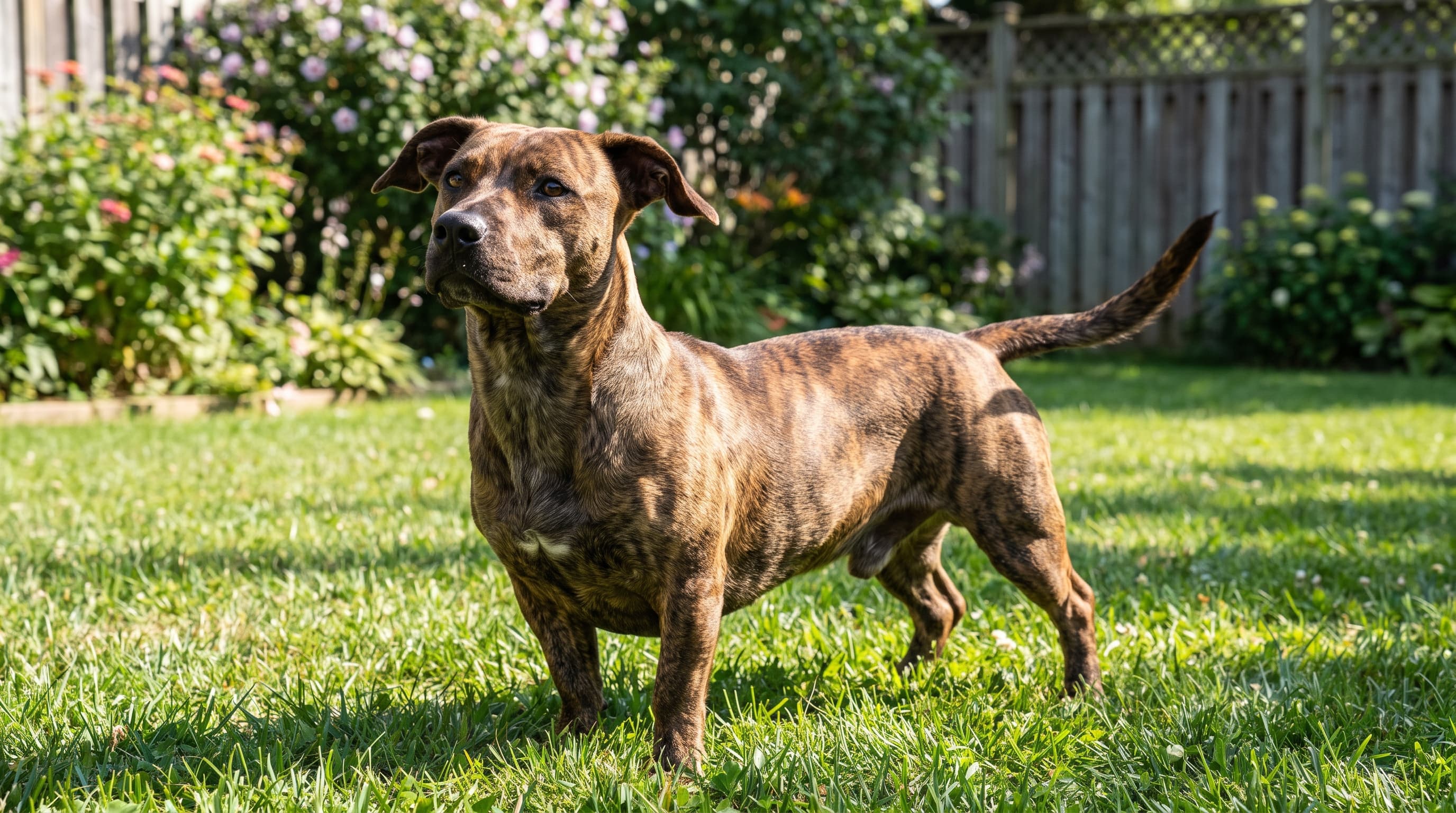
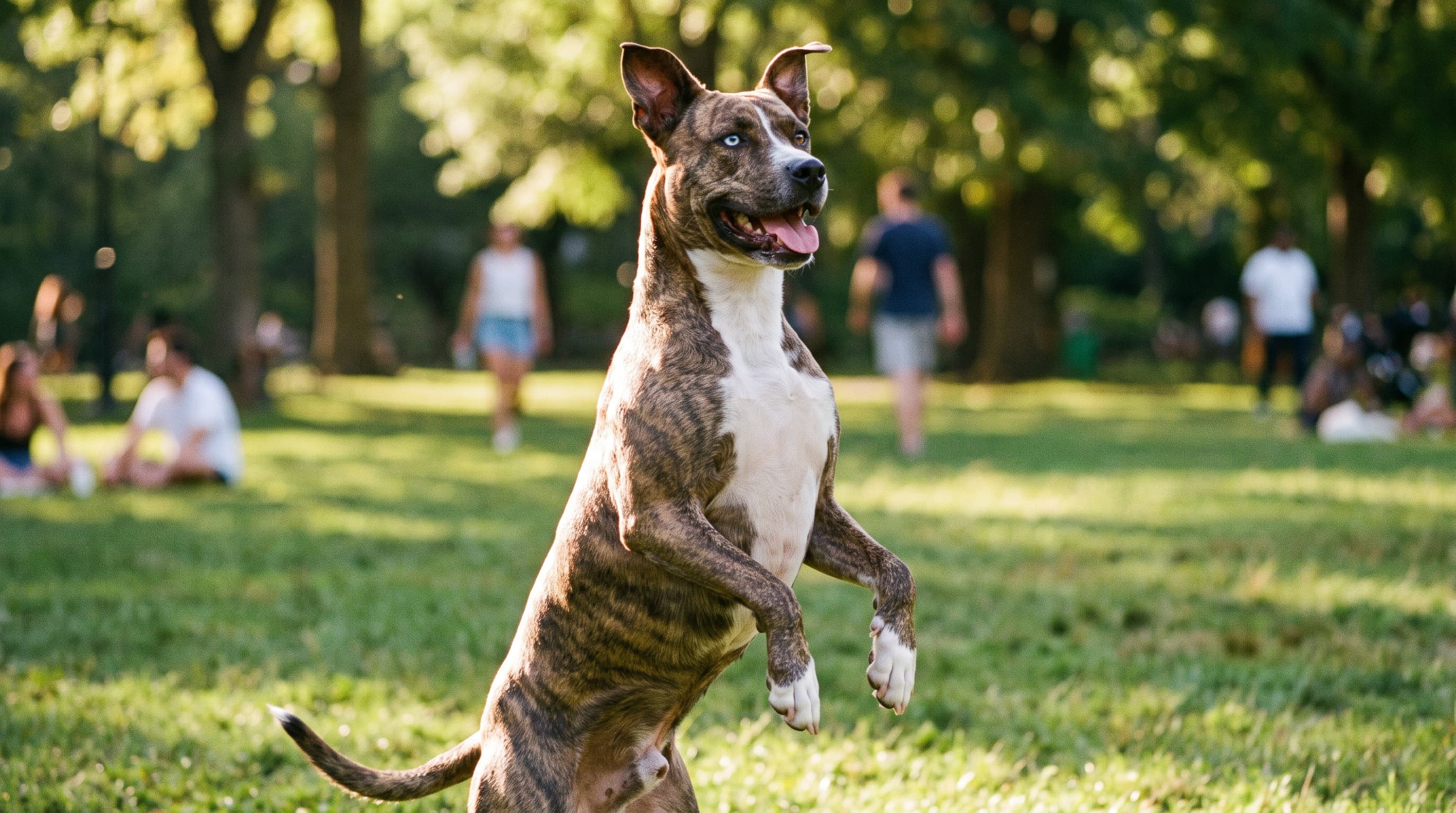
Most pocket pitbulls top out around 12–16 inches at the shoulder and 11–22 pounds, though some heavier-set individuals reach 30 pounds. They keep the breed's signature short, glossy, single-layer coat that comes in nearly every pit bull color: black, blue, fawn, brindle, white, brown, and patched combinations. The coat is low-maintenance, but the single layer offers little insulation, so these dogs feel both heat and cold quickly. K9 Web's care guide emphasizes that the compact frame still carries dense, working-dog muscle.
Color and the merle warning
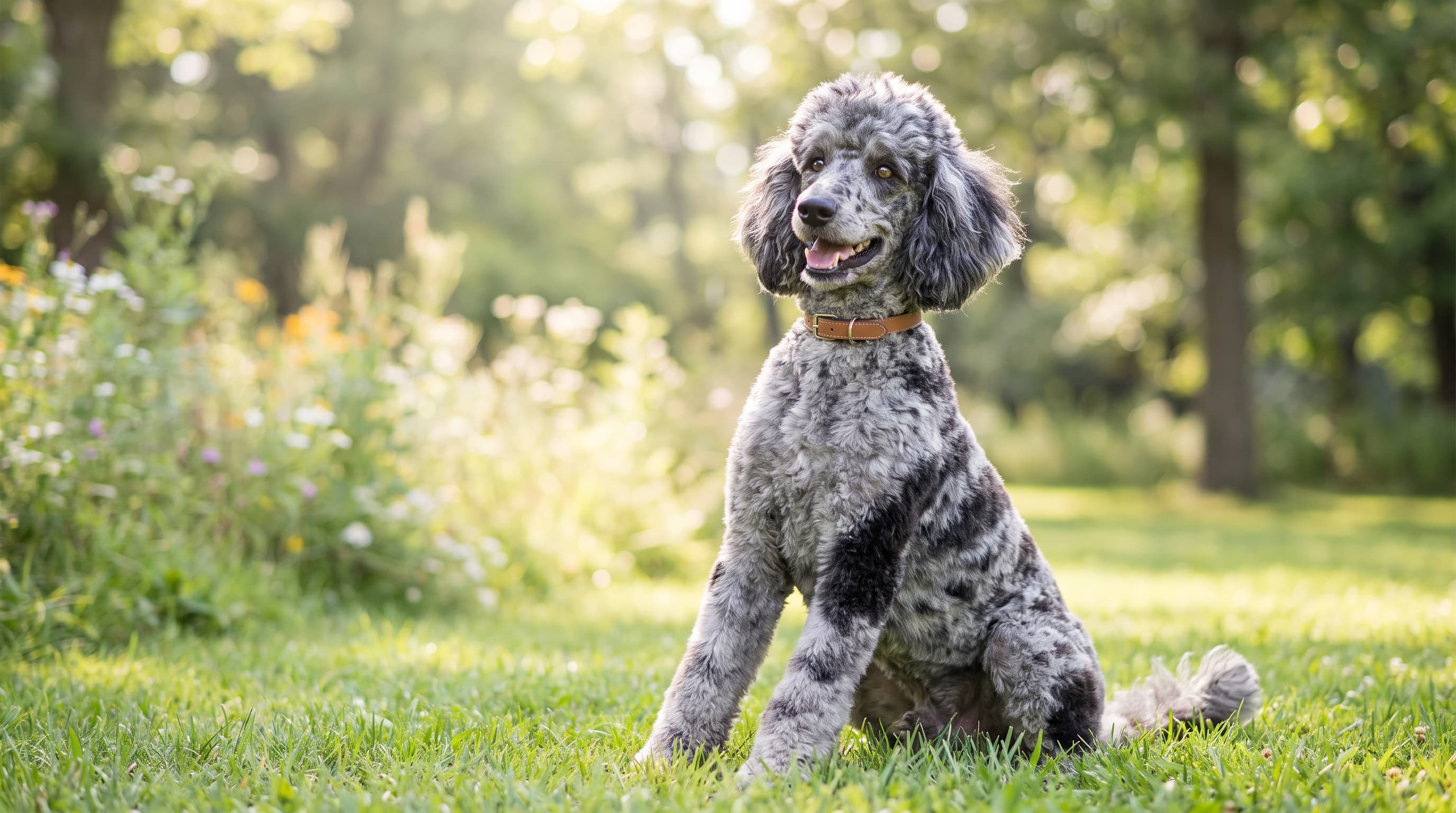
Brindle and blue are popular, and some breeders market rare "merle" pocket pitbulls at premium prices. Merle is not naturally found in pit bull lines and is associated with vision and hearing problems when doubled up, so treat merle marketing as a red flag rather than a selling point. If coat patterns fascinate you, our guide to the brindle and solid-coat working breeds explains how pigment genetics actually work.
Temperament and personality
Pocket pitbulls are, first and foremost, people dogs. Owners and breed resources consistently describe them as affectionate, loyal, confident, and goofy, with a strong desire to be near their humans. Properly socialized pit bull-type dogs are typically gentle with their families and have historically scored well on standardized temperament evaluations. The American Temperament Test Society has long reported pass rates for American Pit Bull Terriers above 85%, comparable to or better than many popular family breeds, per Wag!'s breed profile.
That said, these are smart, driven dogs with terrier tenacity from the Patterdale side. They need a job, early socialization, and consistent leadership. Bored or under-exercised pocket pitbulls can become diggers, chewers, and escape artists. They often do best as the center of attention and may need careful, gradual introductions to other dogs.
Exercise, training, and care
Plan on at least 45–60 minutes of real activity daily: brisk walks, fetch, tug, flirt-pole sessions, and puzzle feeders. Their athletic build and clever brain mean mental enrichment matters as much as physical exercise. Positive-reinforcement training works far better than heavy-handed methods, and early puppy socialization is non-negotiable. Grooming is genuinely easy: a weekly rubdown with a rubber curry mitt, regular nail trims, and routine dental and ear care. If you live in a smaller space, our roundup of the best dogs for apartments covers how to channel that energy indoors.
Pocket pitbull health and lifespan
Pocket pitbulls generally live 11–13 years. As a hybrid they can inherit conditions from either parent, including hip dysplasia, patellar luxation, skin allergies and atopic dermatitis, hypothyroidism, heart conditions, and eye issues. Deliberately downsized dogs can also carry conformation problems if bred carelessly, so ask any breeder for health testing on both parents. This is general information, not veterinary advice; for an individual health plan, consult your veterinarian, and watch for the warning signs that warrant a vet visit.
How much does a pocket pitbull cost?
Expect to pay roughly $1,500 to $5,000 or more from a reputable breeder, with "exotic" colors driving prices higher (often a marketing tactic rather than a quality signal). Factor in ongoing costs for quality food, training, routine veterinary care, and pet insurance. Because the cross is trendy, be wary of backyard breeders and online "deals" that skip health testing entirely. Dogster's care guide recommends meeting the parents and seeing the litter in person before committing.
Is a pocket pitbull right for you?
A pocket pitbull suits an active owner who wants a devoted, velcro-style companion that fits a smaller home but still craves exercise and engagement. They can be wonderful with children when raised well, but they need socialization, structure, and time. Note that breed-specific legislation and housing or insurance restrictions still target "pit bull" dogs in some areas, so confirm local rules and your lease before bringing one home.
History and origins of the pocket pitbull
The pocket pitbull emerged in the United States in the 2000s, riding the same designer-dog wave that produced labradoodles and goldendoodles. Breeders wanted the unmistakable pit bull look and personality without the 50-70 pound frame, so they reached for the Patterdale Terrier, an English fell terrier bred to work fox and vermin across rough country. The Patterdale brings down the size while contributing grit, stamina, and a no-quit attitude. The American Pit Bull Terrier side, descended from 19th-century bull-and-terrier crosses, contributes the broad smile, the people-oriented loyalty, and the athletic, muscular build. Because the cross is only a couple of decades old, lines are still inconsistent, and the label remains a description of type rather than a closed gene pool.
Feeding and nutrition
Feed a high-quality diet formulated for active small-to-medium dogs, splitting the daily ration into two meals to support steady energy. Most pocket pitbulls do well on roughly 1 to 1.5 cups of quality kibble per day, adjusted for weight, age, and activity, but always follow the feeding chart and your veterinarian's guidance. These dogs love food and can pack on pounds quickly, and extra weight is hard on joints already prone to dysplasia. Skin allergies are common in pit bull-type dogs, so some owners find a limited-ingredient or novel-protein diet helps; discuss any food trial with your vet first. Keep treats to about ten percent of daily calories and use part of the meal ration for training rewards.
Pocket pitbulls with kids and other pets
With proper socialization, pocket pitbulls are typically affectionate and patient with the children in their family. Still, their strength and exuberance mean play with toddlers should always be supervised, and kids should be taught to respect the dog's space. Relationships with other dogs are more individual: the terrier drive can make some pocket pitbulls dog-selective, especially with same-sex dogs, so slow, positive introductions matter. Many live happily with pets they were raised alongside, but a high prey drive means small animals like rabbits or rodents should be kept separate. If you are weighing this breed for a household with young children, our roundup of the best dogs for families with kids is a useful companion read.
Frequently asked questions
Are pocket pitbulls a real breed?
No. The pocket pitbull is a designer hybrid, usually an American Pit Bull Terrier crossed with a Patterdale Terrier. It is not recognized by the AKC or UKC as a distinct breed, so traits vary between individual dogs.
How big do pocket pitbulls get?
Most stand 12–16 inches tall and weigh 11–22 pounds, though some reach about 30 pounds depending on which parent they take after. They are compact but densely muscled, not delicate.
Are pocket pitbulls good family dogs?
They can be excellent family companions. They are typically affectionate, loyal, and tolerant when well socialized, though their energy and strength mean interactions with very young children should always be supervised.
How long do pocket pitbulls live?
The typical lifespan is 11–13 years. Good nutrition, regular exercise, weight management, and routine veterinary care give them the best shot at the upper end of that range.
Do pocket pitbulls bark a lot?
They are not especially vocal compared with many small breeds, but the terrier influence can make them alert barkers. Consistent training and enough daily stimulation keep nuisance barking in check.
Are pocket pitbulls banned anywhere?
Possibly. Because they descend from pit bull-type dogs, they may be affected by breed-specific legislation and by housing or insurance restrictions in some cities and rental properties. Always check local laws before adopting.
The bottom line
The pocket pitbull packs a full-size pit bull heart into a compact, apartment-friendlier frame. With early socialization, daily exercise, and a reputable breeder, it can be a loyal, loving companion for years. If you love this body type and temperament, you may also enjoy our guides to the powerful, affectionate Cane Corso and the family-friendly American Bulldog. And for a weekly dose of breed deep-dives and dog-care tips, subscribe to the Daily Wag newsletter.