
Manchester Terrier: The Complete Guide to Britain's Sleek "Gentleman's Terrier"
The Manchester Terrier is a small-to-medium, smooth-coated English breed built for speed and ratting, instantly recognized by its jet-black coat with rich mahogany-tan markings. It comes in two varieties — Toy (under 12 lb) and Standard (12–22 lb) — and is an alert, affectionate, low-shedding companion that typically lives 14–16 years and thrives with active families.
What Is a Manchester Terrier?
The Manchester Terrier is one of the oldest identifiable terrier breeds, developed in 19th-century England — specifically around the industrial city of Manchester — to hunt rats and rabbits. Breeders crossed the old English Black and Tan Terrier with the Whippet, producing a dog that combined a hound's coursing speed with a terrier's fearless vermin-hunting drive. According to the American Kennel Club, the result is a "sleek, racy" dog that still carries that ratting instinct today.
The breed was so associated with Victorian city gentlemen — who used the dogs for both rat-baiting sport and companionship — that it earned the nickname "the Gentleman's Terrier." Modern Manchesters are far more likely to be curled on a sofa than chasing rodents, but the athletic build and quick mind remain unchanged.
Toy vs. Standard: The Two Manchester Terrier Varieties
Unlike most breeds, the Manchester Terrier is registered in two size varieties that are otherwise nearly identical in temperament and appearance:
- Toy Manchester Terrier — Stands roughly 10–12 inches tall and weighs under 12 pounds. Per Chewy's breed education, Toys must have naturally erect ("candle-flame") ears and cannot be cropped.
- Standard Manchester Terrier — Stands about 15–16 inches and weighs 12–22 pounds. Standards may have naturally erect, button, or cropped ears depending on the registry and region.
Both varieties share the same signature: a tight, glossy black coat with tan points over the eyes, on the muzzle, chest ("rosettes"), and lower legs. AnimalCorner notes both types generally live 14–16 years, so the choice usually comes down to whether you want a true toy-sized lap dog or a slightly sturdier small dog.
Temperament and Personality
Manchester Terriers are bright, devoted, and endlessly entertaining. They bond intensely with their people — often shadowing one favorite person around the house — and are famous for a "cat-like" cleanliness and a tendency to burrow under blankets. Expect a dog that is playful and clownish at home yet naturally reserved with strangers.
As a true terrier, the breed is alert and quick to sound the alarm, which makes it an excellent watchdog but also a potential barker without guidance. That same ratting heritage means a strong prey drive: small pets like hamsters, and sometimes cats, can trigger the chase instinct. Early socialization tempers the wariness and helps a Manchester become a confident, well-mannered adult rather than a nervous or nippy one.
Exercise and Training Needs
Do not let the sleek, elegant look fool you — this is an energetic working breed. Most Manchesters need one to one-and-a-half hours of daily exercise, ideally split between physical activity (brisk walks, fetch, a securely fenced sprint) and mental stimulation like puzzle toys or trick training, according to BorrowMyDoggy's breed guide. A bored Manchester will invent its own entertainment, often involving digging or barking.
The good news: they are highly intelligent and eager to please, which makes them quick learners in obedience, agility, and earthdog events. Keep sessions short, upbeat, and reward-based — terriers respond poorly to heavy-handed correction. Because the breed can be strong-willed, consistency matters more than force. If you're weighing a small, trainable dog for a flat, our roundup of the best dogs for apartments puts breeds like this in context.
Grooming, Coat, and Shedding
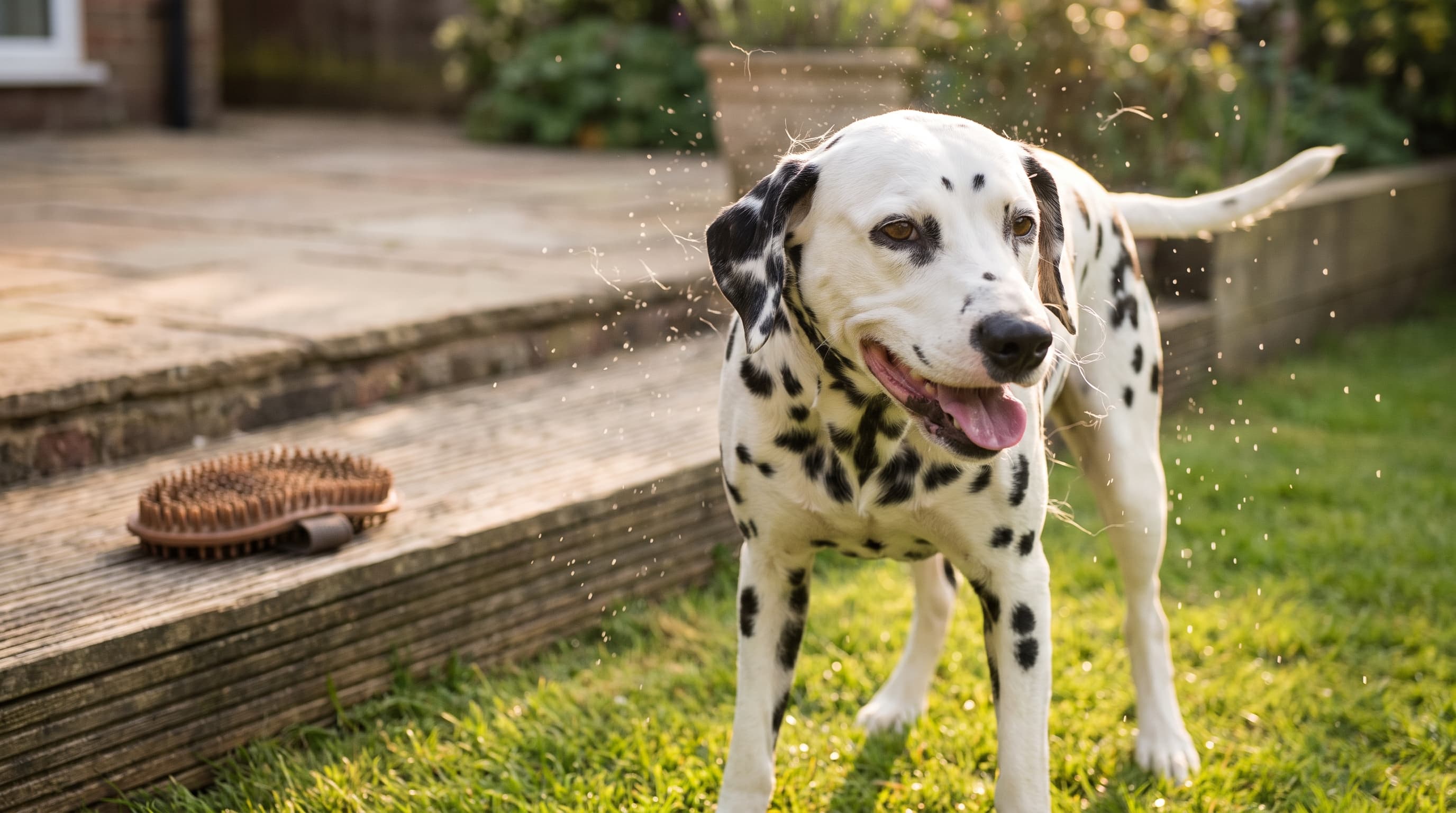
Grooming a Manchester Terrier is refreshingly simple. The short, dense, single-layer coat needs only a weekly once-over with a rubber curry or hound glove to remove loose hair and keep the shine, plus a bath every couple of months. They are considered low shedders, though "low" is not the same as "none" — some fine dark hairs will still appear on light furniture. Routine nail trims, ear checks, and dental care round out the maintenance. Owners who love a wash-and-go dog will appreciate that the Manchester asks for far less coat work than wiry or double-coated breeds like the Miniature Schnauzer.
Health and Lifespan
Manchester Terriers are generally hardy and long-lived, with a typical lifespan of 14–16 years. Like every breed, they carry a few known health considerations that responsible breeders screen for. The most notable is von Willebrand disease, an inherited bleeding disorder; reputable breeders test breeding stock. Other conditions to be aware of include patellar luxation (slipping kneecaps), certain heart concerns, and juvenile cardiomyopathy in some lines. AKC breed resources recommend regular veterinary checkups and buying from health-tested parents. This is general educational information, not medical advice — always consult your veterinarian about screening and preventive care for your individual dog.
Is a Manchester Terrier Right for You?
A Manchester Terrier can be a wonderful match if you want a smart, clean, affectionate small dog that doubles as a vigilant watchdog and doesn't leave tumbleweeds of fur behind. They suit active singles, couples, and families with older children, and they adapt well to apartment life provided they get real daily exercise. They are less ideal for homes with free-roaming small pets, or for owners who are away for very long stretches, since the breed forms deep attachments and can be prone to separation-related barking. If you like the sleek terrier look and drive, you may also enjoy the closely related Rat Terrier and the scrappy, fox-faced Cairn Terrier.
Frequently Asked Questions
Are Manchester Terriers rare?
Yes. The Manchester Terrier — especially the Standard variety — is considered an uncommon breed in North America, so prospective owners often join a waitlist with a reputable breeder or work with breed-specific rescue.
Do Manchester Terriers bark a lot?
They can. As alert terriers with strong watchdog instincts, they readily bark at unfamiliar sounds and visitors. Early training and adequate mental stimulation keep barking manageable.
Are Manchester Terriers good with kids and other dogs?
They generally do well with respectful older children and can live happily with other dogs when socialized early. Their high prey drive means caution around very small pets and unfamiliar small animals.
Do Manchester Terriers shed?
They are low shedders with a short, single coat. Weekly brushing controls the modest amount of loose hair, but they are not considered a fully hypoallergenic breed.
What's the difference between a Manchester Terrier and a Miniature Pinscher?
They look similar and share black-and-tan coloring, but they are distinct breeds with different origins. The Manchester descends from English Black and Tan Terriers crossed with Whippets, while the Miniature Pinscher developed in Germany. Manchesters also come in two size varieties.
How much exercise does a Manchester Terrier need?
Plan on 60–90 minutes of daily activity, combining walks or runs with mental enrichment. They excel at agility, fetch, and earthdog trials that channel their natural drive.
Bring Home the Gentleman's Terrier
Sleek, smart, and surprisingly low-maintenance, the Manchester Terrier delivers big personality in a tidy, easy-care package. If this athletic charmer has caught your eye, keep exploring similar breeds with our full profiles on the Rat Terrier and the Cairn Terrier — and subscribe to the Daily Wag newsletter for weekly breed spotlights, training tips, and dog-friendly finds delivered straight to your inbox.