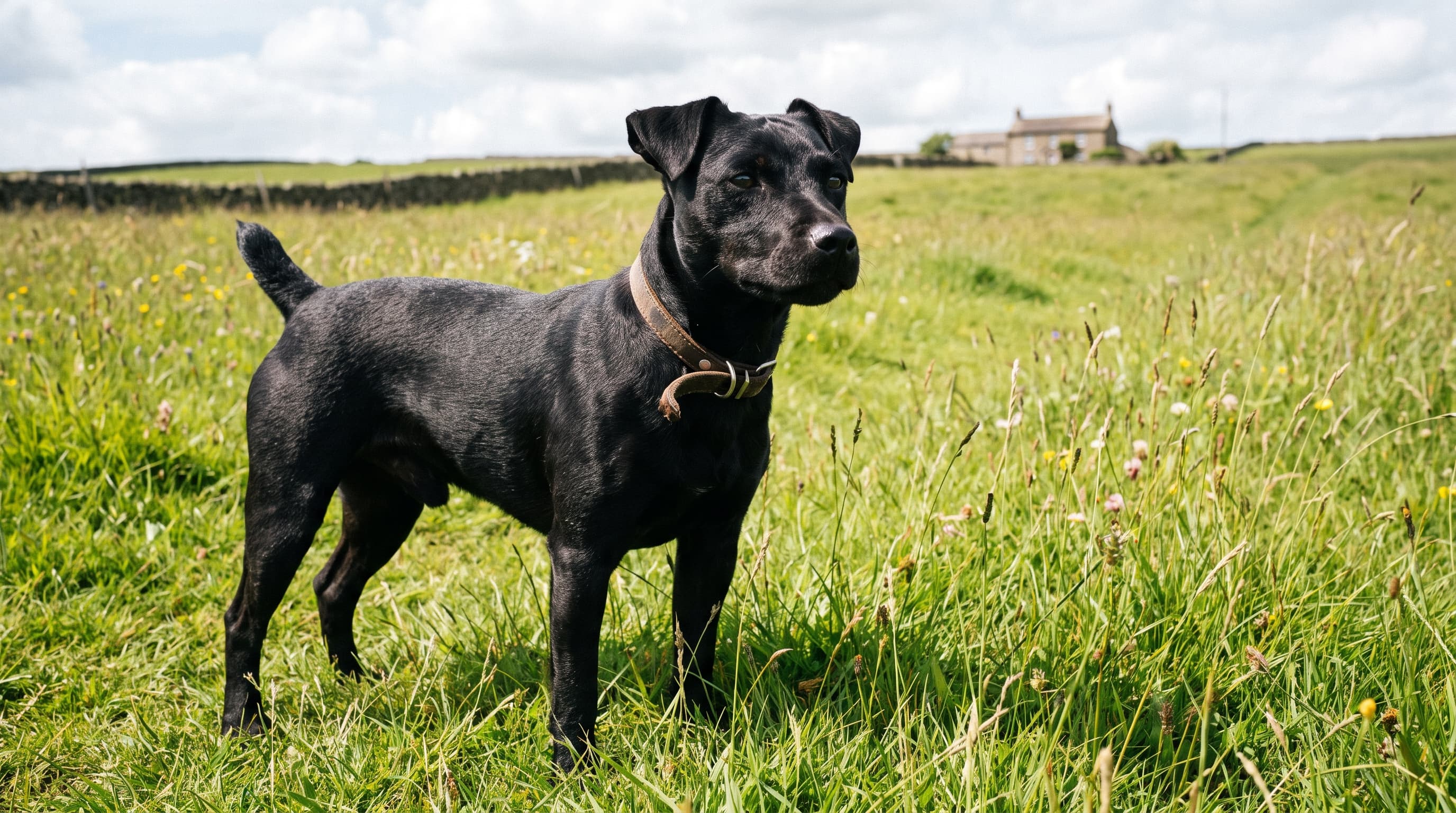

Patterdale Terrier: The Complete Breed Guide
The Patterdale Terrier is a small, tough, working terrier from England's Lake District, bred to hunt fox and vermin in rugged hill country. Weighing about 11–13 pounds and standing 12–15 inches tall, this bold, high-energy dog is fearless, intelligent, and intensely loyal. Patterdales make devoted companions for active owners who can meet their need for exercise, structure, and a strong sense of humor.
Don't let the size fool you: inside that compact, muscular frame is one of the most determined dogs in the terrier world. Here's what life with a Patterdale really looks like — the good, the demanding, and everything in between.
History and Origin
The Patterdale Terrier takes its name from the village of Patterdale in the Lake District of northern England, where the breed was developed during the first half of the 20th century. Working terriers in the Fell country needed to be small enough to go to ground after fox but game enough to face down quarry underground on rocky, unforgiving terrain. Breeders such as Joe Bowman and later Cyril Breay and Frank Buck shaped the tough, no-nonsense dog we know today.
Unlike show breeds refined for appearance, the Patterdale was bred purely for function. As DogTime notes, it descends from the old Fell and black-and-tan working terriers of northern England. That working heritage explains nearly everything about the breed's modern personality — the drive, the grit, and the boundless energy. In the United States the Patterdale is recognized by the United Kennel Club but not the American Kennel Club, and it remains most popular among hunters, farmers, and terrier-sport enthusiasts.
Appearance and Size
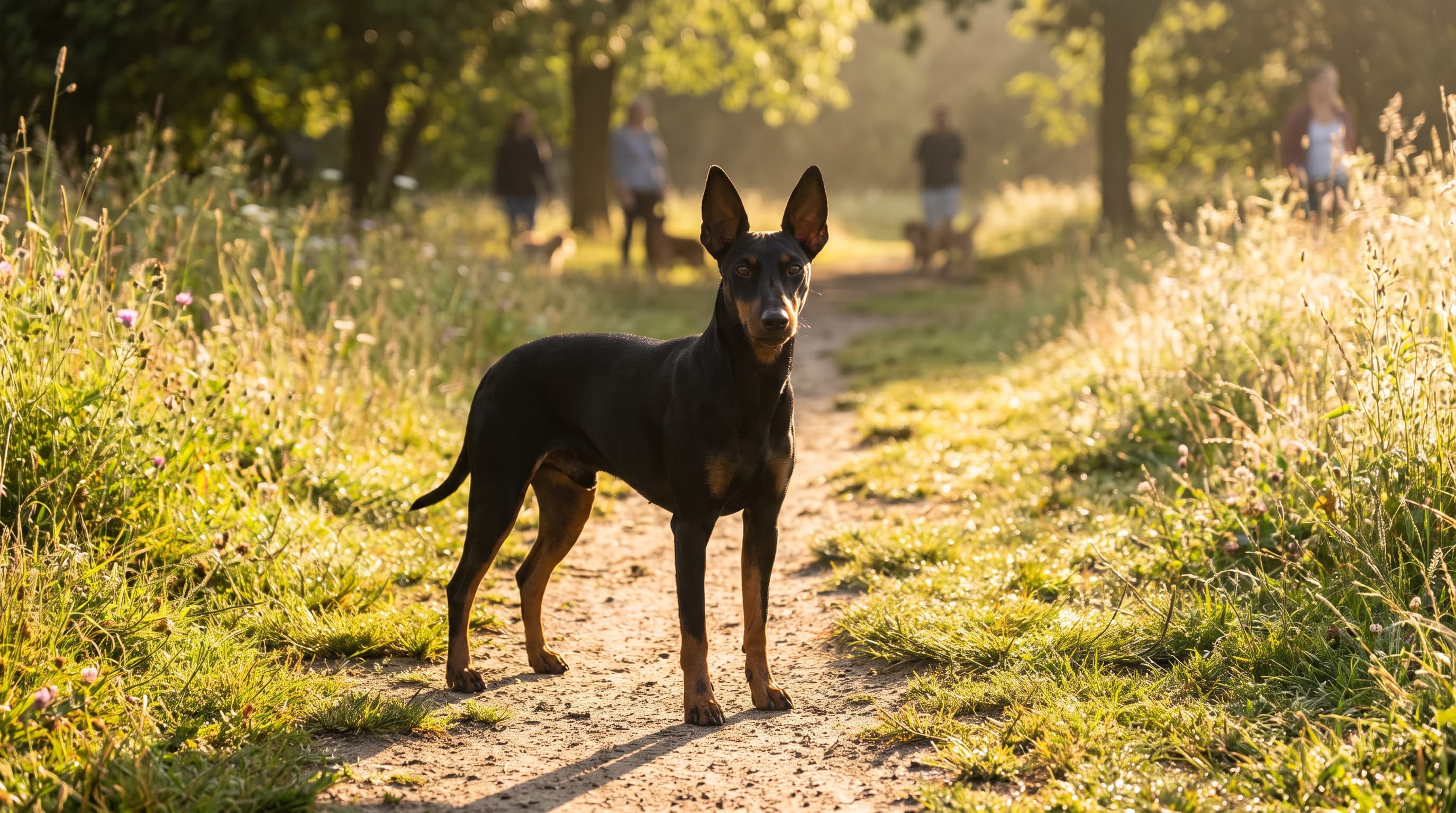
Patterdale Terriers are small but sturdily built, with a deep chest, strong legs, and an athletic, workmanlike look. Most weigh between 11 and 13 pounds and stand 12 to 15 inches at the shoulder, though working lines vary. According to Wisdom Panel, weights can range roughly from 10 to 17 pounds depending on the line.
The breed comes in three coat types — smooth, broken, and rough (or "wirehaired") — all of them dense and weather-resistant to handle cold, wet conditions. Common colors include solid black, red, liver/chocolate, bronze, and black-and-tan, sometimes with a small white marking on the chest. Whatever the coat, it's low-maintenance and built for the field.
Temperament and Personality
If you want a mellow lapdog, look elsewhere. The Patterdale is bold, confident, and fearless — a big personality in a small package. These dogs are affectionate and deeply loyal to their families, often bonding closely with one or two people, and they're playful and full of fun at home.
They're also independent and can be stubborn, a legacy of being bred to make decisions alone underground. Dogster describes them as lionhearted dogs that thrive with active families able to provide both structure and fun. Patterdales are generally good with children they're raised with, but their high prey drive means smaller household pets — cats, rabbits, hamsters — can be seen as quarry rather than friends. Early, consistent socialization is essential.
Exercise and Energy Needs
This is the single most important thing to understand before getting a Patterdale: they need a lot of exercise. Bred to run for miles across fells in pursuit of prey, they have working-dog stamina in a companion-sized body. Wag! suggests these terriers benefit from roughly 16 miles of walking per week, along with plenty of active play.
Plan on at least an hour of vigorous daily activity — brisk walks, off-leash running in a securely fenced area, fetch, and terrier sports like earthdog trials or barn hunt. Just as important is mental exercise: puzzle toys, training games, and jobs to do. A bored, under-exercised Patterdale will find its own entertainment, usually in the form of digging, barking, or escaping. Because of that prey drive and love of digging, a secure yard and reliable leash are non-negotiable.
Training and Intelligence
Patterdales are smart and highly capable, but their independence makes training a partnership rather than a dictatorship. They respond best to positive reinforcement — rewards, praise, and play — delivered with firm, consistent leadership. Harsh methods backfire with this sensitive-yet-stubborn breed.
Start socialization and basic obedience early. Focus on a rock-solid recall (challenging given their prey drive) and on channeling their energy into acceptable outlets. Terrier sports are ideal: they let a Patterdale do the kind of work it was built for. Because they share the drive, digging instinct, and cleverness of other working terriers, many of the same training strategies apply to relatives like the Rat Terrier and the Cairn Terrier. Owners who've handled a Border Collie will recognize the same need to keep a bright, driven mind busy.
Health and Lifespan
The Patterdale Terrier is a hardy, functional breed with a typical lifespan of about 11 to 14 years. Because it was bred for work rather than looks, it has avoided many of the exaggerated features that cause problems in some purebreds, and the gene pool is relatively robust.
That said, no breed is problem-free. Conditions occasionally seen in Patterdales include patellar luxation (slipping kneecaps), eye conditions such as cataracts or lens problems, and, rarely, heart issues. Their high activity level makes joint care and healthy weight important, and Chewy's breed resource similarly emphasizes that these hardy terriers thrive with active owners who can keep them fit. Routine veterinary checkups, dental care, parasite prevention, and a quality diet go a long way. If you buy from a breeder, choose one who screens their dogs and can discuss the health of the parents.
Grooming and Care
Grooming a Patterdale is refreshingly simple. Smooth and broken coats need only weekly brushing and shed moderately; rough coats may benefit from occasional hand-stripping to keep the texture. Bathe only as needed — these dogs stay fairly clean, and over-bathing strips the coat's natural weather resistance.
Round out care with regular nail trims, weekly ear checks (especially after time in fields or brush), and consistent tooth brushing, since small breeds are prone to dental disease. Otherwise, a Patterdale asks for very little at the grooming table and a great deal on the trail.
Feeding and Nutrition
A working terrier's engine runs hot, so feed a high-quality diet formulated for small, active dogs. Most Patterdales do well on a complete food with a solid animal-protein source to fuel muscle and stamina. Portion to your dog's weight and activity level, and split the daily amount into two meals to keep energy steady and reduce the risk of stomach upset.
Because Patterdales are small, calories add up fast — a few too many treats can tip an athletic dog toward overweight, which strains the joints they rely on. Keep treats to under 10% of daily calories and use part of the meal ration for training rewards. Always provide fresh water, especially around vigorous exercise, and check with your veterinarian about the right food and portion for your individual dog's age and activity.
Is a Patterdale Terrier Right for You?
A Patterdale can be a wonderful dog — for the right home. Consider one if you're active, enjoy the outdoors, and want a loyal, spirited companion that thrives on having a job. Think twice if you're gone long hours, live somewhere without safe space to run, keep small pets, or prefer a laid-back, low-energy dog. In the wrong home, an under-stimulated Patterdale's intelligence and drive turn into digging, barking, and escaping. In the right one, you'll have one of the gamest, most devoted little dogs on earth.
Frequently Asked Questions
Are Patterdale Terriers good family dogs?
They can be excellent family dogs for active households, and they're generally good with children they're raised alongside. Because of their energy and prey drive, they suit families with older kids who can respect a busy dog, and they need early socialization if there are small pets in the home.
Do Patterdale Terriers bark a lot?
They can be vocal, especially when bored, under-exercised, or alerting to activity. Plenty of physical and mental exercise, early training, and clear boundaries keep barking in check. A tired Patterdale is a quieter Patterdale.
How much exercise does a Patterdale Terrier need?
A lot — plan on at least an hour of vigorous activity daily, plus mental enrichment. Bred to work across rugged country, they have high stamina and can walk many miles a week. Without enough outlet for that energy, they become destructive.
Are Patterdale Terriers hard to train?
They're intelligent and capable but independent and sometimes stubborn, so training takes patience and consistency. Positive reinforcement works best; harsh corrections don't. Recall is the biggest challenge because of their strong prey drive, so a secure yard and leash are essential.
How long do Patterdale Terriers live?
Most Patterdale Terriers live about 11 to 14 years. As a hardy working breed, they tend to be healthy, but routine veterinary care, dental hygiene, joint care, and a healthy weight all help them live a long, active life.
Are Patterdale Terriers good with other dogs and cats?
With early socialization, many Patterdales get along fine with other dogs. Cats and small pets are trickier because of the breed's strong hunting instinct, which can lead them to chase. Success depends heavily on early, careful introductions and management.
The Bottom Line
The Patterdale Terrier is proof that great things come in small, fearless packages. Bred for grit and stamina in the English fells, it rewards active, committed owners with fierce loyalty, endless fun, and a personality several sizes larger than its body. Give a Patterdale the exercise, training, and purpose it craves, and you'll gain a devoted partner for years of adventures.
Love spirited working breeds? Keep exploring with our guides to the Rat Terrier and the Cairn Terrier, two more clever, energetic terriers. And subscribe to the Daily Wag newsletter for breed spotlights, training tips, and everything that makes life with dogs better.