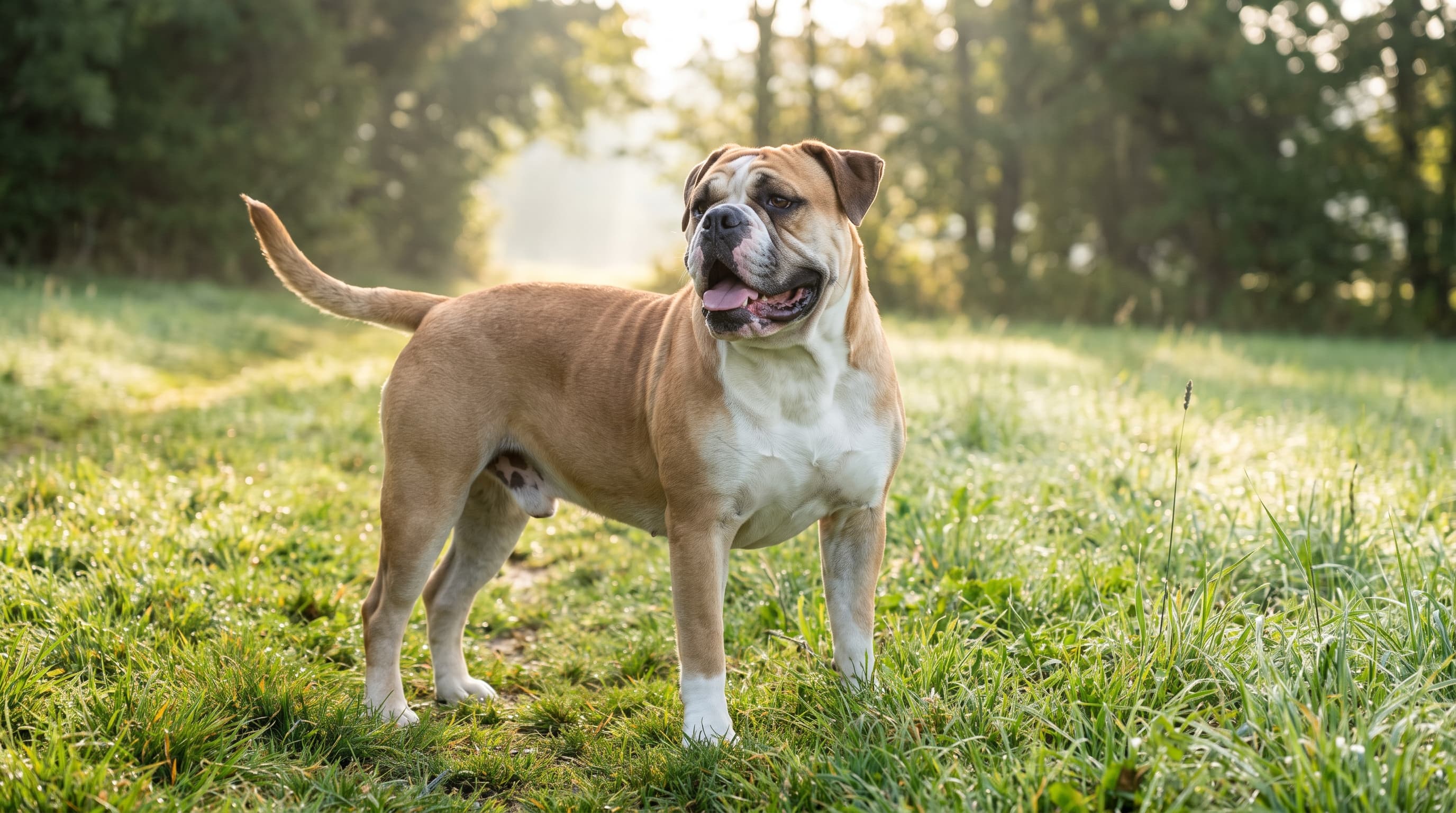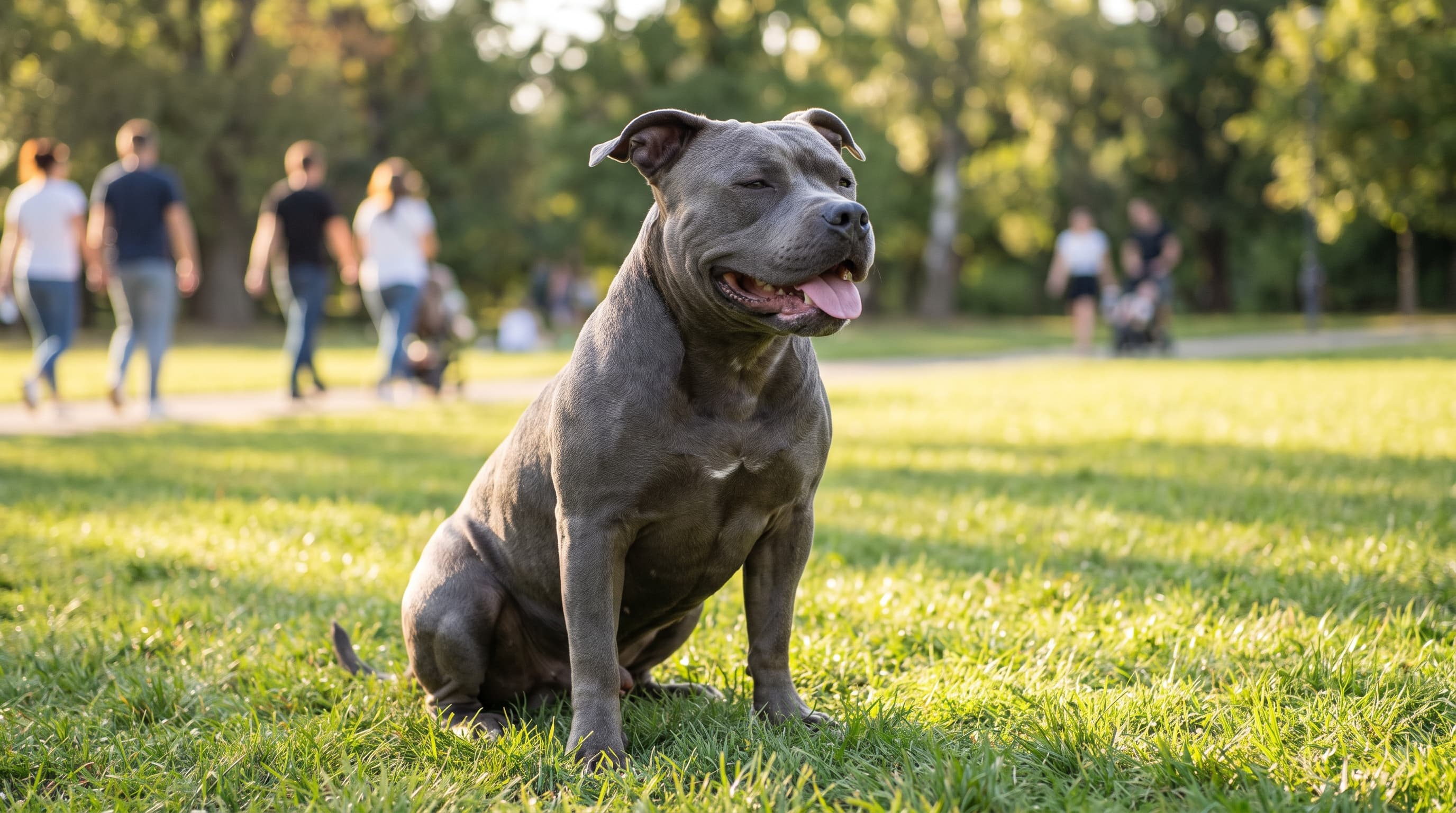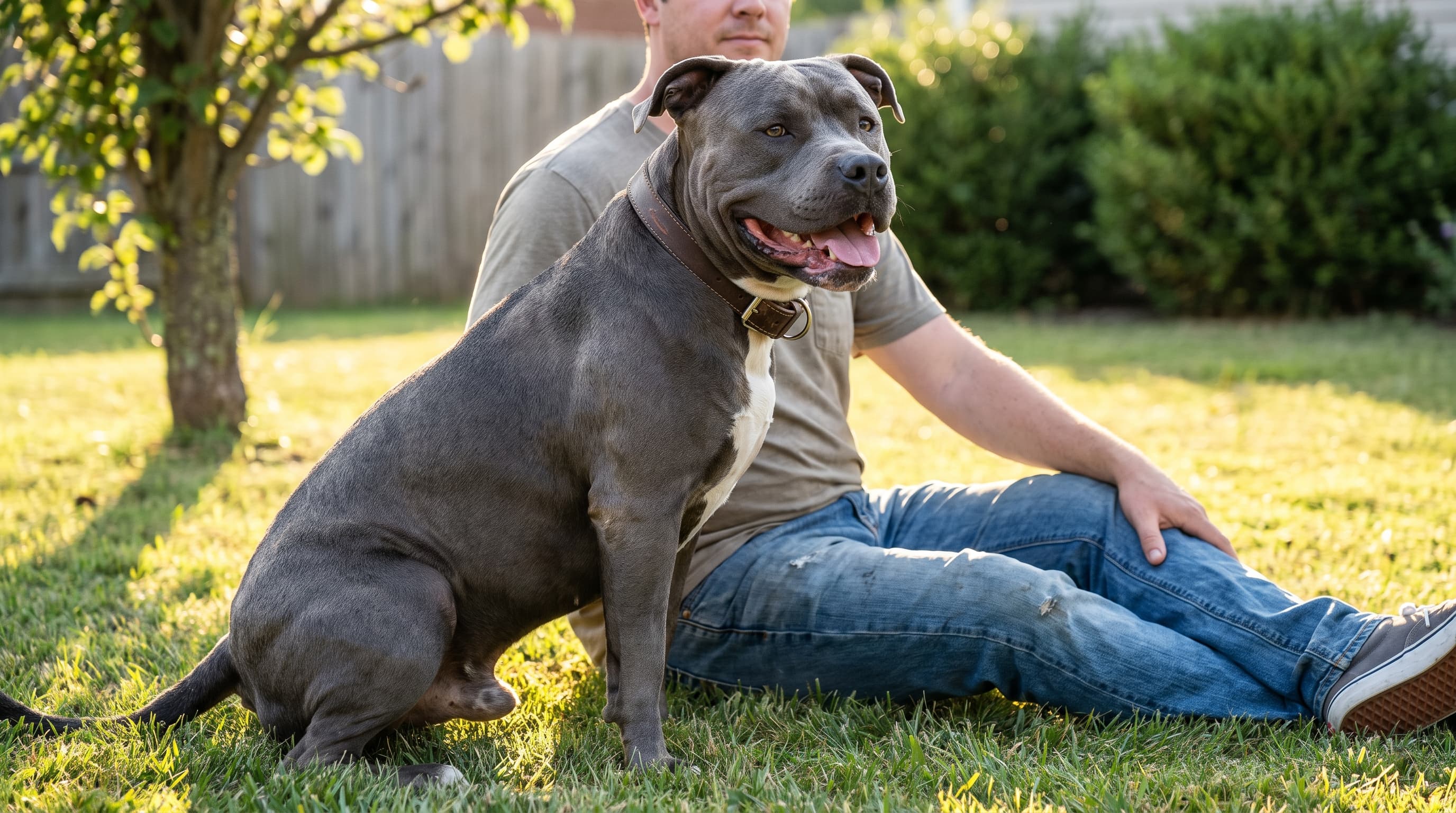

The American Bully XL is the largest size class of the American Bully, a modern companion breed developed in the United States from pit bull and bulldog stock. Males typically stand 20–23 inches and weigh 80–150 pounds, wrapped in a muscular, wide-chested frame. Despite an imposing look, a well-bred XL is prized as an affectionate, people-oriented family dog—though it now faces strict legal restrictions in the United Kingdom.
What Is an American Bully XL?
The American Bully is a relatively young breed, developed in the 1980s and 1990s and formally recognized by the American Bully Kennel Club (ABKC) in 2004. Breeders set out to take the athleticism and loyalty of the American Pit Bull Terrier and American Staffordshire Terrier, soften the edges with bulldog influence, and produce a stockier, gentler-natured companion dog. The result is a breed judged on four size classes—Pocket, Standard, Classic, and XL—rather than as separate breeds.
The XL is simply the tallest and heaviest of those classes. According to the breed standard maintained by the American Bully Kennel Club, an XL Bully shares the same build, proportions, and temperament goals as a Standard American Bully—it is defined by height, not by a different body type or a more aggressive disposition. That distinction matters, because the XL's size is exactly what has thrust it into headlines and legislation in recent years.
American Bully XL Size and Weight
Size is the defining feature of the XL class. Typical adult measurements are:
- Males: 20–23 inches at the withers; roughly 80–150 pounds.
- Females: 19–22 inches at the withers; roughly 70–120 pounds.
These are big, dense, heavily muscled dogs, and they don't finish growing quickly. Most XL Bullies don't reach their full adult size and weight until 18 to 24 months of age. Because so much of that mass is muscle and bone, the growth phase deserves careful management—overfeeding to "bulk up" a puppy or pushing high-impact exercise on developing joints can set the stage for lifelong orthopedic problems. Lean, steady growth is far healthier than a rushed, oversized adolescent.
Appearance and Coat
The American Bully XL has a broad skull, pronounced cheek muscles, a deep and wide chest, and a compact, powerful body set on heavy-boned legs. The coat is short, smooth, and glossy, lying close to the skin, and it comes in nearly every color and pattern—blue, black, fawn, chocolate, brindle, tri-color, and white among them. Grooming needs are minimal: weekly brushing to manage shedding, routine nail trims, dental care, and attention to skin folds and ears.
One caution worth naming: some breeders push for ever-more-exaggerated features—extreme width, very short legs, or a heavily wrinkled face. Those exaggerations can compromise a dog's movement, breathing, and joint health. A structurally sound XL should be able to move freely, breathe comfortably, and live an active life. If you're comparing the XL against other large, powerful breeds, our guides to the Cane Corso and the Bullmastiff are useful reference points for how a well-built guardian-type dog should be proportioned.
Temperament and Personality
Reputation and reality diverge sharply here. A well-bred, well-socialized American Bully XL is known for being affectionate, confident, loyal, and remarkably gentle with its family—traits the breed was deliberately selected for. Many owners describe them as "velcro" dogs that want to be near their people, are patient with children, and are eager to please during training. Their intelligence and desire to work with their handler make them highly trainable when given consistent, positive guidance.
That said, a dog this large and strong demands responsible ownership regardless of temperament. Early and ongoing socialization, structured obedience training, secure fencing, and calm leadership are non-negotiable. Because the breed's power leaves no margin for poor handling, prospective owners should honestly assess their experience and lifestyle first. Temperament is heavily shaped by breeding and upbringing, so choosing an ethical breeder who prioritizes stable, sound dogs matters more here than in almost any other breed. Owners weighing similar mastiff- and bully-type crosses often also research the American Pit Corso and the Bullboxer Pit.
Exercise and Training Needs
American Bully XLs are moderately active. They generally need about 45 to 60 minutes of daily activity—walks, structured play, and enrichment—rather than the relentless drive of a working line. During the long growth period, that exercise should stay low-impact: avoid repetitive jumping, hard sprinting on pavement, and stairs until joints have matured, to protect against the joint problems large breeds are prone to.
Training should start early and lean entirely on positive, reward-based methods. These dogs respond poorly to harshness and beautifully to clear, motivating instruction. Priorities include reliable recall, loose-leash walking (a 100-plus-pound dog that pulls is genuinely difficult to manage), impulse control, and calm greetings. Mental work—puzzle feeders, scent games, trick training—tires them out as effectively as physical exercise and helps prevent boredom-driven behavior. Consistency and structure turn an XL's size and strength into a manageable, well-mannered companion.
Health and Lifespan
The American Bully XL typically lives 10 to 12 years. As a large, heavily built breed, it is predisposed to several health concerns that responsible breeders screen for and owners should watch:
- Hip and elbow dysplasia — malformation of the joints that can cause pain and arthritis. VCA Animal Hospitals outlines how weight management and screening reduce its impact.
- Heart conditions — including congenital defects seen in bully-type breeds.
- Skin allergies and demodectic issues — common in short-coated bullies.
- Breathing difficulties — most likely in dogs bred for extreme, shortened muzzles.
- Cruciate ligament injuries — a risk in any large, muscular, active dog.
Ethical breeders test breeding dogs for orthopedic and cardiac problems, and organizations like the Orthopedic Foundation for Animals maintain the health databases that make those results verifiable. Ask any breeder to show hip, elbow, and cardiac clearances before you commit. This is general information rather than medical advice—your veterinarian is the right partner for screening schedules, weight targets, and any symptoms your dog develops.
Ownership, Cost, and Legal Considerations
An American Bully XL from a reputable, health-testing breeder generally costs between $2,000 and $10,000 or more, depending on lineage, conformation, and region. That upfront figure is only the beginning: a giant, muscular dog means larger food bills, sturdier gear, higher medication and anesthesia costs by weight, and potentially higher insurance premiums.
The most important development for prospective owners is legal. In the United Kingdom, the XL Bully is now a banned type under the Dangerous Dogs Act. According to UK government guidance, since early 2024 it has been a criminal offence to own an XL Bully in England and Wales without a Certificate of Exemption; exempted dogs must be neutered, microchipped, kept muzzled and on a lead in public, and covered by third-party insurance. Breeding, selling, abandoning, or giving away XL Bullies is prohibited, and further restrictions—such as rules on leaving the dogs unsupervised with young children in private homes—continue to phase in. The breed's XL type was linked to a disproportionate share of serious dog-attack incidents in the UK, which drove the legislation. Rules differ by nation and locality, so anyone in the UK, or considering relocating with one of these dogs, must check current local law before acquiring an XL Bully. In the United States, regulation varies widely by city and state, and some jurisdictions and insurers apply breed-specific restrictions to bully-type dogs.
None of this changes what a well-raised XL can be at home—a devoted, gentle companion—but it does raise the bar for ownership. This is a breed that rewards experienced, committed owners and punishes casual ones.
Is the American Bully XL Right for You?
Choose an American Bully XL if you want a large, affectionate, trainable companion, you have the space and budget for a giant dog, and you're prepared to invest heavily in socialization, training, and responsible management. Steer clear if you're a first-time owner, live somewhere the breed is restricted, or can't commit to the structure a powerful dog requires. Done right, the payoff is a loyal, loving dog that defies its intimidating reputation. To compare temperament and size against other bully-type family dogs, see our guides to the American Bulldog and the Bullypit.
Frequently Asked Questions
How big does an American Bully XL get?
Males typically stand 20–23 inches tall and weigh 80–150 pounds; females are 19–22 inches and 70–120 pounds. They reach full size around 18 to 24 months. The XL is defined by height, not a different body type from other American Bullies.
Are American Bully XLs aggressive?
A well-bred, well-socialized XL is known for being affectionate and gentle with its family, not inherently aggressive. However, their size and strength make responsible ownership, early socialization, and consistent training essential. Temperament depends heavily on breeding and upbringing.
Are XL Bullies banned in the UK?
Yes. XL Bullies are a banned type in the UK. Owning one in England and Wales requires a Certificate of Exemption, and exempted dogs must be neutered, microchipped, insured, and kept muzzled and leashed in public. Always check current government guidance, as rules continue to phase in.
How long do American Bully XLs live?
The typical lifespan is 10 to 12 years. Keeping your dog at a lean weight, choosing a health-tested breeder, and staying current on veterinary care give an XL its best chance at a long, healthy life.
How much does an American Bully XL cost?
Puppies from reputable, health-testing breeders usually cost $2,000 to $10,000 or more depending on lineage and conformation. Remember that a giant dog also carries higher lifetime costs for food, gear, veterinary care, and insurance.
Explore More Powerful, Loyal Breeds
If the American Bully XL caught your eye, keep reading: compare it with the guardian-class Cane Corso and the gentle-giant Bullmastiff to see which large breed fits your home. Love big-hearted, misunderstood breeds? Subscribe to the Daily Wag newsletter for breed guides, training advice, and responsible-ownership tips delivered to your inbox.