
Razor Edge Pitbull: History, Temperament, Size, and Price
The Razor Edge Pitbull is a foundation bloodline of the American Bully, developed in the early 1990s by breeder Dave Wilson of Razor's Edge Kennels. Known for a heavily muscled, blocky build and a surprisingly gentle, people-loving temperament, these dogs typically weigh 40 to 70 pounds and cost $1,500 to $3,000 from reputable breeders.
If you have seen a powerfully built "pitbull" with a massive head, a wide chest, and a short, thick body and wondered what makes it look so different from a classic American Pit Bull Terrier, you were probably looking at a Razor Edge dog. This guide covers where the bloodline came from, what these dogs are really like to live with, how big they get, what they cost, and the health issues every owner should know about.
What Is a Razor Edge Pitbull?
"Razor Edge" is not a separate breed — it is a specific, influential bloodline within the American Bully. According to breed history documented by American Bully Daily, the line was founded in the early 1990s in the Maryland and Washington, D.C. area by Dave Wilson and his friend Carlos Barksdale, who set out to create a shorter, bulkier, more even-tempered companion dog than the athletic pit bulls of the era.
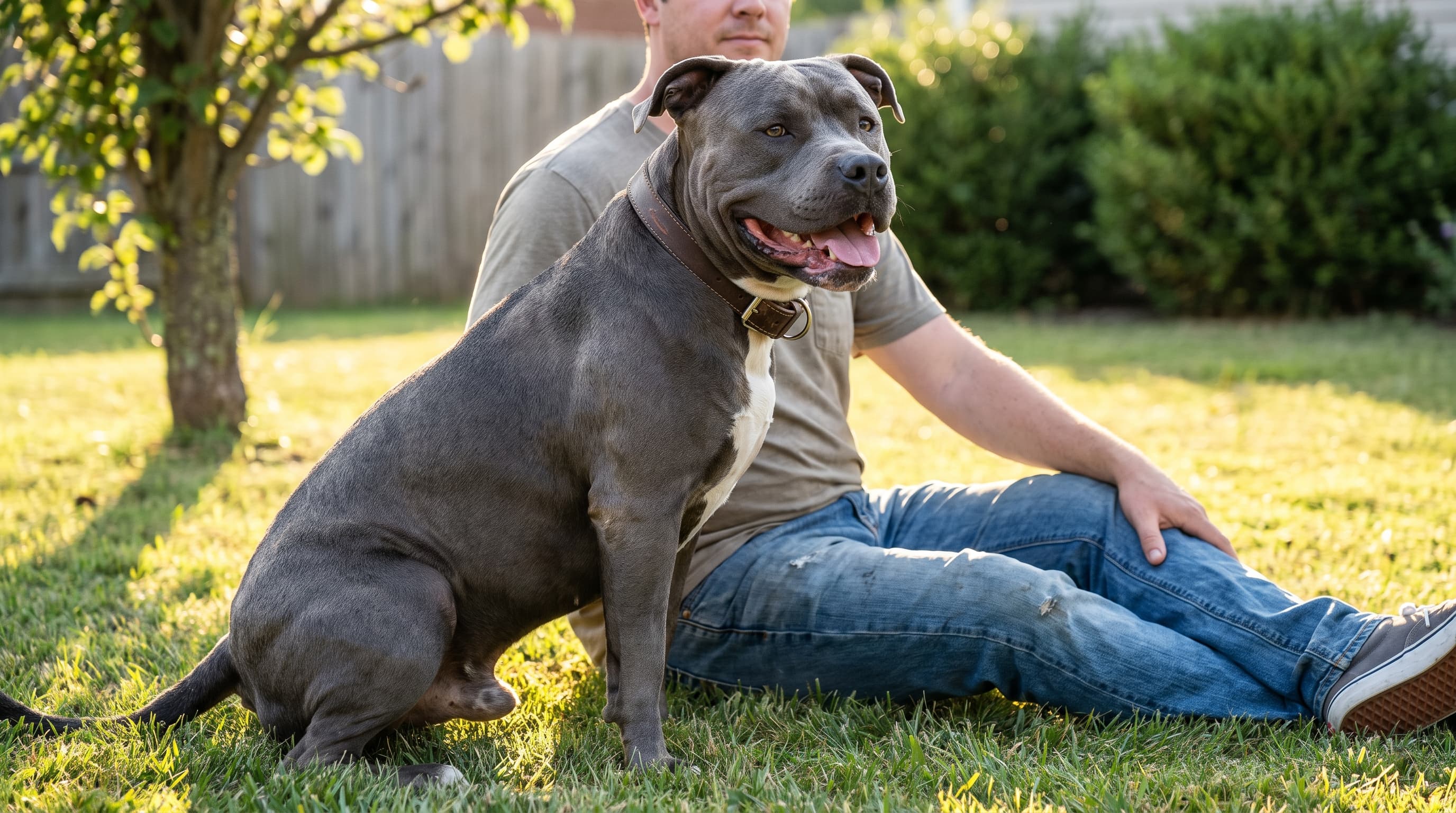
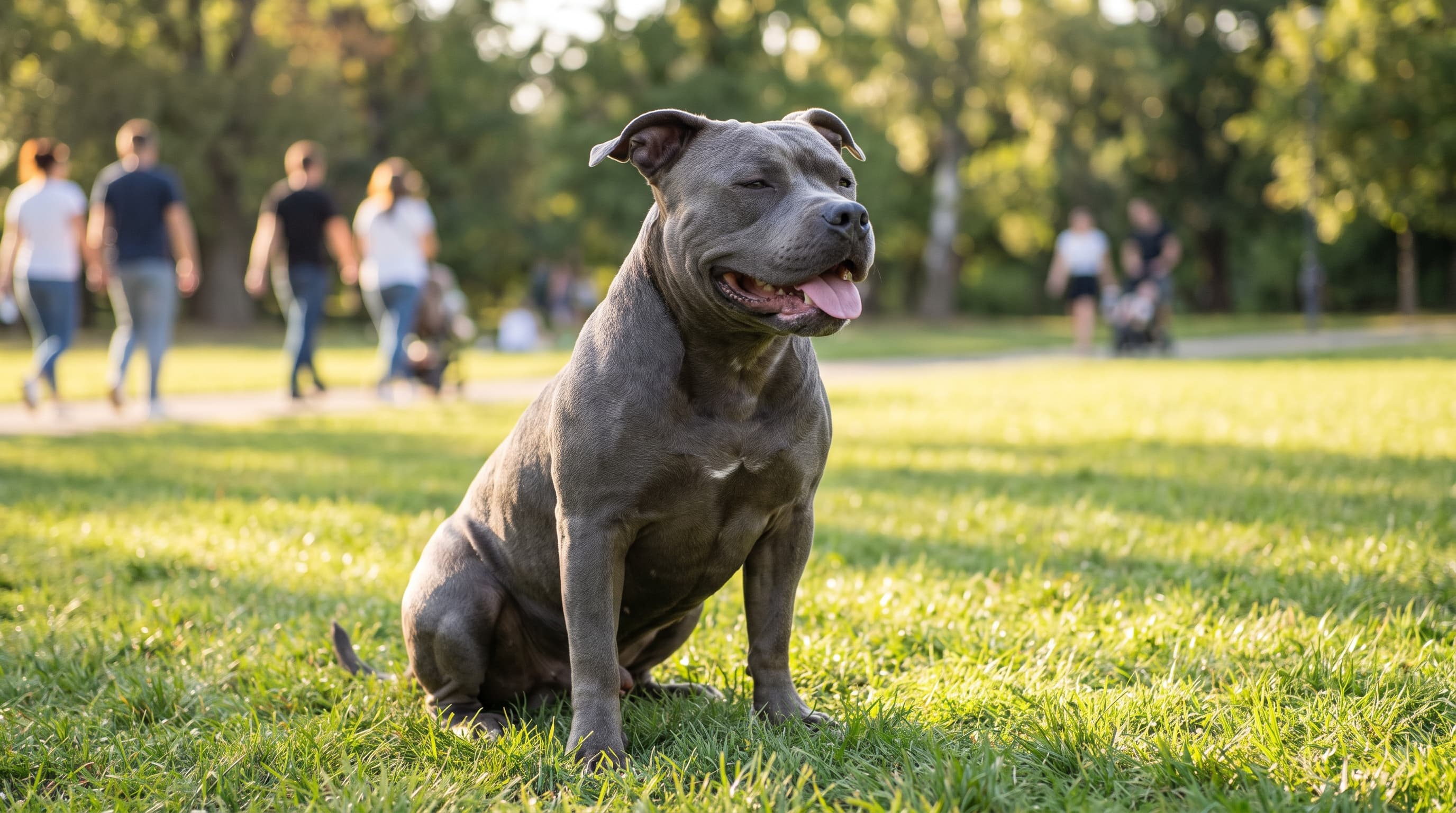
To build the look, breeders blended several bloodlines. As Dogster notes, it is generally believed that at least five breeds contributed to the foundation stock, likely including the American Pit Bull Terrier, American Bulldog, Mastiff, and English Bulldog. The result is the recognizable "bully style": large head, wide chest, short blocky muzzle, heavy bone, and a compact back.
Today the American Bully is recognized as a distinct breed by the American Bully Kennel Club (ABKC), though it is not recognized by the American Kennel Club. Razor Edge remains one of the most famous and sought-after lines behind modern bully pedigrees.
Razor Edge Pitbull Temperament
Despite the intimidating name and muscular frame, Razor Edge dogs are bred first and foremost to be family companions. Hepper describes the line as friendly, gentle, and easy to get along with — calm, affectionate, outgoing, and notably tolerant of children and strangers when raised in a loving home.
These are people-oriented dogs that thrive on being part of the family and do not do well left alone in a yard for long stretches. They tend to be confident and social rather than nervous or aggressive. That said, they are strong, intelligent, and sometimes stubborn, so early socialization and consistent, reward-based training are essential from puppyhood. Their affectionate, "velcro dog" nature means they bond tightly with their people, which makes them wonderful companions but also prone to separation anxiety if under-stimulated.
Like any powerful dog, a Razor Edge Pitbull should always be supervised around young children and unfamiliar dogs — not because the temperament is faulty, but because size and strength demand responsible management. Good manners are made, not born.
Size and Appearance
Razor Edge dogs come in several ABKC size classes — Pocket, Standard, Classic, and XL — so adult weight varies widely. Most fall in the 40-to-70-pound range, with XL specimens going heavier and Pocket-class dogs staying smaller and shorter. Whatever the class, the hallmark is a muscular, blocky build: a broad skull, defined cheeks, a deep and wide chest, and heavy bone.
Coat colors are short, glossy, and low-maintenance. The bloodline was historically bred to favor blue (a diluted gray) and brindle coats, though you will also see fawn, black, white, and combinations. If you love the diluted-blue look, you may also enjoy our profiles of the blue nose pitbull and the striking blue fawn pitbull. For owners drawn to the largest size class, our guide to the American Bully XL covers what to expect from those heavyweight dogs.
How Much Does a Razor Edge Pitbull Cost?
Razor Edge puppies are a premium bloodline, and the price reflects it. According to Terrier Owner and Dogster, prices generally start around $1,500 and commonly range from $2,000 to $3,000, with top-pedigree pups from champion lines fetching $5,000 or more.
What drives the price? Pedigree depth (how close the dog is to the original Razor's Edge foundation dogs), the breeder's reputation and health testing, coat color, structure, and size class all matter. Be cautious of bargain "Razor Edge" puppies advertised far below market — the name is heavily marketed, and not every seller can prove genuine bloodline lineage. Always ask for a verifiable pedigree, health clearances on the parents, and references. Beyond the purchase price, budget for food (these are big-appetite dogs), routine vet care, training, and pet insurance across a 10-to-13-year lifespan.
Health and Care
Like most heavily built bully breeds, Razor Edge dogs can be predisposed to certain health issues. Commonly cited concerns include hip and elbow dysplasia, heart conditions, skin allergies and sensitivities, and, in some lines, an eye disorder called cone-rod dystrophy. Responsible breeders screen their breeding stock to reduce these risks, which is one more reason to buy from a health-testing breeder rather than a backyard operation.
Day-to-day care is fairly straightforward. These dogs need meaningful daily exercise — roughly an hour or more of walking and play — to stay fit and mentally satisfied, but they are not marathon athletes and should not be over-exercised in heat. Their short coats need only weekly brushing and occasional baths. Because they are muscular and food-motivated, portion control and lean body condition matter for joint health. This is general information, not veterinary advice; work with your own vet on a screening and wellness plan, and see a professional promptly if your dog shows lameness, breathing trouble, or persistent skin issues.
Is a Razor Edge Pitbull Right for You?
A Razor Edge Pitbull can be an outstanding family dog for owners who want a confident, affectionate, low-grooming companion and who can commit to early socialization, consistent training, daily exercise, and responsible supervision. They suit active households and people who want a dog that is genuinely part of the family. They are less ideal for owners who are away from home for long hours or who want a hands-off, low-attention pet. Also check your local ordinances and housing or insurance policies, since some areas have breed-specific restrictions that can affect bully-type dogs.
Frequently Asked Questions
Is a Razor Edge Pitbull a real breed?
Not exactly. Razor Edge is a foundation bloodline of the American Bully, a breed recognized by the American Bully Kennel Club. It is one of the most influential lines behind modern bully pedigrees, but "Razor Edge" refers to lineage rather than a separate breed.
Are Razor Edge Pitbulls aggressive?
Despite the name, the bloodline was specifically bred for a calm, friendly, family-oriented temperament. Well-bred, well-socialized Razor Edge dogs are typically affectionate and tolerant. As with any powerful dog, responsible training and supervision are essential.
How big does a Razor Edge Pitbull get?
It depends on the size class. Most weigh between 40 and 70 pounds, with XL dogs heavier and Pocket-class dogs smaller. All share the same muscular, blocky, wide-chested build.
How much is a Razor Edge Pitbull puppy?
Reputable breeders typically charge $1,500 to $3,000, with premium pups from champion lines reaching $5,000 or more. Price depends on pedigree, breeder reputation, health testing, color, and structure.
How long do Razor Edge Pitbulls live?
With good care, most live about 10 to 13 years. Buying from a health-testing breeder, keeping your dog lean, and staying current on veterinary care all support a long, healthy life.
The Bottom Line
The Razor Edge Pitbull is proof that a powerful, muscular dog can also be a gentle, devoted family companion. Founded by Dave Wilson in the early 1990s, the bloodline shaped the modern American Bully and remains a favorite for its blocky good looks and affectionate personality. If you are drawn to the type, buy from a reputable, health-testing breeder, commit to training and socialization, and you will likely gain a loyal friend for a decade or more.
Want to compare bully types before you decide? Read our full guides to the American Bully XL and the blue nose pitbull. And for weekly breed spotlights, training tips, and adoption stories, subscribe to the Daily Wag newsletter.