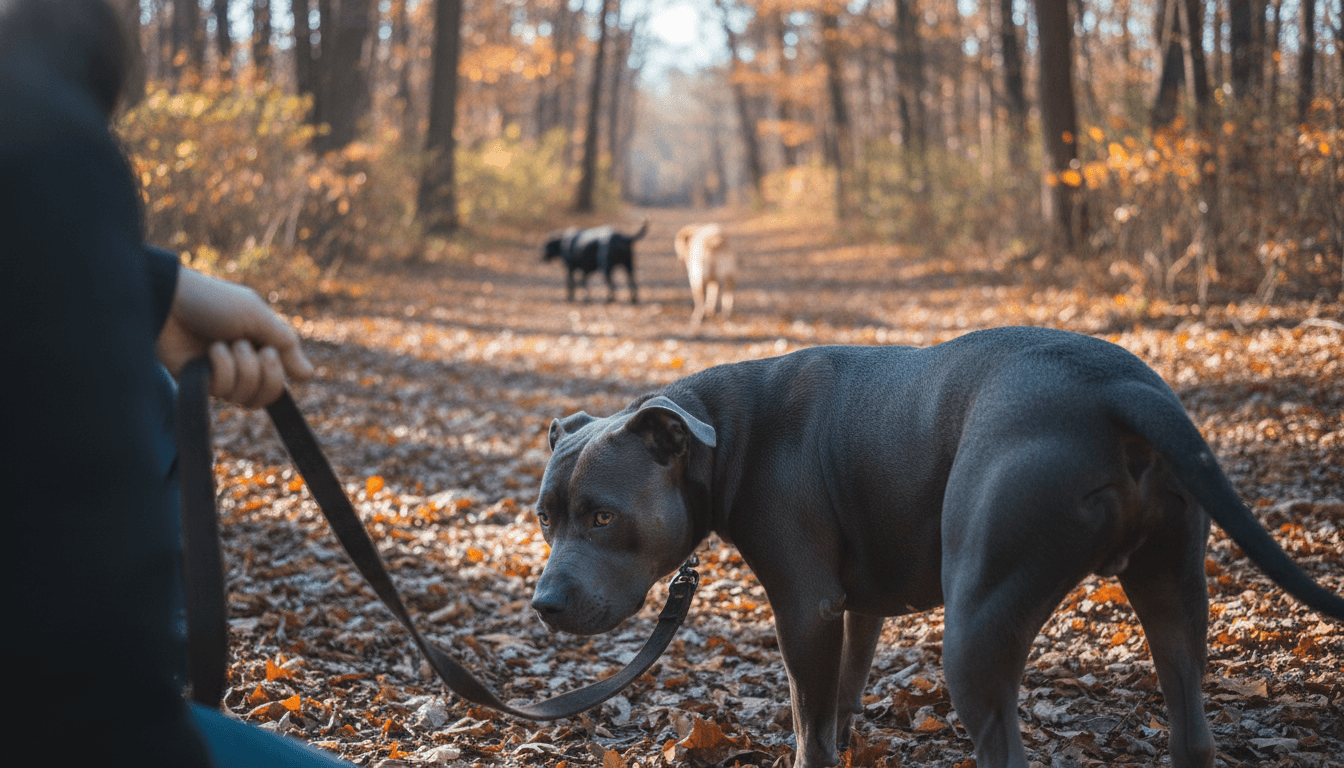

Blue Nose Pitbull: The Complete Guide to This Rare-Colored Companion
A blue nose pitbull is not a separate breed — it is an American Pit Bull Terrier (or closely related pit-type dog) that carries a recessive dilution gene, giving it a slate-gray "blue" nose, lips, and coat. Temperament, size, and needs match any pit bull: affectionate, loyal, athletic, and eager to please. The only real difference is pigment.
The striking gray-blue coloring has made these dogs wildly popular and, unfortunately, the target of plenty of marketing myths. If you are considering one, the most important thing to understand is that "blue nose" describes a color, not a personality or a breed. Everything else about caring for one is simply good pit bull ownership. Here is what you need to know.
Blue Nose Pitbull at a Glance
Below is a quick-reference snapshot. Keep in mind these are typical ranges for pit-type dogs; individual dogs vary, and "blue nose" refers only to coloring layered on top of standard pit bull traits.
- Size: Medium
- Weight: 30–60 lbs
- Height: 17–21 inches at the shoulder
- Lifespan: 12–15 years
- Coat: Short, smooth, single-layer
- Color: Diluted gray-blue, often with white markings
- Temperament: Affectionate, loyal, confident, people-oriented
- Energy level: High
- Price: $750–$3,000 from a reputable breeder
What Exactly Is a Blue Nose Pitbull?
The term "pit bull" is not one breed but an umbrella for several, most commonly the American Pit Bull Terrier and the closely related American Staffordshire Terrier. A "blue nose" pitbull is simply one of these dogs whose coat and nose display a diluted blue-gray hue instead of the usual black.
That color comes from a recessive gene that reduces melanin (dark pigment). Because it is recessive, a puppy must inherit the dilution gene from both parents to show the blue coloring — which is why blue-nosed litters are less common and often priced higher. It is worth stressing: this is the same genetic dilution that produces "blue" coats in many breeds, and it affects pigment only. It does not make the dog rarer in any meaningful health or temperament sense, despite what some breeders claim.
Appearance and the Blue Coat
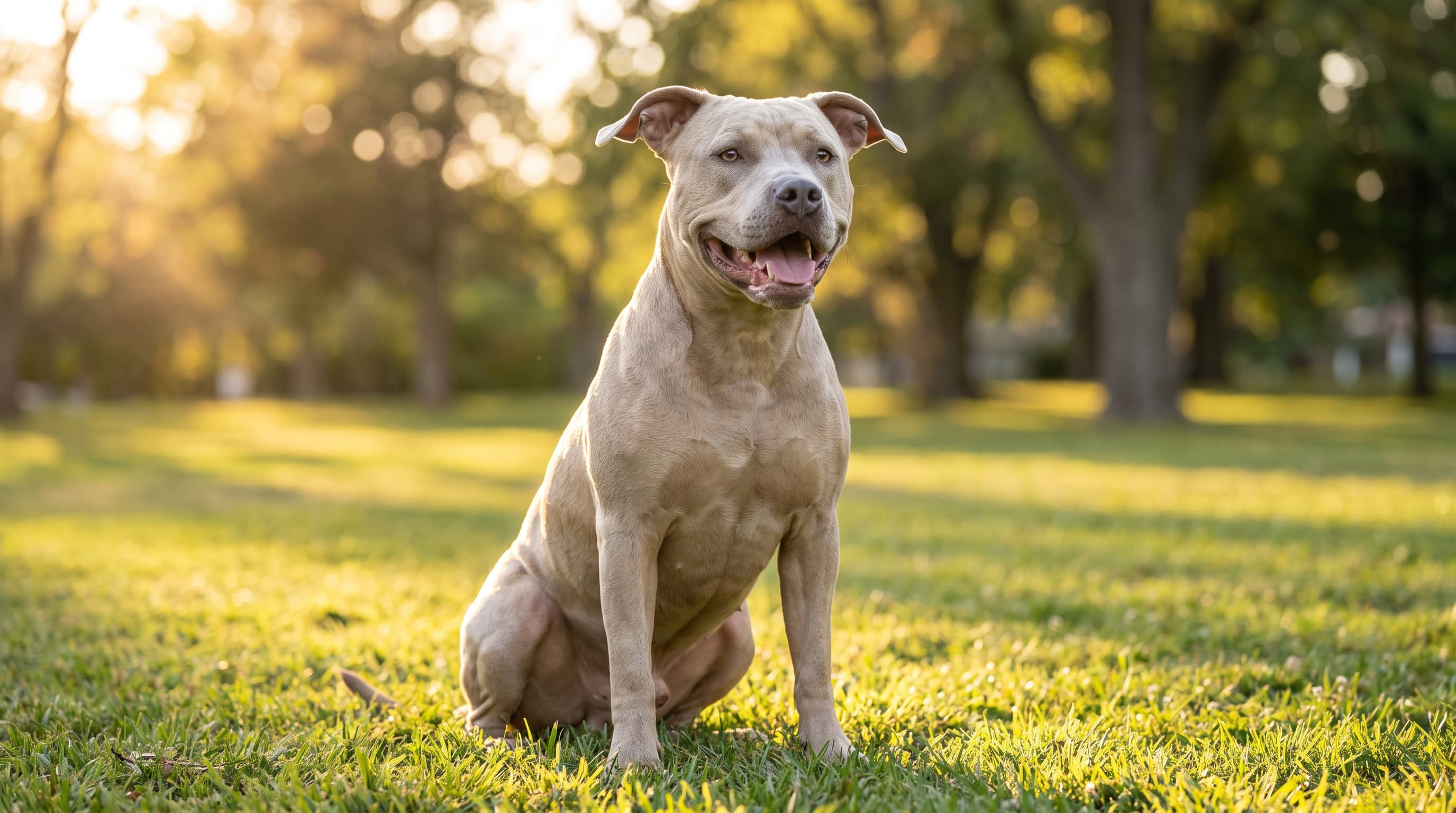
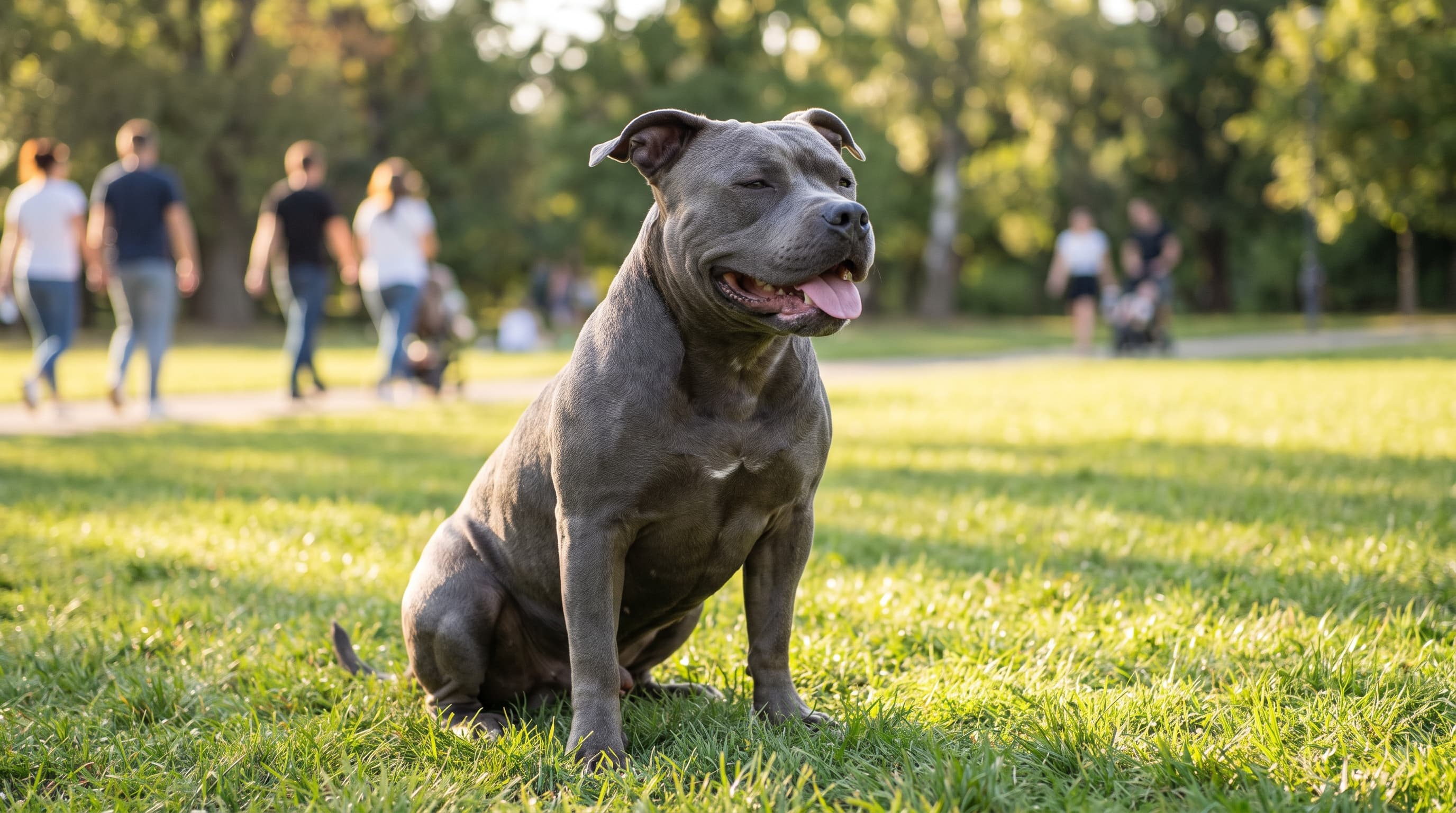
Blue nose pitbulls have the classic pit bull build: a broad, wedge-shaped head, muscular shoulders, a deep chest, and a short, glossy coat that lies close to the body. What sets them apart is coloring — a smoky gray that can range from pale silver to deep charcoal, usually paired with a matching gray nose, gray-blue or amber eyes, and often white patches on the chest or feet.
Their short single coat is low-maintenance but offers little insulation, so these dogs feel temperature extremes and are truly indoor family dogs. The dilute pigment can also make their skin slightly more sensitive to sun and, in some lines, more prone to skin issues — more on that below.
Temperament: Personality Over Color
Here is the single most important myth to bust: coat color has zero influence on personality. A blue nose pitbull is, temperamentally, just a pit bull — and well-bred, well-socialized pit bulls are famously affectionate, people-oriented, and eager to please. The AKC describes the American Staffordshire Terrier as a "smart, confident, good-natured companion" that is loyal and courageous when properly raised.
These dogs bond hard with their families and often earn the nickname "nanny dog" for their gentleness with children they are raised alongside — though, as with any dog, interactions with young kids should always be supervised. They are intelligent and thrive on human attention, which is a double-edged sword: left alone too long or under-exercised, a bored pit bull can develop stress-related behaviors and separation anxiety. Early, consistent socialization with people, dogs, and new environments is the key to a confident, friendly adult.
It is also worth noting that pit-type dogs face significant breed stigma and, in some areas, breed-specific legislation. Responsible ownership — training, socialization, and being a good ambassador for the breed — matters more with these dogs than with almost any other.
Exercise and Training Needs
Blue nose pitbulls are athletic, high-energy dogs that need real daily exercise — think 60 minutes or more of brisk walks, fetch, tug, or structured play. A tired pit bull is a well-behaved pit bull. Their strength and intelligence make mental enrichment just as important: puzzle feeders, scent games, and trick training all help burn energy.
The good news for training is that these dogs are smart and highly food-motivated, which makes them very responsive to positive-reinforcement methods. Reward-based training builds their confidence and strengthens your bond; harsh, punishment-based methods tend to backfire and can create fear or reactivity. Early puppy classes and ongoing socialization pay lifelong dividends.
Health and Lifespan
Blue nose pitbulls generally live 12 to 15 years and are, as a type, fairly robust. However, prospective owners should be aware of a few concerns:
- Skin and coat issues. The dilution gene is linked in some dogs to color dilution alopecia and a higher tendency toward skin sensitivity and allergies. The AKC notes that allergic skin disease can cause itching, hot spots, and recurrent infections.
- Hip dysplasia. Like many medium and large dogs, pit bulls can inherit hip dysplasia, where the hip joint develops improperly and leads to arthritis over time.
- Weight management. Their food drive makes them prone to obesity if overfed, which stresses joints and shortens lifespan.
- Other concerns. Thyroid issues, heart conditions, and cataracts appear in some lines.
This section is general information, not medical advice. A reputable breeder should provide health screening for the parents, and every blue nose pitbull should have a relationship with a veterinarian for routine care, weight monitoring, and any specific concerns.
Grooming and Care
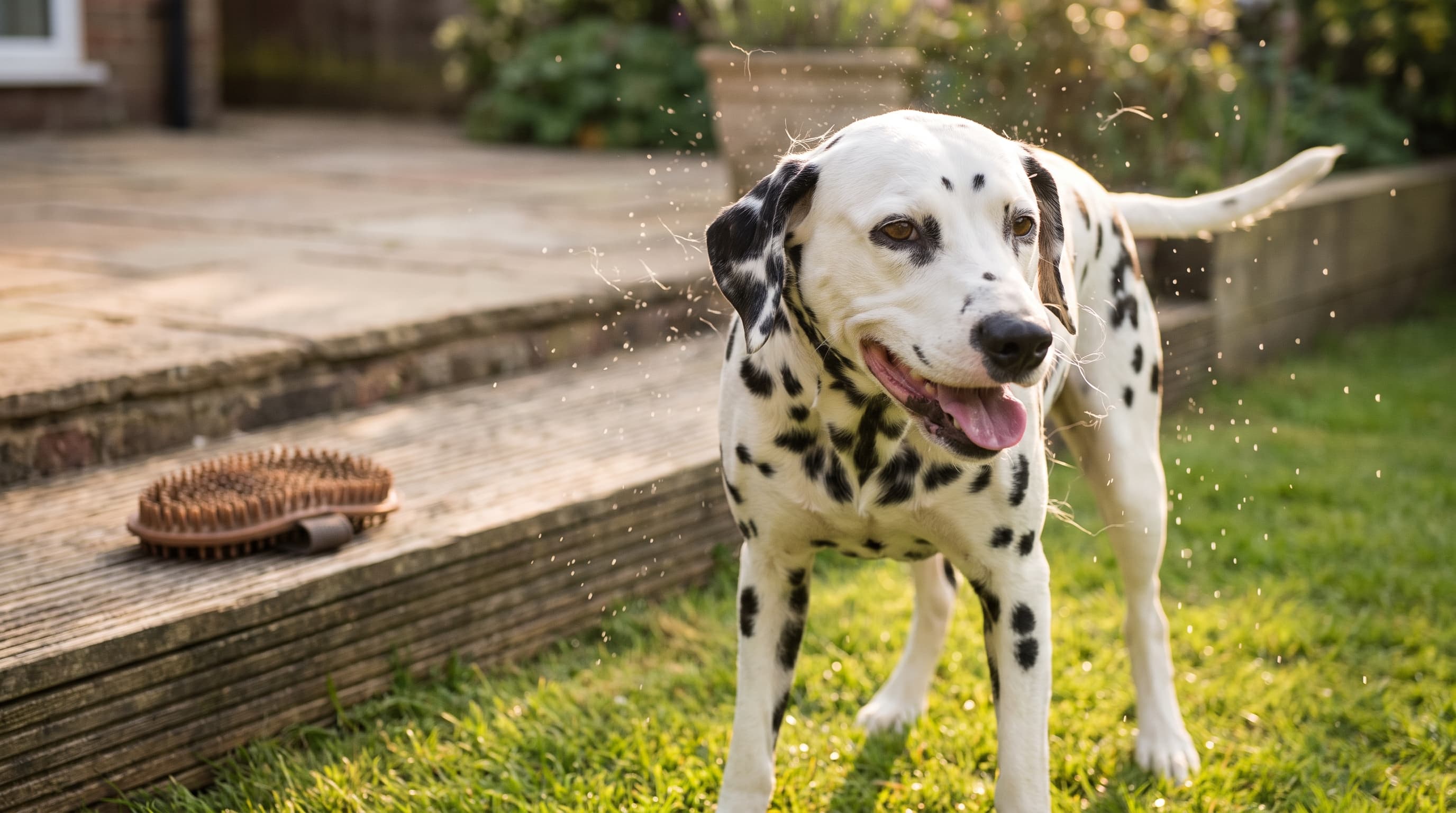
Grooming a blue nose pitbull is refreshingly simple. Their short coat needs only a weekly once-over with a rubber curry brush to remove loose hair and distribute skin oils, plus a bath every month or two — or when they get into something. Because their skin can be sensitive, choose a gentle, dog-formulated shampoo and rinse thoroughly.
Round out care with regular nail trims, weekly ear checks (folded or floppy ears can trap moisture), and dental care several times a week. Given their thin coat, protect them from temperature extremes: a jacket in cold weather and shade, water, and limited midday sun in the heat.
How Much Does a Blue Nose Pitbull Cost?
Expect to pay anywhere from about $750 to $3,000 for a blue nose pitbull puppy from a reputable breeder, with the "rare" blue coloring often commanding a premium. Be cautious of breeders who charge sky-high prices purely for color, or who breed dilute-to-dilute repeatedly without health testing — that is a red flag for prioritizing looks over well-being.
A wonderful and often overlooked option is adoption. Pit-type dogs are among the most common dogs in shelters, and many blue-coated pit bulls are waiting for homes at a fraction of a breeder's price. Adopting also means you are giving a deserving dog a second chance and sidestepping the color-premium markup entirely.
Is a Blue Nose Pitbull Right for You?
A blue nose pitbull can be a phenomenal family companion for the right household: one that can offer daily exercise, consistent training, plenty of togetherness, and a commitment to responsible ownership in the face of breed stigma. They are best for active people and families who want a devoted, affectionate dog and are prepared to be lifelong advocates for the breed. If you travel constantly, are away from home for long stretches, or want a low-energy lap dog, this is probably not your match.
Frequently Asked Questions
Are blue nose pitbulls a separate breed?
No. "Blue nose" describes a coat and nose color caused by a recessive dilution gene, not a distinct breed. These dogs are American Pit Bull Terriers or closely related pit-type dogs that happen to be gray-blue.
Are blue nose pitbulls more aggressive?
No. Coat color has no effect on temperament. Well-bred, well-socialized pit bulls are affectionate and people-oriented; behavior comes down to genetics, training, and socialization, not pigment.
How much do blue nose pitbulls cost?
Puppies typically range from about $750 to $3,000 from a reputable breeder, with the blue coloring often priced higher. Adoption from a shelter or rescue is usually far less expensive and gives a dog a second chance.
How long do blue nose pitbulls live?
With good care, most blue nose pitbulls live 12 to 15 years. Maintaining a healthy weight, regular veterinary care, and attention to skin and joint health all support a long, comfortable life.
Do blue nose pitbulls have more health problems?
The dilution gene can be linked to skin sensitivity and color dilution alopecia in some dogs, and pit-type dogs can inherit hip dysplasia and allergies. Choosing a health-tested lineage and a good vet helps manage these risks.
Are blue nose pitbulls good with kids?
Many are gentle, patient, and affectionate with children they are raised with. As with any dog, interactions with young kids should always be supervised, and early socialization is essential.
The Bottom Line
The blue nose pitbull is a beautiful, loyal, and loving companion whose only true distinction is its diluted gray-blue coloring. Behind the striking coat is a classic pit bull: affectionate, athletic, smart, and devoted to its people. Give one the exercise, training, and family life it craves, and you will have a devoted friend for well over a decade.
Curious about other pit-type dogs? Read our guides to the pocket pitbull and the merle pitbull to see how coat and size variations compare. And for more breed deep-dives and dog-care tips, subscribe to the Daily Wag newsletter.