
Blue Fawn Pitbull: Colors, Temperament, and Care Guide
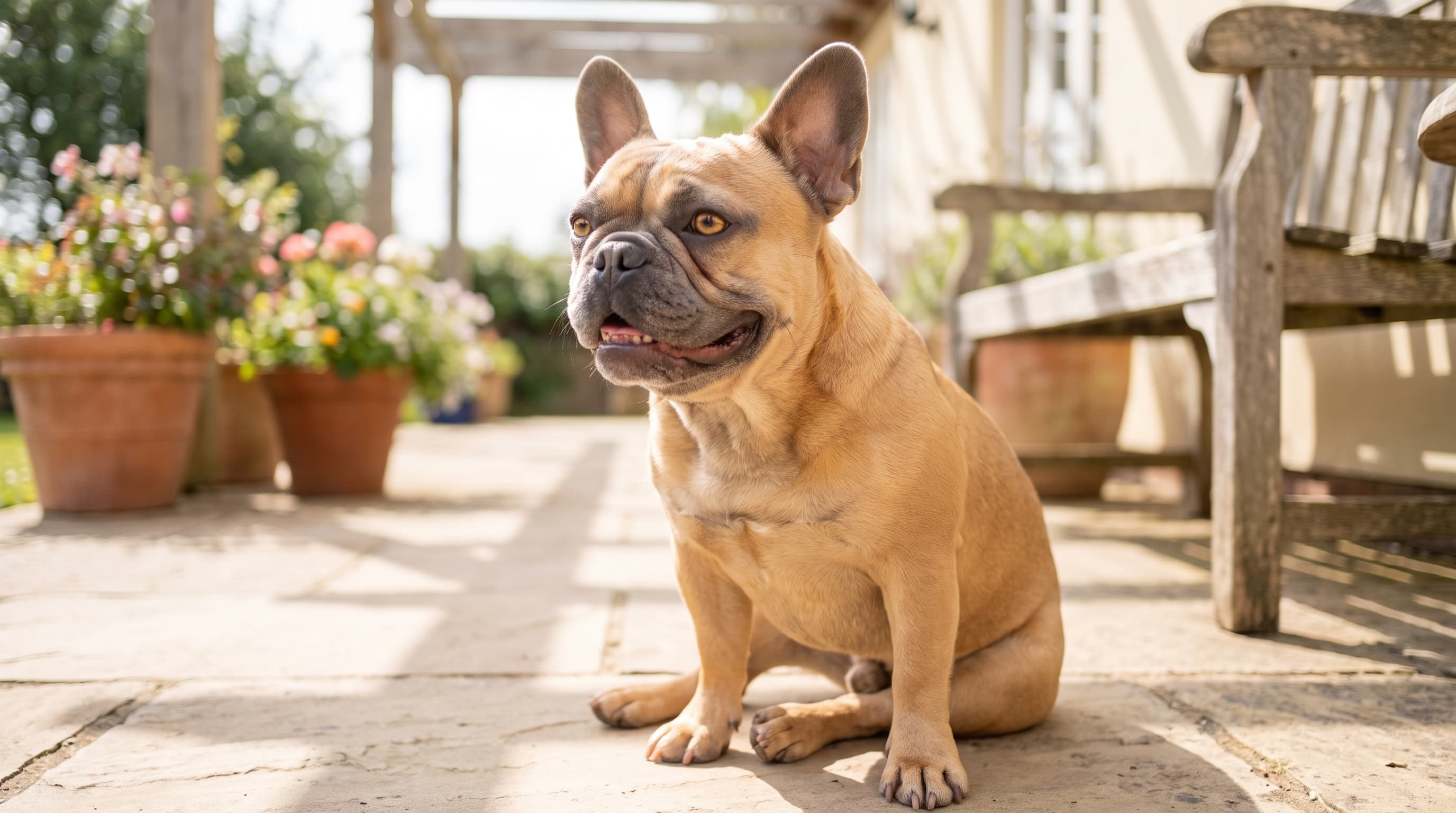
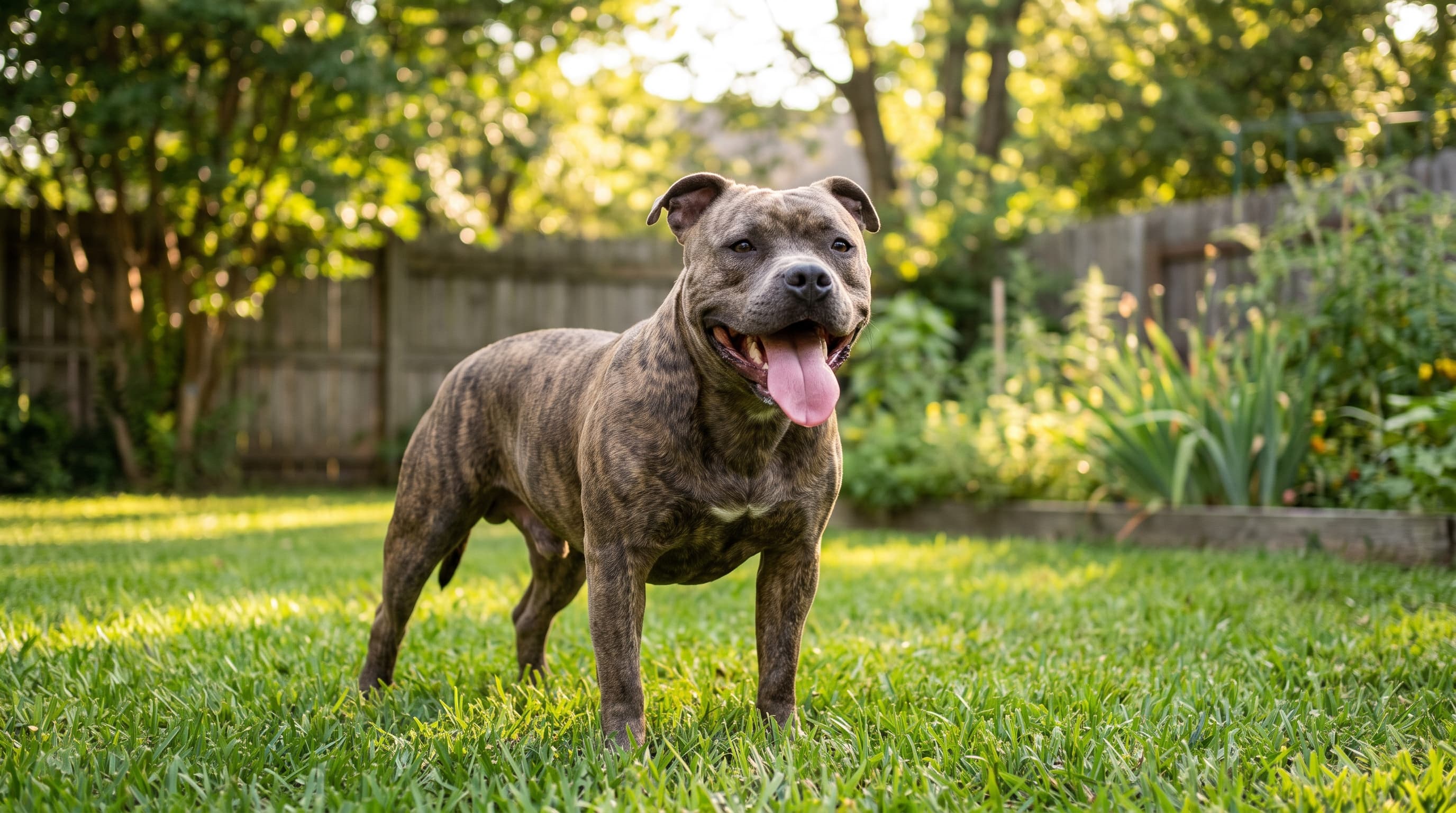
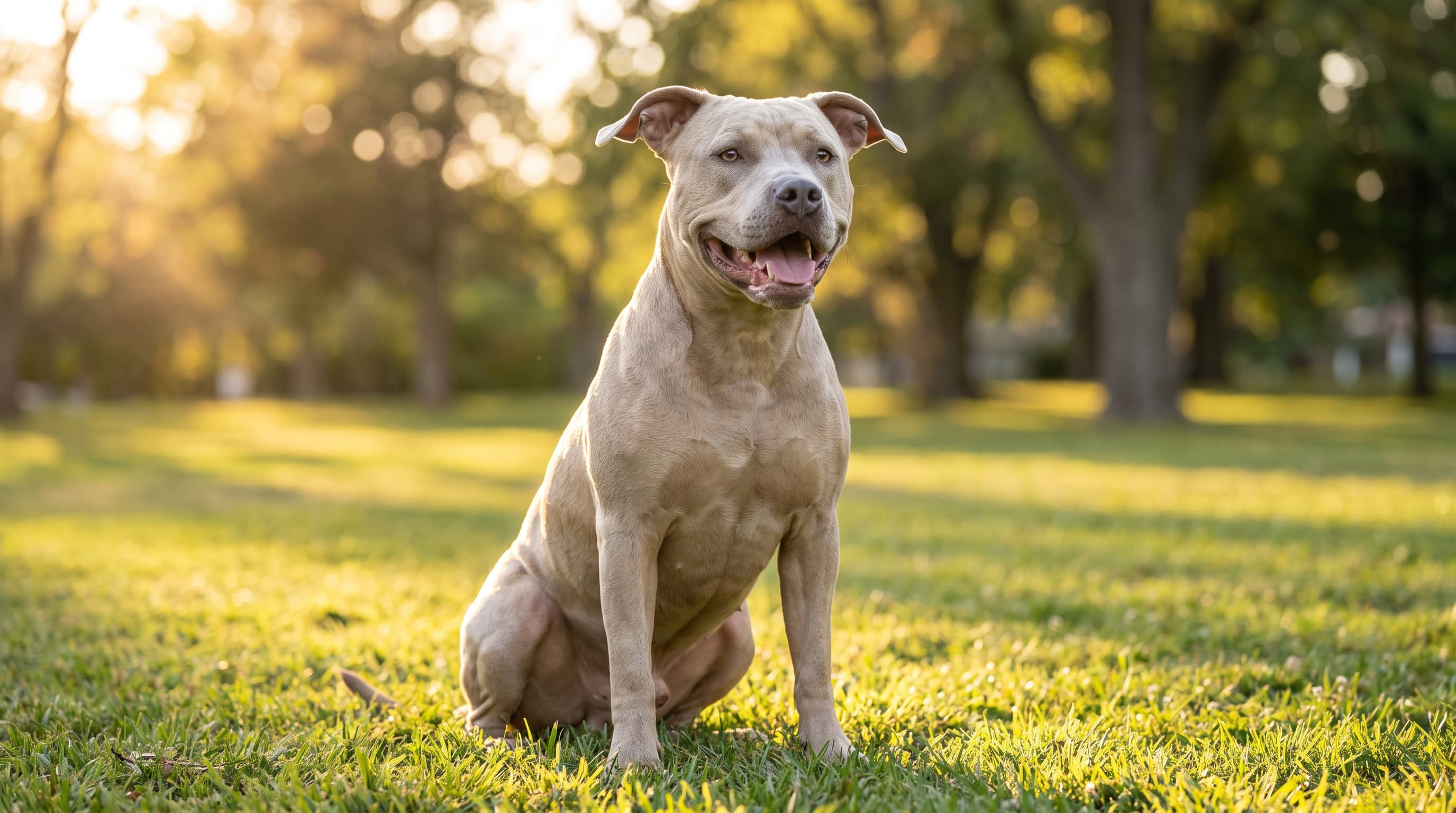
A blue fawn pitbull is an American Pit Bull Terrier (or closely related bully-type dog) with a warm tan coat carrying a soft silvery-blue sheen and a matching blue-gray nose. The color comes from a recessive dilution gene inherited from both parents, which makes it relatively uncommon. In every other way — temperament, size, and care — it’s a standard pitbull.
“Blue fawn” describes a coat color, not a separate breed. These dogs are prized by fans for their striking, slightly frosted coloring, and they’re sometimes marketed as rare or premium. Below we’ll explain exactly what creates the blue fawn look, what to expect from the dog’s personality and health, and how to care for that dilute coat.
Blue Fawn Pitbull at a Glance
Use the at-a-glance panel above for the quick stats. In short, the blue fawn pitbull is a medium-sized, short-coated, high-energy companion that typically weighs 30–60 pounds and lives around 12–16 years. According to the American Pit Bull Terrier breed profile, males stand roughly 18–21 inches tall and weigh about 35–60 pounds, with females slightly smaller — and the breed accepts nearly every coat color and pattern except merle.
What Makes a Pitbull “Blue Fawn”?
The blue fawn color is a two-part genetic story:
- Fawn is the base coat — a warm tan or reddish-tan color produced by the dog’s pigment genes.
- Blue is a dilution effect. A recessive gene at the dilution (D) locus lightens the dog’s black pigment to a smoky blue-gray. When that dilution acts on a fawn dog, it mutes the coat to a silvery, dusty tan and turns the nose, eye rims, and lips a blue-gray instead of black.
Because dilution is recessive, a puppy has to inherit the dilute gene from both parents to show it. That’s why blue fawn pitbulls are less common than standard fawn or black dogs, and why breeders often charge more for them. The same dilution gene is responsible for the popular blue nose pitbull — blue fawn is essentially that dilution layered over a fawn base coat.
It’s worth knowing that a “blue” or “blue fawn” label doesn’t make a dog healthier, rarer in a meaningful way, or more valuable as a companion. Color has no bearing on temperament or working ability.
Blue Fawn Pitbull Temperament and Personality
Coat color has zero effect on personality, so a blue fawn pitbull acts like any well-raised pitbull: affectionate, people-focused, confident, and playful. The American Pit Bull Terrier is described as an eager, enthusiastic, and deeply loyal companion that thrives on human attention.
Typical traits include:
- People-oriented and affectionate — many pitbulls are notorious “velcro dogs” and lap-dog wannabes despite their muscular build.
- High energy and drive — they need real daily exercise and mental work to stay happy.
- Intelligent and trainable — they respond beautifully to positive, reward-based training.
- Variable with other dogs — early socialization matters, as some pitbulls can be selective around unfamiliar dogs.
With proper socialization and training, pitbulls are often gentle and patient with their families, including children. As with any powerful, energetic dog, interactions with young kids and other pets should always be supervised, and early, consistent socialization is essential.
It’s worth pushing back on the myths here. Pitbull-type dogs are frequently misunderstood because of sensational media coverage, but temperament testing and the day-to-day experience of countless owners paint a picture of affectionate, resilient, people-loving companions. What actually shapes a dog’s behavior is the same for a blue fawn pitbull as for any breed: genetics, early socialization, training, and responsible ownership. A well-bred, well-raised blue fawn pitbull is far more likely to greet a stranger with a wagging tail and a lean-in than anything else.
Caring for a Blue Fawn Pitbull’s Coat and Health
The short, single-layer coat is one of the easiest to maintain in the dog world. A weekly once-over with a rubber curry brush and the occasional bath keeps a blue fawn pitbull looking sharp. They shed modestly year-round rather than in heavy seasonal blowouts.
One health note is specific to dilute-colored dogs. Some blue and blue fawn dogs carry a higher risk of color dilution alopecia (CDA). As VCA Animal Hospitals explains, CDA is “a genetic, recessive, inherited condition that causes patches of hair thinning or loss” and is linked to the same dilution gene that creates the blue coat. It’s usually cosmetic and manageable, but it’s worth discussing with a breeder and monitoring the skin for dryness or flaking.
Beyond coat concerns, pitbulls are generally hardy but can be prone to some common large-active-breed issues, including hip dysplasia, skin allergies, and knee (cruciate) injuries. Responsible breeders screen for hip and other genetic conditions. Standard care — a complete diet, regular exercise, dental care, and routine veterinary checkups — follows the same general dog-care guidelines that apply to any breed.
Exercise and Training Needs
Blue fawn pitbulls are athletic and need a genuine outlet for their energy — plan on at least 60 to 90 minutes of activity daily. Brisk walks, fetch, tug, flirt-pole play, weight-pull sports, and scent games all work well. A bored, under-exercised pitbull is far more likely to develop destructive or hyperactive habits.
Training should be positive, consistent, and started early. Pitbulls are smart and food-motivated, which makes reward-based methods highly effective. Prioritize:
- Early, wide-ranging socialization to people, dogs, and environments
- Reliable recall and leash manners (they’re strong pullers)
- Impulse-control games to channel that drive
Because pitbulls are powerful and, in some areas, subject to breed-specific legislation, being a responsible owner and a good breed ambassador goes a long way. Check your local ordinances and any housing or insurance restrictions before bringing one home.
How Much Does a Blue Fawn Pitbull Cost?
Because the dilute coloring is recessive and in demand, blue fawn pitbull puppies typically cost more than standard-colored pups — often ranging from around $1,500 to $5,000 or more from breeders who specialize in color. Be cautious of any breeder who charges premium prices purely for “rare” color while skipping health testing, temperament screening, or proper socialization.
Adoption is another great option. Pitbull-type dogs are among the most common dogs in U.S. shelters, and blue fawn individuals do turn up. A rescue or shelter dog costs a fraction of a breeder puppy and comes with a lifesaving bonus. If you love the muted, dilute look, you might also consider the related merle pitbull or a smaller pocket pitbull.
Is a Blue Fawn Pitbull Right for You?
A blue fawn pitbull can be a wonderful family dog for an active household ready to invest in training, exercise, and socialization. They tend to thrive with:
- Owners who can provide daily physical and mental exercise
- Families that will supervise dog-child and dog-pet interactions
- People willing to be responsible ambassadors for a sometimes-misunderstood breed
They’re less ideal for people who are away long hours, want a low-energy lap dog, or live somewhere with breed restrictions. If you can meet their needs, though, you’ll get a devoted, affectionate companion who happens to wear an especially handsome coat.
Frequently Asked Questions
Is a blue fawn pitbull a rare color?
Relatively, yes. Because the dilution gene is recessive, a puppy must inherit it from both parents to appear blue fawn, so these dogs show up less often than standard fawn or black pitbulls. Rarity, however, doesn’t make them healthier or better companions.
How big do blue fawn pitbulls get?
They’re medium-sized dogs, typically 30–60 pounds and about 17–21 inches tall at the shoulder, with males generally larger than females. Overall size depends on the specific bully lineage behind the dog.
Are blue fawn pitbulls more aggressive?
No. Coat color has no connection to temperament. Like all pitbulls, they’re shaped by genetics, socialization, and training — and well-raised pitbulls are typically affectionate, people-loving dogs. Supervision and early socialization matter for any powerful breed.
Do blue fawn pitbulls have more health problems?
They share the usual pitbull health considerations, plus a somewhat higher chance of color dilution alopecia, a mostly cosmetic skin-and-coat condition linked to the dilute gene. Choosing a health-testing breeder and providing routine veterinary care keeps most dogs healthy.
What’s the difference between a blue fawn and a blue nose pitbull?
Both carry the dilution gene that produces a blue-gray nose. “Blue nose” refers to the nose color, while “blue fawn” describes the whole coat — a diluted fawn body with that blue nose. A blue fawn pitbull is essentially a fawn-coated version of a blue nose dog.
How long do blue fawn pitbulls live?
With good care, most live around 12 to 16 years. Keeping them at a healthy weight, well exercised, and up to date on veterinary care supports a long, comfortable life.
The Bottom Line
The blue fawn pitbull is a standard, loving American Pit Bull Terrier wearing an eye-catching dilute coat — nothing more exotic, and nothing less loyal. Judge these dogs by temperament, health testing, and fit for your lifestyle rather than by the price tag on their color, and you’ll gain a devoted companion for well over a decade.
Curious about the whole pitbull family? Explore our guides to the blue nose pitbull and the merle pitbull next — and subscribe to the Daily Wag newsletter for breed profiles, training tips, and dog-care advice delivered weekly.