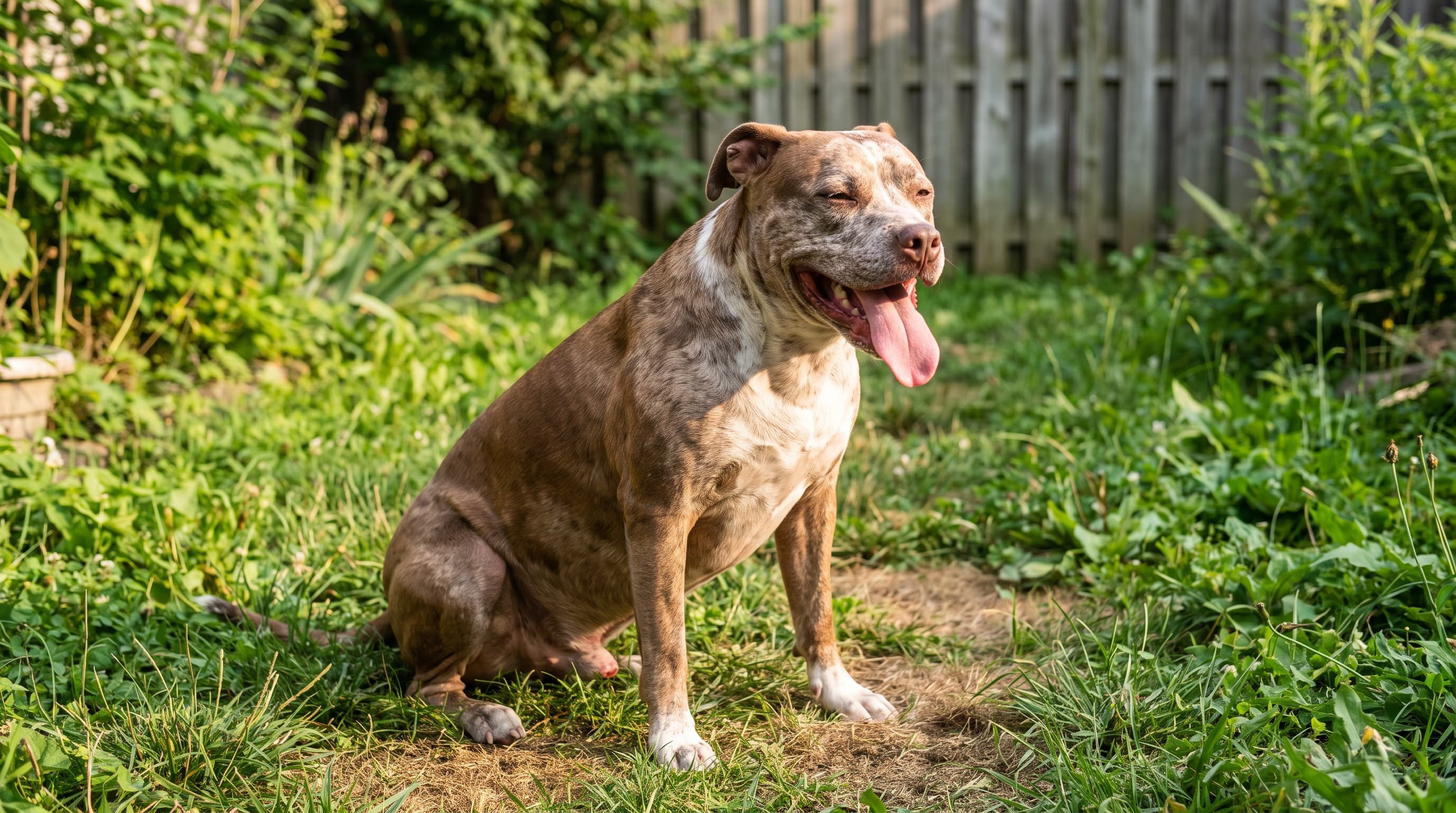

Pitbull Mix Breeds: The Complete Guide to Types, Traits, and Care
A pitbull mix is any dog crossed with a pit bull–type breed such as the American Pit Bull Terrier or American Staffordshire Terrier. These dogs are typically muscular, medium-sized, deeply loyal, and highly people-oriented. With training and early socialization, most pitbull mixes make affectionate, trainable family companions rather than the aggressive stereotype.
What Exactly Is a Pitbull Mix?
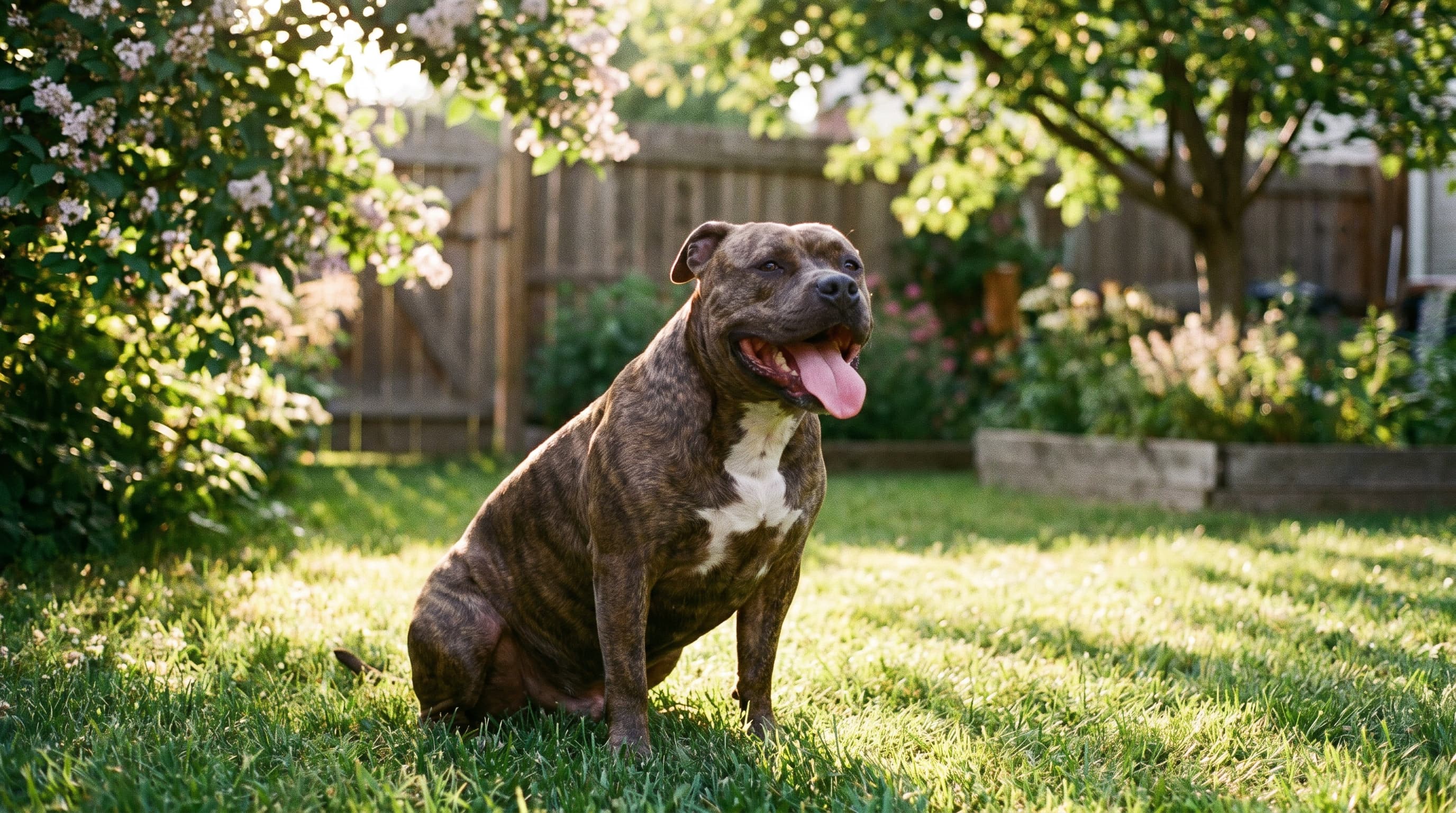
"Pit bull" is not a single breed but an umbrella term for several bully-type breeds and their crosses, including the American Pit Bull Terrier, American Staffordshire Terrier, Staffordshire Bull Terrier, and the American Bully. A pitbull mix is simply one of these dogs bred with another breed — sometimes intentionally, but far more often the result of shelter litters of unknown parentage.
Because the label covers so many genetic combinations, "pitbull mix" describes a body type and temperament range more than a fixed pedigree. According to the American Kennel Club's profile of the American Staffordshire Terrier, responsibly bred and well-socialized dogs of this type are "smart, confident, good-natured companions." Those core traits — intelligence, confidence, and devotion to their humans — tend to shine through in the mixes, too. If you're curious how long these dogs typically live, our guide to pitbull lifespan and longevity breaks down the numbers.
The Most Popular Pitbull Mix Breeds
While shelter pitbull mixes come in endless combinations, a handful of intentional crosses have become genuinely popular. Here are the ones you're most likely to meet.
Labrabull (Pitbull + Labrador Retriever)
Also called the Pitador or Bullador, this cross pairs the pit bull's athleticism with the Labrador's easygoing friendliness. As Canine Journal notes in its overview of pittie crosses, Labrabulls are typically energetic, smart, and eager to please, making them one of the more trainable pit mixes for active families.
Bullboxer (Pitbull + Boxer)
A larger, playful cross that combines two muscular, high-energy parents. Bullboxers are loyal and clownish, often keeping their puppy-like goofiness well into adulthood. They need plenty of exercise and thrive with confident owners who enjoy an interactive dog.
Chipit (Pitbull + Chihuahua)
One of the more surprising crosses, the Chipit is usually small-to-medium and full of personality. The Daily Paws guide to pit bull types highlights how much variation these crosses show — a Chipit can inherit the Chihuahua's compact frame with the pit's blocky head and bold attitude.
Pitweiler (Pitbull + Rottweiler)
A powerful, protective cross that demands an experienced owner and a serious commitment to socialization. Pitweilers are devoted and confident, but their size and strength mean training should start in puppyhood.
Pitsky (Pitbull + Siberian Husky)
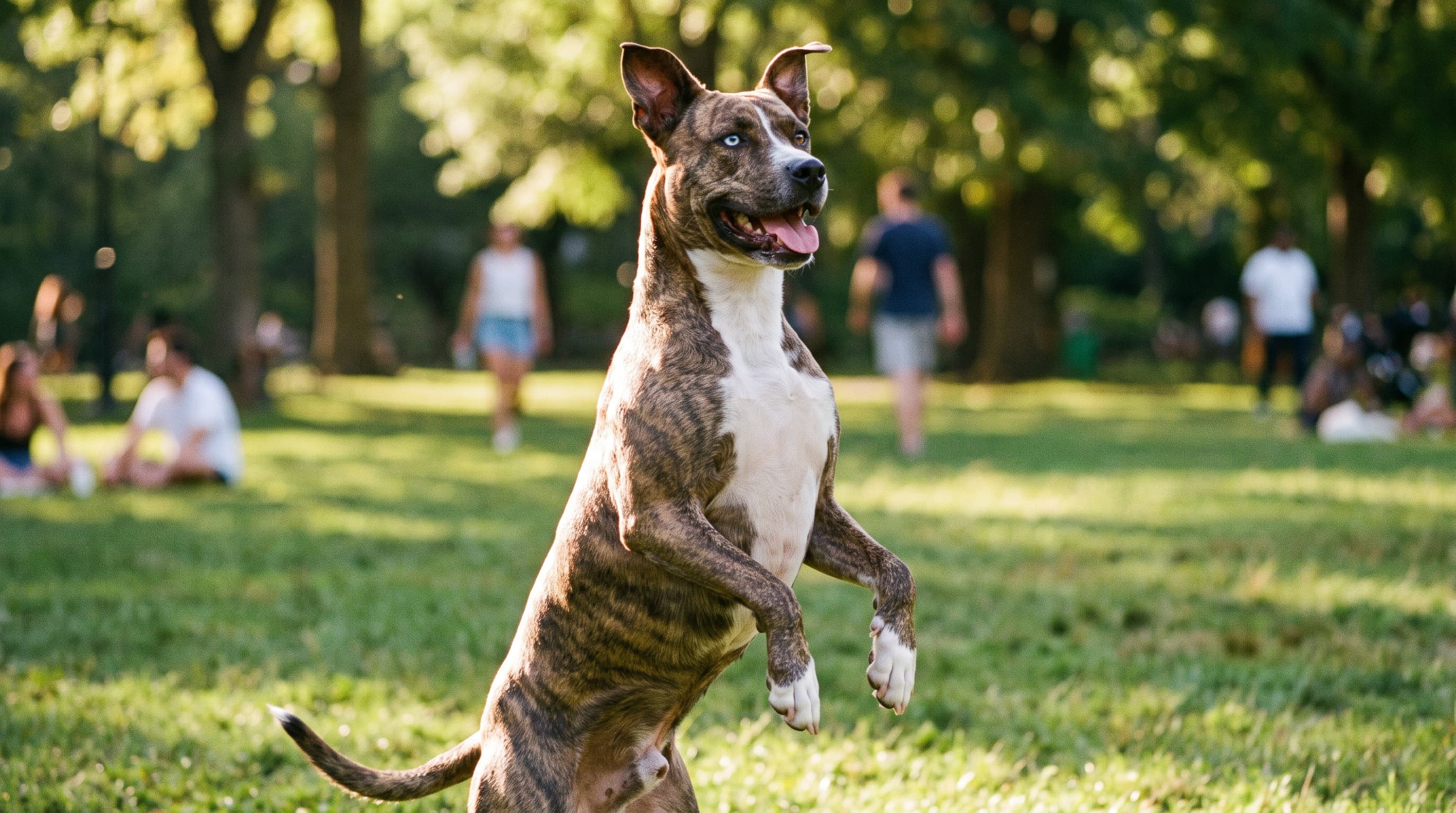
An athletic, striking mix that often inherits the Husky's blue eyes and the pit's muscular build. Pitskies are high-energy and need a job — long runs, hikes, and mental enrichment keep them balanced.
Pitbull Mix Temperament and Personality
Despite decades of bad press, pit bull–type dogs and their mixes are, by temperament, remarkably people-focused. The World Animal Foundation's roundup of pitbull mixed breeds emphasizes their affectionate, loyal nature and their reputation as "nanny dogs" earned in the early 20th century.
What actually shapes a pitbull mix's behavior is the same thing that shapes any dog: genetics, early socialization, training, and management. A well-socialized pit mix is typically confident, eager for human attention, and playful. Poorly socialized or under-exercised dogs of any breed can develop behavior problems, so the label matters far less than the individual dog and its upbringing. Many pit mixes do beautifully in homes with kids — see our list of the best dogs for families with children for how to evaluate temperament fit.
Exercise, Training, and Care Needs
Pitbull mixes are athletic dogs that generally need 45–90 minutes of vigorous activity daily. Without an outlet, that energy can turn into chewing, digging, or hyperactivity. Structured walks, fetch, tug, flirt-pole play, and canine sports like weight pull or agility all help.
On the training side, these dogs respond best to positive-reinforcement methods. They're smart and food-motivated, which makes reward-based training highly effective — and harsh corrections counterproductive. Early, ongoing socialization with people and other dogs is the single most important investment you can make. Grooming is easy: their short coats need only weekly brushing and occasional baths, though many are moderate seasonal shedders.
Health Considerations for Pitbull Mixes
Mixed-breed dogs often benefit from "hybrid vigor," but pit mixes can still inherit conditions common to their parent breeds, including hip dysplasia, skin allergies, hypothyroidism, and heart issues. Their short coats and love of snuggling also mean they feel cold easily. A reputable rescue or breeder, regular veterinary care, and a good diet go a long way. For a full look at how these factors add up over a lifetime, revisit our pitbull lifespan guide.
This article is general information and not veterinary advice. If your dog shows signs of illness or you have questions about a specific health condition, consult your veterinarian.
Adoption, Insurance, and Breed-Specific Legislation
Pitbull mixes are among the most common dogs in U.S. shelters, which means adopting one is often easier and cheaper than buying — and you'll be saving a life. Before you adopt, though, check local laws. Some cities and counties enforce breed-specific legislation (BSL), and some landlords and homeowner's insurers restrict pit bull–type dogs. The ASPCA explains breed-specific legislation as laws that regulate or ban certain breeds; the organization opposes BSL because breed is a poor predictor of individual behavior. Research your city ordinances, rental agreement, and insurance policy before bringing a pit mix home so there are no surprises.
Frequently Asked Questions
Are pitbull mixes good family dogs?
Yes — with proper socialization and training, most pitbull mixes are affectionate, loyal, and patient family dogs. Like any breed, individual temperament and upbringing matter more than the label. Always supervise interactions between any dog and young children.
How big do pitbull mixes get?
It depends entirely on the other parent breed. Most fall in the 30–65 pound range and stand 17–21 inches tall, but a Chipit may weigh under 25 pounds while a Pitweiler can top 90 pounds.
Do pitbull mixes shed a lot?
Most have short single coats that shed moderately year-round with a heavier seasonal blowout. Weekly brushing and a healthy diet keep shedding manageable. They are not considered hypoallergenic.
Are pitbull mixes aggressive?
Not inherently. Pit bull–type dogs score well on standardized temperament tests, and behavior is shaped by genetics, socialization, training, and management — not breed label alone. Responsible ownership is what produces a well-behaved dog.
How much exercise does a pitbull mix need?
Plan on 45–90 minutes of vigorous activity per day, plus mental enrichment like training games and puzzle feeders. Under-exercised pit mixes are far more likely to develop nuisance behaviors.
Can I insure or rent with a pitbull mix?
Often yes, but not always. Some insurers and landlords restrict pit bull–type breeds, and some municipalities enforce breed-specific legislation. Check local laws, your lease, and your insurance policy before adopting.
Considering a Pit Bull–Type Dog?
If a pitbull mix sounds like your match, dig deeper into specific types before you adopt. Learn about the striking blue nose pitbull and the compact pocket pitbull to see which build and energy level suits your home — and remember that a well-matched, well-trained dog is a joy regardless of pedigree.
Love breed deep-dives like this? Subscribe to the Daily Wag newsletter for weekly breed guides, training tips, and dog-friendly finds delivered straight to your inbox.