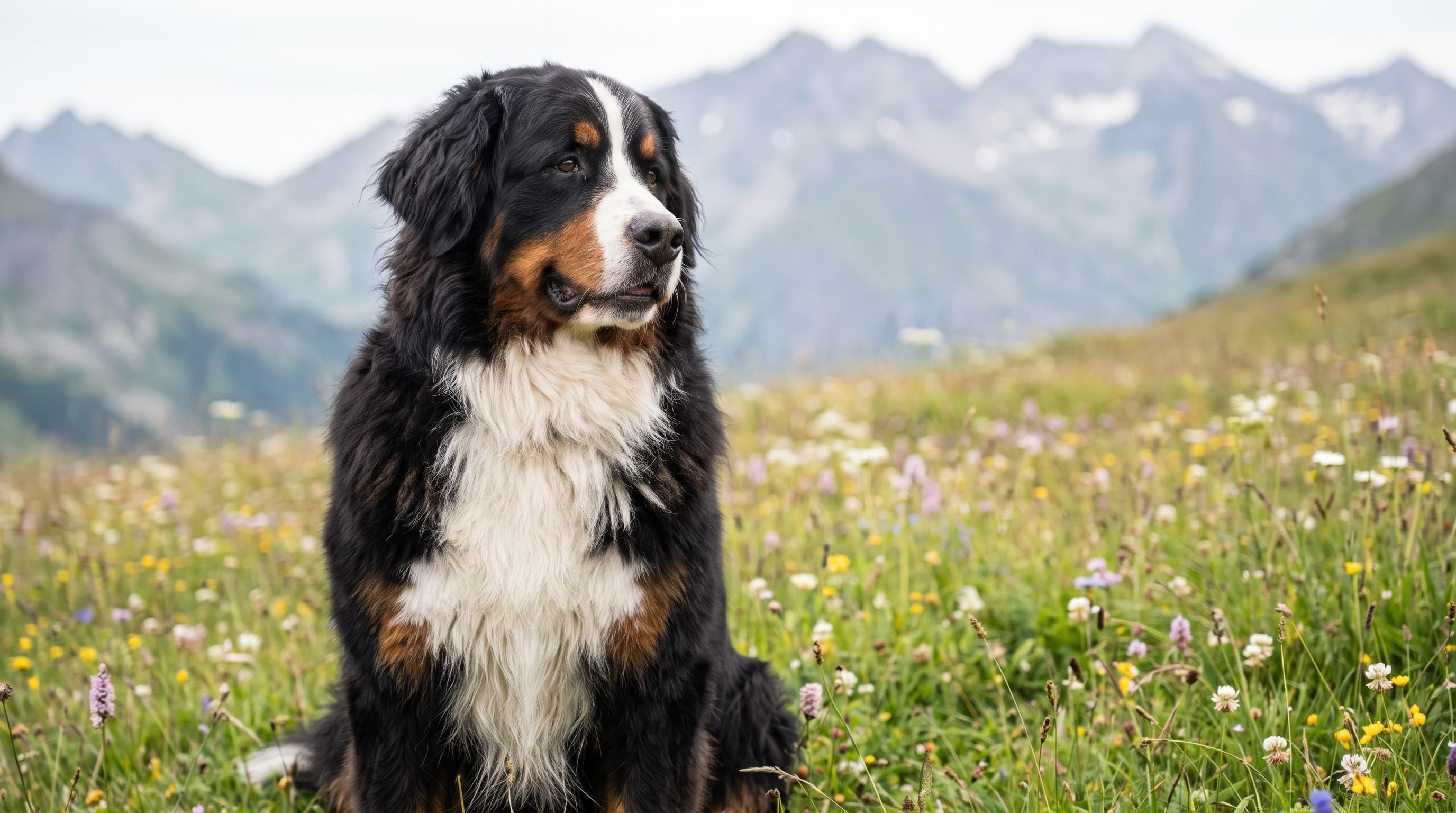

Great Bernese Dog: The Complete Guide to the Bernese Mountain Dog and Great Pyrenees Mix
The Great Bernese dog is a giant designer crossbreed that combines the Bernese Mountain Dog with the Great Pyrenees. Bred for a calm, loyal, "gentle giant" temperament, this mix typically stands 24 to 28 inches tall, weighs 70 to 115 pounds, and lives about 8 to 12 years. With a thick double coat, a protective streak, and deep affection for their families, Great Bernese dogs are devoted companions best suited to spacious, cooler-climate homes.
If you love the idea of a fluffy, oversized cuddle buddy who doubles as a watchful family guardian, the Great Bernese belongs on your shortlist. Below is everything prospective owners need to know—temperament, size, grooming, health, exercise, and whether this gentle giant is the right fit for you.
Great Bernese at a Glance
The Great Bernese (sometimes styled "Great Bernese Mountain Dog") is a first-generation cross between two beloved working breeds. From the Bernese Mountain Dog it often inherits a striking tricolor coat and a sweet, people-pleasing nature. From the Great Pyrenees it gains a white-heavy coat option, an independent guardian instinct, and serious size. As a hybrid, each puppy is a blend—so appearance and temperament can lean toward either parent, even within the same litter.
Great Bernese Temperament and Personality
Great Bernese dogs are best described as calm, loyal, gentle, and affectionate, though they can show the stubbornness and independence typical of livestock-guardian lineage. According to breed profiles like Hepper's Great Bernese overview, these dogs often bond intensely with one family member while remaining protective of the whole household.
Both parent breeds are natural protectors. The Great Pyrenees was bred to guard flocks from wolves and bears—a role the American Kennel Club traces to snowy mountaintops—so a Great Bernese may be watchful, bark to alert, and be reserved with strangers. Meanwhile, the Bernese Mountain Dog's famously "sweet, affectionate nature," as the American Kennel Club describes it, softens that guardian edge into a loving, placid family dog. Early socialization is essential to channel the protective instinct into steady, confident behavior.
Size and Appearance: Just How Big Do They Get?
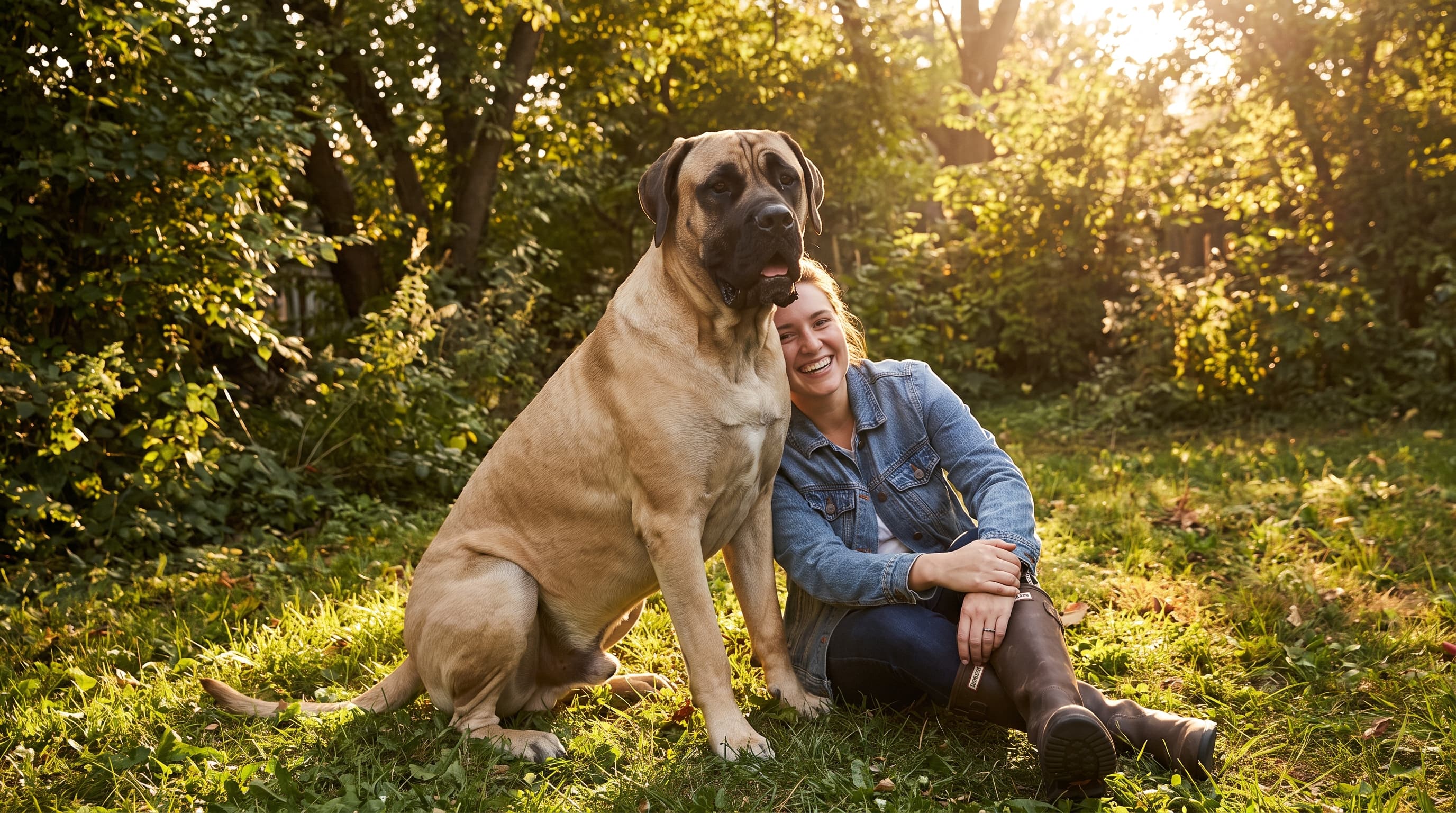
This is a giant breed. Expect a mature Great Bernese to stand roughly 24 to 28 inches at the shoulder and weigh between 70 and 115 pounds, with males typically larger than females. For context, the Great Pyrenees parent alone can weigh 120 to 165 pounds, so some Great Bernese individuals trend toward the very large end.
Coats are thick, long, and double-layered. Colors range from the classic Bernese black-white-rust tricolor to the predominantly white or cream coat of the Pyrenees, sometimes with badger, gray, or tan markings. Whatever the color, plan for a big, fluffy dog that takes up real estate on your couch. If you're drawn to large light-colored dogs, you'll also enjoy our roundup of the big white dog breeds.
Grooming and Shedding Needs
Great Bernese dogs are heavy shedders with high grooming demands. Their long, straight, thick fur and dense undercoat shed year-round and "blow" seasonally in spring and fall. Brushing several times a week—ideally daily during coat-blow season—keeps mats at bay and reduces the fur tumbleweeds around your home.
Because the coat is so dense, bathing should be occasional (the undercoat is slow to dry), with attention to thoroughly drying the skin afterward. Round out grooming with routine nail trims, ear checks, and dental care, which the breed is prone to needing. Budget for a good de-shedding tool, and consider professional grooming during heavy shedding periods.
Exercise and Living Requirements
Despite their calm demeanor, Great Bernese dogs need daily moderate exercise—think a couple of relaxed walks plus space to amble and patrol. They are not high-octane athletes, but they do need consistent movement to maintain healthy weight and joints. A large, securely fenced yard is ideal; a solid fence also satisfies their guardian urge to survey their territory.
Critically, this is a cold-weather dog. That heavy coat makes overheating a real risk, so exercise during cooler parts of the day in summer and always provide shade and water. Apartments are a poor fit given the size, shedding, and space needs. If you're weighing whether your living situation works for a giant breed, our guide on getting your dog's energy out offers practical ideas for large, low-endurance dogs.
Health and Lifespan of the Great Bernese
Great Bernese dogs typically live about 8 to 12 years—a range shaped by their giant size and their parents' health profiles. The Bernese Mountain Dog is a sobering benchmark here: a large Swiss study found an average lifespan of just 8.4 years, and roughly 55% of Bernese deaths are attributable to cancer, per breed health data. The Great Pyrenees fares somewhat better, with a 2024 UK study reporting a median lifespan near 10.9 years, according to breed records.
Common concerns for the mix include hip and elbow dysplasia, bloat (gastric dilatation-volvulus, a giant-breed emergency), various cancers, and joint issues tied to rapid large-breed growth. Responsible breeders screen parent dogs for hip, elbow, eye, and heart health. This is general information only and is not a substitute for veterinary care—if your dog shows signs of illness, a distended abdomen, retching, or sudden distress, contact your veterinarian right away.
Feeding and Nutrition for a Giant Breed
Feeding a Great Bernese is a giant-breed proposition, and it starts in puppyhood. Large- and giant-breed puppies should eat a diet formulated specifically for their growth rate; feeding a rich, calorie-dense "regular" puppy food can make them grow too fast and increase the risk of orthopedic problems like hip and elbow dysplasia. Look for a food labeled for large-breed growth and follow your veterinarian's guidance on portions and timing.
As adults, most Great Bernese dogs eat several cups of high-quality food per day, split into two meals rather than one large bowl. Splitting meals—and avoiding vigorous exercise right after eating—helps reduce the risk of bloat (gastric dilatation-volvulus), a life-threatening emergency giant breeds are prone to. Keep an eye on body condition, since excess weight strains the joints these big dogs already put under pressure. Always transition foods gradually and keep fresh water available.
Training and Socialization Tips
Great Bernese dogs are intelligent and eager to please their people, but the Great Pyrenees influence can add a streak of independence and selective "listening." The winning approach is early, positive, reward-based training that starts in puppyhood, before your dog reaches its full, hard-to-manage size. A 100-pound dog that never learned leash manners is a genuine handful.
Prioritize socialization above almost everything else. Because both parent breeds are natural guardians, exposing your Great Bernese to a wide variety of people, dogs, environments, and situations while young helps ensure the protective instinct develops into calm confidence rather than wariness. Keep sessions short, upbeat, and consistent, and enroll in a puppy class if you can. Never rely on harsh corrections—these sensitive giants respond best to patience and clear, kind structure.
Cost of Owning a Great Bernese
Big dog, big budget. A Great Bernese puppy from a responsible breeder who health-tests the parents typically costs somewhere in the range of $1,000 to $2,500, though price varies widely by region and lineage. That's just the entry fee. Giant breeds cost more to feed, more for flea/tick and heartworm preventatives (dosed by weight), and more for boarding, grooming, and medications.
Veterinary care is the wildcard. Given the breed's predisposition to cancer, joint issues, and bloat, prospective owners should budget for routine care plus an emergency fund—or pet insurance—for the unexpected. Factoring in food, grooming supplies, and healthcare, owning a giant breed like the Great Bernese is a meaningful long-term financial commitment on top of the time and space it requires.
Is a Great Bernese Right for Your Family?
Great Bernese dogs generally do well with families and can be wonderful with children, but their sheer size means small kids should always be supervised to avoid accidental knocks. They tend to pair best with older children who can handle enthusiastic, big-dog play. They can coexist with other pets when socialized early, though the guardian instinct means introductions should be gradual.
The ideal Great Bernese home has space, a cooler climate, tolerance for shedding, time for grooming and training, and a preference for a mellow-but-watchful companion over a jogging partner. If that sounds like you, this gentle giant will reward you with years of loyal, cuddly devotion.
Frequently Asked Questions About the Great Bernese
How big do Great Bernese dogs get?
Great Bernese dogs usually stand 24 to 28 inches tall and weigh 70 to 115 pounds. Because the Great Pyrenees parent can exceed 120 pounds, some individuals grow larger than the average range.
What is the lifespan of a Great Bernese?
Most Great Bernese dogs live around 8 to 12 years. Giant breeds tend to have shorter lifespans, and the Bernese Mountain Dog parent in particular has a notably short average lifespan of about 8.4 years.
Do Great Bernese dogs shed a lot?
Yes. They are heavy, year-round shedders with a dense double coat that blows seasonally. Expect to brush several times a week and daily during spring and fall shedding periods.
Are Great Bernese dogs good with kids?
Generally yes—they are affectionate and gentle—but their large size means young children should be supervised during play. They often do best with older kids.
Are Great Bernese dogs good guard dogs?
They make excellent watchful family protectors thanks to the Great Pyrenees' livestock-guardian heritage. They are more likely to alert and deter than to be aggressive, especially with proper socialization.
Do Great Bernese dogs need a lot of exercise?
No—they need moderate daily exercise like walks and yard time, not intense activity. They are calm giants prone to overheating, so keep exercise cool and consistent rather than strenuous.
Explore More Gentle Giants
Falling for fluffy, oversized breeds? Dig deeper into the parent breeds with our full Great Pyrenees guide and our Bernese Mountain Dog profile. For weekly breed spotlights, training tips, and gentle-giant care advice, subscribe to the Daily Wag newsletter.