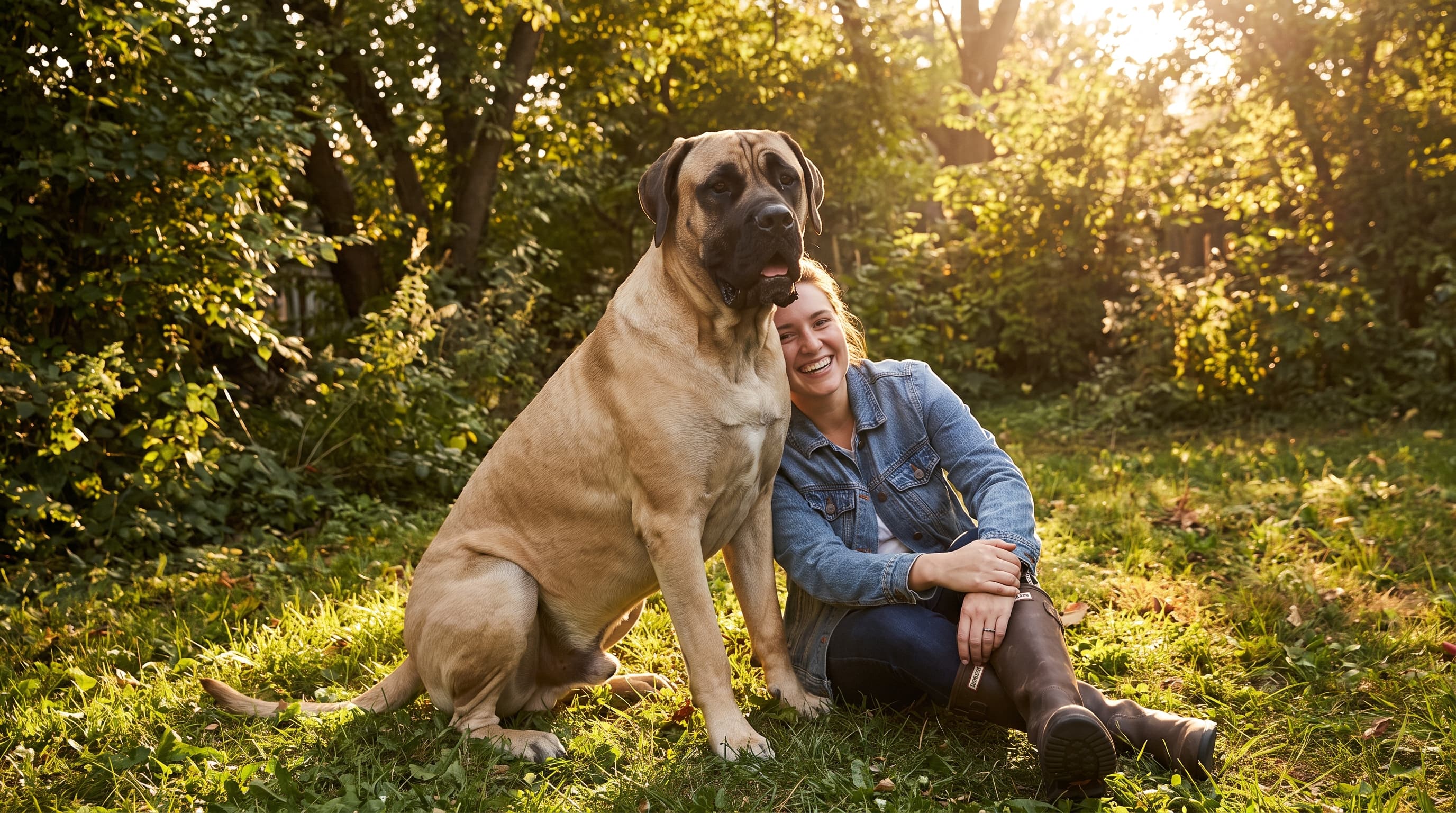

Italian Daniff: The Complete Guide to the Cane Corso Great Dane Mix
The Italian Daniff is a giant hybrid dog created by crossing the Cane Corso with the Great Dane, typically standing 28 to 36 inches tall and weighing 100 to 150 pounds. Bred as a gentle-giant family guardian, this rare designer dog pairs the Cane Corso's protective loyalty with the Great Dane's easygoing warmth. Expect a calm, intelligent, deeply devoted companion that needs space, early training, and an owner ready for a truly big dog.
What Is an Italian Daniff?
The Italian Daniff is a first-generation designer crossbreed produced by mating a Cane Corso with a Great Dane. It goes by a few names — Daniff, Italian Daniff, or simply the Cane Corso Great Dane mix — and it is not recognized by the American Kennel Club because it is a hybrid rather than a purebred. Both parents are ancient working breeds. According to the American Kennel Club, the Cane Corso's lineage traces back to ancient Roman times, and its name derives from Latin roughly meaning "bodyguard dog." The Great Dane, described by the AKC as the easygoing "Apollo of Dogs," was developed centuries ago from Mastiff-type dogs to hunt wild boar before becoming a beloved estate companion.
Blend those two histories and you get a dog with serious guardian instincts wrapped in an affectionate, family-first temperament. Because the Italian Daniff is a cross of two giant breeds, no two are exactly alike — puppies can lean more toward the leaner, taller Dane or the stockier, more muscular Corso, even within the same litter.
Italian Daniff Size, Appearance, and Coat
There is no getting around it: this is a giant dog. Sources such as Wag! list adult males at roughly 35 to 36 inches tall and 115 to 130 pounds, while Dogster reports a broader range of 100 to 175 pounds depending on which parent's genes dominate. Females typically run two to three inches shorter and up to 15 pounds lighter than males.
The coat is short, dense, and smooth, sitting close to the body and requiring little maintenance. Common colors include black, blue, fawn, brown, brindle, and the diluted "isabella" shade, often with a black mask and dark, expressive eyes. The overall impression is powerful and athletic — a broad chest, a large blocky head, and a muscular frame that turns heads on every walk.
Italian Daniff Temperament and Personality
Despite an intimidating appearance, the Italian Daniff is best described as a gentle giant. Owners and breed profiles consistently note that these dogs are loyal, affectionate, and remarkably tolerant of children and other pets when raised with them. Wag! describes the breed as "laid back and easy-going" with a tendency to bark rarely — a welcome trait in a dog this size.
That said, the Corso side brings strong protective instincts. Italian Daniffs are naturally watchful and territorial with strangers, which makes them excellent deterrents but also means early socialization is non-negotiable. Hepper's breed resource cautions that, without proper training and exposure, a dog of this size and drive can become overly wary. Raised well, the Italian Daniff is confident, calm, and devoted — the kind of dog that leans its full weight against your leg and considers that cuddling.
Training and Socialization
Italian Daniffs are intelligent and eager to please, which makes them more trainable than many giant breeds. Start obedience work and socialization in puppyhood, expose your dog to a wide variety of people, dogs, sounds, and environments, and use consistent, reward-based methods. Because an adult can outweigh many of its owners, teaching reliable manners — no jumping, calm greetings, loose-leash walking — is a safety issue, not a luxury.
Positive reinforcement works far better than harsh corrections with this sensitive, people-oriented breed. If you are new to large guardian dogs, consider a professional trainer early. The habits you build in the first year will define what it is like to live with a 130-pound adult. For a foundation, our guide to whether these gentle giants are among the best dogs for families with kids covers early socialization principles that apply directly here.
Exercise and Living Requirements
Italian Daniffs have moderate energy for their size. Most profiles recommend 45 minutes to two hours of daily activity split across walks, play, and light training — enough to keep muscle tone and mental engagement without over-stressing developing joints. This is not a jogging partner, especially as a puppy: rapid growth in giant breeds means high-impact exercise should be limited until the skeleton matures.
These dogs need room. A house with a securely fenced yard suits them far better than an apartment, and they do best in homes where someone is around regularly, since they bond hard and can struggle with long stretches alone. Their short coat offers little insulation, so they should live indoors as full members of the family rather than outdoors.
Grooming and Care
Grooming is refreshingly simple. A weekly brush with a bristle or rubber curry brush removes loose hair and keeps the coat healthy, with slightly more frequent brushing during seasonal shedding in spring and fall. Bathe only as needed. Round out care with nail trims every two to three weeks, regular ear checks to prevent infections, and routine dental hygiene. Giant breeds are prone to dental disease, so daily tooth brushing pays off over a lifetime.
Italian Daniff Health and Lifespan
Like most giant breeds, the Italian Daniff has a relatively short lifespan of about 8 to 12 years. Prospective owners should be aware of the health conditions common to both parent breeds, including hip and elbow dysplasia, and — most urgently — bloat (gastric dilatation-volvulus), a life-threatening emergency in which the stomach twists. Feeding two or three smaller meals a day rather than one large meal, and avoiding vigorous exercise right after eating, can lower bloat risk.
Other conditions reported across breed resources include cherry eye, allergies, and arthritis as dogs age. Buying from a responsible breeder who screens parent dogs for hip, elbow, heart, and eye issues meaningfully improves your odds of a healthy dog. This is general information only and not veterinary advice — always consult your veterinarian about screening, nutrition, and any symptoms your dog shows.
Feeding a Giant-Breed Dog
Italian Daniffs need a high-quality diet formulated for large or giant breeds, with controlled calcium and appropriate protein to support slow, steady growth in puppies and joint health in adults. Expect to feed roughly 3 to 5 cups of food per day for an adult, divided into multiple meals. Because overfeeding accelerates joint problems and obesity, measure portions and monitor body condition rather than free-feeding. Your vet can help set a target weight and feeding plan.
Is the Italian Daniff Right for You?
This is a wonderful dog for the right home — one with space, time, and experience with large, protective breeds. Italian Daniffs reward committed owners with unwavering loyalty, natural home protection, and a surprisingly mellow indoor presence. They are less ideal for apartment dwellers, first-time owners, or anyone unprepared for the cost of feeding, medicating, and caring for a dog that may top 130 pounds. If you have the room and the resolve, few breeds will love you as completely.
Frequently Asked Questions
How big does an Italian Daniff get?
Adults typically stand 28 to 36 inches tall and weigh 100 to 150 pounds, with some large males reaching 175 pounds. Males are generally taller and heavier than females.
How long do Italian Daniffs live?
Their average lifespan is about 8 to 12 years, which is typical for giant-breed dogs. Good breeding, preventive veterinary care, and healthy weight management support the longer end of that range.
Are Italian Daniffs good family dogs?
Yes. When socialized early, they are affectionate, patient, and protective of their families, including children. Their size means interactions with small kids should always be supervised, simply because an excited 120-pound dog can knock someone over by accident.
Do Italian Daniffs shed a lot?
They are moderate shedders. The short, dense coat sheds year-round with heavier seasonal shedding in spring and fall, but weekly brushing keeps it well under control.
How much does an Italian Daniff cost?
Puppies from breeders generally cost about $600 to $1,500, though prices vary by location and lineage. Remember to budget for the ongoing costs of feeding and caring for a giant breed, which are substantially higher than for a small or medium dog.
Are Italian Daniffs aggressive?
No, not inherently. They are naturally protective and territorial with strangers, but with early socialization and consistent training they are calm and well-mannered. Aggression usually stems from poor socialization rather than the breed itself.
Bringing Home Your Gentle Giant
The Italian Daniff is proof that big dogs can have even bigger hearts. If a devoted, watchful, couch-loving giant sounds like your kind of companion, take time to research responsible breeders and prepare your home for a truly large dog. Curious about the parent breeds? Read our full guides to the Cane Corso and the powerful Bullmastiff to see where the Daniff gets its guardian roots. And subscribe to the Daily Wag newsletter for breed spotlights, training tips, and giant-breed care delivered straight to your inbox.