
Big White Dog Breeds: 12 Fluffy Giants and How to Care for Them
A big white dog is any large-breed dog—typically 50 pounds or more—with a predominantly white coat, and the most popular examples are the Great Pyrenees, Samoyed, Kuvasz, Komondor, Dogo Argentino, and Maremma Sheepdog. Most were bred as livestock guardians, so they pair a striking white coat with a calm, protective temperament and a thick coat that demands regular grooming and careful summer heat management.
If a cloud-like white dog the size of a small pony has ever stopped you mid-walk, you already understand the appeal. But these breeds are not interchangeable, and the coat that makes them beautiful also makes them a commitment. Below we break down the most notable big white dog breeds, what living with each is actually like, and the care realities—especially heat safety—that every prospective owner should know before falling for the fluff.
What Counts as a "Big White Dog"?
Coat color in dogs is genetic, and a truly white coat is produced either by pigment-restricting genes or by a lack of the eumelanin and pheomelanin that create black and red tones. According to PetMD's overview of white dog breeds, "white" ranges from the bright, cottony white of a Samoyed to the cream-tinged coats of some Great Pyrenees. For this guide, "big" means an adult weight roughly north of 50 pounds and a height at the shoulder of 22 inches or more.
Many of the world's large white breeds share a job history: guarding sheep and goats in mountainous regions of Europe and Asia. A pale coat helped shepherds distinguish their dog from predators like wolves at dusk, and it helped the dog blend in with the flock. That working heritage shapes their temperament to this day—independent, alert, and deeply bonded to their family.
The Gentle Giants: Great Pyrenees, Kuvasz, and Maremma
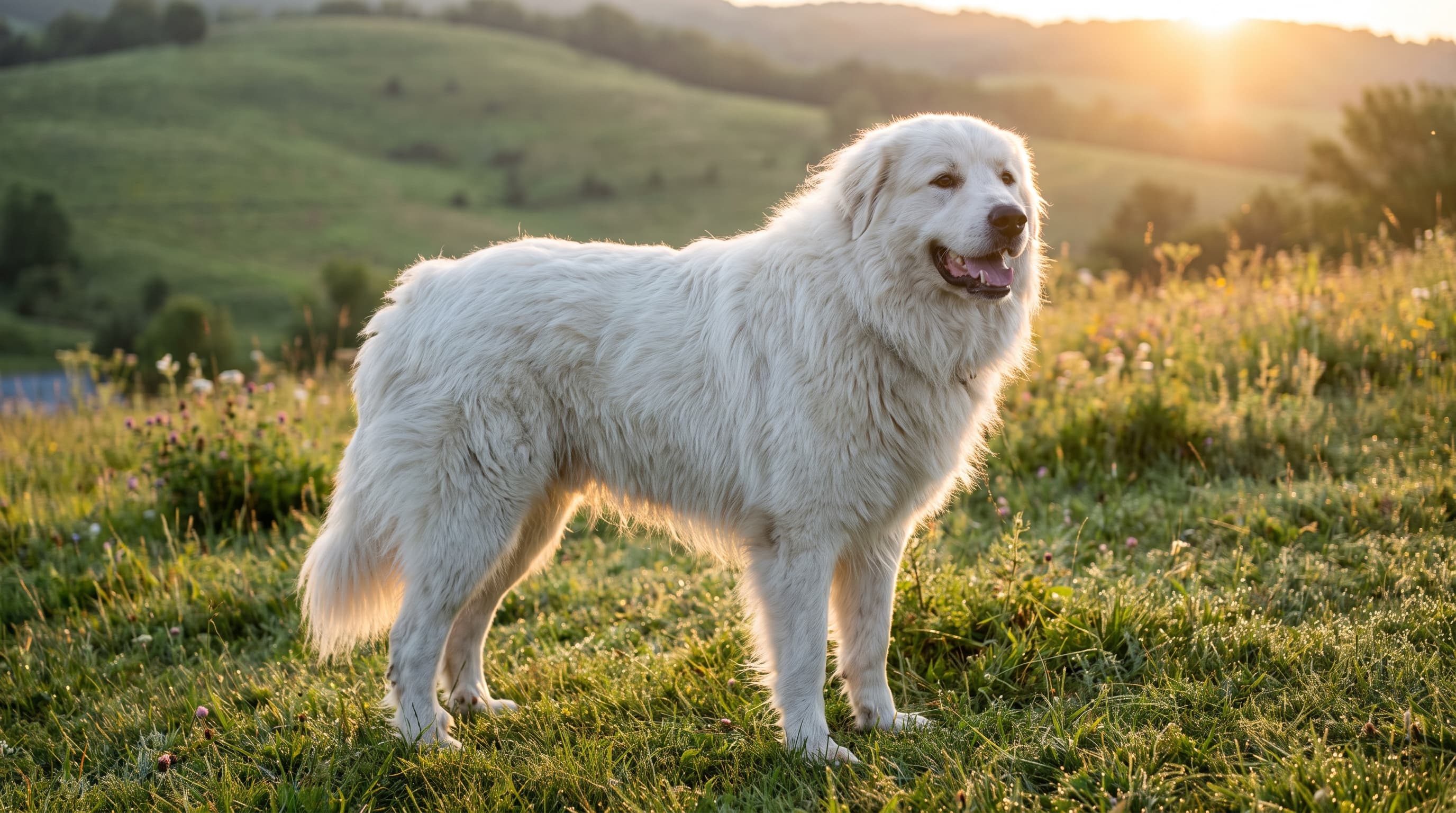
The Great Pyrenees is the breed most people picture first. Males can reach 100 to 160 pounds and stand 27 to 32 inches tall, wrapped in a weather-resistant double coat that is white or white with markings of gray, tan, or badger. They are famously patient with children and livestock and famously stubborn about training. As the American Kennel Club notes in its roundup of the largest dog breeds, giant guardians like the Pyr were bred to make decisions on their own, so they respond best to calm, consistent, reward-based work rather than repetition drills.
The Kuvasz, a Hungarian livestock guardian, carries a similar elegant white coat over a powerful, athletic frame of 70 to 115 pounds. Kuvaszok are fearless and devoted but reserved with strangers, which makes early socialization essential. The Maremma Sheepdog, Italy's classic flock guardian, looks like a slightly smaller Pyrenees and shares the same independent, protective wiring. All three thrive with a job to do and space to patrol.
The Fluffy Showstopper: The Samoyed
No dog does "smiling white cloud" better than the Samoyed. Bred by the Samoyede people of Siberia to herd reindeer and sleep among the family for warmth, Sammies are affectionate, playful, and genuinely people-oriented—less aloof than the guardian breeds. They are mid-sized among this list at 35 to 65 pounds, but their profuse double coat makes them look far bigger.
That coat is the catch. Samoyeds shed heavily, "blow" their undercoat seasonally, and need brushing several times a week. Their thick insulation is superb for Siberian winters and dangerous in summer heat, which brings us to the single most important care topic for every dog on this list.
Summer Heat Is the Real Danger for Thick White Coats
A heavy double coat that evolved for mountain winters becomes a liability in July. Heatstroke is a genuine emergency: a dog's normal body temperature is around 101–102.5°F, and temperatures above roughly 104°F can begin to cause organ damage. Signs include heavy panting, drooling, bright red gums, wobbliness, vomiting, and collapse. If you see them, move your dog to shade or air conditioning, offer cool water, and contact your veterinarian immediately—heatstroke can be fatal within minutes.
Prevention is simple but non-negotiable for these breeds: walk in the early morning or evening, provide constant shade and fresh water, never leave a dog in a parked car, and skip strenuous midday exercise on hot days. Resist the urge to shave a double coat, which actually helps regulate temperature and protects skin from sunburn; instead, keep it brushed out so air can circulate. For more warm-weather planning, our guide to the best summertime dog products covers cooling mats, collapsible water bowls, and travel gear that make hot months safer.
The Bold and Unusual: Dogo Argentino, Komondor, and Kuvasz Cousins
Not every big white dog is a fluffy guardian. The Dogo Argentino is a muscular, short-coated white breed developed in Argentina for big-game hunting and pack work. Powerful and courageous, the Dogo needs an experienced owner, thorough socialization, and firm, positive leadership; it is also restricted or banned in some jurisdictions, so check local laws first. The Komondor, by contrast, is impossible to mistake for anything else—its white coat naturally forms long, felted cords that look like a living mop and can weigh the dog down if not maintained. Cording is beautiful but labor-intensive, requiring hours of separating the cords and very long drying times after baths.
Rounding out the unusual end of the spectrum, the American Eskimo Dog comes in three sizes and delivers the classic fluffy-white look in a more manageable package, while the Berger Blanc Suisse (White Swiss Shepherd) offers German Shepherd intelligence in a snow-white coat.
Grooming, Cost, and Whether a Big White Dog Fits Your Life
White coats show dirt, and large dogs cost more to feed, medicate, and board. Budget for professional grooming or commit to serious at-home maintenance—our DIY dog grooming guide walks through brushing out a double coat, bathing, and nail care. Tear staining and grass stains can tint a white face, so gentle daily face-wiping helps. Guardian breeds also bark, dig, and roam by instinct, so secure fencing is a must.
Ask yourself honestly: Do you have the time for near-daily brushing? The space for a large, active dog? The patience for an independent thinker who may not care about your recall cue? If yes, few dogs are as majestic or as devoted. If you love the look but want something smaller, consider a Coton de Tulear or Bichon Frise for the white coat in a compact, apartment-friendly size.
Frequently Asked Questions
What is the big fluffy white dog breed called?
The "big fluffy white dog" most people picture is usually the Great Pyrenees or the Samoyed. Both have thick white double coats, though the Pyrenees is a giant livestock guardian (often 100+ pounds) and the Samoyed is a mid-sized, exceptionally friendly herding breed.
What is the largest white dog breed?
The Great Pyrenees is generally the largest common white breed, with males reaching 100 to 160 pounds. The Kuvasz and some Komondorok also exceed 100 pounds. For sheer height, the (usually non-white) Irish Wolfhound is taller, but among predominantly white breeds the Pyrenees leads.
Do big white dogs shed a lot?
Most do. Double-coated breeds like the Samoyed, Great Pyrenees, Kuvasz, and Maremma shed year-round and blow their undercoats seasonally in spring and fall. Short-coated white breeds like the Dogo Argentino shed less but still need regular brushing. Plan on frequent vacuuming.
Are big white dogs good with kids and families?
Many are excellent family dogs. Great Pyrenees and Samoyeds are known for patience and gentleness with children, thanks to their guardian and companion heritage. As with any large dog, supervise interactions with young kids and prioritize early training and socialization.
How do I keep a white dog's coat clean and bright?
Brush several times a week to remove trapped dirt, wipe the face daily to limit tear and food staining, and bathe with a whitening or gentle dog shampoo as needed. Avoid over-bathing, which strips protective oils, and never shave a double coat.
Do big white dogs handle hot weather?
Thick-coated breeds struggle in heat and are prone to heatstroke. Limit exercise to cool parts of the day, provide shade and water at all times, and never leave them in a hot car. Short-coated breeds like the Dogo tolerate heat better but still need sun protection.
Is a Big White Dog Right for You?
These breeds reward the right owner with loyalty, beauty, and a genuinely calm presence at home—but they are a real commitment of grooming time, space, and summer vigilance. If you're drawn to the guardian breeds, read our full profiles of the Great Pyrenees and the Alaskan Malamute to compare temperaments before you decide, and browse our list of names for white dogs for when the newest fluffy giant comes home.
Want more breed deep-dives, seasonal care tips, and honest ownership guides delivered weekly? Subscribe to the Daily Wag newsletter and never miss a post.