
Long Snout Dog Breeds: 16 Dogs With Long Noses and Why It Matters
A long snout dog is a dolichocephalic breed — one whose skull is noticeably longer than it is wide, giving it an elongated muzzle. Classic examples include the Borzoi, Greyhound, Whippet, Bloodhound, Collie, Doberman, and Dachshund. That long nose isn't just striking to look at; it powers superior scenting and, in sighthounds, blistering speed.
What Makes a Dog "Long-Snouted"?
Veterinarians and biologists sort dog skulls into three shapes using the cephalic index, the ratio of skull width to length. Long-snouted dogs are dolichocephalic — the breadth of the skull is less than about 75–80% of its length — as opposed to the medium-headed mesaticephalic dogs (like Labradors and German Shepherds) and the flat-faced brachycephalic dogs (like Pugs and Bulldogs). In plain terms: if your dog's face looks long and tapered rather than round and pushed-in, it sits on the dolichocephalic end of the spectrum.
These proportions are the result of centuries of selective breeding for specific jobs. Hunters wanted dogs that could either run down fast prey by sight or follow a cold scent trail for miles, and a long muzzle serves both goals beautifully. The shape is not a modern cosmetic fad — it is the original, functional canine head, closest to the wolf's.
Why a Long Nose Actually Matters
The long snout is a scenting machine. A longer muzzle houses more olfactory epithelium — the tissue packed with scent-receptor cells — and more real estate for the turbinate bones that swirl air across those receptors. Dogs already have more than 100 million scent receptors compared with about 6 million in humans, and the part of the canine brain devoted to analyzing smell is roughly 40 times larger than ours. Breeds with the longest, deepest muzzles, like the Bloodhound, take that advantage even further, which is exactly why they're used to track missing people.
For sighthounds, the long head is about aerodynamics and vision as much as scent. A narrow, tapered skull sits low and streamlined at speed, and the breed's build lets dogs like the Greyhound hit sprinting velocities other dogs can't match. There's a health angle too: because long-snouted dogs have open, unobstructed airways, they largely avoid the breathing, overheating, and dental-crowding problems that plague flat-faced breeds.
Sighthounds: Built for Speed
Sighthounds hunt by sight and sheer velocity, and almost all of them are the poster children for the long-snouted look.
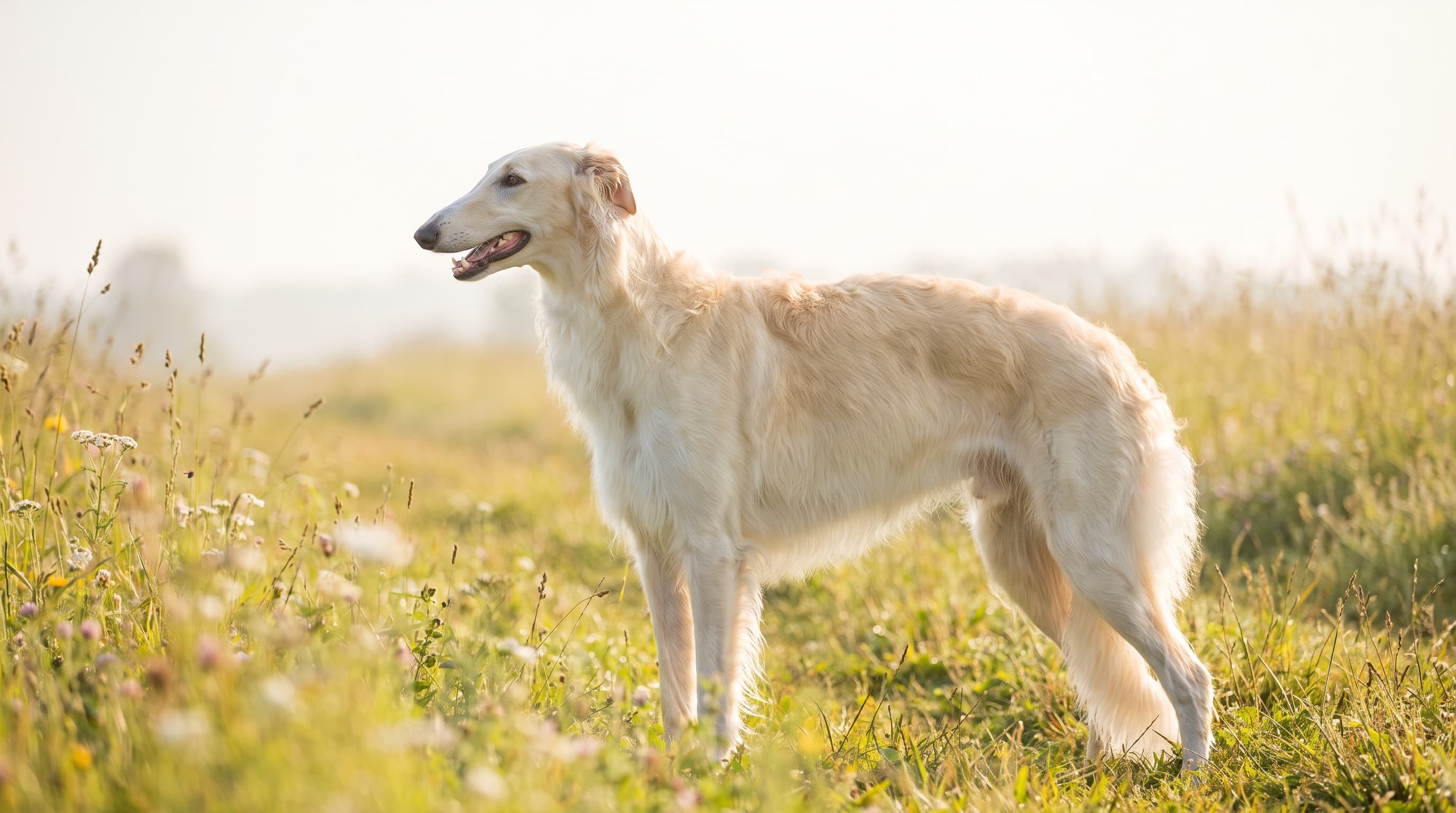
- Borzoi — The Russian "wolfhound" has one of the longest, most elegant heads in dogdom and can fly by at 35 to 40 miles per hour. Calm and cat-like indoors. Meet the breed in our full Borzoi guide.
- Greyhound — The "champion sprinter of dogdom," with a long narrow skull and a gentle, couch-loving temperament that surprises first-time owners. Learn more in our Greyhound profile.
- Whippet — Essentially a compact Greyhound; the same tapered muzzle and explosive speed in a mid-size, apartment-friendly package.
- Saluki — One of the oldest breeds on earth, with a fine, long head bred to course game across desert sand.
- Afghan Hound — Behind the glamorous coat is a distinctly long, narrow muzzle and a proud, aloof personality.
- Irish Wolfhound & Scottish Deerhound — Giant sighthounds with long, powerful heads bred to run down wolves and deer.
Scenthounds and Working Dogs With Long Muzzles
Speed isn't the only reason for a long snout. Many of the world's best noses and hardest-working dogs carry elongated muzzles.
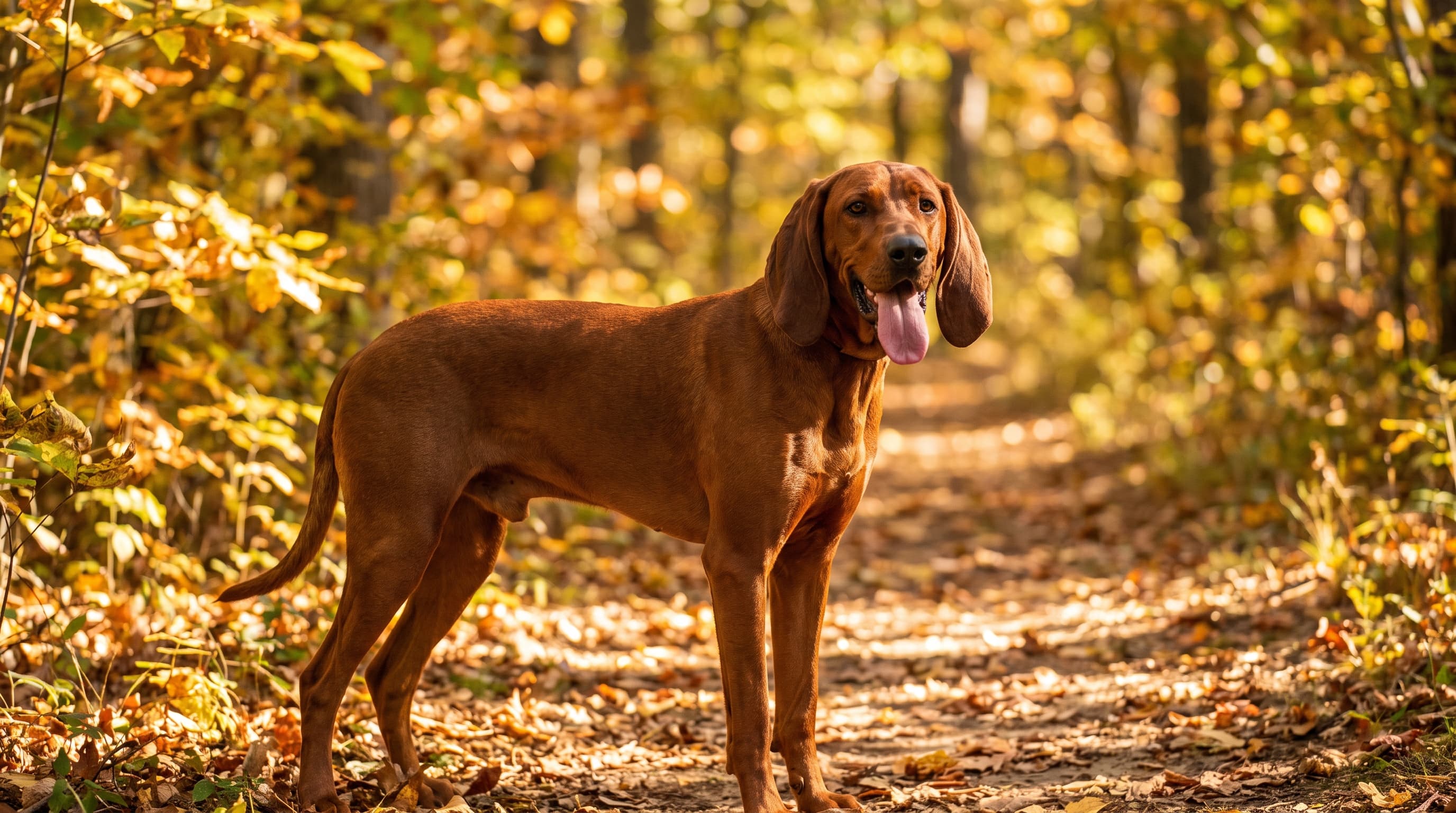
- Bloodhound — The premier tracking dog on the planet, with a deep, long muzzle and loose skin that funnels scent toward the nose. Its trailing evidence is even admissible in some courts.
- Basset Hound — Short-legged but long-nosed, the Basset is second only to the Bloodhound in scenting power, built to keep that nose low to the ground. See our Basset Hound guide.
- Doberman Pinscher — A sleek, athletic guardian whose long, wedge-shaped muzzle matches its speed and drive.
- Rough Collie — The "Lassie" dog's refined, elongated head is a breed hallmark; intelligent, gentle, and famously good with children, as covered on the AKC Collie page.
- German Shepherd & Belgian Malinois — Elite working dogs with strong, moderately long muzzles that support scent detection, tracking, and protection work. Explore the intense, driven Belgian Malinois.
- Australian Shepherd — A herding powerhouse with a clean, medium-long muzzle and a brilliant, tireless mind. Read our Australian Shepherd profile.
- Dachshund — Don't let the size fool you; the "wiener dog" was built with a long muzzle to scent and dig out badgers.
- Standard Poodle & Airedale Terrier — Both sport long, dignified muzzles beneath their distinctive coats.
Are Long-Snouted Dogs Healthier?
In one important respect, yes. Because dolichocephalic dogs have long, open airways, they almost entirely escape brachycephalic obstructive airway syndrome — the labored breathing, snoring, exercise intolerance, and heat sensitivity that flat-faced breeds struggle with. Their longer jaws also give teeth more room, reducing the severe dental crowding common in short-faced dogs, and they typically cope better with heat and exertion.
That doesn't make them problem-free. Some long-nosed breeds are prone to a rare cancer of the nasal passages, and a few sighthounds are sensitive to certain anesthetics because of their low body fat. Deep-chested breeds like the Doberman and the sighthounds also carry a higher risk of bloat. As always, this is general information, not veterinary advice — talk to your vet about breed-specific screening and care.
Long Snout Dog Breeds at a Glance
If you're drawn to the elegant, functional long-nosed look, your options span nearly every size and job:
- Fastest: Greyhound, Whippet, Borzoi, Saluki
- Best noses: Bloodhound, Basset Hound, Dachshund, German Shepherd
- Best family long-snout dogs: Rough Collie, Whippet, Australian Shepherd
- Biggest: Irish Wolfhound, Scottish Deerhound, Borzoi
- Apartment-friendly: Whippet, Greyhound (both are famous couch potatoes indoors)
Frequently Asked Questions
What is a long-snouted dog called?
A dog with a long snout is called dolichocephalic. The term describes a skull that is significantly longer than it is wide, producing an elongated muzzle. Sighthounds and many scenthounds fall into this category.
Which dog breed has the longest snout?
Sighthounds top the list, and the Borzoi is frequently cited as having one of the longest muzzles of any breed. The Greyhound, Saluki, and Afghan Hound also have notably long, narrow heads, while the Bloodhound has the deepest scenting muzzle.
Do dogs with long snouts smell better?
Generally, yes. A longer muzzle contains more scent-receptor tissue and more turbinate surface area, which is why long-nosed breeds like Bloodhounds and Basset Hounds are the world's premier tracking dogs.
Are long-snouted dogs healthier than flat-faced dogs?
In terms of breathing, cooling, and dental spacing, long-snouted dogs have a real advantage because their airways are open and unobstructed. They avoid the brachycephalic airway problems common in Pugs and Bulldogs, though they can have their own breed-specific health concerns.
Are long snout dogs good family pets?
Many are excellent family dogs. The Rough Collie and Australian Shepherd are devoted to children, and Greyhounds and Whippets are gentle, low-key housemates. As with any breed, match energy level and size to your lifestyle and socialize early.
The Bottom Line
From the racing Greyhound to the tracking Bloodhound to the family-favorite Collie, long snout dog breeds represent the original, athletic shape of the canine — and they come with genuine health perks over their flat-faced cousins. Curious how these noses actually perceive the world? Dive into how dogs see color next, and subscribe to the Daily Wag newsletter for breed spotlights, science-backed dog facts, and training tips delivered straight to your inbox.