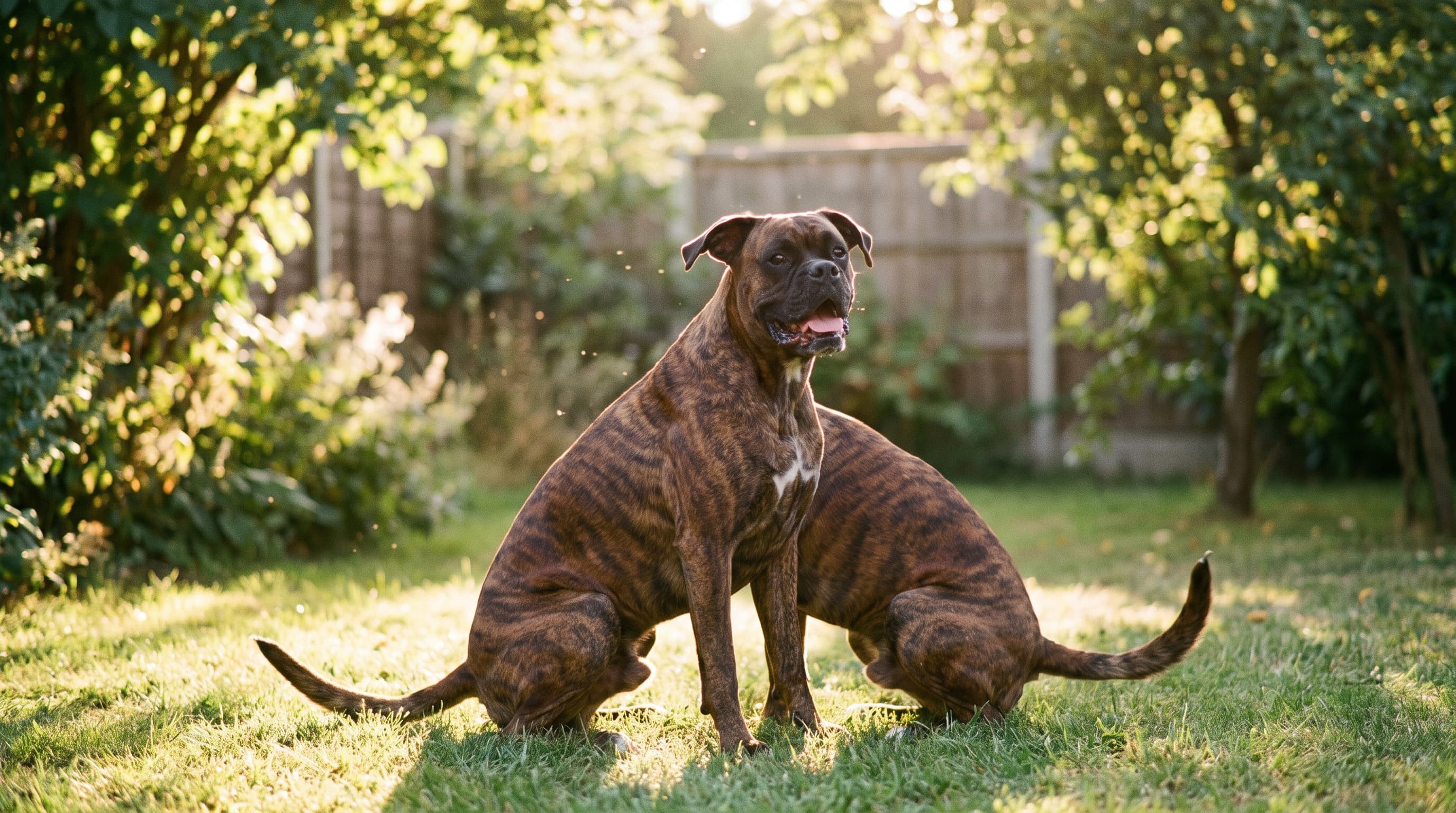

Brindle Dog Breeds: 16 Tiger-Striped Dogs and the Genetics Behind the Coat
Brindle dog breeds are dogs whose coats carry a distinctive tiger-stripe pattern — irregular dark streaks of eumelanin layered over a red, fawn, or tan base. Brindle is a coat color, not a breed, and it appears most often in Boxers, Cane Corsos, Bullmastiffs, Plott Hounds, Greyhounds, and several bully and mastiff-type dogs. Because the gene is recessive, the striping is less common than solid colors.
If you have ever locked eyes with a striped pup at the dog park and wondered what breed created that wild coat, you are not alone. Below we break down exactly what causes brindle, list 16 breeds that commonly wear it, and explain how to care for — and adopt — a brindle-coated dog.
What Does Brindle Mean? The Genetics of Tiger Stripes
Brindle is a coat coloring pattern of irregular stripes, most often described as tiger-striped or marbled. According to reference genetics of coat color, the stripes themselves are made of eumelanin (black or brown pigment) laid over a base of phaeomelanin (red or yellow pigment), with each governed by different genes.
The pattern is produced by a complex interaction at the K locus: some skin cells express one allele (the dominant KB) while neighboring cells express a different allele (ky), a mosaic process similar to what creates the patches on a tortoiseshell cat. The kbr (brindle) allele must be present, and because it sits below solid black in the dominance order, brindle shows up less frequently than plain coats. That recessive quirk is why a single litter can contain both brindle and solid-colored siblings.
Brindle is entirely cosmetic. It does not affect a dog's health, temperament, or trainability — a common myth we are happy to bust. A brindle Boxer and a fawn Boxer are the same dog under the coat.
16 Popular Brindle Dog Breeds
Not every breed can produce brindle — the dog has to carry the gene. These are the breeds where you will spot tiger stripes most often, from giant guardians to sleek sighthounds.
- Boxer — Perhaps the most recognizable brindle breed. The Boxer comes in just two recognized colors, fawn and brindle, and is famously bright, energetic, and very good with children.
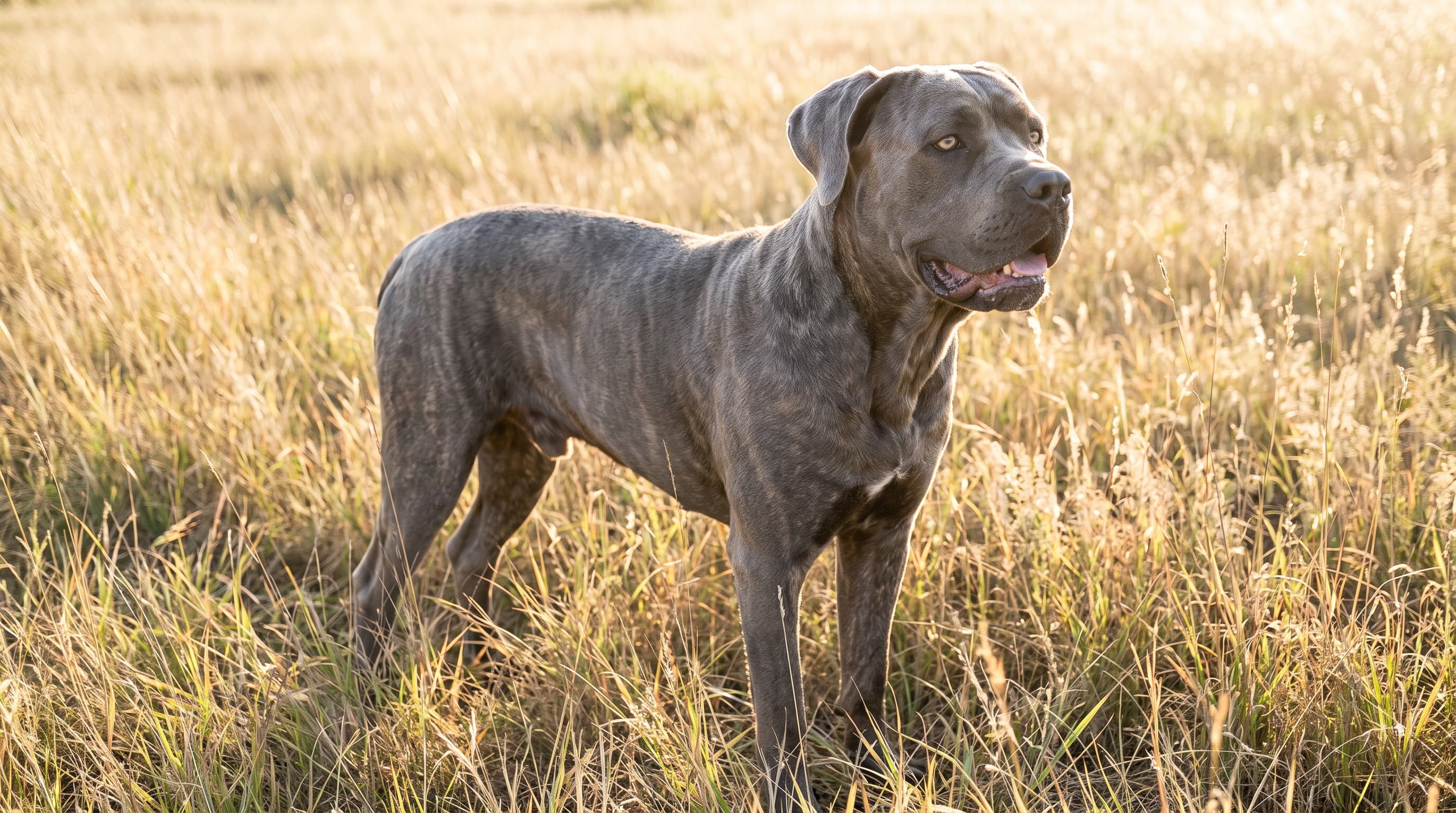
- Cane Corso — This Italian mastiff appears in black, several greys, fawn, and stag red, "and it may be brindled," per the breed standard. A confident guardian that is calm with inoffensive strangers.
- Bullmastiff — The Bullmastiff may be fawn, red, or brindle in any shade. Bred to guard estates, it pairs a bulldog's power with a mastiff's calm.
- Plott Hound — Almost always brindle. The Plott Hound standard calls for a brindled coat in shades from yellow and tan to black and even a bluish "maltese" brindle.
- Greyhound — These gentle sighthounds come in a rainbow of colors, and brindle is one of the most striking.
- Whippet — A smaller cousin of the Greyhound, frequently brindle, and a champion couch athlete.
- American Pit Bull Terrier — The bully family produces some of the most vivid brindles, including "reverse brindle," where dark stripes dominate the base.
- Staffordshire Bull Terrier — Compact, affectionate, and commonly brindle or brindle-and-white.
- American Bulldog — Often white with brindle patches or full brindle.
- French Bulldog — Brindle is one of the breed's standard colors and a favorite among city dwellers.
- Mastiff (English) — Displays a wide range of brindle patterns over a fawn or apricot base.
- Dutch Shepherd — A hardworking herding and police breed whose signature coat is gold or silver brindle.
- Akita — This dignified Japanese breed can carry a brindle coat alongside its more familiar red and white.
- Basenji — The "barkless dog" of Africa occasionally appears in a handsome brindle.
- Great Dane — Brindle is a recognized color for these gentle giants, with black stripes over fawn.
- Boston Terrier — The classic "tuxedo" dog can also come in a brindle-and-white pattern that reads almost seal-brown.
Beyond purebreds, brindle turns up constantly in mixed-breed and designer dogs. A Boxador (Boxer × Labrador) frequently inherits Boxer stripes, and shelter mutts with any bully or hound ancestry are prime candidates for a brindle coat.
What Colors Can Brindle Come In?
"Brindle" is really a family of looks rather than one shade. The base and stripe colors can combine into several recognizable variations:
- Classic (red/fawn) brindle — Black or dark-brown stripes over a warm tan base. The most common version.
- Reverse brindle — So many dark stripes that the dog looks black with lighter streaks peeking through.
- Blue brindle — Diluted black stripes take on a smoky, slate-grey cast.
- Fawn or silver brindle — Lighter stripes on a pale base, common in Dutch Shepherds.
- Brindle and white (piebald brindle) — Striped patches broken up by white, seen in Bulldogs and Boston Terriers.
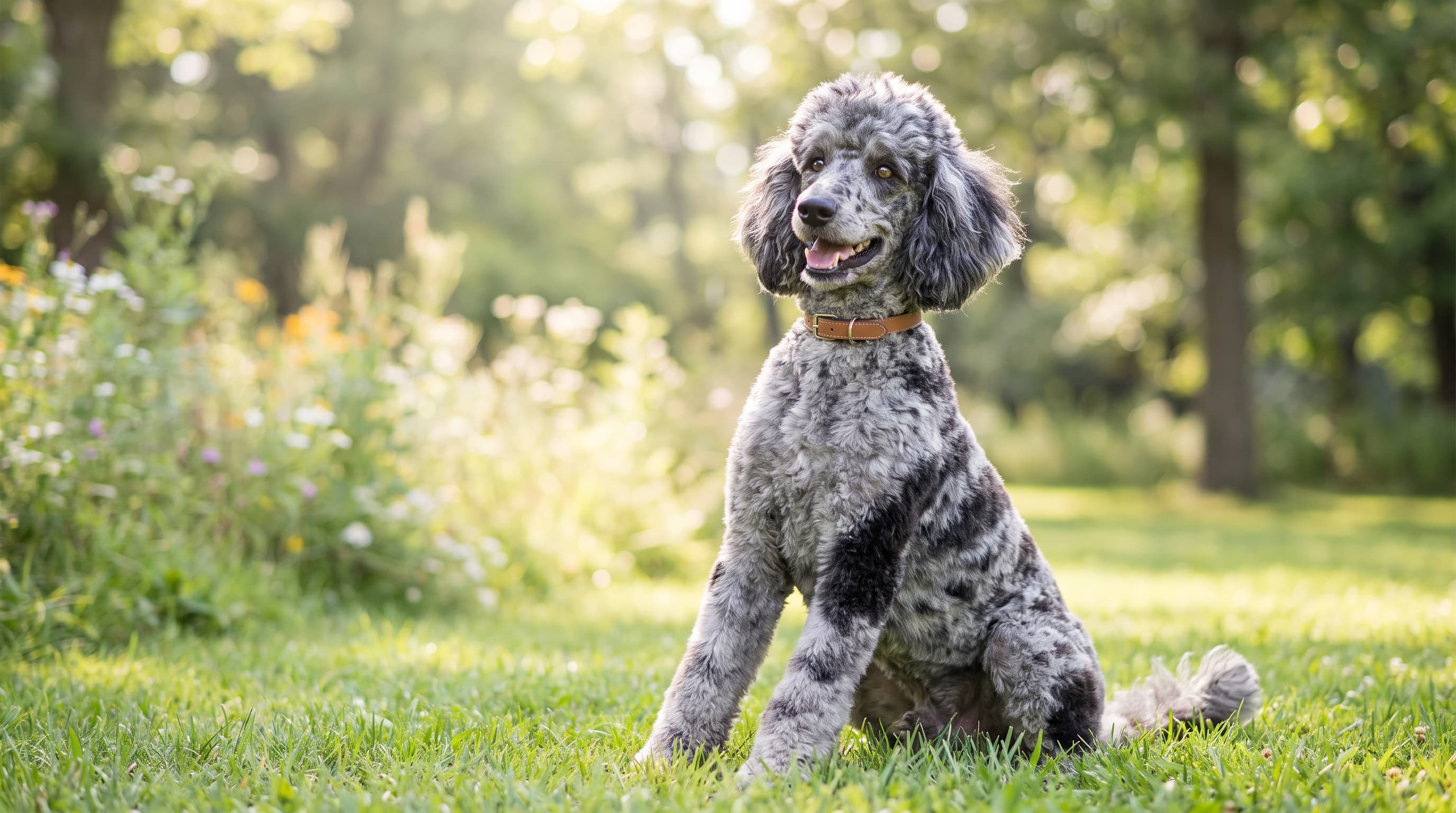
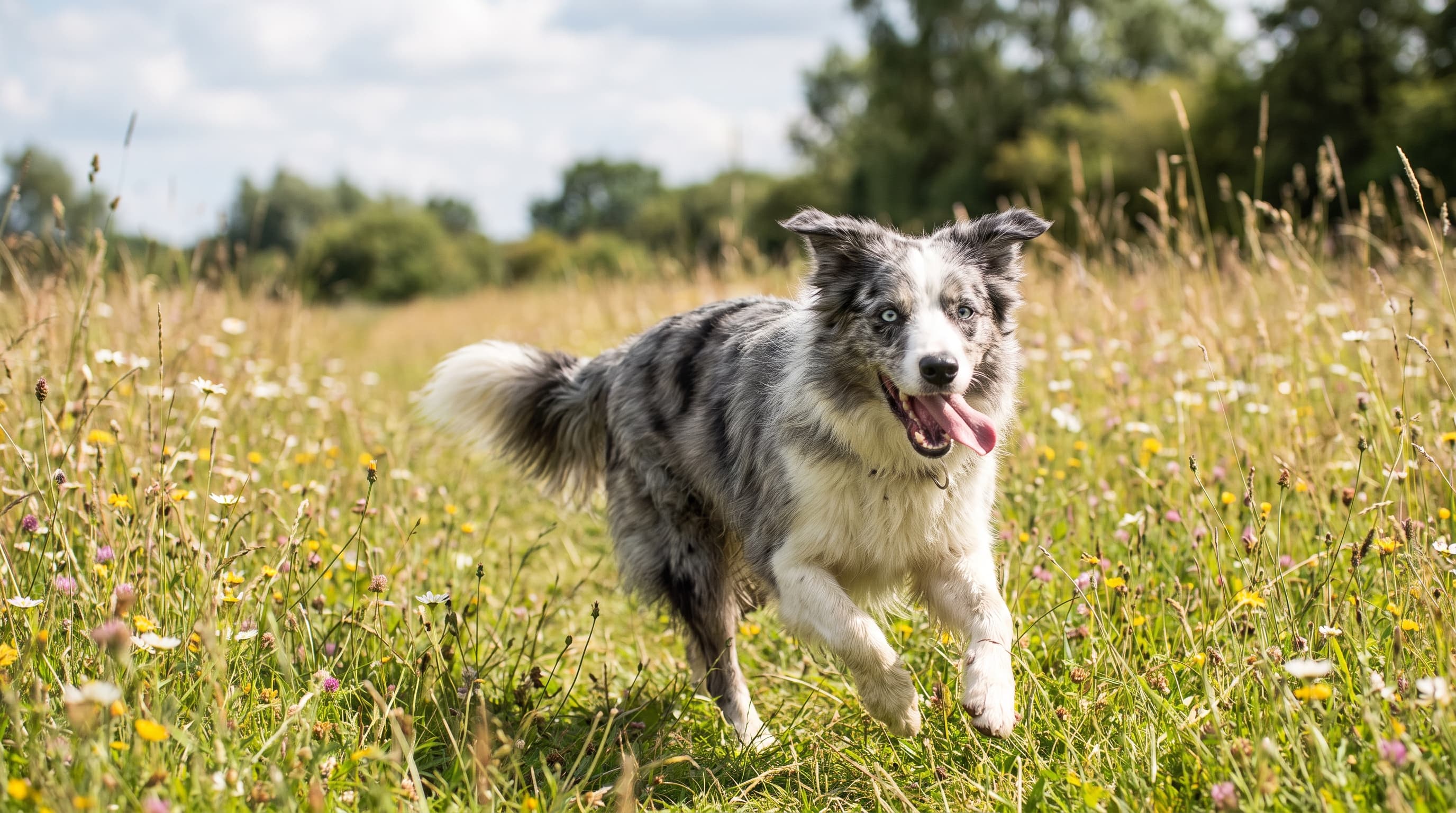
- Merle brindle — A rarer, mottled combination when a dog carries both the merle and brindle genes.
Are Brindle Dogs Rare?
Within breeds that carry the gene — Boxers, Plott Hounds, Cane Corsos — brindle is common and fully within the breed standard. Across dogs as a whole, however, brindle is less common than solid black, brown, or tan simply because the underlying allele is recessive and only appears when a dog inherits the right genetic combination. Certain shades, like blue or merle brindle, are genuinely uncommon.
Rarity does not equal higher quality or value. Be cautious of breeders who charge steep premiums for an "exotic" brindle or promise that the color makes a puppy healthier or more valuable — it does not. If you want to understand how coat color and pattern claims can inflate a price, our guide to the brindle dog coat digs deeper into the myths.
Caring for a Brindle-Coated Dog
Coat color has no bearing on grooming needs — those come from coat type and the individual breed. A short-coated brindle Boxer or Plott Hound is wash-and-go, needing little more than weekly brushing and the occasional bath. A brindle with a thicker double coat, like an Akita, will need more frequent brushing and seasonal de-shedding.
A few general tips apply to any striped pup:
- Sun protection: Dogs with thin or light coats can sunburn, especially on the belly and nose. Provide shade on hot days and ask your vet about pet-safe sunscreen for exposed skin.
- Skin checks: A busy pattern can hide lumps, ticks, or hot spots. Run your hands over your dog weekly rather than relying on a visual scan.
- Diet and coat shine: A complete, balanced diet keeps the contrast in a brindle coat crisp and glossy.
Many popular brindle breeds are large, powerful guardians — the Cane Corso and Bullmastiff among them — so early training and socialization matter far more than coat color when you are choosing your dog. For a temperament-first approach, see our roundup of the best dogs for families with kids.
How to Find and Adopt a Brindle Dog
You do not need a specialty breeder to bring home a brindle. Because the pattern shows up so often in bully, hound, and mastiff mixes, shelters and rescues are full of striped dogs waiting for homes. Search adoption sites by breed — Boxer, Pit Bull, Plott Hound, and Cane Corso rescues all regularly list brindle dogs — or simply visit your local shelter and ask.
If you are set on a specific breed, choose a responsible breeder who health-tests their dogs and treats brindle as a normal color rather than a marketing gimmick. Meet the parents when you can, and prioritize temperament and health screening over that eye-catching coat.
Frequently Asked Questions About Brindle Dog Breeds
Is brindle a dog breed?
No. Brindle is a coat color pattern, not a breed. Many different breeds — from Boxers to Great Danes — can be brindle if they carry the gene.
What is the most common brindle dog breed?
The Boxer is the breed most associated with brindle, since it comes in only fawn and brindle. Plott Hounds are almost always brindle, and the pattern is also extremely common in Cane Corsos and Bullmastiffs.
Are brindle dogs more aggressive?
No. Coat color has zero effect on temperament. A dog's behavior comes from genetics, socialization, and training — not the color of its fur. The idea that brindle dogs are meaner is a myth.
What is reverse brindle?
Reverse brindle describes a coat with so many dark stripes that the base color barely shows, making the dog look mostly black with faint lighter streaks. It is common in French Bulldogs and some bully breeds.
Are brindle dogs rare?
Across all dogs, brindle is less common than solid colors because the gene is recessive. Within breeds that carry it, though, brindle is completely normal and expected. Unusual shades like blue or merle brindle are genuinely rare.
Do brindle puppies stay brindle?
Yes. A brindle puppy will keep its stripes for life, though the contrast and shade can shift slightly as the adult coat grows in and, later, as the dog greys with age.
The Bottom Line on Brindle Dogs
Brindle is one of the most beautiful coats in the dog world — and one of the most misunderstood. It is simply a recessive color pattern that shows up across dozens of breeds and countless mixes, with no impact on health or personality. Whether you fall for a striped Boxer, a marbled Plott Hound, or a shelter mutt with mystery stripes, choose your dog for its temperament and health first, and enjoy that tiger-striped coat as a bonus.
Curious about specific striped breeds? Meet two brindle favorites: the powerful, devoted Cane Corso and the striking Southern-bred Black Mouth Cur. And to keep breed guides, adoption tips, and dog science in your inbox every week, subscribe to the Daily Wag newsletter.