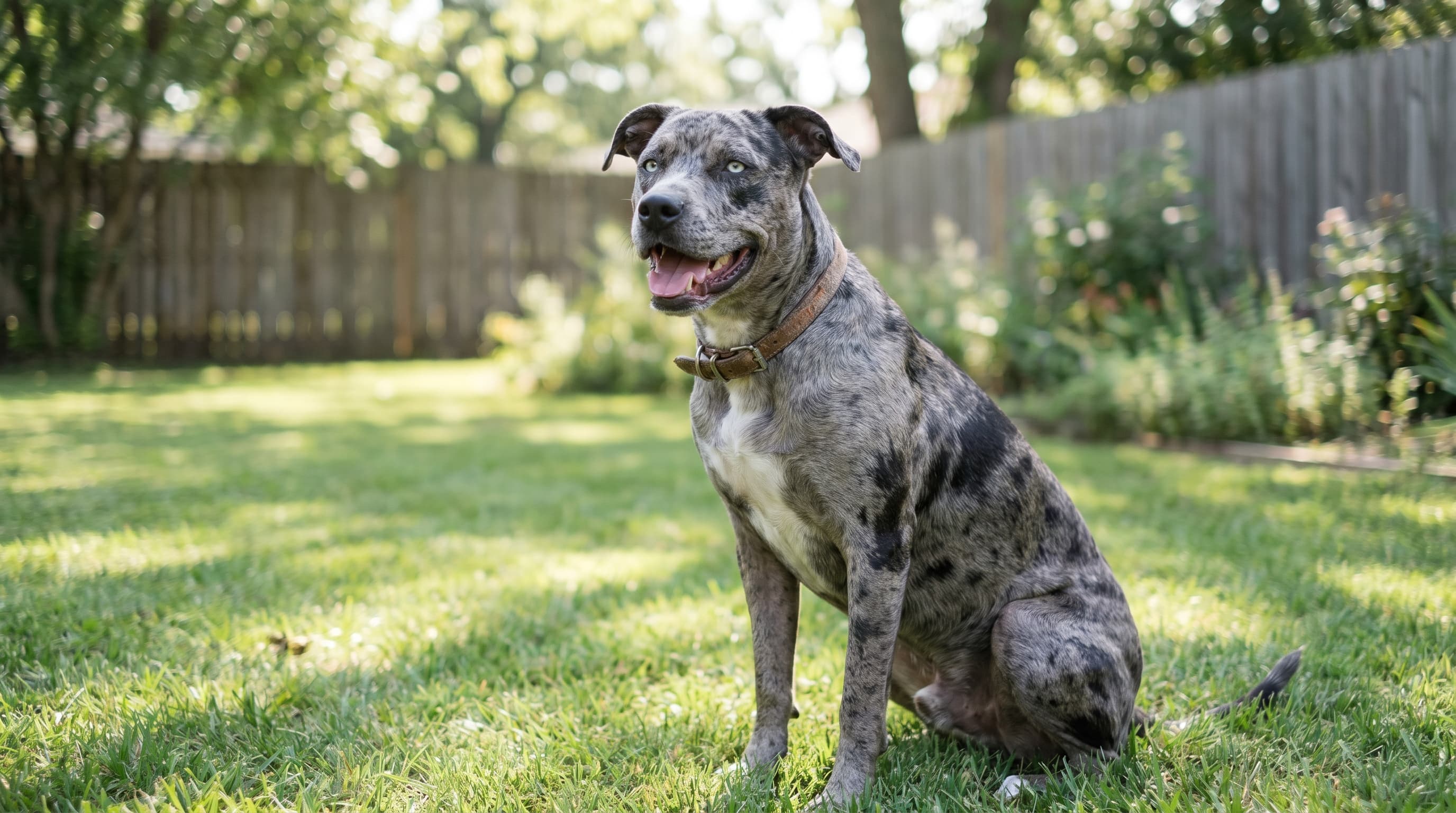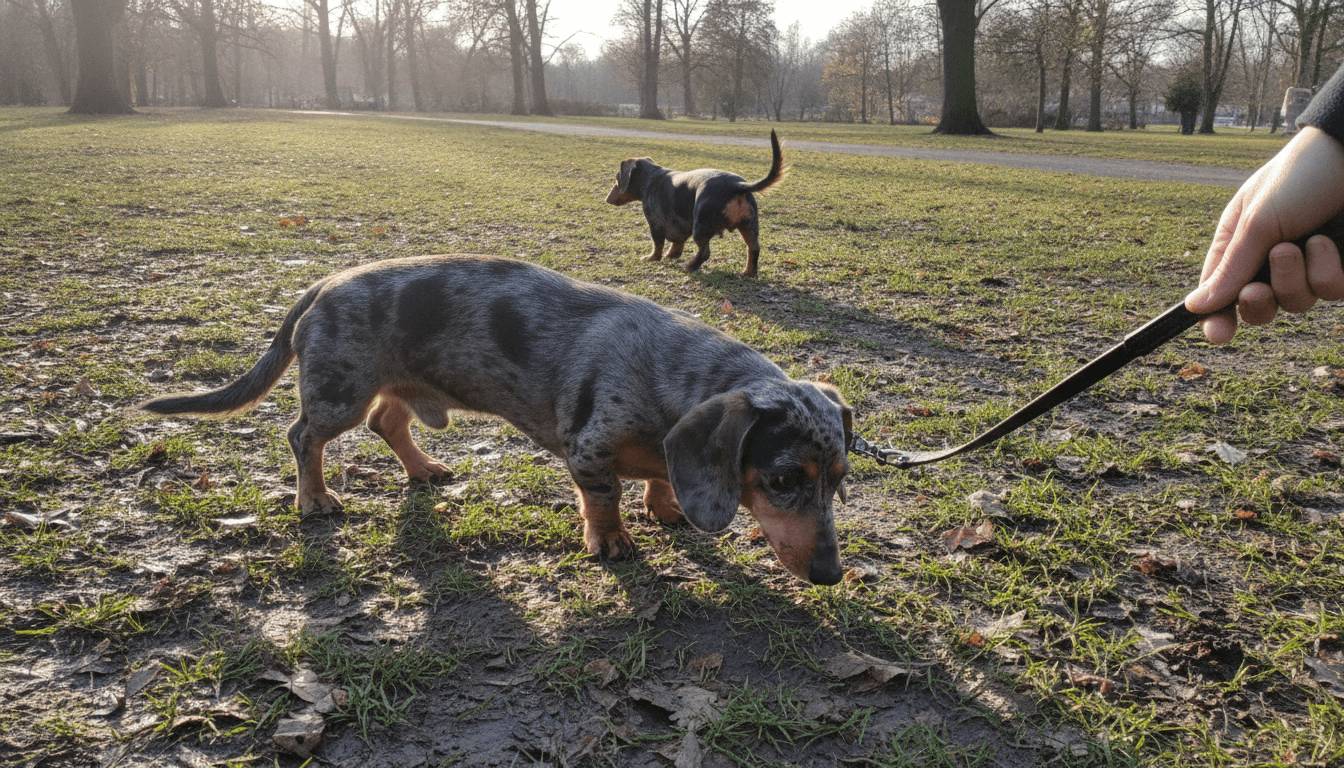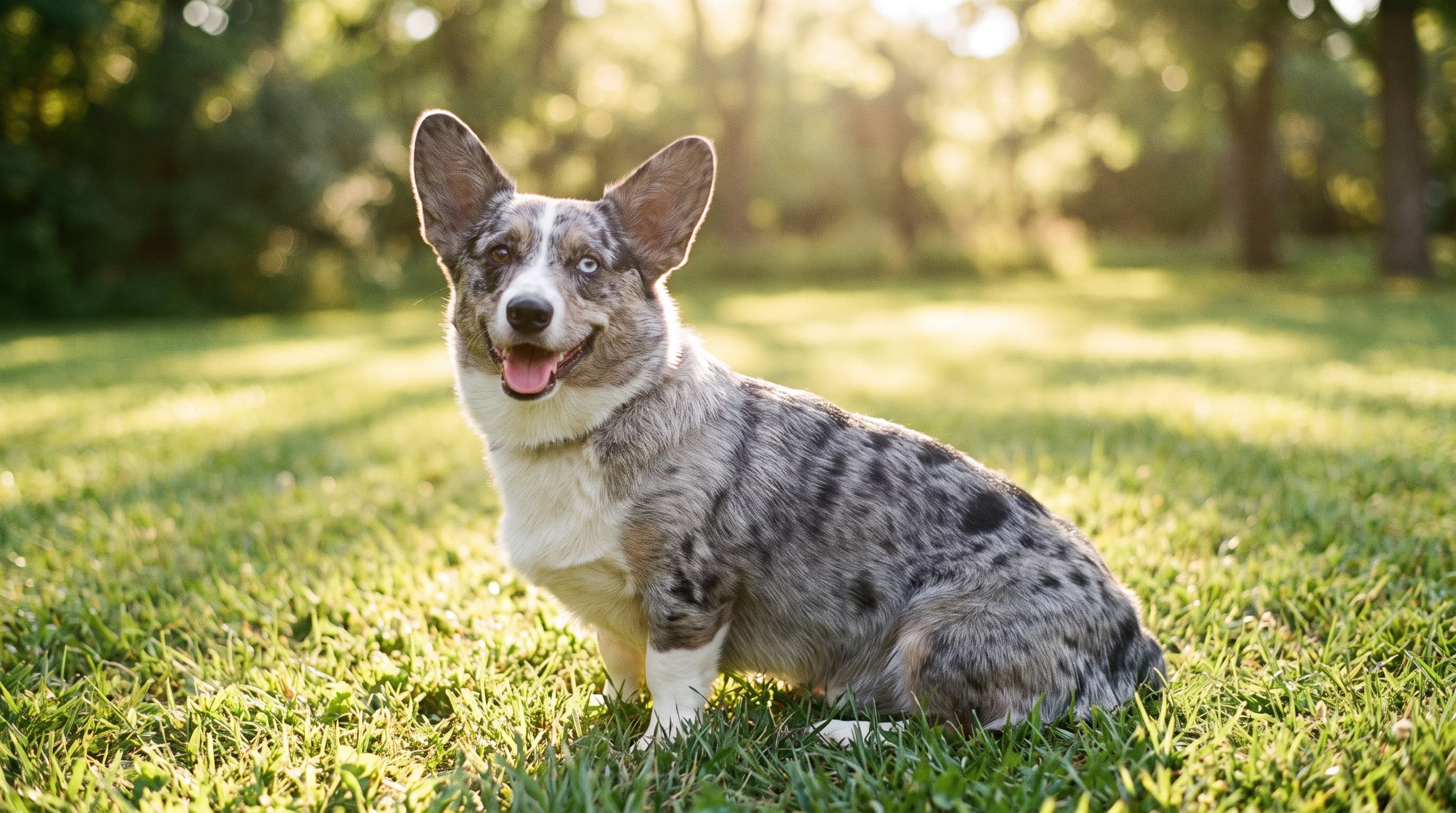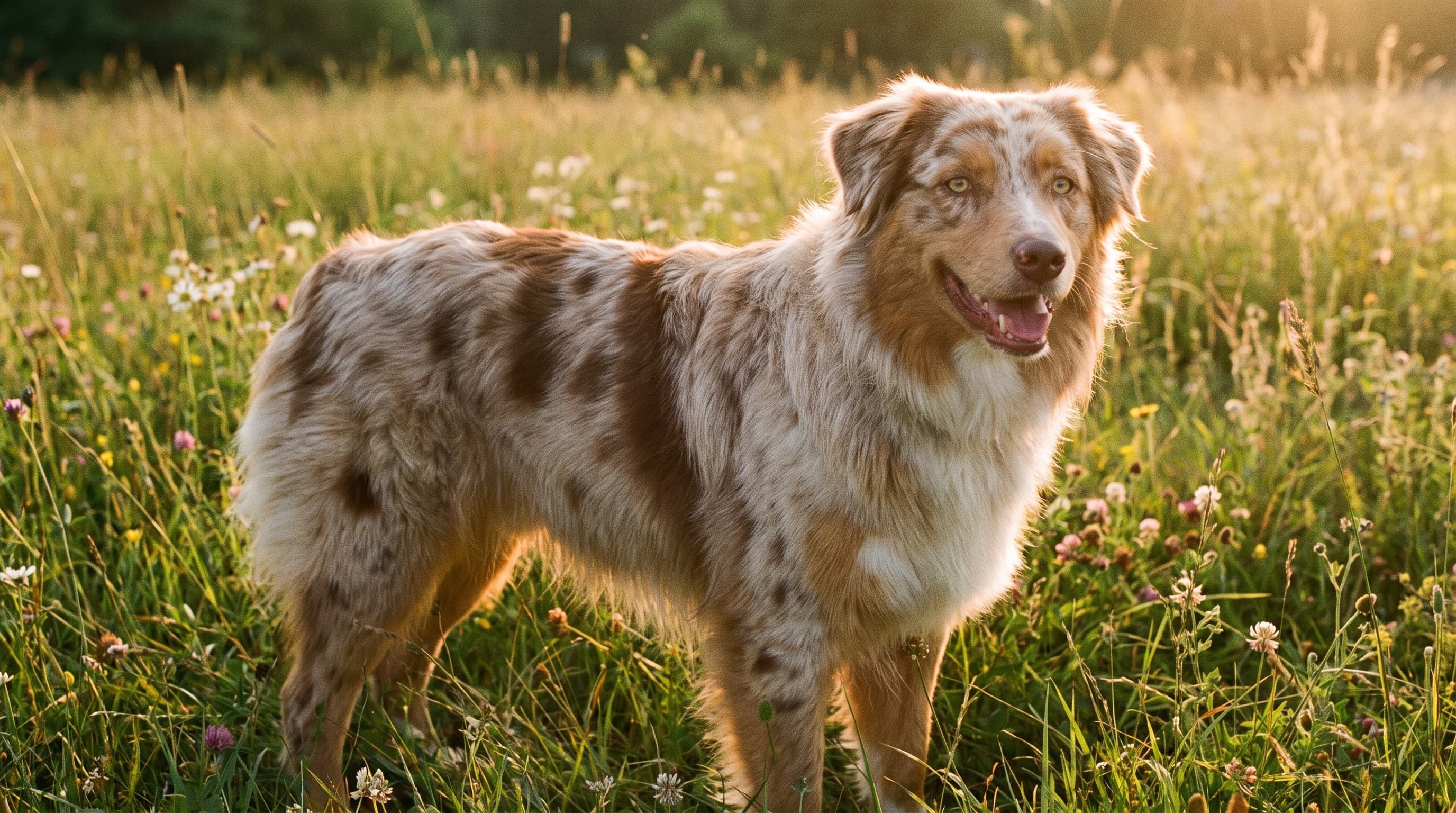

A red merle is a coat pattern, not a breed: irregular patches of diluted red or liver on a lighter cream, tan, or buff background, often paired with copper points and blue, amber, or marbled eyes. It appears in Australian Shepherds, Border Collies, Catahoulas, and more, caused by the PMEL/SILV merle gene.
What Exactly Is a Red Merle?
The word "merle" describes a mottled, patchwork look, not a single color. A red merle takes a red (also called liver or chocolate) base coat and randomly dilutes some of that pigment, leaving swirls of pale pink-tan next to fully saturated red blotches. The result is a marbled coat that no two dogs share exactly, which is a big part of the pattern's appeal.
Red merles are frequently confused with blue merles. The difference comes down to the base pigment: a blue merle is a black-based dog whose black is broken up into gray and slate patches, while a red merle is a liver-based dog whose red is broken into cream and rust patches. Genetically the merle mechanism is identical; only the underlying coat color changes. According to the Dog Coat Colour Genetics resource, the merle gene acts on eumelanin (black or liver pigment) but leaves phaeomelanin (true red) largely untouched.
The Genetics Behind the Merle Pattern
Merle is controlled by the PMEL gene (historically called SILV) on the M locus. Research summarized by BioMedCentral traces the pattern to a Short Interspersed Element (SINE) insertion in that gene. When one copy of the insertion is present, the pigment-holding matrix in the coat develops "holes," diluting color in random patches while leaving others fully pigmented.
Merle is inherited as an incompletely dominant trait, so a dog needs only one merle allele (Mm) to show the pattern. As the American Kennel Club explains, the length of that SINE insertion also varies, producing a spectrum from faint "cryptic" merling to bold, high-contrast patterns. That variability is why two red merle littermates can look dramatically different.
Cryptic and Hidden Red Merles
Some dogs carry the merle gene but barely show it. Because the merle mechanism works on eumelanin and not true red pigment, a genetically recessive-red dog carrying merle may look like an ordinary solid red dog. The Animal Genetics M-locus test notes that these "cryptic merles" don't appear merle but can still pass the gene to puppies, sometimes with serious consequences if bred to another merle. A DNA test is the only reliable way to confirm merle status in a solid-looking red dog.
Which Breeds Come in Red Merle?
The red merle pattern shows up across many herding and working breeds. The most iconic is the Australian Shepherd, where red merle is a signature look alongside blue merle, black, and red. Other breeds and mixes that carry the pattern include:
- Australian Shepherd and Mini Aussie — the breed most associated with red merle coats.
- Border Collie — red merle occurs but is less common than black-and-white; see our Border Collie breed guide.
- Catahoula Leopard Dog — famous for dramatic merle patterns; read our Catahoula profile.
- Australian Shepherd mixes, Cardigan Welsh Corgis, Shelties, and Koolies.
- Dachshunds (called "dapple") and Poodles, covered in our merle Dachshund and merle Poodle guides.
Eye Color and Physical Traits
One of the most striking features of red merles is their eyes. The same pigment dilution that patterns the coat can lighten the irises, producing blue eyes, amber eyes, or even "split" and marbled eyes where blue and brown appear in the same iris. Copper or tan points on the cheeks, eyebrows, and legs are common, and many red merles carry white markings on the chest, muzzle, and paws. None of these cosmetic traits affect a dog's temperament, which is driven far more by breed and individual personality than by coat color.
Double Merle: The Serious Health Risk
The single most important thing to understand about merle is what happens when two merle dogs are bred together. Each puppy then has a one-in-four chance of inheriting two merle copies (MM), known as a "double merle" or "lethal white." The AKC reports that a large majority of double merle dogs studied were deaf in one or both ears, and many also have vision problems or malformed eyes. This is a welfare issue, not a cosmetic one.
Responsible breeders never pair two merles. If you are considering a red merle puppy, ask the breeder whether the non-merle parent was solid-colored and request merle DNA testing on both parents, since a hidden cryptic merle can create double-merle puppies by accident. Our guide to choosing a reputable dog breeder walks through the questions to ask. A red merle from an ethical breeding is just as healthy as any other dog of its breed; the danger lies only in merle-to-merle pairings.
Caring for a Red Merle Dog
Coat color has no bearing on grooming or exercise needs, so care depends entirely on the breed underneath the pattern. Most red merle dogs are herding breeds, which means high energy, sharp intelligence, and a strong need for daily physical and mental work. Expect regular brushing for medium-to-long double coats, seasonal shedding, and plenty of training and enrichment. One practical note: light-pigmented skin around a merle dog's nose, eyes, and any pink skin patches can be more prone to sunburn, so shade and pet-safe sun protection matter on bright days.
Red Merle Shades and Look-Alikes
Not all red merles look the same, and the pattern is easy to mix up with other coats. The red base can range from a rich mahogany-liver to a soft cinnamon, and the diluted areas may be nearly white or a warm buff, which changes the overall contrast dramatically. Adding copper points and white trim creates the classic "red tri merle" look many owners picture when they think of an Australian Shepherd.
A few patterns are commonly confused with red merle:
- Sable or red without merle: a solid red or sable dog has even color and no random patches; without the marbled dilution it is simply red, not merle.
- Roan and ticking: these produce flecks of color on white rather than the large, irregular blotches of merle.
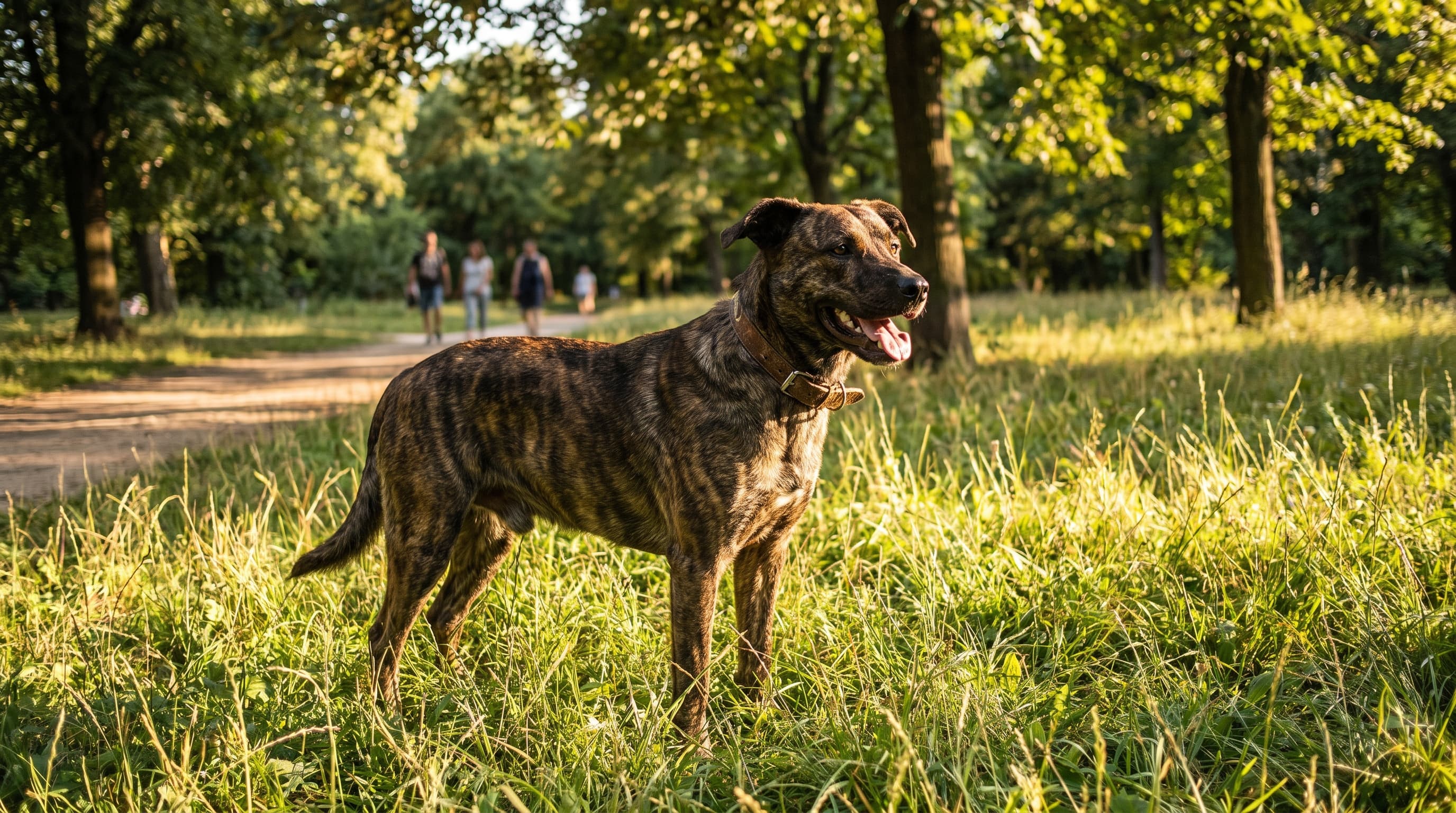
- Brindle: tiger-like stripes, a different gene entirely.
- Red dapple Dachshund: the same merle gene under a different traditional name, detailed in our merle Dachshund guide.
Because appearance alone can be misleading, breeders and owners increasingly rely on DNA panels to confirm exactly what a dog carries, especially before any breeding decision.
A Checklist for Choosing a Red Merle Puppy
If your heart is set on a red merle, a little homework protects both you and the puppy. Before you commit, work through these steps:
- Confirm the pairing. Ask which parent was merle and which was solid. Only one parent should be merle.
- Request DNA results. Ask for merle (M locus) test results on both parents to rule out hidden cryptic merles.
- Check hearing and vision. A reputable breeder will have screened the litter and be transparent about any concerns.
- Meet the parents. Temperament and health of the sire and dam tell you far more than coat color ever will.
- Prioritize the breed, not the pattern. Make sure you can meet the exercise and training demands of an intelligent herding dog for the next decade-plus.
Our detailed guide to choosing a reputable dog breeder covers the wider red flags to watch for, from puppy mills to breeders who advertise "rare" colors above health.
Frequently Asked Questions
Is a red merle a breed?
No. Red merle is a coat pattern that appears across several breeds, including Australian Shepherds, Border Collies, and Catahoula Leopard Dogs. A dog's breed determines its size, temperament, and care needs; the merle gene only affects appearance.
Are red merle dogs more expensive?
Often yes. Merle coats are popular and eye-catching, so breeders frequently price red merle puppies higher than solid-colored littermates. Price should never come at the expense of ethical breeding, so prioritize health testing over color.
Do red merle dogs have health problems?
A single-merle (Mm) red merle from a proper pairing is as healthy as any dog of its breed. Health risks like deafness and eye defects are tied to double merles (MM), which result from breeding two merle dogs together, not from the red merle pattern itself.
Why do some red merles have blue eyes?
The merle gene can dilute pigment in the iris just as it does in the coat, producing blue, amber, marbled, or split-colored eyes. Blue eyes in a merle dog are cosmetic and do not indicate blindness.
What is the difference between red merle and blue merle?
Both use the same merle gene. A blue merle has a black base coat broken into gray patches, while a red merle has a liver or chocolate base coat broken into cream and rust patches.
Bring Home the Right Dog for You
A red merle coat is genuinely beautiful, but the dog wearing it is a herding breed first and a pattern second. Choose based on the breed's energy, size, and needs, and always buy from a breeder who tests for merle and never doubles up. To go deeper on two of the most common red merle breeds, read our full Australian Shepherd guide and Border Collie guide. And for weekly breed spotlights, training tips, and dog-friendly finds, subscribe to the Daily Wag newsletter.