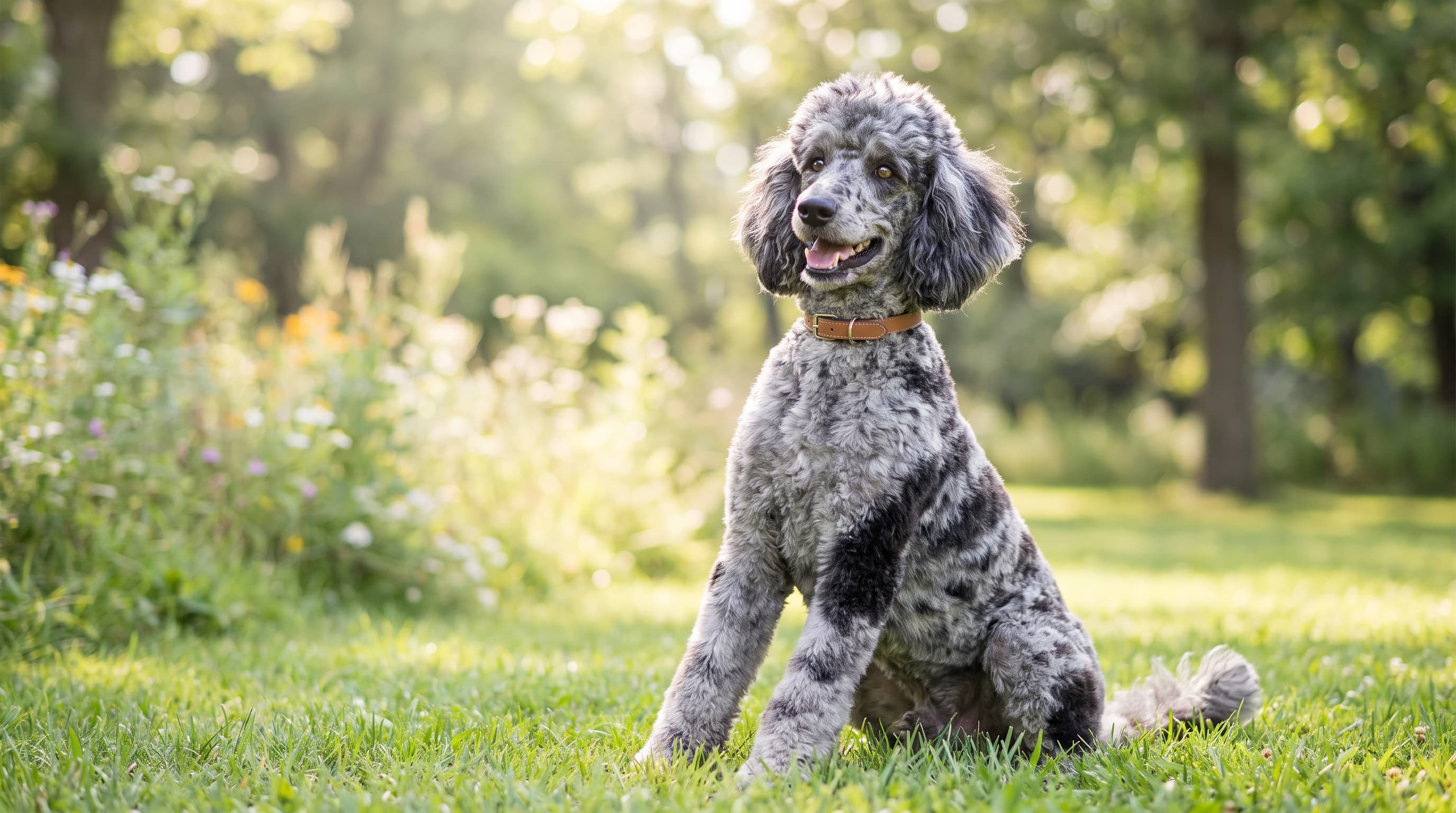

Merle Poodle: The Truth About the Controversial Coat, Genetics, and Health
A merle poodle is a poodle with a mottled, marbled coat created by the merle gene, which randomly dilutes patches of color. The look is striking, but it's controversial: major registries like the AKC don't recognize merle as a standard poodle color, and breeding two merles together can produce serious health problems. Here's what every buyer should know.
What Is a Merle Poodle?
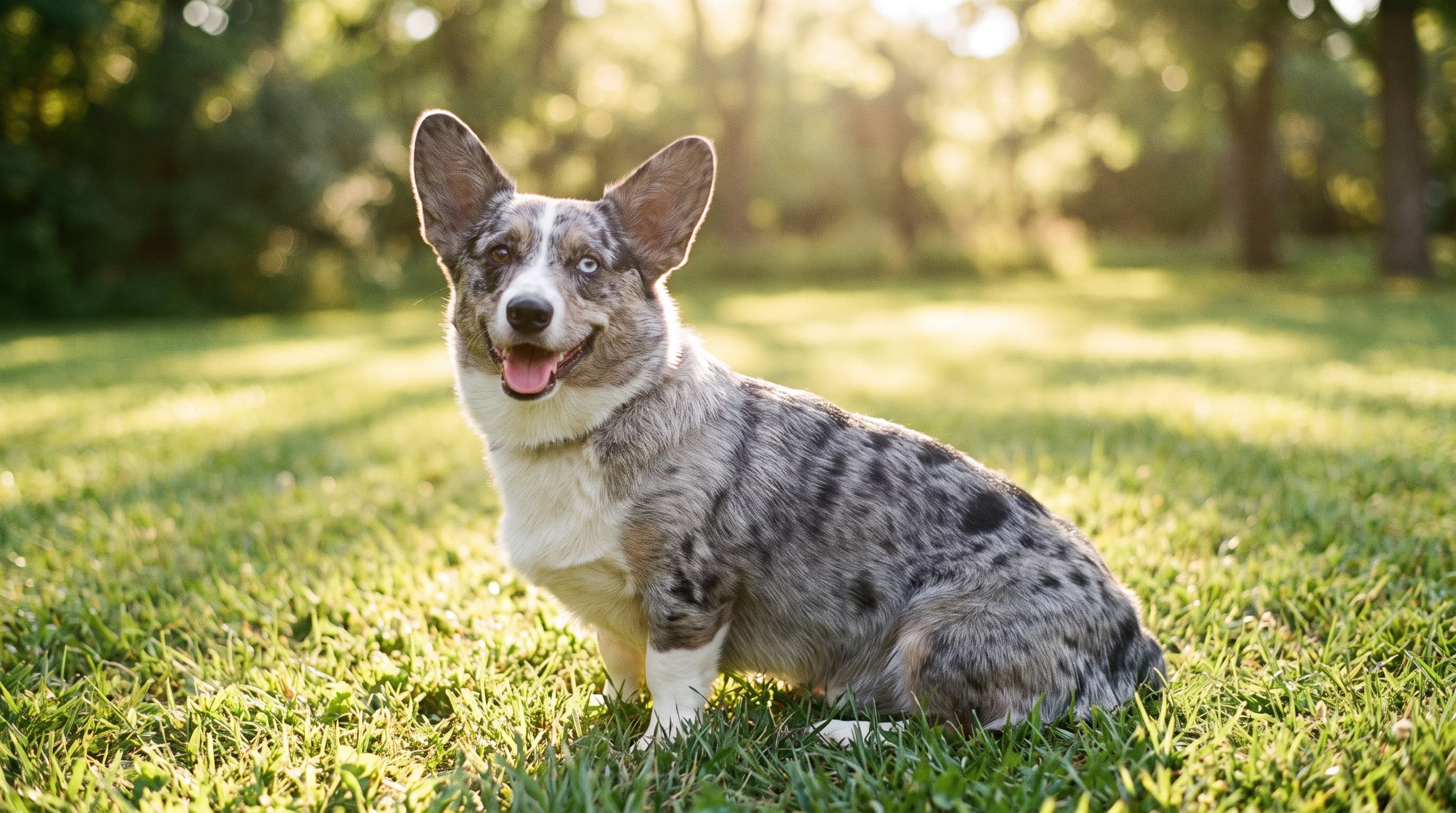
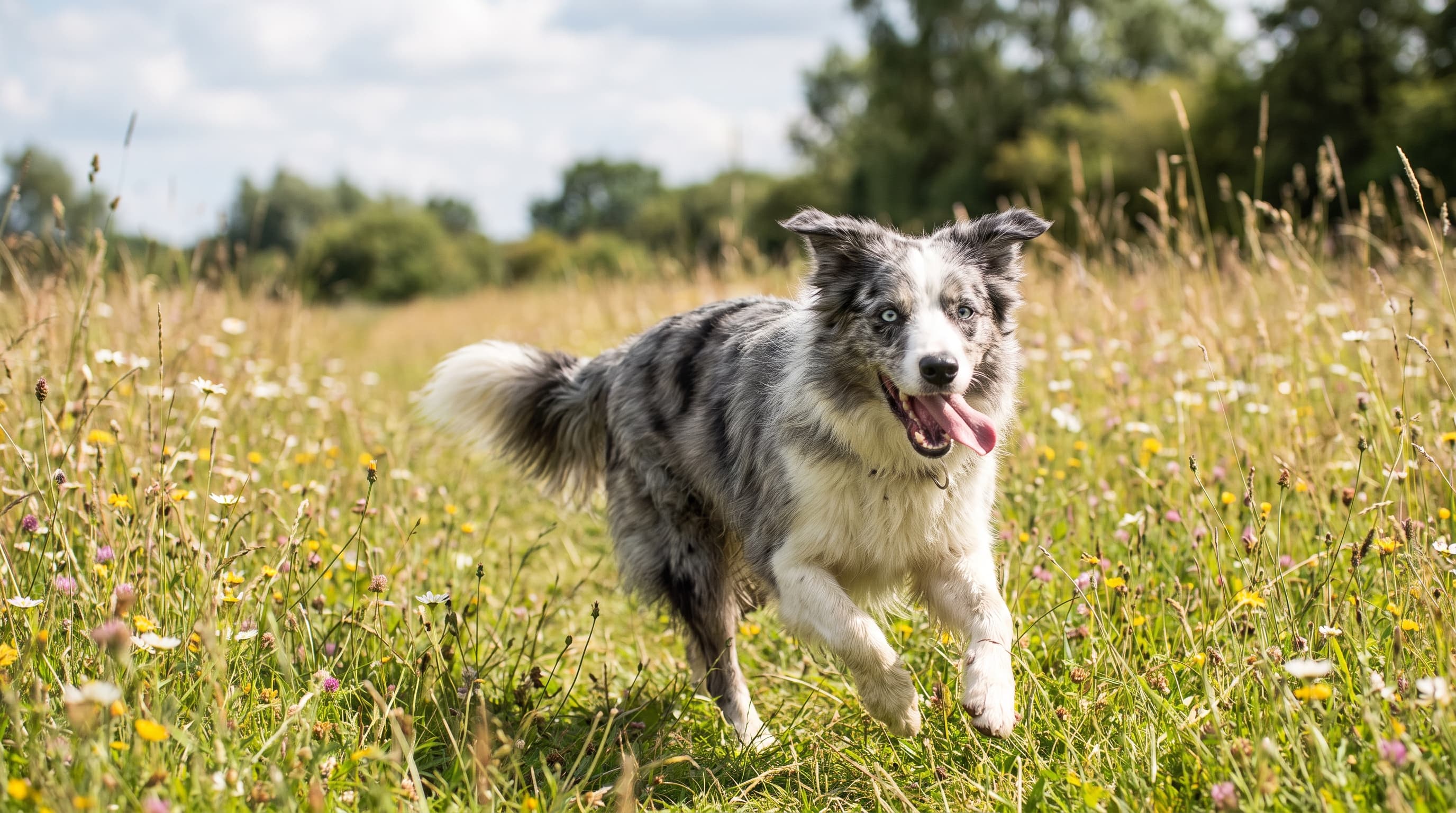
Merle is a coat pattern, not a color. The merle gene (technically the M locus) lightens random sections of an otherwise solid coat, leaving irregular patches of full color scattered across a diluted background. In a merle poodle, that can produce swirls of gray on black, or faded patches on a chocolate or red base, often paired with blue or partially blue eyes and pink-flecked skin on the nose.
The pattern is common and standard in breeds like the Australian Shepherd, Border Collie, and Dachshund. In poodles, however, it's a different story — and that difference is the source of a long-running debate among breeders and registries. If you love an unusual poodle coat, you may also want to read our guide to the classic solid black poodle for comparison.
The Merle Poodle Controversy Explained
Here's the crux of the issue: the merle gene does not occur naturally in purebred poodles. According to a historical and genetic overview of merle coloration in poodles and doodles, the pattern almost certainly entered poodle lines through crossbreeding with a merle-carrying breed at some point in a dog's ancestry.
That's why the American Kennel Club's poodle standard recognizes only solid colors such as black, white, apricot, blue, gray, silver, brown, café-au-lait, and cream — not merle. As Dogster notes in its merle poodle profile, the AKC will not accept merle as a legitimate poodle color, and many purists argue a true merle poodle isn't fully purebred. Sellers who advertise "100% purebred AKC merle poodles" without disclosing the merle gene's origin are, at best, being misleading. The detailed breakdown of the merle poodle controversy at TheMerlePoodle covers both sides of this polarized debate.
Merle Poodle Genetics: How the Pattern Works
The merle gene is dominant, meaning a dog needs only one copy to show the pattern. A dog with one merle gene (heterozygous) is a standard single merle and, importantly, has no more health risk than a non-merle dog of the same breed.
The danger appears when two merle dogs are bred together. As PoodleGuru's merle poodle explainer details, roughly a quarter of that litter will inherit two copies of the gene — the "double merle" — and it's here that the pattern's reputation is earned.
Double Merle: The Serious Health Risk
Double merle dogs (two copies of the merle gene) are often mostly white and carry a dramatically elevated risk of being born deaf, blind, or both. The same gene that dilutes coat pigment also affects the pigment cells in the inner ear and the eye, and when doubled, it can leave those structures malformed. Blindness, deafness, microphthalmia (abnormally small eyes), and other ocular defects are all well-documented in double merle dogs.
A single merle poodle from a responsible breeder who pairs it with a solid-colored, non-merle mate avoids this risk entirely. The problem is not the merle dog itself — it's irresponsible merle-to-merle breeding done to maximize the number of flashy puppies. This is exactly why genetic testing and honest pedigree disclosure matter so much. For a broader look at the ethics of trendy coats and crosses, read our honest take on adopting a designer dog breed.
This is general educational information, not veterinary or breeding advice. If you own a merle or double merle dog and have concerns about its hearing, vision, or health, please consult your veterinarian.
Merle Poodle Temperament and Care
Coat pattern has no effect on personality. A merle poodle should have the same wonderful poodle temperament any owner expects: highly intelligent, eager to learn, affectionate, and playful. Poodles consistently rank among the smartest dog breeds and excel at obedience, agility, and trick training. Our list of reasons poodles are perfect for kids and families applies just as much to a merle-patterned dog.
Care is standard poodle care: the curly, low-shedding coat needs professional grooming every 4–6 weeks and brushing several times a week to prevent matting. Poodles are active dogs that need daily exercise and plenty of mental stimulation. One extra note for merles — dogs with lighter pigment and pink skin around the nose or eyes can be more prone to sunburn, so limit intense midday sun exposure.
Like all poodles, a merle should be fed a high-quality, complete diet appropriate for its size and age, and given regular veterinary checkups. Poodles are prone to a few breed-related conditions — including hip dysplasia, progressive retinal atrophy, and certain skin issues — none of which are caused by the merle pattern itself in a single merle. A single merle poodle can absolutely live a long, healthy, full life with the same devoted, intelligent temperament that makes poodles one of America's most enduringly popular breeds.
Merle Poodles vs. Merle Doodles
It's easy to confuse a merle poodle with a merle doodle, but the distinction matters. A merle "doodle" — like a merle Aussiedoodle or Bernedoodle — is an intentional cross between a poodle and another breed that naturally carries merle, such as an Australian Shepherd. In those crosses, the merle gene has an obvious and honest origin.
A merle "poodle," by contrast, is marketed as a purebred poodle that happens to carry merle — which, since poodles don't naturally have the gene, points to crossbreeding somewhere in the lineage. Neither is inherently bad, but transparency is the difference between an ethical breeder and a misleading one. If a designer cross appeals to you, weigh it carefully; our honest look at the good, bad, and scary truth of designer dog breeds is worth reading first.
Recognized Poodle Colors and Where Merle Fits In
Poodles come in a genuinely wide range of solid colors. Officially recognized shades include black, white, apricot, blue, gray, silver, silver beige, brown, café-au-lait, cream, and red. Poodles can also display legitimate patterns like parti (two-color), phantom (Doberman-style markings), and sable. Merle is not on that list — it's considered a non-standard pattern precisely because it isn't part of the breed's natural genetic makeup.
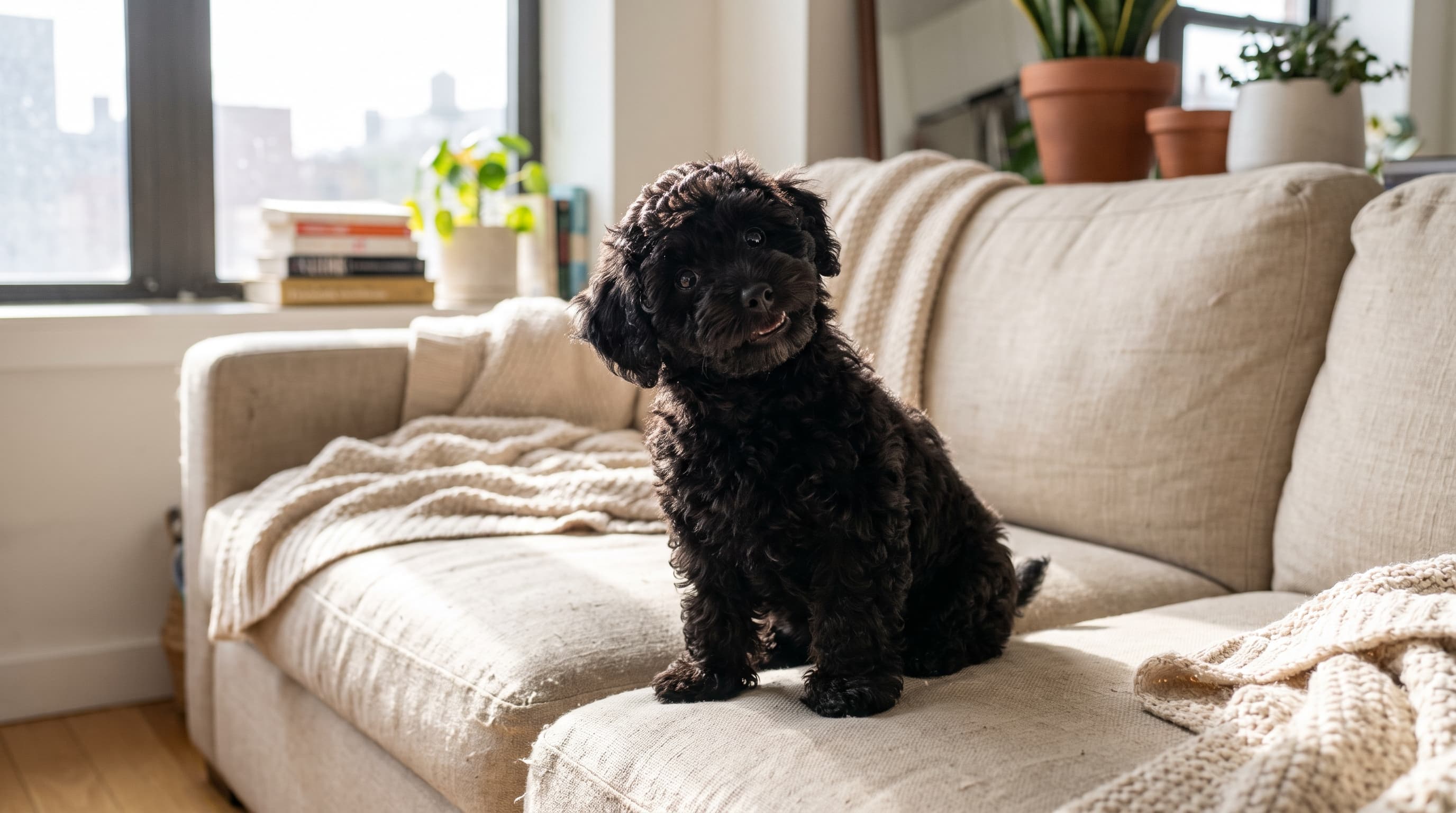
This doesn't make a merle-patterned dog any less lovable as a pet. It simply means a merle poodle can't compete in AKC conformation as a recognized color, and buyers should treat "rare merle" marketing with healthy skepticism. Choose your dog for temperament and health first, and let the coat be a bonus — the same advice applies whether you're drawn to a merle or a classic black poodle.
How to Buy a Merle Poodle Responsibly
If you have your heart set on a merle poodle, protect yourself and the dog by working only with breeders who are fully transparent. Insist that at least one parent is a solid, non-merle color so no double merles are produced. Ask for genetic (DNA) test results confirming a single merle, request BAER hearing tests and an eye exam, and walk away from any seller who breeds merle-to-merle or claims the pattern is "naturally purebred" without evidence. Better yet, consider adoption — poodles and poodle mixes of every color, including merles, turn up in rescue.
Frequently Asked Questions
Are merle poodles purebred?
This is debated. Because the merle gene doesn't occur naturally in poodles, most experts believe it was introduced through historical crossbreeding. The AKC does not recognize merle as a standard poodle color, so a merle poodle cannot be shown in conformation as a color-standard poodle.
Can merle poodles be AKC registered?
A poodle may be AKC-registered based on parentage, but merle is not an accepted color under the breed standard, so it can't be exhibited as a recognized color. Be wary of ads promising "AKC champion merle" bloodlines as a selling point.
Are merle poodles unhealthy?
A single merle poodle is generally as healthy as any other poodle. The serious health risks — deafness and blindness — appear in double merles, produced when two merle parents are bred together. Responsible breeders never do this.
What is a double merle poodle?
A double merle inherits two copies of the merle gene, usually from breeding two merle dogs. These dogs are frequently mostly white and have a high likelihood of congenital deafness, blindness, or both.
Do merle poodles cost more?
Often yes — merle poodles are marketed as rare and priced at a premium. A high price tag is not a guarantee of health or ethical breeding, so prioritize genetic testing and transparency over novelty.
Are merle poodles more prone to sunburn?
Merles with pink or lightly pigmented skin around the nose and eyes can be more sun-sensitive. Limit intense midday sun and ask your vet about pet-safe sun protection if your dog spends a lot of time outdoors.
Thinking About a Poodle?
Whatever coat catches your eye, the poodle's brains and affection are the real draw. Explore the timeless black poodle and see why so many families choose this breed in our roundup of reasons poodles are perfect for kids and families before you commit to a specific color.
Want more breed truth-telling like this? Subscribe to the Daily Wag newsletter for weekly breed guides, honest buying advice, and dog-care tips delivered to your inbox.