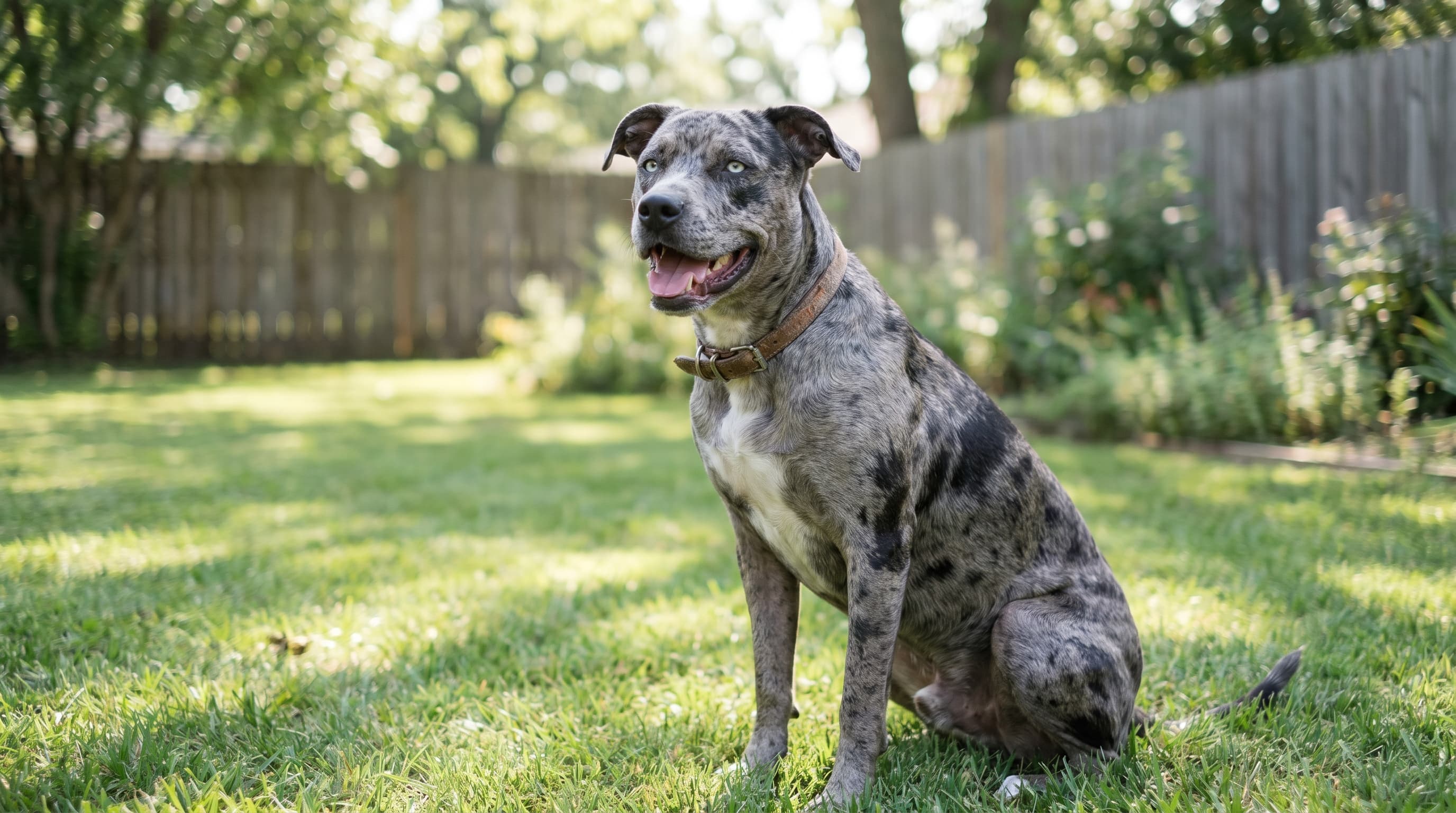

Merle Pitbull: The Truth About the Marbled Coat, Health, and Controversy
A merle pitbull is a pit-bull-type dog carrying the merle gene, which creates a marbled, patchy coat and often blue or partially blue eyes. The color looks striking, but merle is not natural to the breed—it was introduced through crossbreeding—and dogs with two copies of the gene face higher risks of deafness and eye defects, which is why major registries refuse to recognize it.
What Is a Merle Pitbull?
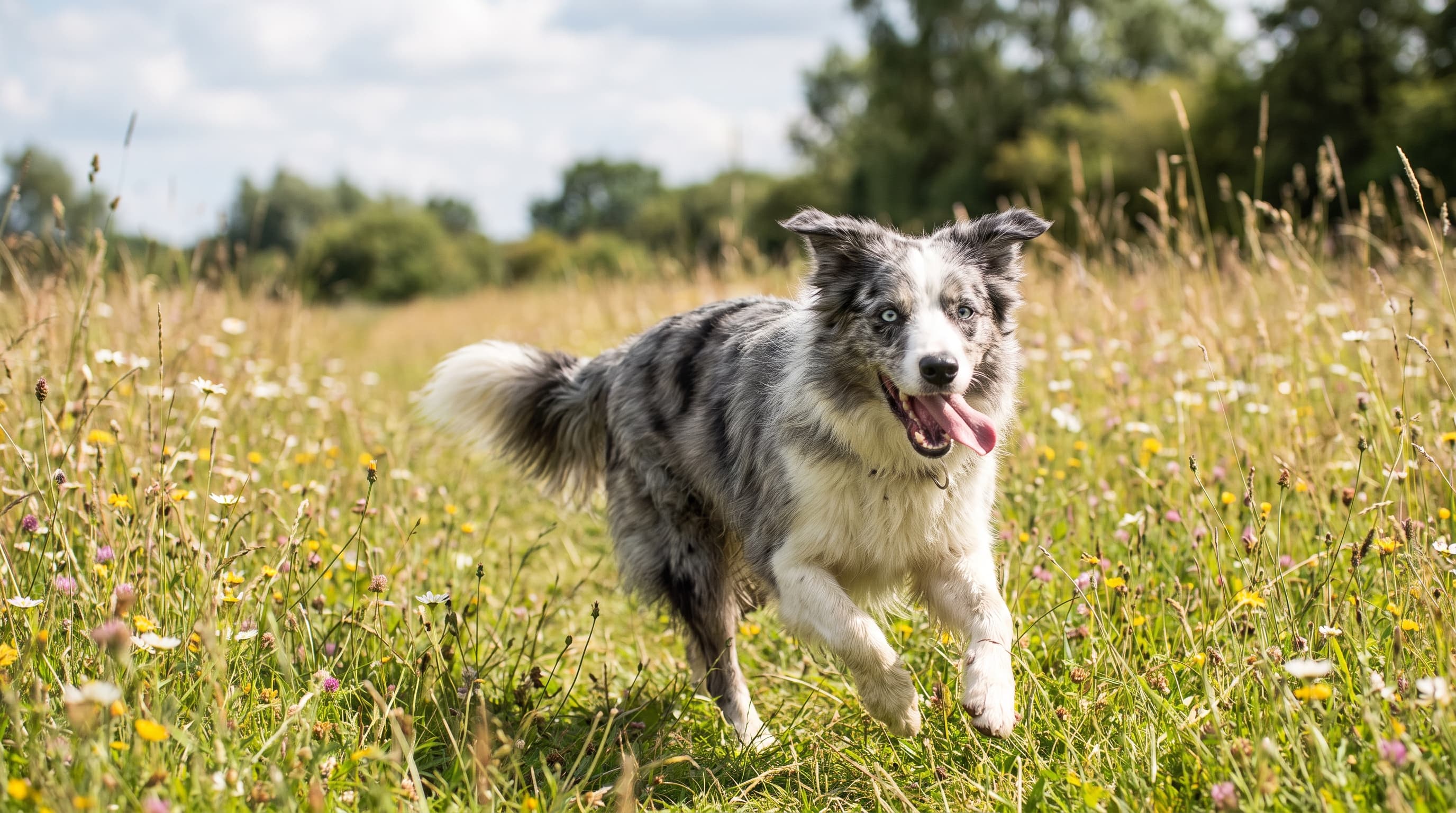
"Merle" describes a coat pattern, not a separate breed. The merle gene dilutes random patches of pigment, leaving a base color broken up by lighter swirls and speckles. On a pit-bull-type dog, the result can be blue merle, red merle, or merle layered over brindle, frequently paired with light blue, marbled, or "split" eyes.
The catch: the standard American Staffordshire Terrier and the American Pit Bull Terrier do not naturally carry the merle gene. Geneticists and breed registries agree that merle entered "pitbull" lines through crossing with breeds that do carry it, such as the Catahoula Leopard Dog. So a merle pitbull is almost always a mixed-ancestry dog, however much it looks the part. (For context, even the recognized bully breeds have a tangled history; the AKC's account of how the AmStaff separated from the "pit bull" shows how fluid these lineages are.)
What Does a Merle Pitbull Look Like?
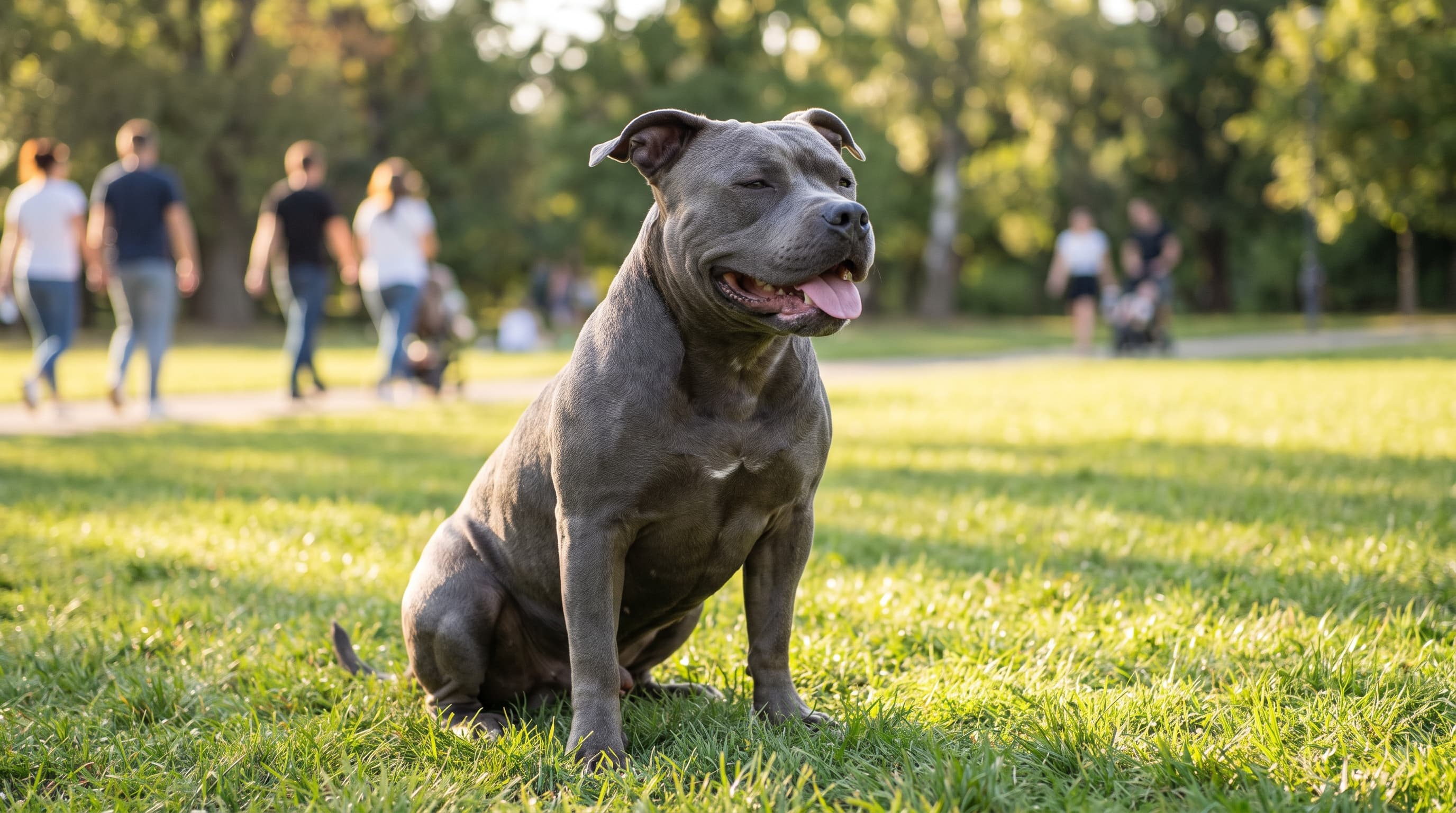
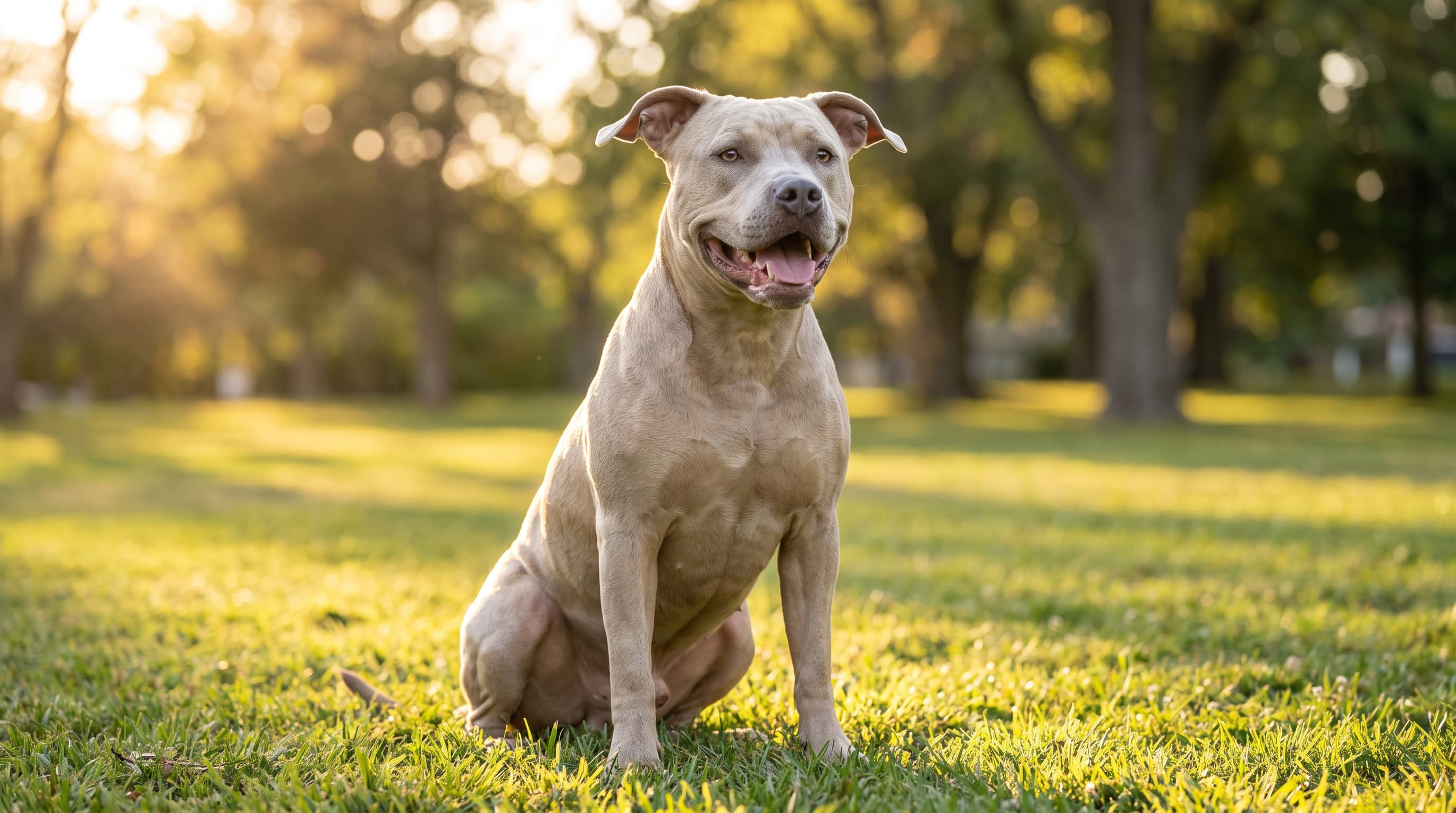
Merle pitbulls have the muscular, athletic build typical of pit-bull-type dogs—broad chest, blocky head, short coat—standing roughly 17 to 21 inches tall and weighing about 30 to 60 pounds depending on lineage. What sets them apart is the coat:
- Blue merle: A diluted black base with gray and black patches, often with blue eyes.
- Red merle: A liver or red base broken up by lighter red and cream patches.
- Brindle merle: Tiger-stripe brindle overlaid with merle mottling.
- Eyes: Frequently blue, partially blue ("split"), or two different colors.
The pattern is genuinely beautiful, which is exactly why demand—and prices—have climbed. But appearance is also where the health story begins.
The Merle Gene and Health: What Science Says
Merle is governed by a single dominant gene, and the number of copies a dog inherits matters enormously. A dog with one copy (Mm, heterozygous) shows the pattern with relatively lower risk. A dog with two copies (MM, often called "double merle"), typically produced by breeding two merles together, faces serious congenital problems.
The link between merle and hearing loss is well documented. The AKC's own reviews of canine hereditary deafness note that congenital deafness is strongly tied to the pigment genes—including the merle locus—that also produce white and marbled coats. Studies of merle dogs have found that a substantial share of homozygous (double) merles and a meaningful minority of single merles have measurable hearing dysfunction, ranging from mild loss to total deafness. Eye abnormalities—microphthalmia (abnormally small eyes), colobomas, and vision defects—are also markedly more common in double merles.
In short: a single-merle dog can be perfectly healthy, but the pattern flags a genetic risk, and irresponsible "merle-to-merle" breeding to maximize flashy coats produces dogs predisposed to being deaf, visually impaired, or both. This is general health information, not a diagnosis—any merle dog should be evaluated by a veterinarian, and BAER hearing testing is worth discussing.
Why Merle Pitbulls Are So Controversial
Few coat colors generate as much debate. The controversy runs on two tracks. First is the welfare issue above: the demand for rare colors incentivizes breeding practices that can harm the dogs. Second is the integrity issue: because merle isn't native to the breed, many argue a "merle pitbull" can't be a purebred pit-bull-type dog at all.
Registries have acted accordingly. The American Dog Breeders Association closed registration to American Pit Bull Terriers carrying the merle color pattern, treating it as evidence of outside blood. Breed-guide resources like Dog Academy stress that buyers should be skeptical of breeders marketing merle as a premium, "rare" feature rather than disclosing its risks.
Merle Pitbull Temperament
Coat color has no bearing on personality. A merle pitbull's temperament reflects its pit-bull-type heritage and, crucially, its individual upbringing: these dogs are typically affectionate, people-loving, confident, and eager to please, with high energy and real strength. Like all pit-bull-type companions, they thrive on training, structure, early socialization, and daily exercise.
They tend to be devoted family dogs that bond hard with their people. Responsible ownership—positive-reinforcement training, supervised introductions, secure fencing, and a commitment to exercise—matters far more to outcomes than any color gene.
It's also worth separating the dog from the politics. Pit-bull-type dogs face breed-specific legislation and insurance restrictions in some areas that have nothing to do with an individual dog's behavior, and the "merle" label can add a second layer of misunderstanding. Before adding one to your family, check local ordinances, housing rules, and homeowner's insurance policies, and be prepared to be a thoughtful ambassador for a breed type that is too often judged on appearance alone. A well-trained, well-socialized merle pitbull does more to counter stereotypes than any argument.
Caring for a Merle Pitbull
Care is largely the same as for any pit-bull-type dog, with extra attention to the senses:
- Exercise: Plan on 60+ minutes of vigorous activity daily—walks, fetch, tug, and training games to burn physical and mental energy.
- Coat: The short coat is low-maintenance; weekly brushing and occasional baths are plenty.
- Hearing and vision: If your dog is deaf or partially deaf, train with hand signals and vibration cues, and keep them leashed or fenced for safety. Ask your vet about BAER testing.
- Sun protection: Lighter, less-pigmented skin and a thin coat can mean greater sunburn risk on exposed areas.
- Joint health: As with many powerful, athletic breeds, monitor for orthopedic issues such as hip dysplasia.
- Diet and weight: Feed a quality, portion-controlled diet to keep these muscular dogs lean, which protects their joints and overall health.
Routine veterinary checkups matter even more for a dog whose color flags potential sensory issues, so establish a relationship with a vet early and keep vaccinations, parasite prevention, and dental care on schedule.
Living With a Deaf or Visually Impaired Merle Pitbull
Because hearing and vision problems are more common in merle dogs, plenty of loving merle pitbulls are deaf in one or both ears or have limited eyesight—and they can still live full, happy lives. As VCA notes in its guide to living with a deaf dog, hearing-impaired dogs adapt well with a few thoughtful adjustments. A deaf dog isn't a "broken" dog; it simply communicates differently. The key adjustments are practical:
- Train with visual and tactile cues. Hand signals, a flashlight, or a gentle vibration collar (never a shock collar) replace verbal commands. Deaf dogs often learn signs remarkably fast.
- Wake gently. Teach a "touch wake-up" routine so a startled deaf dog doesn't snap reflexively, and supervise interactions with young children.
- Prioritize safety. Keep a deaf or low-vision dog leashed in open areas and securely fenced at home, since they can't hear traffic or recall cues.
- Use scent and vibration. Stomping the floor, leaving lights on a routine, and consistent scent landmarks help a sensory-impaired dog navigate confidently.
Owners of double merles in particular should work closely with their veterinarian and, if needed, a positive-reinforcement trainer experienced with deaf dogs. With the right setup, these dogs are just as affectionate and trainable as any other.
Buying a Merle Pitbull Responsibly
Merle pitbull prices can run from around $1,000 to well over $10,000, driven by the "rare color" hype. That premium is exactly what fuels risky breeding. If you're set on a merle, protect the dog and yourself:
- Insist on genetic testing showing the dog is a single merle (Mm), never a double merle.
- Ask for BAER hearing results and a veterinary eye exam.
- Walk away from any breeder pairing two merles or refusing to discuss health.
- Consider adoption—shelters and rescues sometimes have merle-patterned bully mixes needing homes.
Frequently Asked Questions
Are merle pitbulls purebred?
Almost never. The merle gene isn't naturally found in American Pit Bull Terriers or American Staffordshire Terriers, so merle dogs trace back to crossbreeding with merle-carrying breeds. Several registries treat the merle pattern as proof a dog isn't purebred.
Are merle pitbulls less healthy?
A single-merle dog can be healthy, but the gene raises the risk of deafness and eye defects, and double merles (two copies) are at high risk for both. Always get hearing and eye evaluations and genetic testing.
Why do some merle pitbulls have blue eyes?
The same merle gene that breaks up coat pigment also affects eye pigment, which is why blue, partially blue, or two-colored eyes are common in merle dogs.
How much does a merle pitbull cost?
Prices commonly range from about $1,000 to more than $10,000 because merle is marketed as rare. That premium unfortunately encourages irresponsible breeding, so prioritize health testing over color.
Is it ethical to breed merle pitbulls?
Breeding two merle dogs together is widely considered unethical because of the high risk of deaf and visually impaired puppies. Many experts also object to breeding for a color that isn't part of the breed at all.
Are merle pitbulls dangerous?
No more than any other pit-bull-type dog. Color doesn't affect temperament. Behavior comes down to genetics for disposition, early socialization, training, and responsible ownership.
Keep Exploring
Want to understand the dogs behind the pattern? Read our complete guides to the Pocket Pitbull and the Staffordshire Bull Terrier to learn how these bully breeds compare in size, temperament, and care. For more myth-busting breed deep-dives and responsible-ownership tips, subscribe to the Daily Wag newsletter.