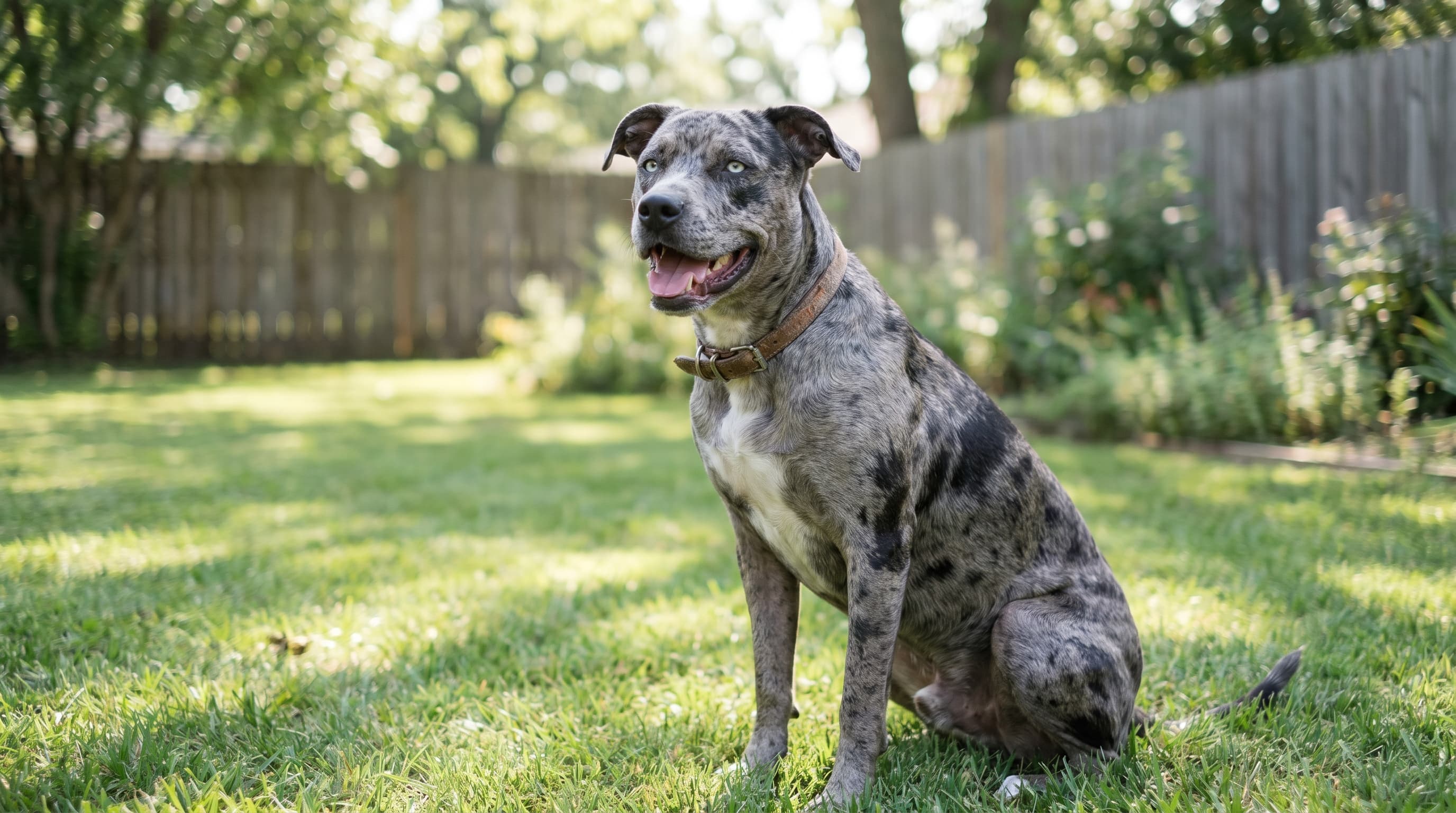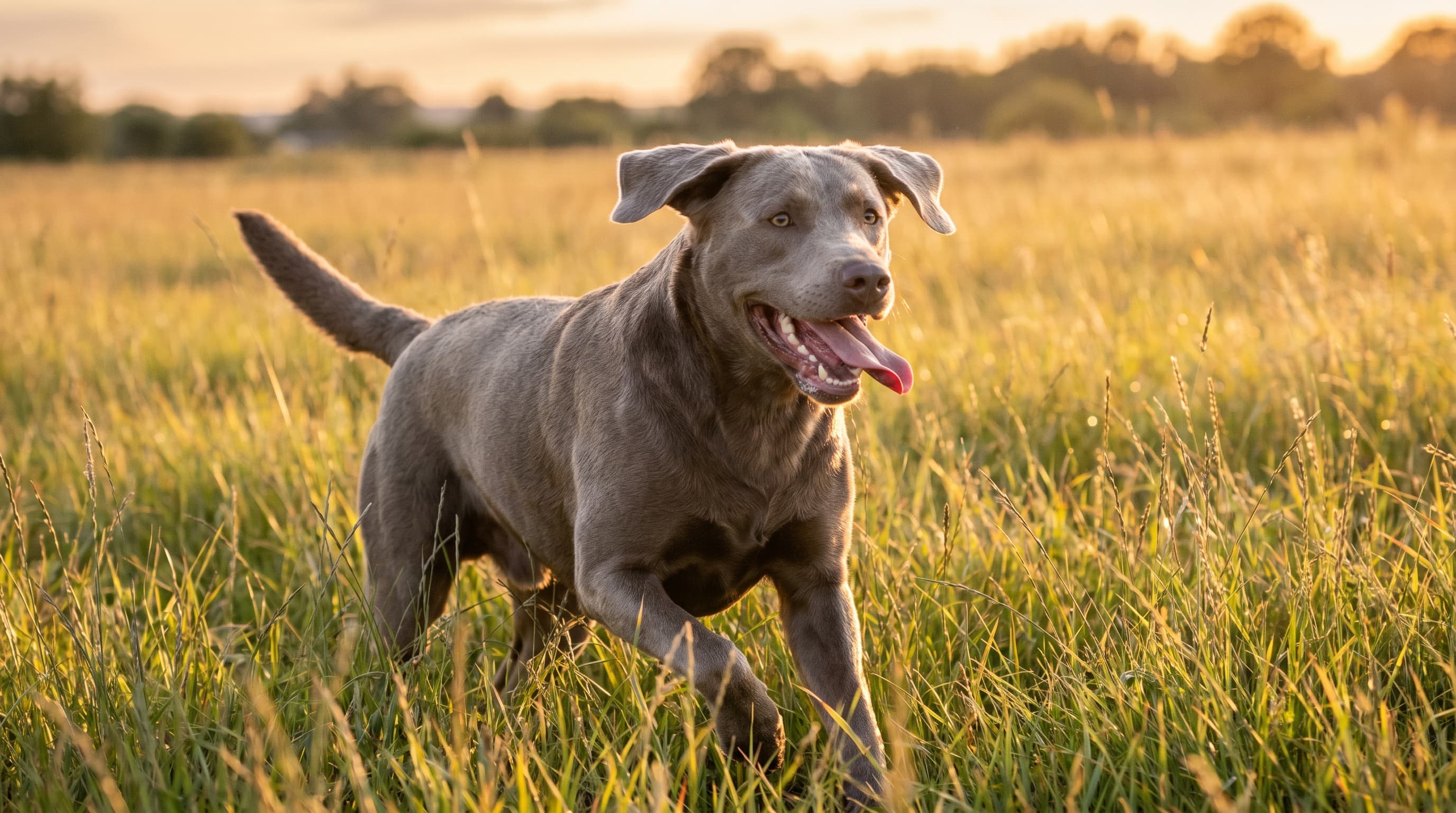

A silver Lab is a Labrador Retriever with a rare, shimmering grey coat caused by a dilution gene that lightens chocolate pigment. Silver Labs share the friendly, trainable, family-loving temperament of all Labradors, but their color is controversial: the breed's parent club disputes whether they are truly purebred. Here is the full, balanced story.
What is a silver Lab?
A silver Lab is not a separate breed — it is a Labrador Retriever whose coat is "diluted" to a soft, metallic grey. Genetically, silver is a diluted version of the chocolate (brown) coat, produced when a dog inherits two copies of a recessive dilution gene (the dd genotype at the MLPH locus). The same gene, acting on black or yellow pigment, produces the related "charcoal" and "champagne" Labs. As The Labrador Site explains, the dilution simply changes how pigment is distributed in each hair, lightening the visible color.
In every other respect — build, size, energy, and personality — a silver Lab is a Labrador. The unusual color is the only thing that sets it apart, and that color is the source of decades of debate.
Why are silver Labs controversial?
This is the question most other guides tiptoe around, so let's address it directly. Silver coloring first appeared in advertised litters in the United States around the 1950s, and its origin is disputed. The Labrador Retriever Club, Inc. — the AKC parent club for the breed — takes the position that the dilution gene was not historically present in purebred Labradors and that silver dogs may carry Weimaraner ancestry, making them, in the club's view, not purebred Labs.
Breeders of silver Labs counter that the dilution gene could have existed at low frequency in the Labrador gene pool all along. As Labrador Training HQ notes, the AKC will register silver Labs — but only under the existing chocolate color designation, since "silver" is not a recognized Labrador color. The science has not fully settled the dispute, so reasonable people disagree. What is clear is that you should buy from a transparent breeder who health-tests, regardless of color.
Silver Lab appearance and size
Apart from the coat, silver Labs match the breed standard for size and structure. According to Animal Corner's breed profile, adult Labradors stand about 21.5–24.5 inches at the shoulder and weigh roughly 55–80 pounds, with males larger than females. Expect the classic athletic, broad-headed Lab build and the breed's signature thick, otter-like tail.
The coat is short, dense, and double-layered, with the same water-resistant quality that made Labs legendary retrievers. The silver shade ranges from pale pewter to a deeper slate grey, and puppies' eyes are often a striking pale yellow or light blue that may darken slightly with age.
Silver Lab temperament
If you love the Labrador personality, you will love a silver Lab — the color has no bearing on behavior. Silver Labs are friendly, outgoing, eager to please, and famously good with children and other dogs. They are people-oriented to a fault and do not do well left alone for long stretches.
They are also energetic working dogs at heart. The World Animal Foundation highlights the breed's intelligence and trainability, which makes Labs perennial favorites as service, therapy, and sporting dogs. Expect a smart, food-motivated companion that learns quickly and thrives on having a job. If you are weighing other friendly family breeds, our Golden Retriever guide covers a close temperamental cousin.
Exercise and training needs
Silver Labs are high-energy dogs that need a solid hour or more of exercise every day — walking, swimming, fetch, and scent or retrieving games all fit the bill. A bored, under-exercised Lab will find its own entertainment, usually by chewing, digging, or counter-surfing. Mental stimulation matters as much as physical activity.
On the training front, Labs are among the easiest breeds to teach thanks to their intelligence and willingness to work for rewards. Start early, keep sessions positive and food-motivated, and prioritize recall and impulse control. These same traits make Lab crosses popular and capable; see our profiles on the Goldador (Golden Lab) and the German Shorthaired Lab.
Silver Lab health and lifespan
Silver Labs share the Labrador's typical lifespan of about 11–13 years and the breed's common health concerns: hip and elbow dysplasia, exercise-induced collapse, eye conditions such as progressive retinal atrophy, and a strong tendency toward obesity if overfed. Responsible breeders screen for these.
One color-specific consideration is color dilution alopecia, a coat condition that can occur in dilute-coated dogs and may cause thinning hair and flaky skin; not all dilute dogs develop it. This is general information only and not veterinary advice — talk to your veterinarian about appropriate health screening, weight management, and parasite prevention for your individual dog.
Is a silver Lab right for you?
A silver Lab is a wonderful family dog for an active household that wants a friendly, trainable companion and is not bothered by the color controversy or the AKC's "chocolate" registration. Just be prepared for the same commitment any Labrador demands: daily exercise, training, and lots of companionship.
Be cautious of breeders who charge a steep premium purely for the "rare" silver color or who refuse to discuss the controversy and their health-testing practices. Choose your breeder for health and transparency first, and treat the striking coat as a bonus rather than the main event.
Frequently asked questions
Are silver Labs purebred?
It depends who you ask. Silver Labs can be registered with the AKC as chocolate Labradors, but the Labrador Retriever Club disputes their purebred status and suggests possible Weimaraner ancestry. The genetics are not fully settled, so the question remains genuinely debated.
How much do silver Lab puppies cost?
Silver Labs typically range from about $1,000 to $3,000, and some breeders charge a premium for the rare color. Prioritize health testing and breeder transparency over color when comparing prices.
Can you register a silver Lab with the AKC?
Yes, but only as a chocolate Labrador. "Silver" is not a recognized Labrador coat color, so the AKC registers these dogs under the existing chocolate designation.
What causes the silver color?
The silver coat comes from a recessive dilution gene (the dd genotype) that lightens chocolate pigment. The same gene produces charcoal Labs from black dogs and champagne Labs from yellow dogs.
Are silver Labs healthy?
Silver Labs face the same health risks as any Labrador, including hip and elbow dysplasia and obesity, plus a possible risk of color dilution alopecia tied to the dilute coat. Buying from a health-testing breeder reduces the risk of inherited problems.
Do silver Labs shed?
Yes. Like all Labradors, silver Labs have a dense double coat and shed heavily, especially during seasonal coat changes. Regular brushing helps manage the loose hair.
Explore more Labrador-loving breeds
If the silver Lab's friendly, trainable nature appeals to you, read our complete guides to two closely related breeds before you decide: the Golden Retriever and the German Shorthaired Lab. Both share the Lab's affectionate, family-friendly temperament.
For more breed profiles, training tips, and dog-care guidance, subscribe to the Daily Wag newsletter and never miss a story.