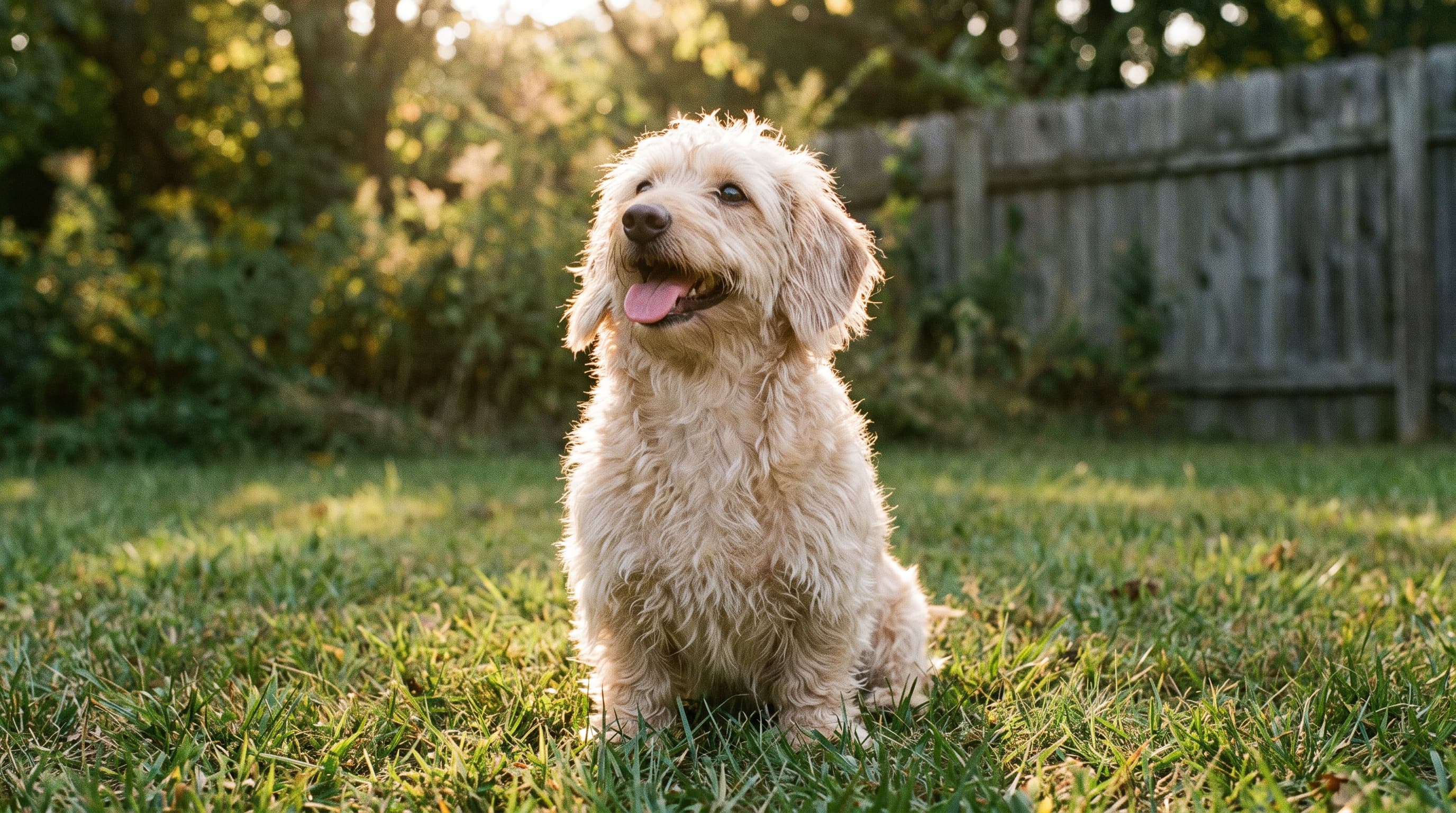

Silky Wire Haired Dachshund: The Rare Coat Explained
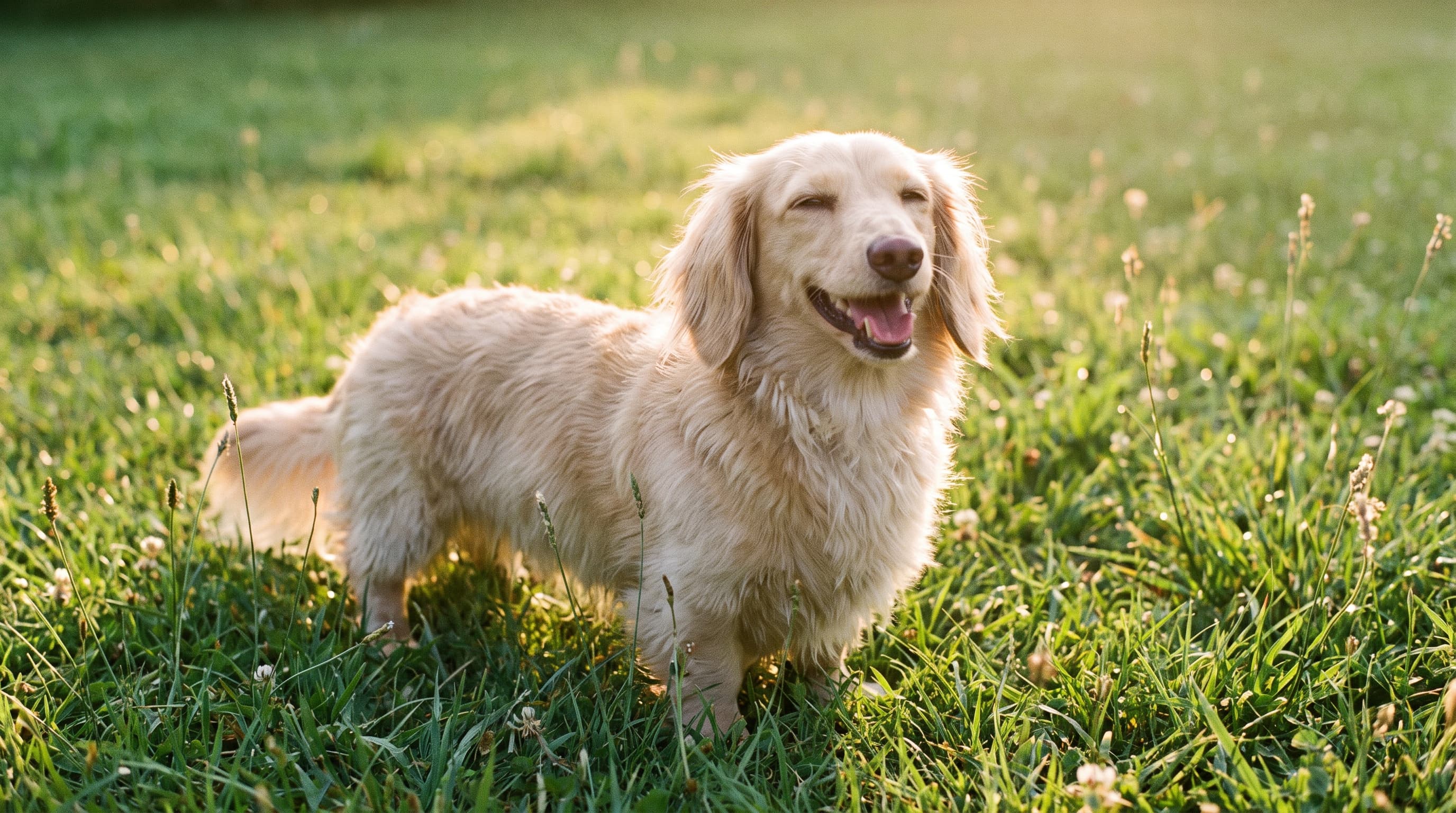
A silky wire haired dachshund is a dachshund carrying genes for both the long and wire coat types, producing a soft, flowing coat made of individual wiry strands. The result is a plush, "doodle-like" look that's low-shedding but not officially recognized by kennel clubs. It's a coat variation, not a separate breed.
If you've seen a wiener dog that looks like a fluffy teddy bear and wondered what you were looking at, you've likely met a silky wirehair. Below we explain exactly how this rare coat happens, what owners can expect from grooming and temperament, and whether one of these uniquely scruffy-soft dachshunds is right for your home.
What Is a Silky Wire Haired Dachshund?
A silky wirehair is a genetic cross within the dachshund breed—specifically a dog that inherits coat genes from both longhaired and wirehaired lines. As Dogster explains, the coat ends up "long and silky in appearance, but the individual strands are wiry." That combination gives the dog a soft, flowing look with a faint bristly texture underneath.
Crucially, this is still a purebred dachshund in every way except coat. The body shape, size, personality, and health profile are all classic dachshund. Only the texture and growth pattern of the hair set a silky wirehair apart. Hepper describes the feel as a blend between the tousled scruff of a wirehair and the smooth drape of a longhair.
How the Silky Wire Coat Happens
Dachshunds come in three recognized coats: smooth, longhaired, and wirehaired. The wire coat is governed by a dominant gene, while the long coat is recessive. When a dog inherits both a wire gene and the genetic background for a long coat, the coat can express as a "silky wire"—longer than a typical wirehair but with the wiry strand structure intact.
Breeders sometimes produce silky wires when crossing wirehaired and longhaired lines, as documented by specialty breeders like AKC Infinity Dachshunds. Because it depends on a specific genetic combination, the silky wire coat is relatively uncommon compared to the three standard coats. Dachshund Space notes that this rarity is part of what makes the coat so sought-after among enthusiasts.
Appearance and Size
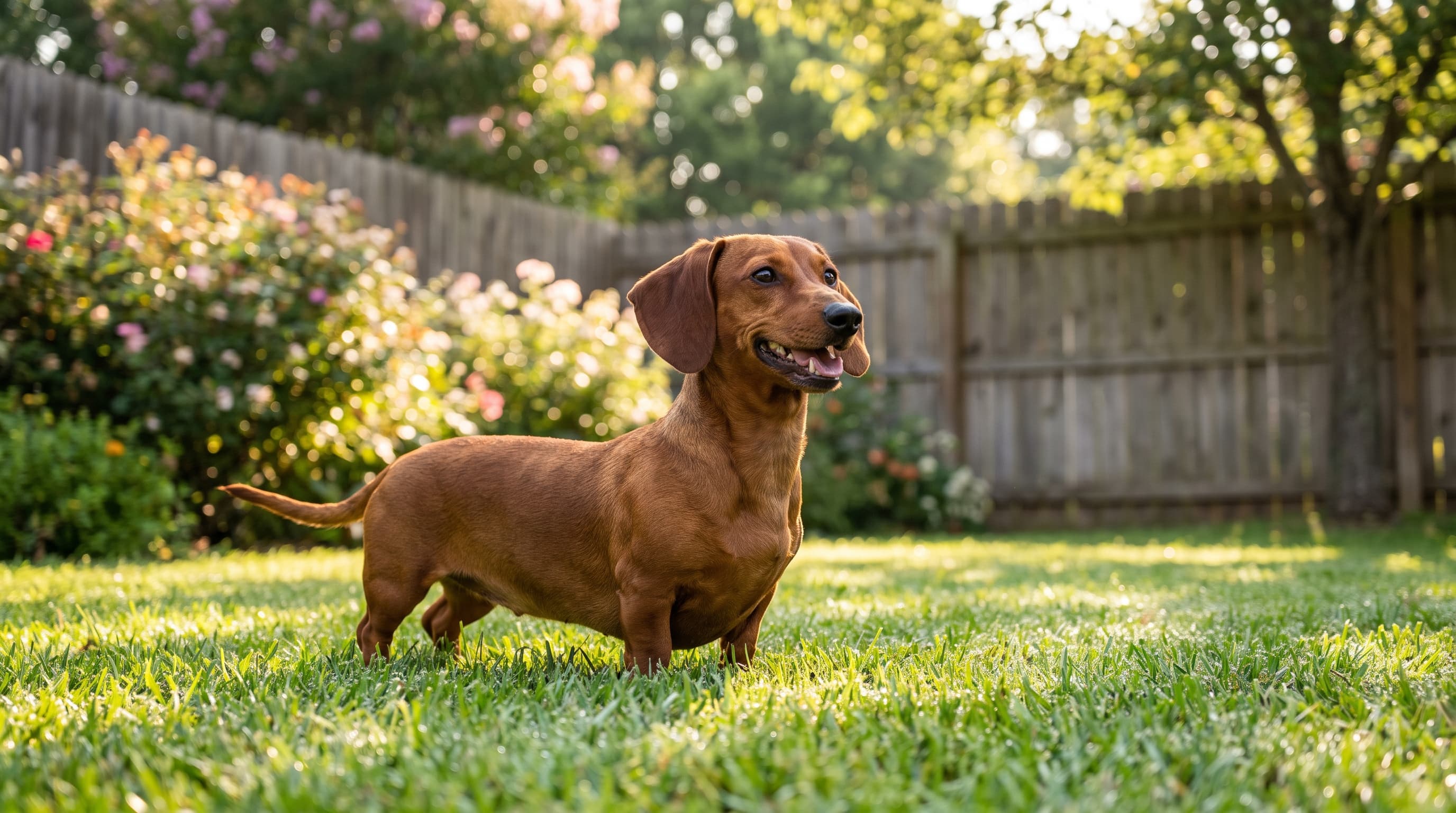
Apart from the coat, a silky wirehair looks like any dachshund: the long, low body, deep chest, and confident expression the breed is famous for. They come in both standard and miniature sizes. Per Pawlicy Advisor and PetMD, standard dachshunds typically weigh 16–32 pounds and stand 8–9 inches tall, while miniatures weigh 11 pounds or under and stand 5–6 inches tall.
The coat itself can come in the wide range of dachshund colors and patterns—red, black and tan, cream, chocolate, dapple, and more. What makes it eye-catching is the texture: longer furnishings around the face, ears, legs, and belly that give a soft, slightly shaggy silhouette. Coverage on the rare silky-wire dog has even gone viral, with Parade Pets covering one whose "doodle-like" appearance captivated the internet.
Grooming a Silky Wire Haired Dachshund
The silky wire coat is a happy middle ground for grooming. It's generally lower-maintenance than a full longhaired coat but needs more attention than a smooth dachshund.
- Brushing: Aim for a few times a week with a pin brush and comb to prevent tangles in the longer furnishings, especially behind the ears, on the legs, and under the belly.
- Shedding: Silky wires tend to be low shedders, since the wire-coat genetics mean fewer dead hairs drop out compared to a smooth coat.
- Hand-stripping vs. clipping: Traditional wire coats are sometimes hand-stripped, but many pet owners simply tidy the coat with occasional trims. A groomer can advise on the right approach for your individual dog.
- Ears and nails: Check those long ears weekly and keep nails trimmed, just as you would for any dachshund.
For a step-by-step at-home routine, our DIY dog grooming guide walks through brushing, bathing, and trimming safely.
Temperament and Personality
Coat aside, this is 100% dachshund—and that means a big personality in a small package. Dachshunds are clever, curious, devoted to their people, and famously stubborn. Bred to hunt badgers, they retain a bold, tenacious streak and a strong nose that loves to follow a scent.
Wirehaired lines in particular often carry a playful, terrier-like spark, thanks to terrier ancestry in the original wire-coat development. Expect an affectionate companion who's alert (read: barky), enjoys games and digging, and bonds tightly with the family. Early socialization and patient, reward-based training help channel that intelligence and independence in the right direction. Dachshunds are also famously food-motivated, which works in your favor for training—short, upbeat sessions with high-value treats tend to get the best results, while harsh corrections only deepen that signature stubbornness. Give a silky wirehair a job, a puzzle, or a scent game, and you'll see that clever hunting brain light up.
A Brief History of the Wirehaired Dachshund
To understand the silky wire coat, it helps to know where the wirehaired dachshund came from. Dachshunds originated in Germany, bred to hunt badgers and other burrowing animals—their name literally means "badger dog." The original dachshunds were smooth-coated, but breeders later introduced terrier and other wire-coated breeds to create a tougher, weather-resistant coat for working in rough brush. That terrier influence is part of why wirehaired dachshunds often show an extra-spirited, scrappy streak.
Longhaired dachshunds, meanwhile, likely came from crosses with spaniels, lending a softer, flowing coat. When the genetics of these long and wire lines combine in one dog, the silky wire coat can appear—essentially a living blend of the breed's own coat history. It's a reminder that even within a single breed, coat variety has deep roots.
Silky Wire vs. the Three Standard Coats
It helps to see how the silky wire compares to the dachshund's recognized coats:
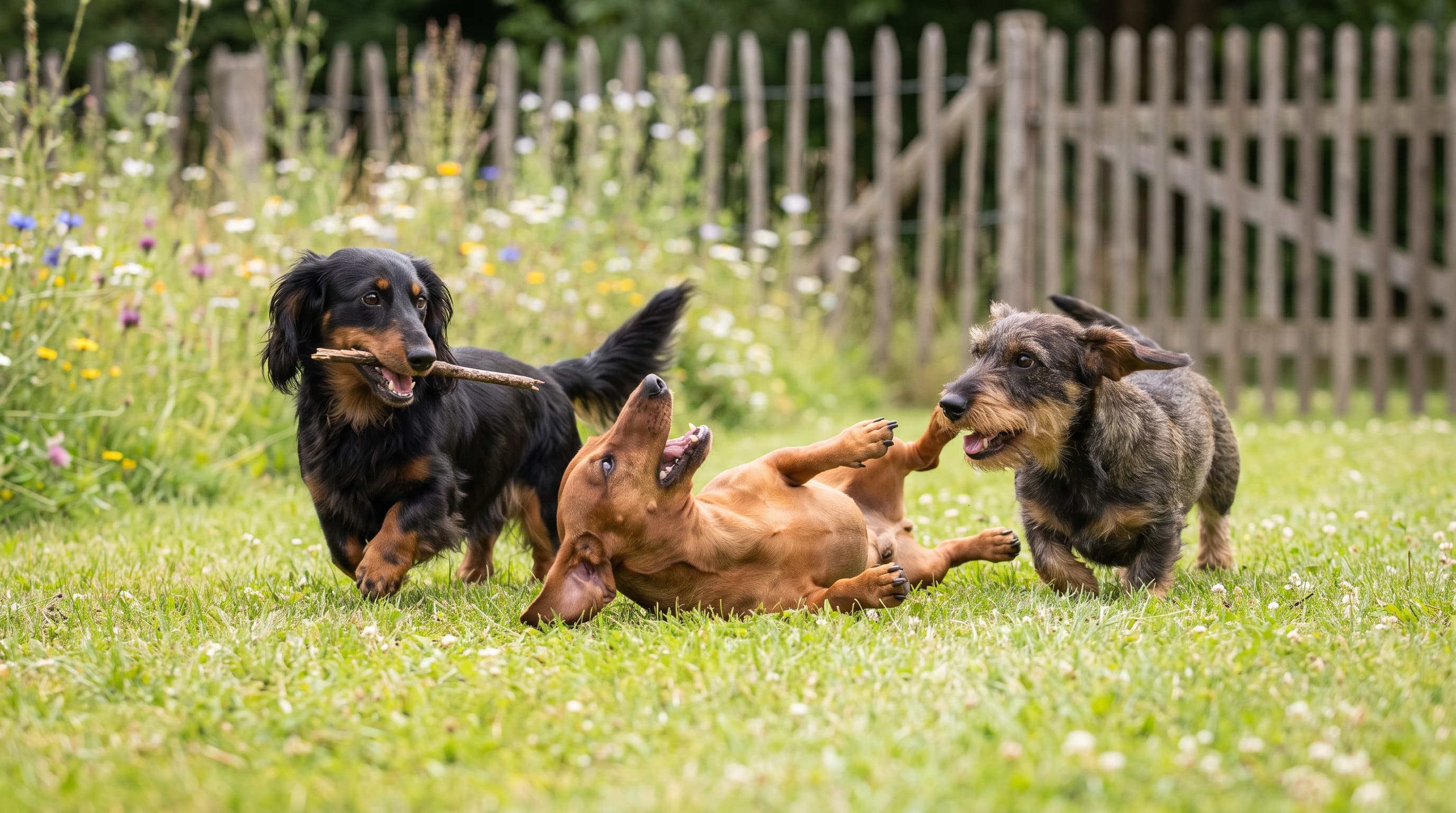
- Smooth: Short, shiny, and very low-maintenance, but higher-shedding and less insulating in cold weather.
- Longhaired: Soft, elegant, and flowing, but requires the most brushing to prevent mats and tangles.
- Wirehaired: Coarse and dense with a beard and bushy eyebrows, often hand-stripped to maintain texture.
- Silky wire (the rare blend): Longer and softer than a classic wire coat, low-shedding, and eye-catching—but not a recognized show coat.
For many pet owners, the silky wire hits a sweet spot: the easygoing shedding of a wire coat with a softer, fuller appearance. If you're weighing breeds for a smaller living space, our roundup of the best dogs for apartments can help you compare.
Health and Care Considerations
Silky wirehairs share the dachshund breed's health profile. The most important concern is intervertebral disc disease (IVDD), a spinal condition the long-backed breed is prone to. You can reduce risk by keeping your dog at a healthy weight, discouraging jumping on and off furniture, supporting the back when you lift them, and using ramps where possible.
Dachshunds can live long lives—commonly 12–16 years. Routine veterinary care, dental hygiene, weight management, and joint-friendly habits all help. Their short legs and low bodies also mean they get cold easily; our guide on preventing hypothermia in dachshunds is worth a read before winter. This is general information only—always consult your veterinarian about your individual dog's health.
Frequently Asked Questions
Is a silky wire haired dachshund a purebred?
Yes. It's a purebred dachshund that carries genes for both the long and wire coat types. It is not a designer cross with another breed—only the coat texture differs from the three standard coats.
Are silky wire dachshunds recognized by the AKC?
The silky wire coat is not a separately recognized coat type. Kennel clubs generally recognize only smooth, longhaired, and wirehaired dachshunds, so a silky wire is registered as a dachshund but the unique coat isn't a show category.
Do silky wire haired dachshunds shed a lot?
No, they're typically low shedders. The wire-coat genetics mean fewer dead hairs fall out, though regular brushing still helps keep the longer furnishings tangle-free.
Are they hypoallergenic?
No dog is truly hypoallergenic. Silky wires shed less than smooth dachshunds, which some allergy-sensitive owners find more tolerable, but they still produce dander and saliva proteins that can trigger allergies.
How much does a silky wire haired dachshund cost?
Because the coat is rare, silky wires from specialty breeders can command a premium over standard dachshunds, often ranging from several hundred to a couple thousand dollars depending on bloodline and location. Always choose a reputable, health-testing breeder—or check rescues for dachshunds in need of homes.
Is This Rare Dachshund Right for You?
If you love the dachshund's bold, affectionate personality and want a softer, lower-shedding coat with standout looks, a silky wire haired dachshund is a charming choice. Just be ready for a clever, stubborn little hound that needs training, weekly brushing, and careful back protection for life. Remember, too, that the rare coat is the only thing that sets this dog apart—everything you read about dachshund care, exercise, and health applies fully, so treat the silky wire as a standard dachshund with a special look rather than an exotic new breed with different needs.
Curious about other dachshund varieties and small-dog companions? Explore our full dachshund breed guide and see whether one of the best dogs for apartments fits your space. Love discovering rare and unusual breeds? Subscribe to the Daily Wag newsletter for breed deep-dives delivered weekly.