
Fluffy Corgi: The Complete Guide to the Long-Haired Corgi
A fluffy corgi is a Pembroke or Cardigan Welsh Corgi born with a long, soft coat instead of the usual short one. The look comes from a recessive "fluff" gene, so a puppy needs two copies to be fluffy. They're the same beloved corgi in personality and size—just with longer, higher-maintenance hair. Fluffies are purebred corgis, not a separate breed or a mix.
What Is a Fluffy Corgi?
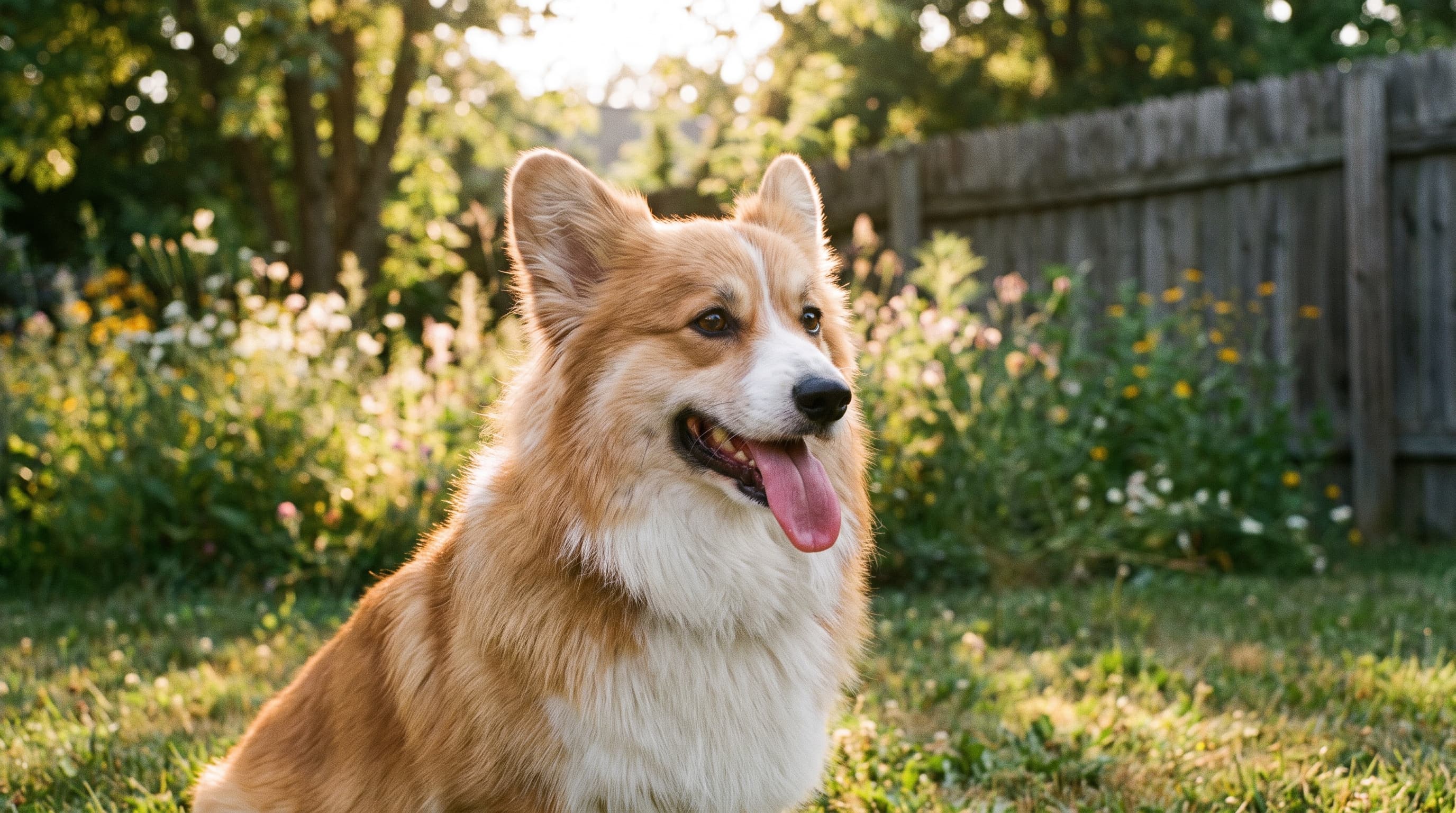
Most corgis you see—both the Pembroke Welsh Corgi and the Cardigan Welsh Corgi—have a short, weather-resistant double coat. A fluffy corgi carries a genetic variation that lengthens that coat dramatically, giving it feathering on the ears, chest, legs, feet, and behind. The result is a dog that looks like a corgi wearing a plush, oversized coat.
It's important to understand what a fluffy corgi isn't. It's not a designer crossbreed, it's not a different breed, and it's not a "rare" corgi in the sense of being more valuable. A fluffy is a normal, healthy corgi that happened to inherit long hair. Under all that fluff, you'll find the same short legs, big personality, and herding heritage the breed is famous for. If you're comparing the two corgi types generally, our guides to the Pembroke Welsh Corgi and the Cardigan Welsh Corgi cover the differences in detail.
The Fluffy Gene: Why Some Corgis Are Long-Haired
The fluffy coat is caused by a recessive gene often referred to as the "L-locus" or FGF5 fluff gene. Because it's recessive, a corgi needs to inherit two copies—one from each parent—to actually have a long coat. A corgi with only one copy has a normal short coat but is a "fluff carrier," meaning it can pass the trait to its puppies.
This genetics quirk explains why two short-coated corgi parents can surprise a breeder with a fluffy puppy: both parents were carriers. It also explains why fluffies are relatively uncommon. Responsible breeders can DNA-test their dogs to know whether they carry the fluff gene, which helps them predict litters. According to breed and grooming resources, there are no health problems associated with the fluffy coat itself—the hair is simply longer, and the dog is otherwise a standard corgi.
One consequence worth knowing: in the show ring, a long or "fluffy" coat is considered a serious fault under breed standards, so fluffies are typically placed as pets rather than show or breeding dogs. That's a technicality of conformation showing, not a reflection of the dog's health or quality as a companion.
Fluffy Corgi Appearance and Size
Aside from coat length, a fluffy corgi matches the standard corgi profile. Expect a low-slung, sturdy dog standing roughly 10–12 inches at the shoulder and weighing in the mid-20s to low-30s of pounds when at a healthy weight. Pembroke fluffies usually have a docked or naturally short tail, while Cardigan fluffies sport a long, fox-like brush of a tail—now even fluffier.
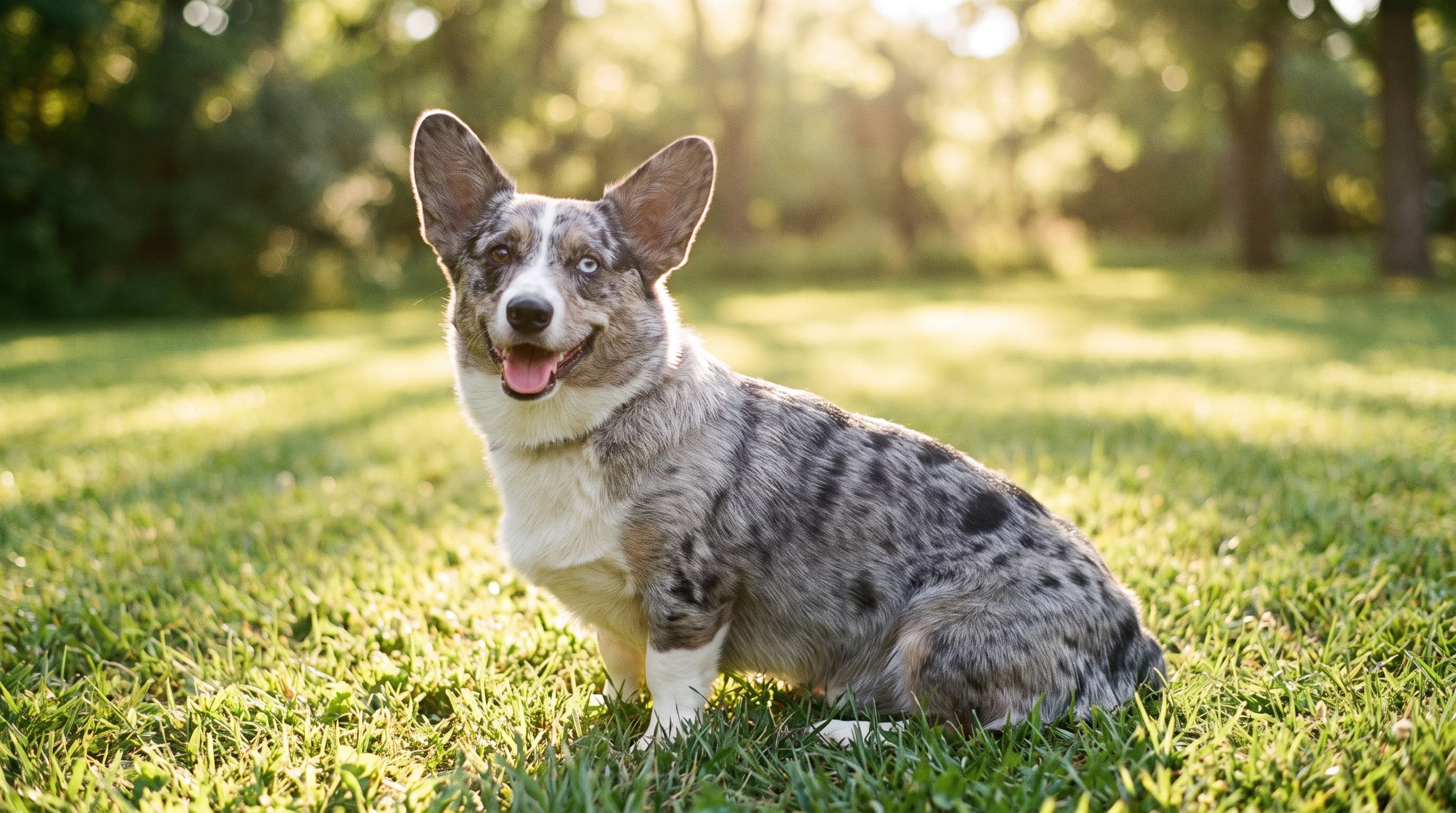
Coat colors mirror the parent breed: reds, sables, fawns, black-and-tan, and tricolor, typically with white markings on the legs, chest, and face. On a fluffy, these colors appear richer and softer thanks to the longer hair, and the feathering around the ears and "pantaloons" on the back legs gives them an especially teddy-bear-like look. Curious about corgi tails specifically? See our piece on the corgi tail.
Grooming a Fluffy Corgi: What to Expect
Here's the trade-off for all that charm: fluffy corgis need noticeably more grooming than their short-coated relatives. The longer coat tangles, mats, and traps debris more easily, so a consistent routine is essential.
- Brushing: Aim for several times a week, and daily during heavy seasonal shedding. Grooming experts recommend "line brushing"—parting the coat and brushing in sections, in the direction the hair grows—to reach the dense undercoat and prevent mats from forming close to the skin.
- Bathing: Every one to two months is typical. Over-bathing can dry out the skin, so stretch baths as long as the coat stays clean and odor-free.
- Trouble spots: Pay extra attention to the feathering behind the ears, under the legs ("armpits"), and around the rear, where mats form fastest.
- Feet and hygiene: Trim the fur between paw pads and around the sanitary area to keep things tidy and comfortable.
One firm rule from corgi groomers: do not shave a fluffy corgi. The double coat insulates against both heat and cold and protects the skin from sunburn. Shaving can damage the coat's regrowth and remove that natural protection. Regular brushing and de-shedding tools are the right way to manage the hair, not clippers. For a broader routine, our guide on how to reduce dog shedding and maintain a clean home pairs perfectly with a fluffy's needs.
Do Fluffy Corgis Shed More?
Yes. Corgis are already enthusiastic shedders thanks to their double coat, and a fluffy's longer hair makes the shed fur more visible around your home. Expect year-round shedding with two heavier "coat blows" in spring and fall. The good news is that consistent brushing captures a huge amount of loose hair before it lands on your couch. Investing in a quality undercoat rake and a slicker brush—and using them regularly—makes daily life with a fluffy far more manageable.
Fluffy Corgi Temperament and Personality
Coat aside, a fluffy corgi has the same big-dog-in-a-small-body personality that made the breed a global favorite. These are bright, bold, affectionate dogs bred to herd cattle, and that heritage shows. Expect:
- High intelligence: Corgis learn quickly and thrive on training, puzzle toys, and jobs to do. They rank among the more trainable breeds.
- Alertness and barking: They're natural watchdogs and tend to be vocal, alerting you to every delivery driver and squirrel.
- Herding instincts: Don't be surprised if your corgi tries to "herd" children, other pets, or your ankles by nipping. Early training redirects this.
- Affection and sociability: They bond closely with their families and generally do well with children and other dogs when socialized early.
All that intelligence and energy needs an outlet. A bored corgi can become a barky, mischievous corgi, so plan for daily walks, play, and mental stimulation.
Health and Care for Fluffy Corgis
Fluffy corgis share the same health profile as standard corgis. The most important care priority is weight management: those famously short legs and long backs make corgis prone to intervertebral disc disease (IVDD), and excess weight increases the strain on the spine. Keep your corgi lean, discourage repetitive jumping on and off high furniture, and support the back during exercise.
Other conditions to be aware of in the breed include hip dysplasia, progressive retinal atrophy (an eye condition), and degenerative myelopathy. Reputable breeders screen for these. As always, this is general information—your veterinarian is the right person to assess your individual dog's health, recommend screenings, and guide feeding and exercise. If you have any health concerns about your corgi, schedule a visit with your vet.
How Much Does a Fluffy Corgi Cost?
Because the fluffy coat is a fault in the show ring, fluffy puppies are often sold as pets. Pricing varies widely by region, breeder reputation, and health testing, generally landing in the same range as standard corgis—roughly $1,000 to $2,500 from a responsible breeder, sometimes higher. Be cautious of anyone marketing "rare fluffy corgis" at a steep premium; the fluff gene is a normal recessive trait, not a mark of superior quality. Prioritize a breeder who health-tests their dogs over one chasing the fluffy label.
Is a Fluffy Corgi Right for You?
A fluffy corgi is a wonderful companion for an active household that can commit to regular grooming and daily exercise. They're affectionate, funny, endlessly photogenic, and deeply loyal. Just go in with eyes open about the shedding, the grooming time, and the herding-bred energy. If you can meet those needs, you'll have one of the most charming dogs on the block.
Frequently Asked Questions
Are fluffy corgis purebred?
Yes. A fluffy corgi is a purebred Pembroke or Cardigan Welsh Corgi that inherited two copies of the recessive fluff gene, giving it a long coat. It is not a mixed breed.
Is a fluffy corgi rare?
Fluffies are less common than short-coated corgis because a puppy needs two copies of the recessive fluff gene to have long hair. They're uncommon but not exotic, and the trait doesn't make them more valuable.
Do fluffy corgis have more health problems?
No. The long coat itself causes no health issues. Fluffies share the same breed health considerations as standard corgis, such as spinal (IVDD) and weight-related concerns, which your vet can help you manage.
Should you shave a fluffy corgi?
No. Shaving removes the protective, insulating double coat and can harm regrowth. Manage the coat with regular brushing and de-shedding tools instead.
How often do fluffy corgis need grooming?
Brush several times a week—daily during seasonal shedding—and bathe every one to two months. Line brushing helps prevent mats in the longer coat.
Can two short-haired corgis have a fluffy puppy?
Yes. If both short-coated parents carry one copy of the recessive fluff gene, they can produce a fluffy puppy. DNA testing can identify carriers.
The Bottom Line
A fluffy corgi delivers everything people adore about corgis—brains, boldness, and unbeatable charm—wrapped in an extra-plush coat. As long as you're ready for the brushing and shedding, a fluffy makes a joyful, loving family dog.
Thinking about adding a corgi to your family? Explore our full breed guides to the Pembroke Welsh Corgi and the Cardigan Welsh Corgi to decide which fits your home—and subscribe to the Daily Wag newsletter for grooming tips, breed spotlights, and dog-care advice.