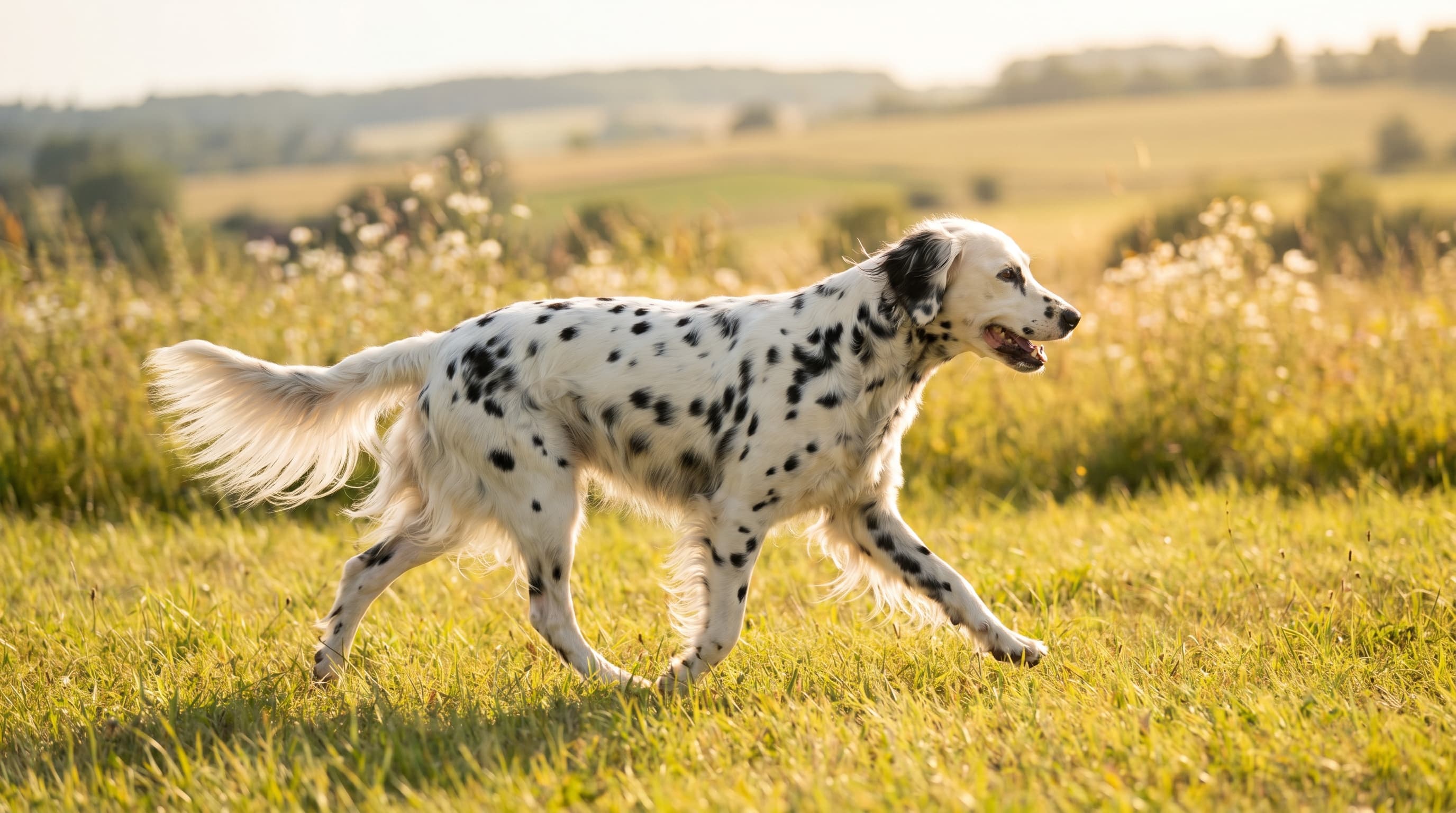

Long Haired Dalmatian: The Rare, Fluffy Spotted Dog Explained
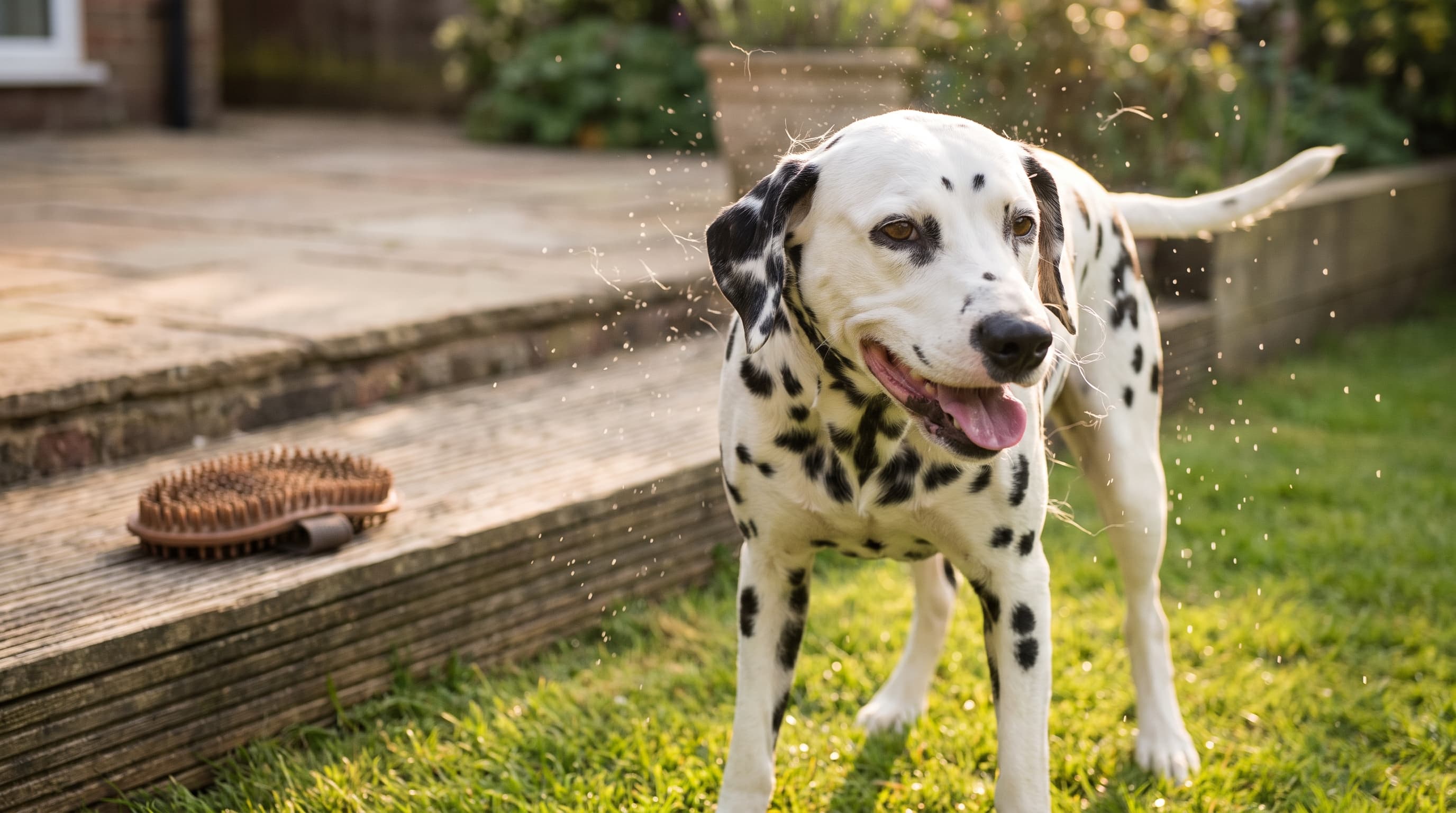
A long haired Dalmatian is a purebred Dalmatian that inherited two copies of a recessive "long coat" (LC) gene, giving it a soft, feathery coat one to four inches long instead of the breed's familiar short fur. It has the same iconic black or liver spots, the same playful temperament, and the same care needs—just with extra fluff and a bit more brushing.
What Is a Long Haired Dalmatian?
Despite how unusual it looks, the long haired Dalmatian is not a mix or a different breed. It's a standard Dalmatian carrying a naturally occurring recessive gene known as the "long coat" or "LC" gene. A puppy only grows the long coat if it inherits the gene from both parents, which is why these dogs are uncommon: most Dalmatians carry the dominant short-coat gene.
According to breed resources like Wild Earth and Dogster, the long coat has always existed within the Dalmatian gene pool—it simply gets bred out because the short coat is the standard. Two short-coated Dalmatians can still produce long-coated puppies if both parents secretly carry one copy of the recessive gene.
What Does a Long Haired Dalmatian Look Like?
Picture a classic Dalmatian, then add a soft, flowing coat. The signature spots are identical—crisp black or liver markings on a white background—but the fur tells a different story:
- Coat length: Roughly 2 to 4 inches, versus the short coat's quarter-inch.
- Feathering: Longer fringe on the ears, chest, legs, and tail gives a softer, more elegant silhouette.
- Texture: Silkier and fluffier to the touch than the dense, slick short coat.
- Spots: The same black or liver pattern, sometimes appearing slightly blurred by the longer hair.
Size and structure are unchanged from any other Dalmatian: an athletic, medium-to-large dog standing 19 to 24 inches tall and weighing roughly 45 to 70 pounds, built for endurance.
Are Long Haired Dalmatians Recognized by the AKC?
Here's the nuance that confuses people: long haired Dalmatians are genuinely purebred, but they are not recognized as a show variety. The American Kennel Club breed standard calls for a short, dense, fine coat, so a long-coated Dalmatian can't compete in conformation and shouldn't be bred intentionally under the standard. That doesn't make the dog any less of a Dalmatian—it just means the coat falls outside what the show ring rewards. As a beloved pet, a long haired Dalmatian is every bit the real deal.
Temperament: Same Spirited Dalmatian Inside
Coat length has zero effect on personality. Long haired Dalmatians are the same goofy, energetic, loyal, and intelligent dogs the breed is famous for. Historically bred as "coach dogs" that trotted alongside horse-drawn carriages, Dalmatians have remarkable stamina and a strong need for activity and companionship.
Expect a dog that's affectionate with its family, playful well into adulthood, sometimes reserved with strangers, and happiest with a job to do. They're smart but can be independent, so consistent, positive training and early socialization pay off. Like other high-energy athletes such as the Whippet, a bored Dalmatian will invent its own (often destructive) entertainment.
Grooming a Long Haired Dalmatian
The longer coat is the one area where care genuinely differs from a standard Dalmatian. The good news: it's still manageable.
- Brushing: Brush at least weekly—two or three times a week is better—to prevent tangles and mats, especially in the feathered areas behind the ears and on the legs.
- Shedding: Dalmatians are notorious shedders, and the long coat sheds too. A consistent brushing routine is your best defense, much like the strategies in our guide to reducing dog shedding around the home.
- Mats: If knots form, address them gently and promptly; our walkthrough on comfort-first dematting can help.
- Bathing: Bathe as needed, and dry thoroughly so the longer fur doesn't stay damp.
It's worth understanding how coat genetics work; our explainer on what a double coat is puts the long-coat trait in helpful context, even though most Dalmatians are single-coated.
Exercise and Training Needs
Do not let the soft coat fool you into thinking this is a mellow lap dog. Long haired Dalmatians have the same engine as every Dalmatian: tremendous stamina bred over generations of trotting beside carriages for miles. Plan on at least 1 to 2 hours of vigorous daily exercise—long walks, running, fetch, hiking, or dog sports like agility. A Dalmatian that doesn't burn its energy will redirect it into barking, digging, chewing, and other "problem" behaviors that are really just unmet needs.
Training should start early and lean heavily on positive reinforcement. Dalmatians are intelligent and capable but can be sensitive and stubborn, so harsh methods backfire. Focus on solid recall, leash manners, and impulse control, and weave in plenty of mental enrichment—puzzle feeders, scent games, and trick training—to satisfy that busy brain. Early, thorough socialization helps temper the breed's natural wariness of strangers and makes for a confident, well-adjusted adult.
Long Haired Dalmatian Health Considerations
Long haired Dalmatians share the same health profile as all Dalmatians, and one issue stands out: hereditary deafness. Congenital deafness is strongly associated with the breed's extreme-white coat genetics. Research summarized by the American Kennel Club notes that pigment-related deafness is tied to the genes controlling white patterning, and historical figures put congenital deafness in roughly a quarter to a third of Dalmatians (full deafness in about 8%, single-ear deafness in about 22%). A UK study tracking the breed found overall congenital sensorineural deafness around 17.8% in recent decades, suggesting responsible breeding has helped.
Dalmatians are also uniquely prone to urinary stones because of how they metabolize uric acid, so diet and hydration matter. As always, this is general information—work with your veterinarian on BAER hearing testing, urinary health, and a screening plan tailored to your dog.
Where the Long Coat Comes From
The long-coat trait isn't a modern invention or a fad. The recessive LC gene has quietly existed in the Dalmatian population for as long as the breed has been documented, surfacing whenever two carriers happen to be bred together. Because breeders historically selected for the sleek, easy-care short coat to meet the standard, long-coated puppies were uncommon and sometimes quietly rehomed as pets rather than shown.
Interest in long haired Dalmatians has grown alongside social media, where their fluffy, feathered look stands out. That attention is a double-edged sword: it celebrates a naturally occurring variation, but it also tempts some sellers to market long coats as "rare" and charge inflated prices. A responsible perspective treats the long coat as a charming quirk of genetics, not a premium product—and never as a reason to breed outside the breed's health priorities.
Is a Long Haired Dalmatian Right for You?
A long haired Dalmatian rewards active, experienced-leaning owners who can provide serious daily exercise, consistent training, and a little extra grooming time. They're affectionate, beautiful, and endlessly fun for the right household—typically homes with older children, secure outdoor space, and people who love an athletic companion.
They're a poor fit for anyone seeking a low-energy lap dog or a wash-and-go coat. And because the long coat is recessive and not part of the standard, you shouldn't pay a premium for "rare" long-coated puppies or support breeders deliberately producing them as a gimmick.
If you do bring one home, commit to the full package: daily exercise, BAER hearing testing, a urinary-friendly diet and plenty of water, regular brushing, and consistent training. Do that, and a long haired Dalmatian will reward you with a decade-plus of loyal, spotted, surprisingly fluffy companionship that turns heads on every walk.
Frequently Asked Questions
Are long haired Dalmatians purebred?
Yes. They're standard Dalmatians that inherited two copies of a recessive long-coat gene. They are fully purebred, even though the long coat isn't part of the AKC show standard.
Are long haired Dalmatians rare?
Quite rare. The long coat only appears when a puppy inherits the recessive gene from both parents, and because short coat is the standard, most breeding pairs don't produce long-coated litters.
Do long haired Dalmatians shed a lot?
Yes. Dalmatians are heavy shedders regardless of coat length. The long coat sheds too, so plan on brushing several times a week to manage loose hair and prevent mats.
Are long haired Dalmatians recognized by the AKC?
No. The AKC breed standard requires a short, dense coat, so long-coated Dalmatians can't compete in conformation. They're still recognized as purebred Dalmatians—just not as a show variety.
Are long haired Dalmatians more prone to deafness?
The deafness risk is tied to the breed overall, not the coat length specifically. All Dalmatians have an elevated rate of congenital deafness linked to their white-coat genetics, so BAER testing is recommended for any Dalmatian.
How big do long haired Dalmatians get?
The same as standard Dalmatians: about 19 to 24 inches tall and 45 to 70 pounds. Only the coat differs, not the size or build.
Keep Exploring
Love athletic, eye-catching dogs? Compare the long haired Dalmatian with two other elegant sporting companions in our guides to the swift Whippet and the tireless English Pointer. For more rare-coat explainers and active-dog care tips, subscribe to the Daily Wag newsletter.