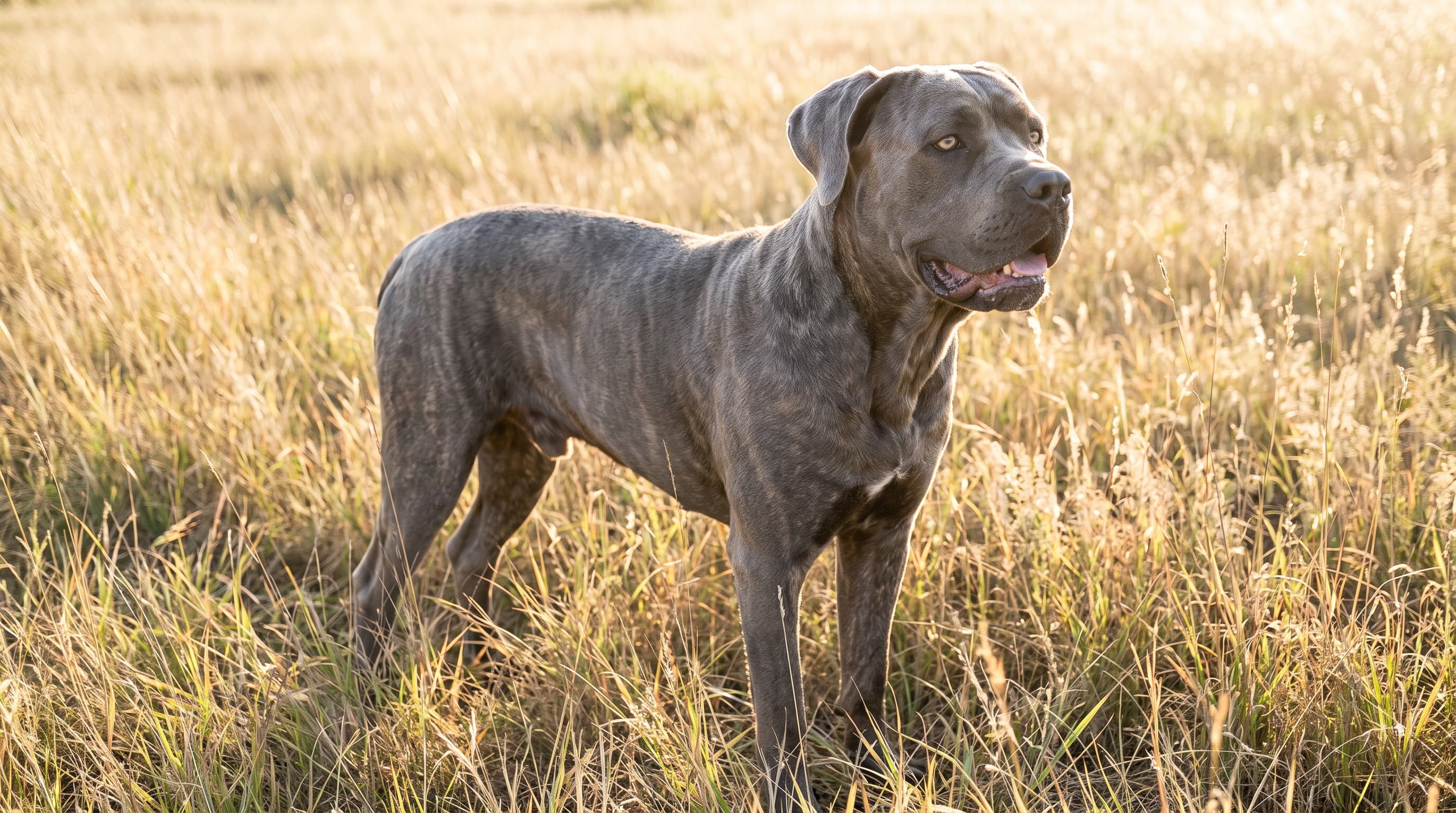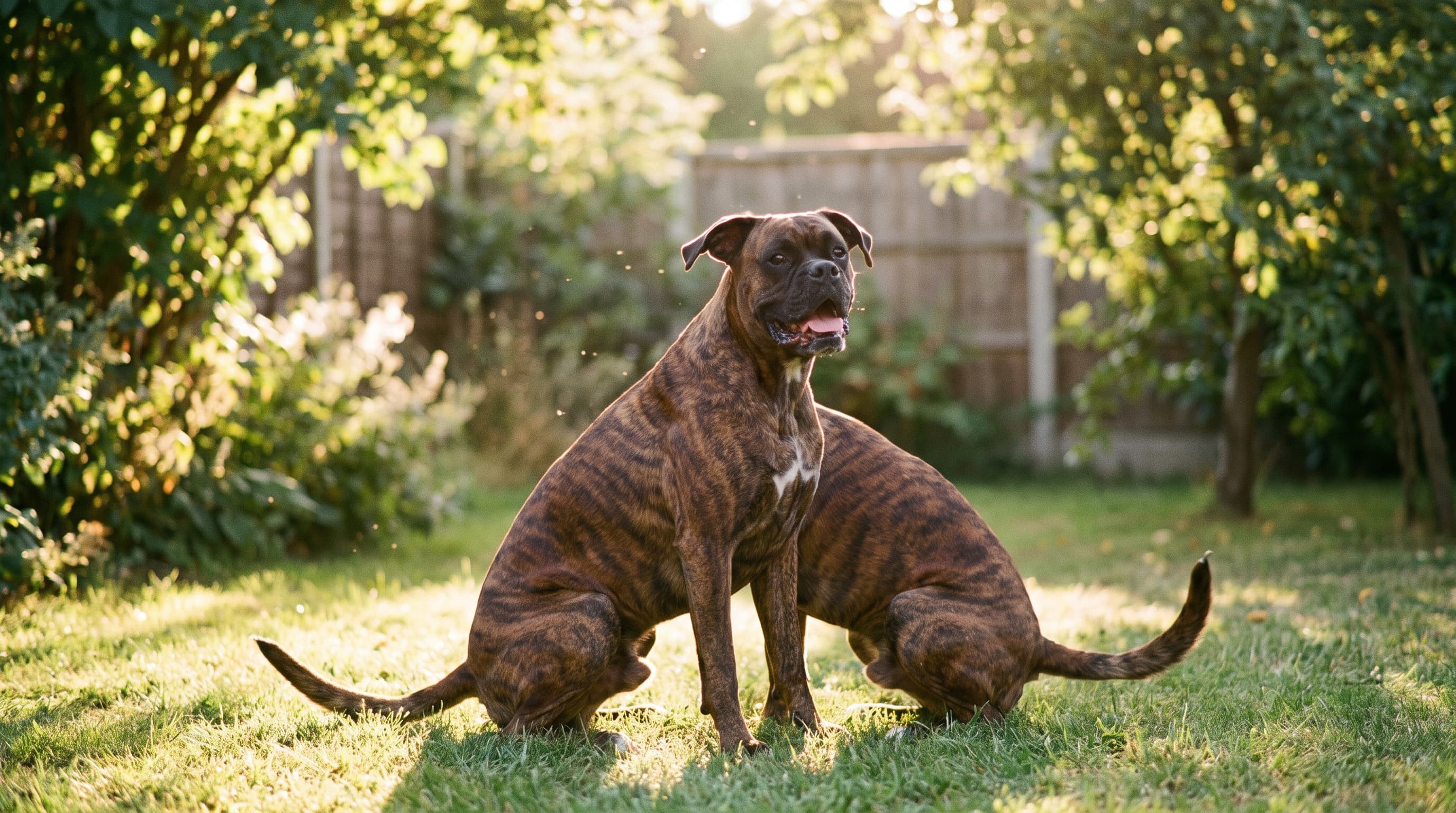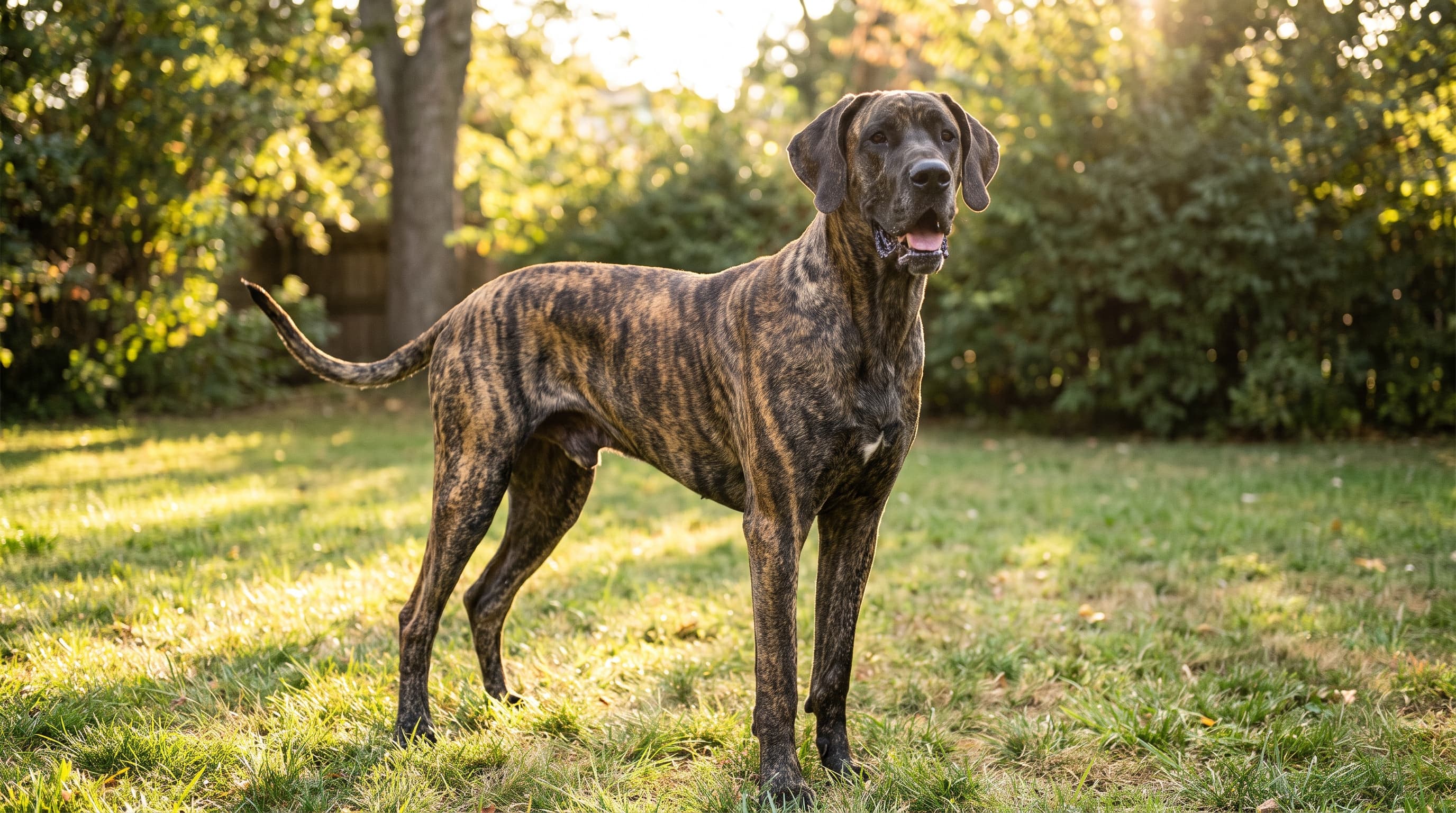

The cane corso's bite force is most often cited at around 700 PSI (pounds per square inch), one of the highest figures attributed to any domestic dog. But that number is an estimate, not a lab-verified fact: very few dogs have ever had their bite formally measured, and "PSI" tells you almost nothing about whether a cane corso is dangerous. Temperament, training, and socialization matter far more.
What Is the Cane Corso's Bite Force in PSI?
The figure you will see repeated across the internet is roughly 700 PSI, frequently ranking the cane corso just behind breeds like the Kangal and ahead of the Rottweiler and German Shepherd. Some sources quote a wider range of 500 to 700 PSI, while more cautious estimates land closer to 300–400 PSI. The honest answer is that there is no clean, peer-reviewed, universally accepted number for this breed, as veterinary and breed publications such as Dogster point out.
That uncertainty exists because measuring a dog's bite is genuinely difficult. Most published PSI numbers are extrapolations, calculated from a dog's skull shape, jaw muscle mass, and body size rather than from a force gauge clamped between a living dog's teeth. The cane corso is a large, broad-headed mastiff-type dog, so its estimated force is high simply because the anatomy supports it.
How Is Dog Bite Force Actually Measured?
True bite-force measurement requires specialized equipment—typically a bite sleeve or transducer wired to a pressure sensor—and a dog willing to bite down at full strength on command. In practice, very few studies have ever done this with companion breeds. A widely referenced 2005 study in the scientific literature on bite force measured several domestic dogs and found numbers far lower than the dramatic figures circulated online, often in the low-to-mid hundreds of PSI.
Comparisons get messier still. Wild-animal bite forces (lions, hyenas, alligators) are sometimes measured under sedation or estimated from skulls, so lining a cane corso up against a crocodile is comparing apples to lab models. When you read that a cane corso bites at "700 PSI," treat it as a reasonable ballpark for a powerful mastiff—useful for context, not a precise specification. Outlets like Dog Bite Laws and Fi both stress that these rankings are approximate.
How Does the Cane Corso Compare to Other Powerful Breeds?
Using the commonly circulated estimates, the cane corso sits near the top of the bite-force rankings:
- Kangal / Turkish shepherd dogs — often cited highest, around 700–740+ PSI
- Cane Corso — ~700 PSI (estimated)
- Mastiff breeds — ~550–700 PSI
- Rottweiler — ~328 PSI
- German Shepherd — ~238 PSI
- Pit bull–type dogs — ~235 PSI
Notice that some breeds with fearsome reputations actually have lower measured bite forces than their image suggests. The takeaway is not that the cane corso is "more dangerous" than a German Shepherd—it is that big mastiffs have big heads and big jaw muscles. For context on other strong-jawed working breeds, see our guides to the Bullmastiff and the Doberman Pinscher.
Why Bite Force Doesn't Predict a Dangerous Dog
This is the part the PSI charts leave out: bite force describes capability, not behavior. A well-bred, well-socialized cane corso living with a responsible owner will almost certainly never use that jaw on a person. Bite force tells you what the anatomy could theoretically do; it says nothing about whether a particular dog is stable, confident, and properly managed.
Dog-bite risk is driven overwhelmingly by factors that have nothing to do with PSI: early socialization, training, supervision around children, whether the dog is in pain, fear, or guarding resources, and the owner's experience. The American Kennel Club describes the cane corso as intelligent, loyal, and deeply willing to please, but also assertive and strong-willed—a breed that needs confident, consistent leadership from puppyhood. A cane corso that is anxious or under-socialized is the real concern, not the abstract number. Our piece on whether dog aggression can be cured digs into how behavior—not breed—drives bite incidents.
Cane Corso Background: A Working Mastiff With a Strong Jaw
The cane corso descends from ancient Roman war and guardian dogs and was bred in southern Italy as a versatile farm protector, hunter of large game, and property guardian, according to historical breed records. The AKC fully recognized the breed in 2010. Adults typically stand 23.5–27.5 inches at the shoulder and weigh 88–110 pounds, with the powerful, broad head that gives the breed both its imposing look and its high estimated bite force.
That heritage matters: this is a dog bred to use its body and its presence to deter threats. The same traits that make the cane corso an excellent guardian—size, drive, and a protective instinct—are exactly why the breed demands an owner committed to training and structure. Power without guidance is a liability in any large breed, and the cane corso is no exception. Owners weighing a guardian breed should also read about the importance of professional support after any incident in our guide to the aftermath of a dog bite.
Living Responsibly With a Powerful Breed
If you own or are considering a cane corso, the bite-force number should reframe your priorities, not scare you. Start socialization in puppyhood, exposing your dog to people, dogs, sounds, and environments. Invest in reward-based obedience training and, ideally, a professional trainer experienced with guardian breeds. Never leave any large dog unsupervised with young children, and learn to read early stress signals—lip licking, freezing, a hard stare—so you can intervene before a situation escalates.
Responsible ownership also means secure containment, proper introductions to visitors, and routine veterinary care to catch pain-driven irritability early. A 110-pound dog with a strong jaw is a serious commitment; matched with the right owner, the cane corso is a calm, devoted, and deeply loyal companion whose bite force remains nothing more than a fun fact.
Frequently Asked Questions
Is a cane corso's bite stronger than a pit bull's?
By the commonly cited estimates, yes—the cane corso's ~700 PSI estimate is roughly three times the ~235 PSI figure often given for pit bull–type dogs. But remember these are approximations, and bite force does not equal bite risk.
Is 700 PSI a proven number for the cane corso?
No. It is an estimate based on the breed's size and skull anatomy, not a verified lab measurement. Actual measured bite forces in domestic dogs tend to be lower than the figures circulated online.
Are cane corsos dangerous dogs?
Not inherently. They are large, powerful guardian dogs that require experienced owners, early socialization, and consistent training. A well-raised cane corso is calm and devoted; behavior, not bite force, determines danger.
Which dog has the strongest bite force?
Among domestic dogs, the Kangal (Turkish shepherd dog) is usually cited as having the strongest estimated bite force, slightly ahead of mastiff-type breeds like the cane corso.
Can a cane corso bite break bone?
A full-strength bite from any large mastiff-type dog has the potential to cause serious injury, including fractures. This is precisely why training, supervision, and responsible ownership are non-negotiable with the breed.
Do cane corsos make good family dogs?
They can be affectionate and protective family companions when properly socialized and trained, but their size and guarding instincts make them better suited to experienced owners than to first-time dog parents.
The Bottom Line
The cane corso's bite force is impressive on paper—around 700 PSI by popular estimates—but the number is softer science than the charts imply, and it is a poor predictor of how any individual dog will behave. If you love this breed, channel your energy into socialization and training rather than worrying about PSI.
Want more myth-busting deep dives on dog behavior, breeds, and health? Subscribe to the Daily Wag newsletter for one smart, science-backed dog story in your inbox every morning.