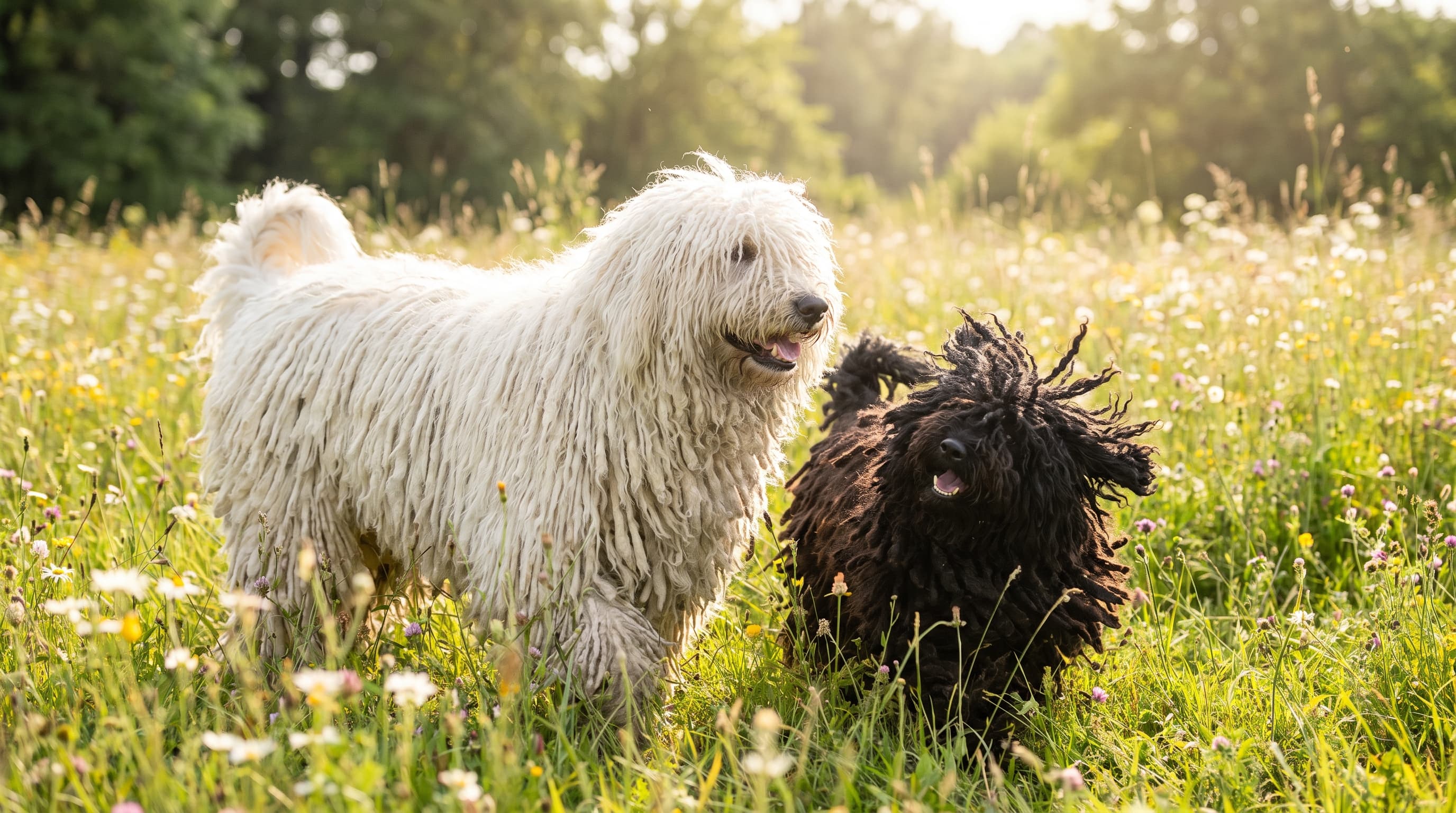

Dog With Dreads: 7 Corded-Coat Breeds and How to Care for Them
A dog with dreads has a naturally corded coat—dense hair that mats into rope-like cords for warmth and protection. The best known are the Komondor and Puli of Hungary, the Italian Bergamasco Sheepdog, the Spanish Water Dog, the Havanese, the corded Poodle, and the Barbet. Each needs specialized coat care rather than ordinary brushing.
What Is a Corded Coat?
A corded coat is one that naturally forms into tight, rope-like sections instead of lying flat or fluffing out. These cords are essentially organized, intentional mats: as the soft undercoat tangles with the coarser topcoat, it clumps into distinct strands that look strikingly like human dreadlocks. For the livestock-guarding breeds that developed this coat, the cords were functional armor, insulating against harsh weather and shielding the skin from predator bites. Today, that same coat makes these dogs some of the most instantly recognizable in the world.
It's worth clearing up a common misconception: a dog with dreads is not unkempt or neglected. A properly maintained corded coat is deliberately cultivated and requires more hands-on care than most owners expect—just a different kind than brushing.
The Breeds That Naturally Grow Dreads
Only a handful of breeds grow true cords. Here are the seven most associated with the dreadlocked look.
Komondor
The Komondor is the breed most people picture first—a massive white "mop dog" from Hungary. The American Kennel Club describes the Komondor as a powerfully large flock guardian covered in profuse white cords from head to tail. Those cords helped it blend in with sheep and fend off wolves. It's a serious working breed: independent, protective, and best suited to experienced owners.
Puli
Think of the Puli as the Komondor's smaller, springier cousin. Also Hungarian, the Puli is a compact, agile herder whose tight cords bounce as it moves. Per the AKC's Puli breed page, no other breed can be mistaken for it, thanks to that profuse, naturally occurring corded coat. Pulis are energetic, smart, and famously devoted to their families.
Bergamasco Sheepdog
The Bergamasco, from the Italian Alps, wears a slightly different version of the dreadlock coat. Instead of round cords, its hair forms flat, felted "flocks"—broad mats made of three coat types woven together. The AKC notes the Bergamasco is generally happy with kids and other animals, low-maintenance once the coat has set, and robustly healthy.
Spanish Water Dog
The Spanish Water Dog is a versatile herder and water retriever whose curly, wooly coat naturally forms cords with minimal intervention. Because the coat is never brushed out, it's often left to cord or clipped short for easy care. These athletic, biddable dogs are increasingly popular with active families.
Havanese (Corded)
The Havanese is best known for a silky, flowing coat, but the breed standard also permits a corded version. Cording a Havanese is a labor of love that takes patience as the fine coat separates into cords over many months. It's a striking, uncommon look on Cuba's national dog.
Poodle (Corded)
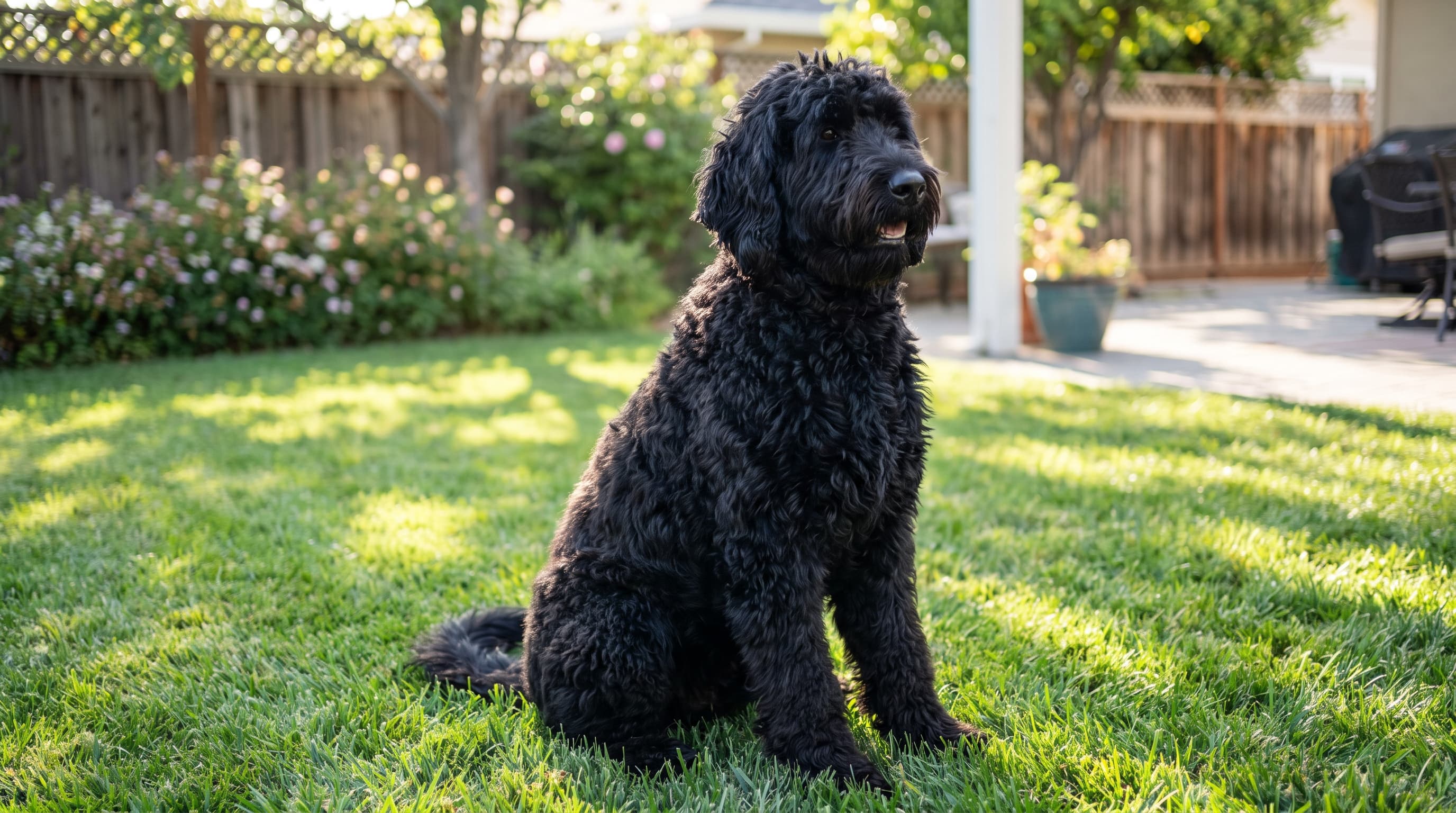
Most people know Poodles for their fluffy show trims, but the breed's dense, curly coat can also be corded. Unlike the natural mop breeds, a Poodle's cords must be encouraged and maintained by hand—they won't form on their own. It's a high-commitment style that turns heads. If you love the Poodle's coat but prefer a classic trim, see our guide to the black Poodle.
Barbet
The Barbet is a French water dog with a dense, wooly, curly coat that can form loose cords. Friendly and eager to please, the "mud dog" (a nod to its love of swampy retrieves) is rarer than the other breeds on this list but shares the same shaggy, low-shedding appeal.
How Do Dog Dreadlocks Form?
Cords develop as a puppy's soft undercoat grows in and begins to intertwine with the coarser adult topcoat. In the natural mop breeds, this usually starts between roughly eight and twelve months of age. Left to their own devices, the coats would clump into large, formless mats—so the owner's job is to gently separate that felting hair into defined cords by hand as it develops. From there, the cords lengthen over months and even years, which is why a fully corded Komondor can take several years to reach its iconic look, as Dogster's mop-dog guide explains.
Why Did Dogs Evolve Corded Coats?
The corded coat wasn't bred for looks—it was bred for survival on the job. Most of these breeds are ancient livestock guardians and herders that spent long days and nights outdoors in demanding climates. The dense, matted cords acted as insulation against cold, wind, and rain, and as padding that could blunt the teeth of a wolf or other predator lunging at a flock. For a Komondor working among sheep, the white cords even offered camouflage, letting the dog blend into the flock until it needed to strike.
That working heritage shapes more than the coat. Corded breeds tend to be intelligent, independent thinkers accustomed to making decisions on their own—traits that made them excellent guardians but can read as stubbornness in a modern home. Understanding where the coat came from helps explain why these dogs behave the way they do, and why the coat rewards owners who respect its original purpose with proper care.
Grooming a Dog With Dreads
Corded coats are low-shedding but far from low-effort, and the care routine looks nothing like brushing a typical dog. The grooming experts at Hepper stress that these coats demand consistent, hands-on maintenance to stay healthy.
- Separate, don't brush: As cords form, you split the felting hair by hand to keep cords distinct and prevent giant mats. Brushing a corded coat destroys the cords.
- Bathe carefully: Cords soak up water like a sponge and are slow to dry. A soaked coat that stays damp can develop mildew and skin problems.
- Dry thoroughly: Plan on a high-powered dryer or a long stretch of sunshine after every bath—air-drying alone can take a full day.
- Check the skin: Part the cords regularly to inspect for debris, parasites, and irritation hiding underneath.
Because this is such a specialized routine, many corded-breed owners work with a groomer experienced in cords—or clip the coat short for a lower-maintenance life. For general coat-care fundamentals, our DIY dog grooming guide and our broader grooming primer are good starting points before you take on a corded coat.
Is a Corded Breed Right for You?
A dog with dreads is a showstopper, but the coat is only part of the picture. Most of these breeds are working dogs—guardians and herders—with strong instincts, high intelligence, and real exercise needs. They tend to bond closely with their people and can be wary of strangers, which suits some households and overwhelms others.
Ask yourself honestly whether you have the time for the coat and the temperament for the dog. If you want the shaggy look with a gentler personality, a Bergamasco or a well-socialized Puli may fit family life more easily than a Komondor. Reviewing our roundup of the best dogs for families with kids can help you weigh temperament alongside that eye-catching coat.
Frequently Asked Questions
What is the dog that looks like it has dreadlocks?
The Komondor and the Puli are the two breeds most famous for looking like they have dreadlocks. Both are Hungarian working dogs with naturally corded white or dark coats. The Bergamasco Sheepdog, Spanish Water Dog, corded Poodle, and corded Havanese share the look as well.
Are dog dreadlocks natural or man-made?
It depends on the breed. In mop breeds like the Komondor and Puli, cords form naturally as the coat matures, though the owner must separate them by hand to keep them tidy. In breeds like the Poodle, cords must be deliberately created and maintained—they don't form on their own.
Do corded dogs shed?
Corded breeds are generally low-shedding, since loose hair gets trapped in the cords rather than falling out. That's a plus for allergy-conscious households, but it doesn't make the coat low-maintenance—the trapped hair and the cords still require regular care.
Are corded coats hard to take care of?
Yes, corded coats are labor-intensive. They can't be brushed, must be separated by hand as they form, soak up water and dry very slowly, and need regular skin checks underneath. Many owners rely on specialized groomers or keep the coat clipped short.
How long does it take for a dog's cords to form?
Cords typically begin forming between eight and twelve months of age in natural mop breeds, then continue to lengthen for months or years. A fully corded Komondor can take several years to reach its complete, floor-length look.
The Bottom Line
A dog with dreads is one of the most distinctive sights in the canine world, but that corded coat is a commitment, not a convenience. From the guardian-tempered Komondor to the bouncy Puli and the family-friendly Bergamasco, each corded breed pairs a striking look with real care needs and strong working instincts. Choose one because you love the whole dog—not just the dreadlocks.
Curious about more unique breeds and coat types? Check out our profile of the black Poodle and the low-shedding Bichon Frise, and subscribe to the Daily Wag newsletter for fresh breed guides in your inbox.