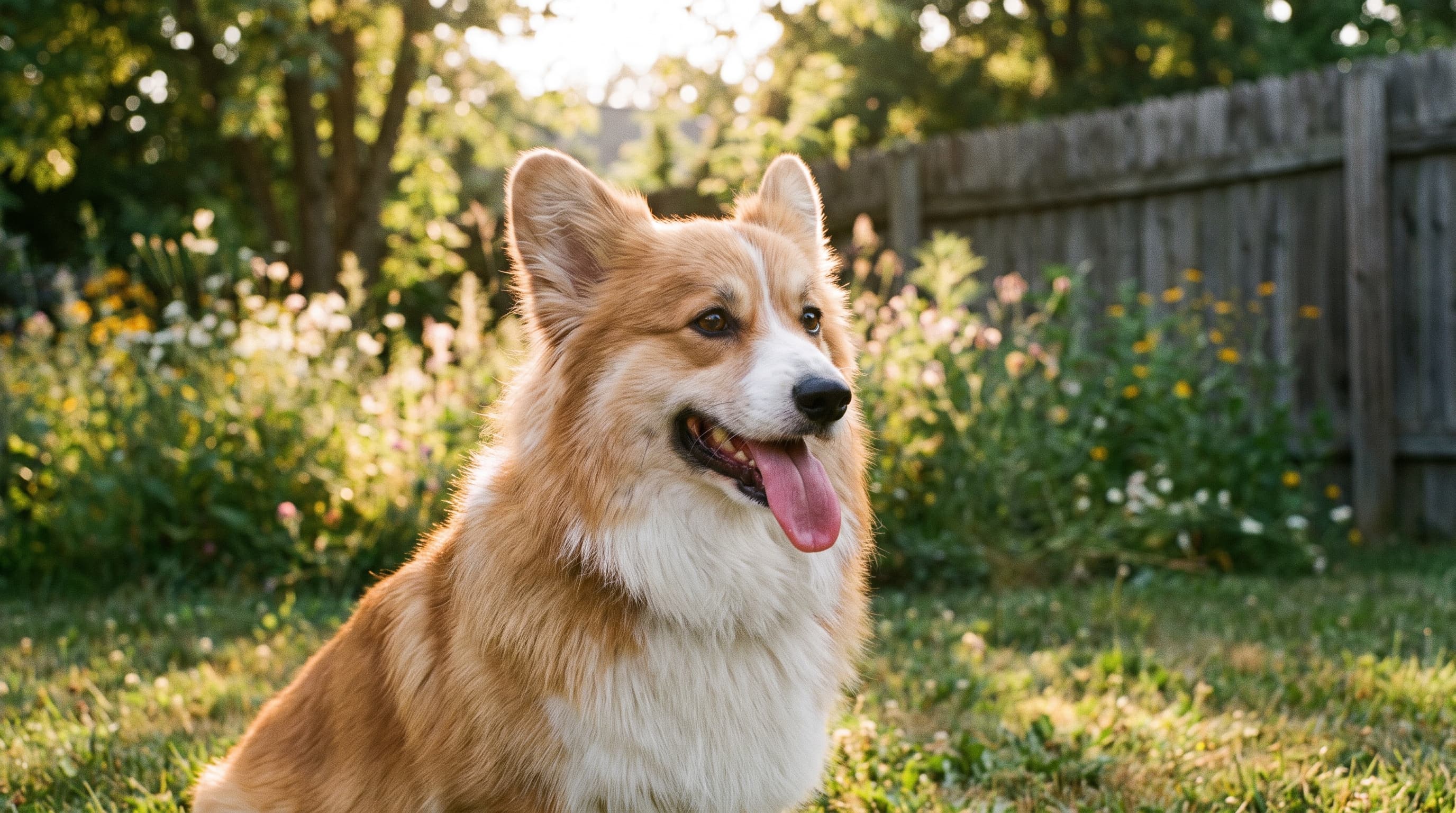

Are corgis hypoallergenic? No. Corgis are heavy, year-round shedders with a thick double coat, and they are not considered hypoallergenic or low-allergen. Dog allergies are triggered by proteins in dander, saliva, and urine — not the hair itself — and a shedding breed like the corgi spreads that dander widely. No corgi will be a safe choice for someone with a true dog allergy.
Are Corgis Hypoallergenic? The Short Answer
If you're hoping the Pembroke or Cardigan Welsh Corgi is a sneeze-free companion, the honest answer is that they're one of the worse choices for allergy sufferers. Corgis have a dense double coat built to shed water and insulate a hard-working herding dog, and that coat sheds constantly — with two heavy "coat blows" a year on top of the daily fur. As Dogster puts it bluntly, corgis "are neither low-shedding nor hypoallergenic."
That doesn't make them bad dogs — corgis are affectionate, smart, and endlessly charming. It just means that if allergies are your deciding factor, a corgi isn't the breed to bet on.
Why No Dog Is Truly Hypoallergenic
Here's the part that surprises many people: no dog is 100% hypoallergenic — not even poodles or doodles. The American Kennel Club is explicit that "no purebred dog, mixed-breed dog, or so-called designer dog can guarantee an allergy-free experience." The American College of Allergy, Asthma & Immunology (ACAAI) agrees that all dogs produce allergens and that truly hypoallergenic breeds don't exist, despite common claims.
The word "hypoallergenic" simply means "less likely to cause an allergic reaction" — not allergy-proof. Low-shedding breeds like poodles earn the label because they release less hair and dander into the environment, not because they're allergen-free. Corgis sit at the opposite end of that spectrum.
What Actually Causes Dog Allergies
Understanding the real trigger explains why the corgi's coat is such a problem. According to the ACAAI, dog allergens live in a dog's dander (dead skin flakes), saliva, and urine — specifically in proteins the dog's body produces. The fur itself isn't the allergen; it's a delivery vehicle. Hair carries dried saliva and dander around your home, onto furniture, and into the air you breathe.
The AKC notes that dander attached to pet hair causes most dog allergies in people, and that roughly 10–20% of people worldwide are affected by pet allergies. So the more a dog sheds, the more dander it distributes — which is exactly why a heavy shedder like the corgi tends to provoke more symptoms than a low-shedding breed.
How Much Do Corgis Shed?
A lot. Both the Pembroke and Cardigan Welsh Corgi carry a double coat: a soft, insulating undercoat beneath a coarser topcoat. That undercoat sheds steadily all year and then releases in large clumps during seasonal "coat blows," typically in spring and fall. During those weeks, many corgi owners describe brushing out what looks like an entire second dog.
The AKC classifies the Pembroke Welsh Corgi as an athletic, low-set herder bred for stamina — and that weatherproof coat is part of the package. Regular brushing (several times a week, daily during shedding season) helps capture loose fur before it lands on your floors, but it won't turn a corgi into a low-allergen dog. It simply moves some of the dander from your carpet to the brush.
Can You Live With a Corgi If You Have Allergies?
Maybe — it depends on how severe your allergy is. Some people with mild sensitivities manage well with diligent cleaning and medical guidance, while people with moderate to severe dog allergies usually struggle regardless of breed. If you're set on a corgi, spend extended time around one before committing, and talk to an allergist first. Evidence-based ways to reduce your exposure include:
- Bathe and brush regularly. Weekly baths can measurably lower airborne dog allergen, and brushing outdoors keeps loose dander out of the house.
- Use HEPA filtration. HEPA air purifiers and vacuum filters trap fine dander particles that ordinary filters miss.
- Make the bedroom a dog-free zone. Keeping your dog out of the room where you spend a third of your day gives your airways a break.
- Choose hard flooring and washable fabrics. Carpet and upholstery hold dander; hard floors and machine-washable covers are easier to keep allergen-light.
- Wash your hands and bedding often. Launder dog bedding and your own linens in hot water weekly.
- Consider immunotherapy. The ACAAI notes that allergy shots (immunotherapy) can build tolerance over time and are worth discussing with your allergist.
Because allergies are a human-health matter, this is one decision to make with a medical professional rather than a breed website. The ACAAI recommends getting properly tested before bringing home any dog, since your symptoms might stem from other environmental triggers entirely.
Truly Low-Allergen Breeds to Consider Instead
If shedding and dander are dealbreakers, look at breeds the AKC lists as better suited to allergy sufferers, such as poodles, bichon frises, Portuguese water dogs, Maltese, and certain terriers. These dogs shed less and release less dander — though, again, none are guaranteed allergy-free. It's still smart to meet the specific dog and test your reaction before adopting. You can compare a few popular options in our guides to whether Pomeranians are hypoallergenic and how different coat types affect allergen spread.
Frequently Asked Questions
Are Pembroke and Cardigan corgis different for allergies?
Not meaningfully. Both the Pembroke and Cardigan Welsh Corgi have thick double coats that shed heavily year-round, so neither is a better pick for allergy sufferers. The choice between them should come down to temperament and lifestyle fit, not allergies.
Do corgis shed all year or just seasonally?
Both. Corgis shed steadily throughout the year and then have two especially heavy shedding periods, usually in spring and fall, when they "blow" their undercoat. Expect daily vacuuming during those stretches.
Does shaving a corgi reduce allergens?
No, and it can harm them. Shaving a double-coated breed does not stop dander production and can permanently damage how the coat regrows and regulates temperature. Regular brushing and bathing are the safe ways to manage shedding.
Are any corgi mixes hypoallergenic?
Crossing a corgi with a poodle or other low-shedding breed can produce puppies that shed less, but coat type is unpredictable in mixed litters, and no mix is guaranteed hypoallergenic. Always spend time with an individual dog to test your reaction before adopting.
What is the most hypoallergenic dog breed?
There's no single winner, but poodles, bichon frises, Portuguese water dogs, and Maltese are among the breeds most often recommended for allergy sufferers because they shed little and spread less dander. None are 100% allergen-free.
Can I build up a tolerance to my corgi?
Some people notice symptoms ease over time, but you shouldn't count on it. If you want a lasting solution, ask your allergist about allergen immunotherapy, which is designed to gradually reduce sensitivity under medical supervision.
This article is for general information only and is not medical advice. Allergies are a health condition — if you or a family member reacts to dogs, consult a licensed allergist before adopting.
Still smitten with those short legs and big ears? Dive into our full breed guides on the Pembroke Welsh Corgi and the Cardigan Welsh Corgi to learn what life with one is really like — and subscribe to the Daily Wag newsletter for more breed deep-dives and dog-care answers every week.