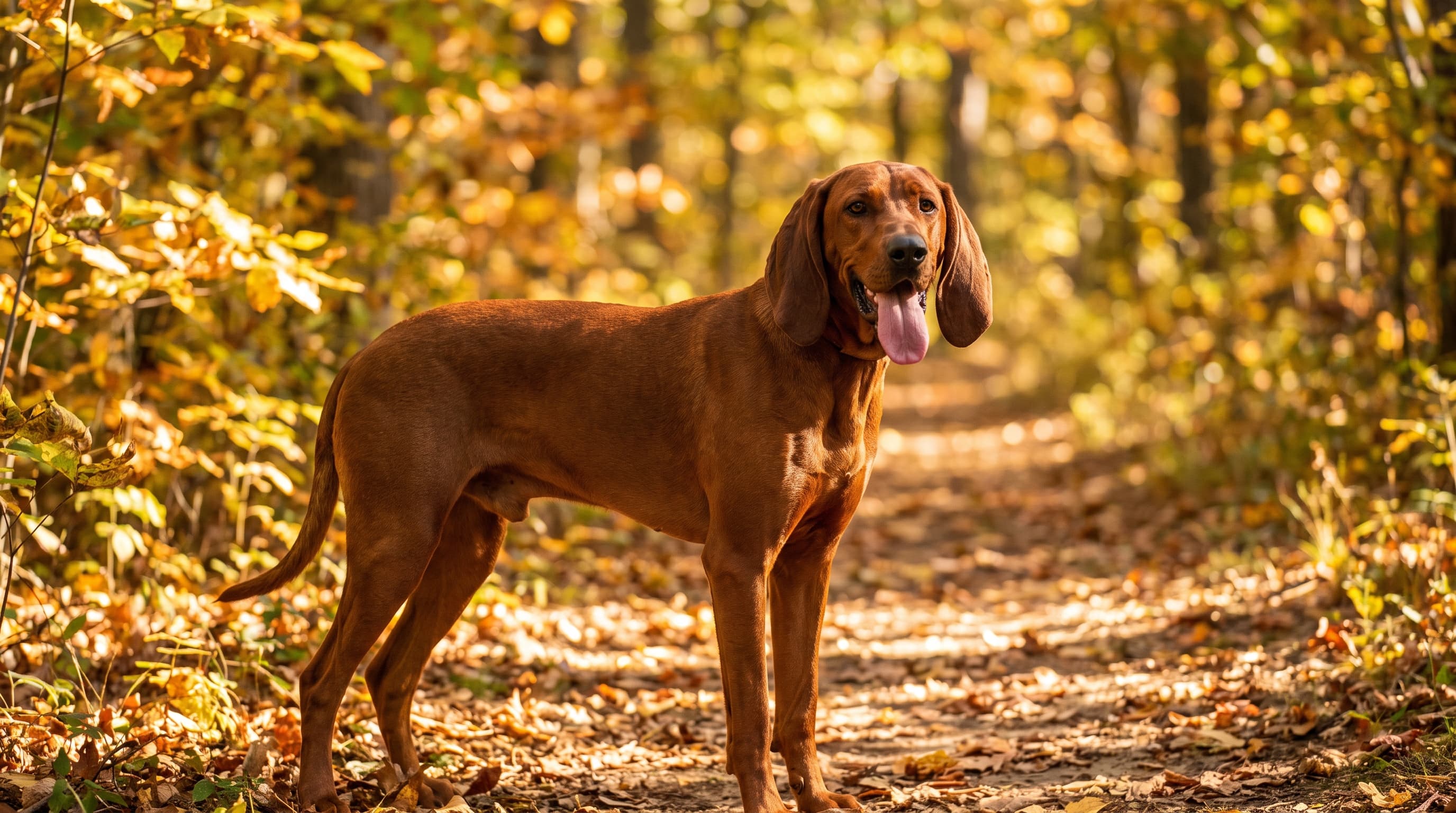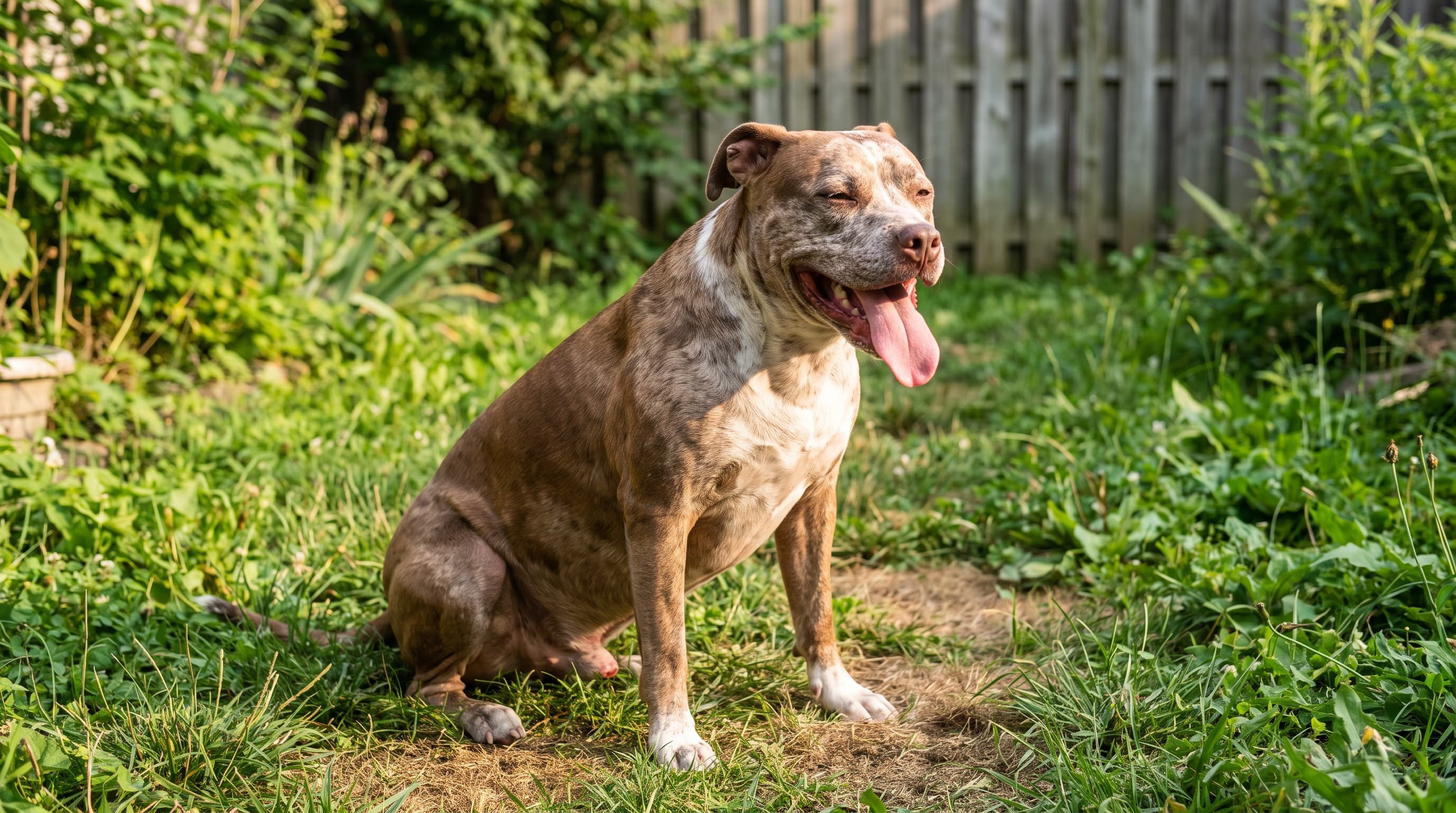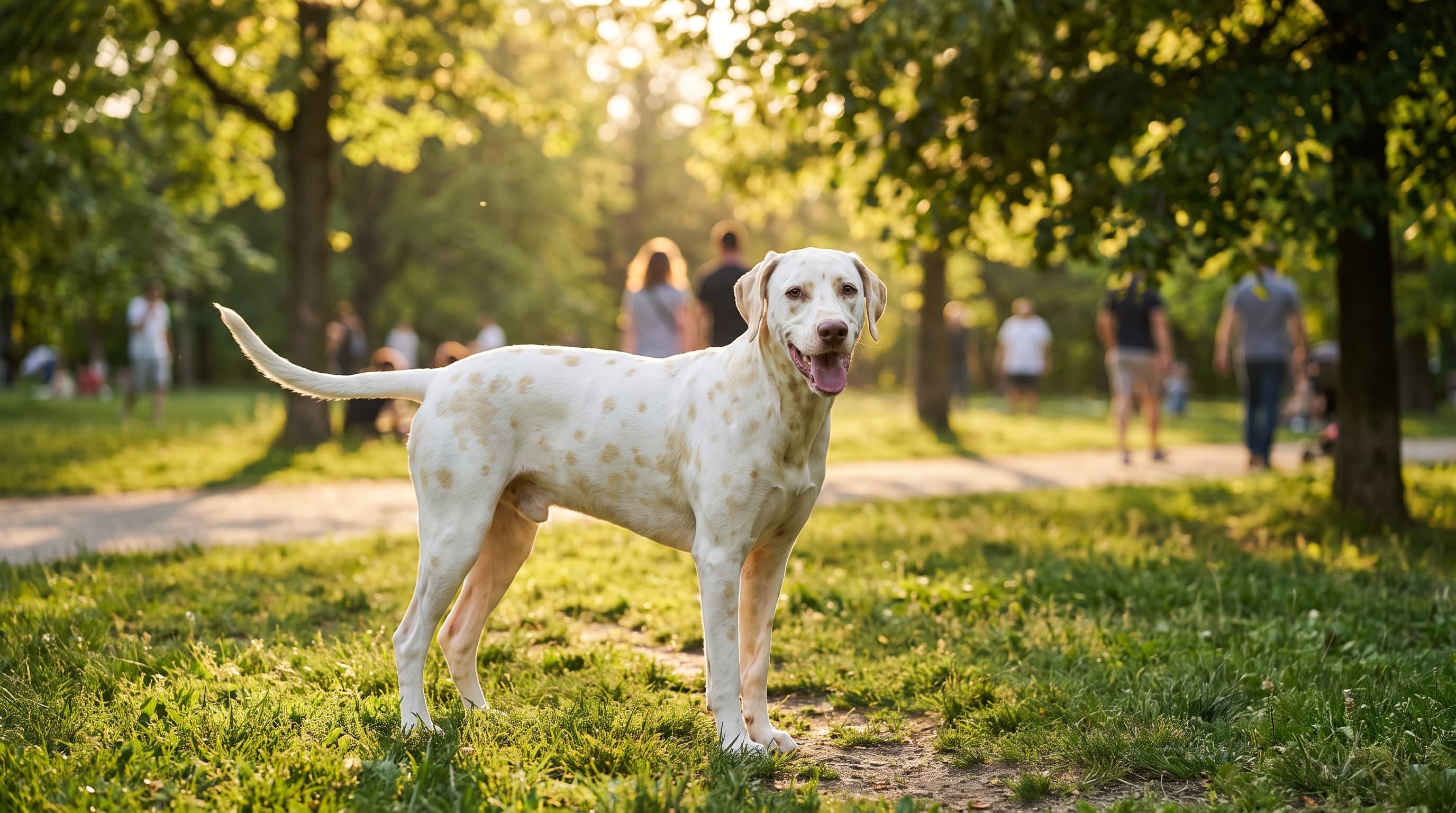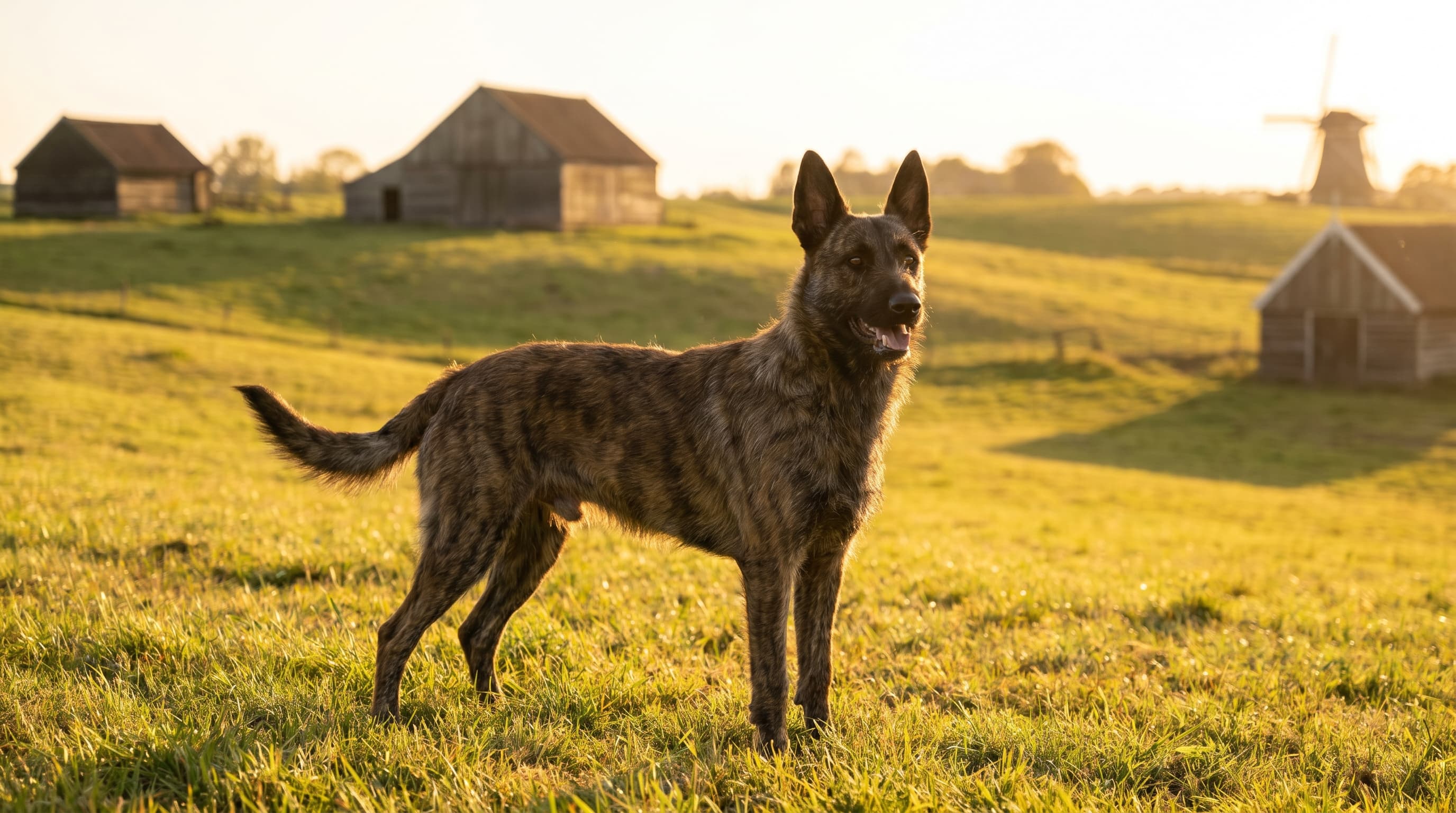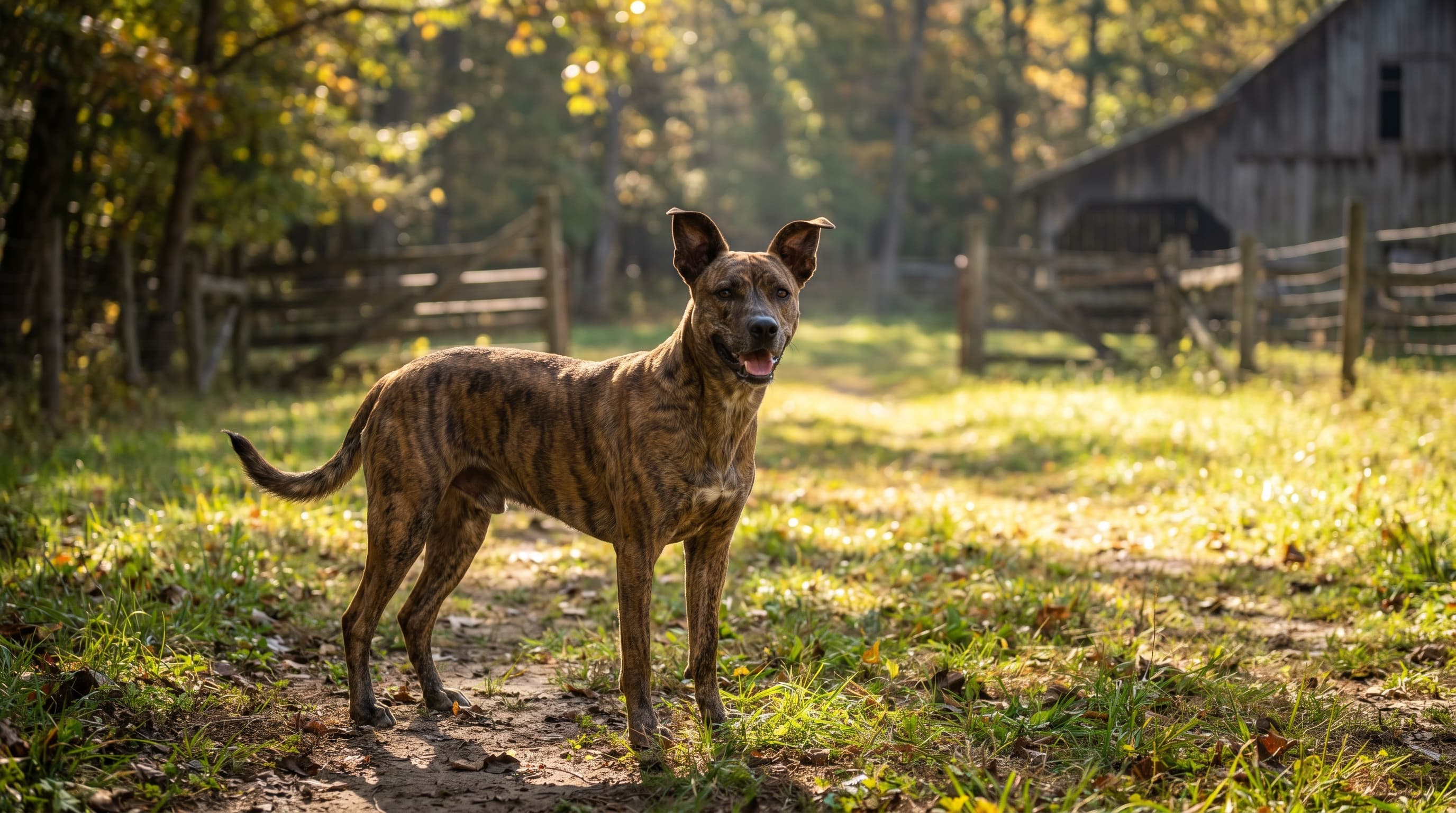

The Mountain Cur is a medium-sized American working dog bred in the Appalachian and Southern frontier to tree game, guard the homestead, and pull its weight on the farm. Standing 16–26 inches and weighing 30–60 pounds, it is intensely loyal, highly energetic, and intelligent — a rugged, low-maintenance companion that thrives with an active, hands-on owner.
What is a Mountain Cur?
The Mountain Cur is a type of treeing hound developed by settlers in the mountains of Kentucky, Tennessee, Virginia, and the broader Southeast. The word "cur" simply means a working dog of mixed or undocumented ancestry, and for generations these dogs were valued for what they could do rather than how they looked. According to the breed's history, pioneer families relied on Mountain Curs to tree squirrels and raccoons for food and fur, bay up larger game like wild boar and bear, herd livestock, and sound the alarm against intruders.
This is not a designer breed or a couch dog. The Mountain Cur is a purpose-built rural athlete with deep roots in American homesteading culture, and that working heritage still shapes everything about its temperament and needs today.
Mountain Cur appearance and coat
Mountain Curs are powerful, agile, and squarely built — roughly as long as they are tall, with a broad head, muscular shoulders, and a confident, athletic carriage. The United Kennel Club breed standard describes a versatile tree dog of medium size built for stamina over rough terrain.
The coat is short to medium, dense, and weather-resistant, with a soft undercoat that helps them work in cold mountain mornings and hot Southern afternoons alike. Common colors include brindle, yellow, black, blue, and brown, often with white or black markings. Some dogs carry a natural bobtail, while others have a full tail. Grooming needs are minimal — a weekly brush and the occasional bath keep them in good shape.
Mountain Cur temperament and personality
Mountain Curs are courageous, devoted, and deeply bonded to their families. They are protective without being indiscriminately aggressive, which historically made them excellent farm guardians. With people they know and have been socialized with, they are affectionate and gentle; with strangers and unfamiliar dogs, they can be reserved and watchful.
They are also highly intelligent and independent thinkers — a trait that served them well treeing game miles from the cabin, but one that means they can be strong-willed at home. Early, consistent socialization is essential. A well-raised Mountain Cur is a steady, trustworthy companion; an under-stimulated or poorly socialized one can become destructive or overly territorial.
Exercise and training needs
If you take away one fact about this breed, make it this: the Mountain Cur needs a job and a lot of exercise. These dogs were bred to run all day, and a quick walk around the block will not satisfy them. Plan on at least 60–90 minutes of vigorous daily activity — hiking, running, scent work, fetch, or actual hunting and farm work. They make outstanding partners for active rural households, much like the breeds covered in our guide to the best dog breeds for a rural homestead or farm.
Training a Mountain Cur is rewarding because they are quick learners who genuinely want a purpose, but their independence means you need to be consistent, fair, and motivating. Positive reinforcement works far better than heavy-handed correction. Channel their drive into structured activities and you will have a brilliant working partner; leave them bored in a small yard and you will have an escape artist with a loud, persistent bark.
Mountain Cur health and lifespan
The Mountain Cur is generally a hardy, robust breed with a typical lifespan of 12–16 years — a benefit of its working background and broad genetic base rather than narrow show breeding. The breed overview from Embark notes the Mountain Cur is largely free of the inherited disorders that plague many popular purebreds.
That said, no dog is risk-free. Owners should watch for ear infections (active outdoor dogs collect debris and moisture in the ears), minor cuts and abrasions from rough terrain, and the usual large-breed concerns like joint wear as dogs age. Keep vaccinations and parasite prevention current, especially given how much time these dogs spend outdoors. This is general information only — always consult your veterinarian for guidance specific to your dog.
Is the Mountain Cur recognized as a breed?
The Mountain Cur is recognized by the United Kennel Club, which granted recognition on November 1, 1998, and by several specialty registries such as the Original Mountain Cur Breeders of America, founded in 1957 to preserve the breed after its numbers fell during the rural-to-urban migration of the mid-20th century. It is documented in the American Kennel Club's breed listings but is not part of the AKC's fully recognized stud book.
Several related American cur and "stock" strains descend from the same working stock, including the Stephens Stock line. If you love the type, you will likely also appreciate close cousins like the Black Mouth Cur and the Catahoula Leopard Dog.
Is a Mountain Cur right for you?
A Mountain Cur is an outstanding choice for an active, experienced owner with space, time, and a genuine outlet for a high-drive working dog — a rural property, a hunting hobby, a trail-running habit, or all three. They bond hard, work tirelessly, and ask for very little grooming or fuss.
They are a poor fit for apartment living, first-time owners who want an easygoing pet, or anyone away from home for long stretches. If your lifestyle matches their energy, though, few breeds offer the same blend of loyalty, brains, and old-fashioned American grit. For comparison shopping among other driven working breeds, see our profiles on the Bluetick Coonhound and the Australian Cattle Dog.
Frequently asked questions
Are Mountain Curs good family dogs?
Yes, with the right home. Properly socialized Mountain Curs are loyal and affectionate with their families and can be very good with children they are raised alongside. Their protective instincts and high energy mean they do best with active families who can supervise interactions and provide plenty of exercise.
How big do Mountain Curs get?
Mountain Curs are medium-sized dogs, typically standing 16–26 inches at the shoulder and weighing 30–60 pounds, with males generally larger than females.
Do Mountain Curs bark a lot?
They can be vocal, especially when alerting to something unfamiliar or when treeing prey — barking the alarm is part of their working heritage. Consistent training and adequate exercise help keep nuisance barking in check.
Are Mountain Curs easy to train?
They are intelligent and eager to work, which makes them quick learners, but they are also independent and strong-willed. Consistent, positive, reward-based training from puppyhood produces the best results.
How much does a Mountain Cur cost?
Mountain Curs are relatively affordable, often ranging from about $300 to $800 from working-line breeders, reflecting their status as a practical working dog rather than a show or designer breed. Adoption through breed-specific rescues can cost less.
Do Mountain Curs shed?
They shed moderately year-round with a seasonal uptick, but their short, dense coat is low-maintenance and needs only weekly brushing and occasional baths.
Bring home the right working dog
If the Mountain Cur's drive and loyalty appeal to you, explore two close relatives before you decide: our complete guides to the Black Mouth Cur and the Catahoula Leopard Dog. Both share the Mountain Cur's rugged American working roots and may suit your home and lifestyle.
Want more breed deep-dives, training tips, and dog news delivered to your inbox? Subscribe to the Daily Wag newsletter and never miss a post.