
The Dutch Shepherd is a medium-to-large herding dog from the Netherlands prized for its intelligence, athleticism, and almost unnerving loyalty. Adults stand about 21.5–24.5 inches tall, weigh 42–75 pounds, live 11–14 years, and wear a signature brindle coat in short, long, or rough varieties. They thrive with active owners and demanding daily jobs.
What is a Dutch Shepherd?
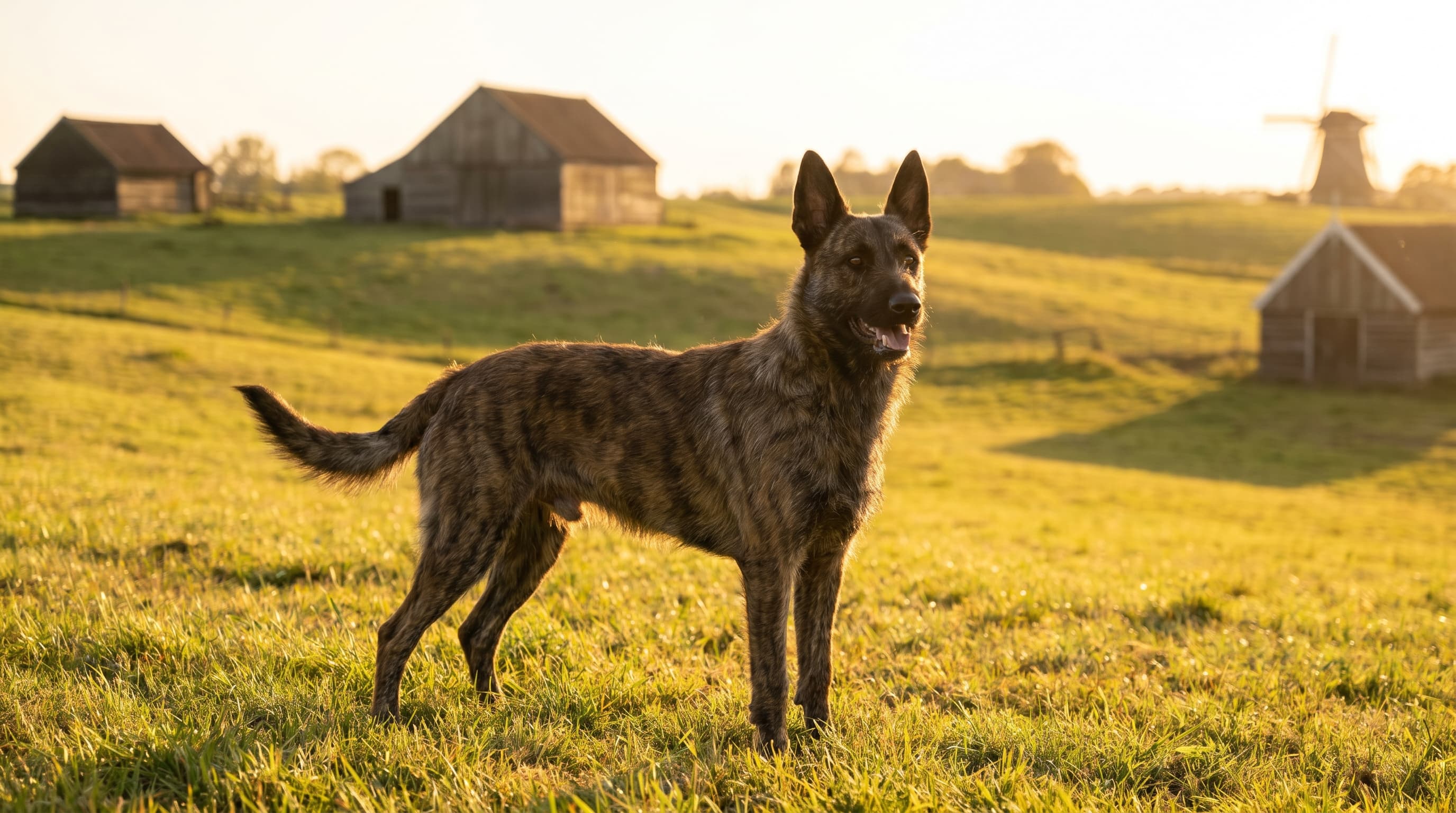
The Dutch Shepherd (in Dutch, Hollandse Herdershond) began as an all-purpose farm dog in the southern Netherlands during the 1800s, herding sheep, guarding property, and pulling carts. As farmland gave way to development, the breed nearly vanished, but dedicated fanciers preserved it. Today it is one of the rarer shepherd breeds you'll meet on a walk, but its working ability rivals the better-known German Shepherd and Belgian Malinois. According to DogTime, the breed's endurance and trainability make it a favorite for police, military, and search-and-rescue work.
What sets the Dutch Shepherd apart from other herders is its hardy, low-fuss constitution. Generations of farm work selected for a dog that stayed healthy on simple food, worked all day, and made independent decisions in the field. That history still shapes the dog sitting on your couch.
Dutch Shepherd temperament: what to expect
Dutch Shepherds are alert, affectionate with their families, and deeply bonded to their people. PetMD describes them as loyal, lively, and eager to please, while also being naturally watchful of strangers. They are not aloof or aggressive by default, but they take their guardian role seriously and need early socialization to learn the difference between "normal visitor" and "genuine threat."
Expect a dog that wants to be involved in everything you do. Left alone for long hours without a job, a Dutch Shepherd will invent one — usually involving your fence line, your shoes, or a hole in the yard. They tend to be excellent with children they're raised with, and many get along with other dogs when properly socialized, much like a well-rounded Australian Shepherd.
Coat varieties and colors
The breed standard recognizes three coat types, and this is one of the Dutch Shepherd's most distinctive features:
- Short-haired: The most common variety — a dense, weather-resistant coat that sheds seasonally.
- Long-haired: A longer, flat coat that needs more regular brushing.
- Rough-haired (wire-haired): A dense, tousled coat that requires occasional hand-stripping and is the rarest of the three.
All three varieties share the breed's hallmark brindle coloring — gold or silver brindle streaked over a dark base. As Wisdom Panel notes, this brindle pattern is the easiest way to distinguish a Dutch Shepherd from a similar-looking Belgian Malinois, which is typically solid fawn.
Exercise and mental stimulation needs
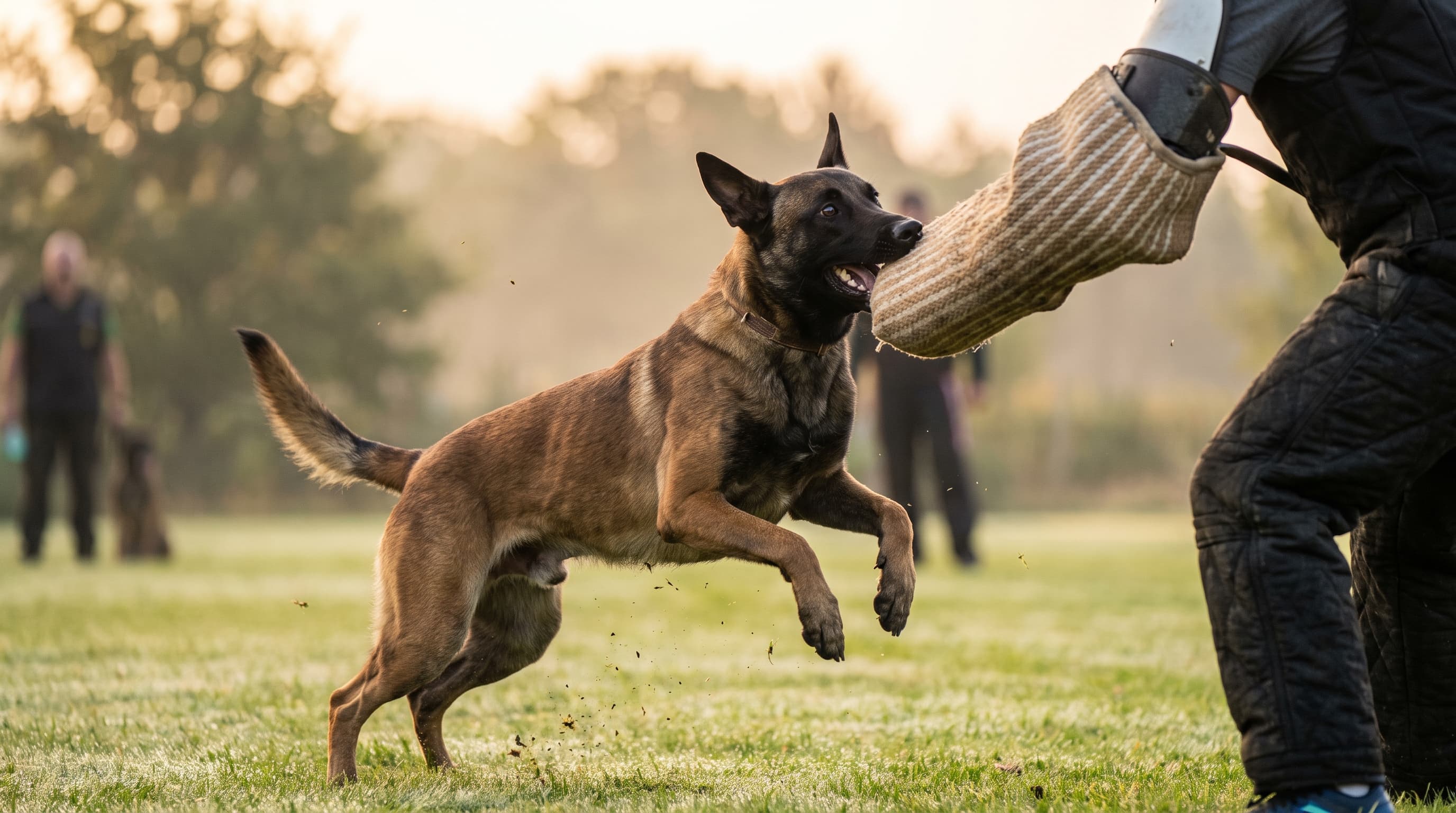
This is the single most important thing to understand before bringing one home: a Dutch Shepherd needs one to two hours of vigorous activity every day, plus mental work. A leisurely stroll around the block will not cut it. These dogs excel at dog sports — agility, obedience, protection sports like IPO, herding trials, and scent work all give them an outlet.
Mental stimulation matters as much as physical exercise. Puzzle feeders, training sessions, and tasks that ask the dog to think will tire a Dutch Shepherd faster than a long run. A bored Dutch Shepherd is a destructive Dutch Shepherd, so build enrichment into the daily routine. If your lifestyle is more "Netflix and slippers" than "trail run at dawn," this is probably not your breed.
Training a Dutch Shepherd
Few breeds are as rewarding to train. Dutch Shepherds learn quickly, retain commands, and genuinely enjoy working with their handler. Betterpet emphasizes that positive, reward-based methods work best — these dogs are sensitive and respond poorly to harsh corrections. Their independent, decision-making heritage means they can also be a touch stubborn, so consistency is key.
Start socialization and basic obedience in puppyhood. Because the breed is so capable, first-time dog owners sometimes underestimate how much structure these dogs need; an under-stimulated, under-trained Dutch Shepherd can become reactive. Channel that drive early and you'll have one of the most responsive companions in the dog world, comparable to a well-trained German Shepherd.
Health and lifespan
The Dutch Shepherd is considered one of the healthier purebred dogs, largely thanks to its working-farm origins and relatively small, function-focused gene pool. Most live 11 to 14 years. That said, prospective owners should be aware of a few conditions seen in the breed, including hip and elbow dysplasia, and a breed-specific muscle disorder called inflammatory myopathy seen mainly in the rough-haired variety. Responsible breeders screen breeding stock for hip and eye issues.
This is general information, not veterinary advice. Ask your veterinarian about appropriate health screening for any puppy, and buy only from breeders who provide health-test results for the parents.
Is a Dutch Shepherd right for you?
A Dutch Shepherd thrives with an active, experienced owner who can provide a job, daily exercise, and consistent training. They suit homes with secure yards, dog-sport enthusiasts, and working handlers. They are a poor fit for sedentary households, owners who are away long hours, or anyone wanting a low-maintenance first dog. Puppies typically cost $1,000–$2,000 from a reputable breeder, though rescue is sometimes an option.
Frequently asked questions
Are Dutch Shepherds good family dogs?
Yes, with the right family. They are affectionate and protective with their people and good with children they're raised alongside. They need an active household that can meet their high exercise and training needs.
What's the difference between a Dutch Shepherd and a Belgian Malinois?
They share a similar build and working drive, but the Dutch Shepherd's brindle coat is the giveaway — Malinois are usually solid fawn with a black mask. Dutch Shepherds are also often described as slightly more easygoing at home.
Do Dutch Shepherds shed a lot?
The short- and long-haired varieties shed year-round and more heavily during seasonal coat changes. Weekly brushing (more during shedding season) keeps it manageable. The rough-haired variety sheds less but needs hand-stripping.
Are Dutch Shepherds aggressive?
No, not inherently. They are protective and watchful, but a well-socialized, well-trained Dutch Shepherd is stable and discerning. Aggression usually stems from lack of socialization, training, or appropriate outlets for their drive.
Can Dutch Shepherds live in apartments?
It's challenging but possible for a committed owner who provides several hours of daily exercise and mental work outside the home. A house with a secure yard is a much better fit for this high-energy breed.
How much does a Dutch Shepherd cost?
Expect roughly $1,000–$2,000 for a well-bred puppy, with working-line dogs sometimes costing more. Factor in ongoing costs for food, training, and veterinary care across an 11–14 year lifespan.
The bottom line
The Dutch Shepherd is a brilliant, athletic, devoted dog for the right owner — and a recipe for frustration for the wrong one. If you can match its energy and give it a job, few breeds will reward you more. Still researching working breeds? Compare it with our guides to the German Shepherd and the Belgian Malinois before you decide. And to get smart, vet-informed dog content in your inbox, subscribe to the Daily Wag newsletter.