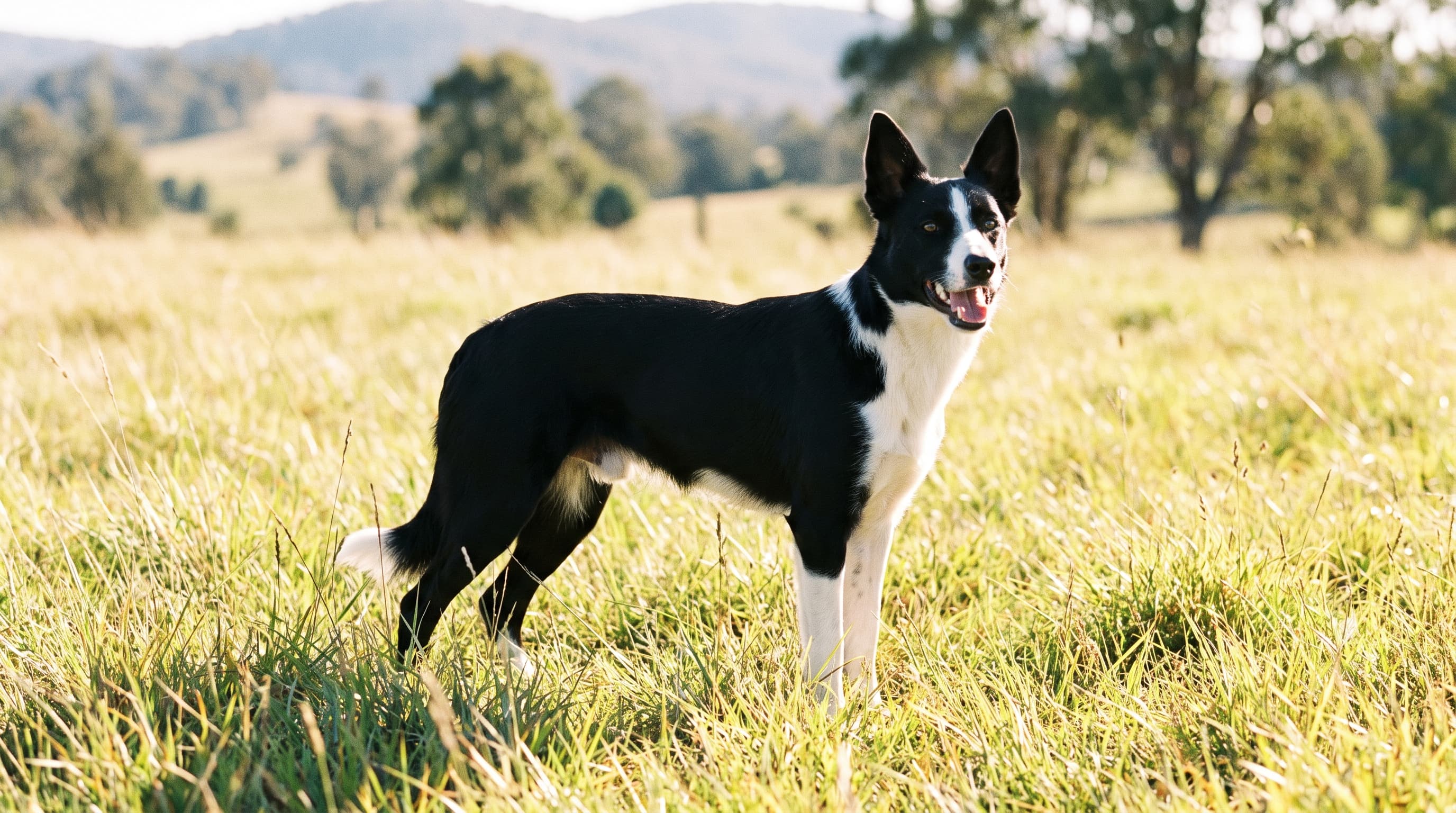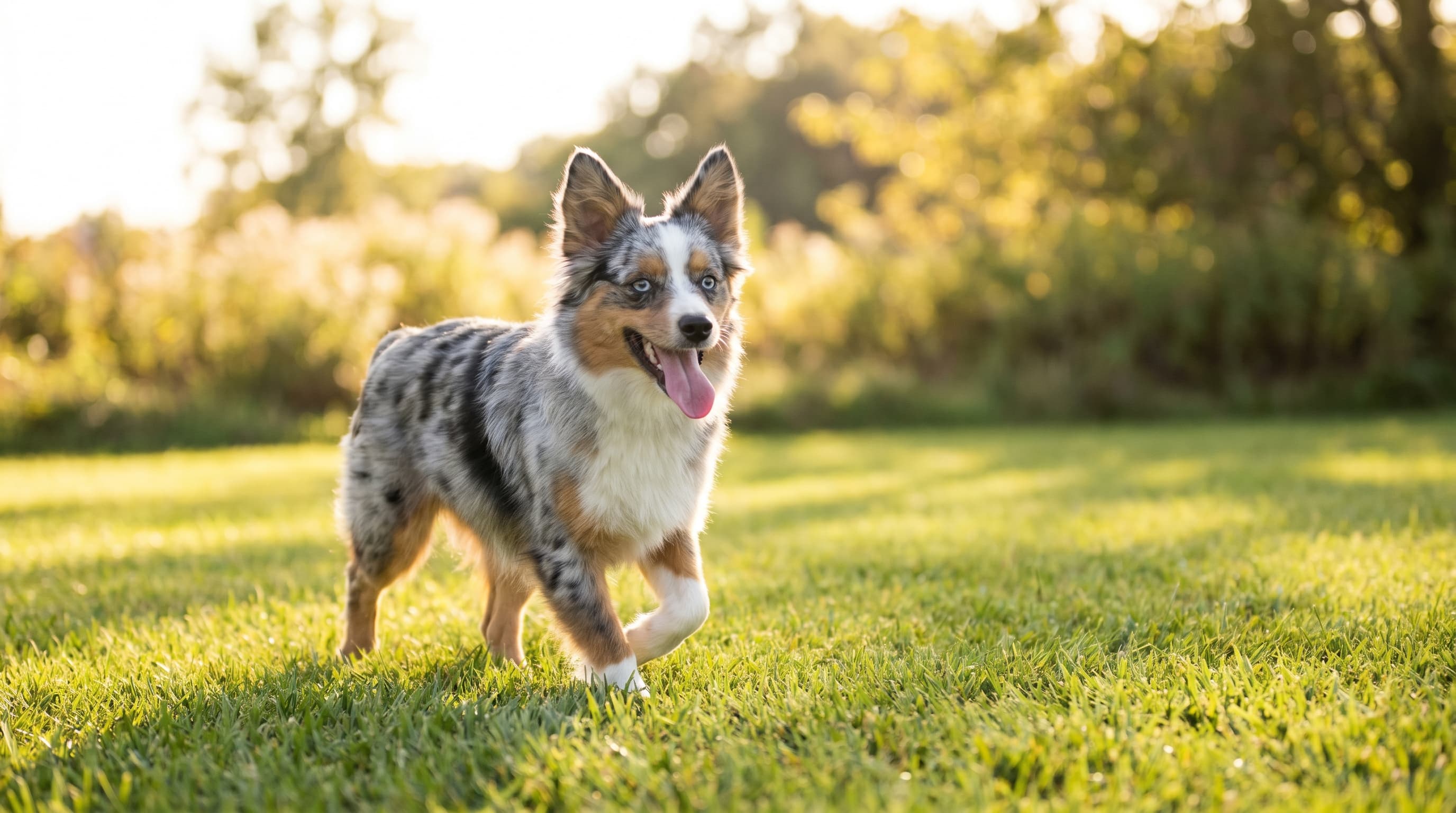

A toy Aussie is a miniaturized version of the Australian Shepherd, standing roughly 10 to 14 inches tall and weighing about 12 to 17 pounds. Despite the "Australian" name, the breed was developed entirely in the United States. Toy Aussies pack the full-sized Aussie's intelligence, herding drive, and velcro loyalty into a small, apartment-friendlier body—but they need just as much exercise and mental work.
What Is a Toy Australian Shepherd?
The toy Australian Shepherd is the smallest of three size variations of the Aussie, sitting below the standard Australian Shepherd and the miniature (now recognized by the AKC as the Miniature American Shepherd). Breeders created these smaller Aussies in the United States during the 1960s and 1970s by selectively breeding the smallest standard Australian Shepherds, according to breed-history records.
It is important to understand what a toy Aussie is not: it is not a separate AKC-recognized breed, and it is not a cross with another small dog. A true toy Aussie is simply a downsized Australian Shepherd. That distinction matters when you are shopping, because the "toy" and "teacup" labels are sometimes used loosely by less reputable breeders to market undersized or unhealthy puppies at premium prices.
Toy Aussie Size, Appearance, and Coat
Most toy Aussies mature at 10–14 inches at the shoulder and 12–17 pounds, though there is meaningful variation between breeders and litters. They look like a shrunken standard Aussie: a sturdy, slightly longer-than-tall frame, expressive almond-shaped eyes, and a medium-length double coat that can be straight or wavy.
Coat colors are one of the breed's biggest draws. You will find the classic blue merle (mottled gray, black, and white), red merle, solid black, and red, often with white and copper (tan) trim points. Many toy Aussies have striking blue, amber, or "split" heterochromatic eyes. As breed profiles note, the merle coat is beautiful but carries a genetic caveat: breeding two merle dogs together ("double merle") dramatically raises the risk of deafness and blindness, so responsible breeders never do it.
Toy Aussie Temperament and Personality
Toy Aussies are affectionate, lively, and extraordinarily smart. The breed is frequently described as a "velcro dog"—it wants to be wherever you are, involved in whatever you are doing. They bond intensely with their families, are eager to please, and thrive when given a job, whether that is agility, obedience, trick training, or canine sports.
That brilliance comes with a catch. Like their full-sized cousins and close relatives the Border Collie, toy Aussies have a strong herding instinct. Without an outlet they may try to herd children, other pets, or even your ankles, sometimes with a nip at the heels. They can also become vocal and develop nuisance behaviors—barking, digging, escape attempts—when they are bored or under-stimulated. As trainers point out, a tired toy Aussie is a well-behaved toy Aussie.
Are Toy Aussies Good Apartment Dogs?
This is the question that draws most people to the size in the first place, and the answer is a qualified yes. Their small footprint genuinely makes toy Aussies easier to keep in a condo or apartment than a 55-pound standard Aussie. But square footage is not the limiting factor—exercise is. A toy Aussie that gets 60-plus minutes of real activity plus daily mental enrichment can be a wonderful apartment companion. One that is left alone for long hours with nothing to do will likely bark, chew, and unravel.
If you are an apartment dweller set on this breed, plan for two solid walks, a training or puzzle session, and some off-leash running each day. Our roundup of the best dogs for apartments can help you sanity-check whether your lifestyle truly fits a high-drive herding dog.
Exercise, Training, and Mental Stimulation
Toy Aussies are among the most trainable dogs you will ever meet, regularly mastering complex trick chains and excelling in agility and rally. Use positive, reward-based methods and keep sessions short and varied to hold their interest. Start socialization early—introduce puppies to new people, dogs, sounds, and surfaces—to head off the wariness with strangers that some Aussies show.
Physically, aim for at least an hour of vigorous activity daily, split into multiple sessions. Fetch, flirt poles, structured walks, hiking, and dog sports all work well. Just as important is mental exercise: food puzzles, scent games, "find it" searches, and training drills tire a smart dog faster than a long walk alone. Because they share so much DNA and drive with herders like the Aussie Corgi, the same enrichment-first philosophy applies.
Toy Aussie Health and Lifespan
Toy Aussies typically live 12 to 15 years. Downsizing a breed can concentrate genetic problems if breeders prioritize size over health, so working with a responsible breeder who screens their stock is the single most important thing you can do. Conditions seen in the Australian Shepherd family include the MDR1 gene mutation, which causes sensitivity to certain common medications and which a simple DNA test can identify; hereditary eye disorders such as Collie Eye Anomaly and progressive retinal atrophy; hip dysplasia and luxating patellas; and epilepsy.
Ask any breeder for documentation of health and eye testing on both parents, and confirm they are not breeding two merles together. This is general information only and is not a substitute for veterinary advice—talk to your own veterinarian about screening and preventive care for your individual dog. For perspective on how breed choice affects long-term costs, our guide on whether you really need pet insurance is a useful read.
Toy Aussie vs. Mini Aussie: What's the Difference?
The terms get used interchangeably, but there is a real distinction. The miniature Australian Shepherd generally stands 14–18 inches and is now AKC-recognized as the Miniature American Shepherd. The toy is smaller still—under about 14 inches—and is recognized by smaller registries rather than the AKC. Both descend from standard Australian Shepherds, and both share the same temperament and exercise needs. If a breeder advertises a "teacup Aussie," be skeptical: extreme undersizing is a marketing term, not a healthy breeding goal.
Frequently Asked Questions
How big does a toy Aussie get?
Most toy Australian Shepherds reach 10–14 inches tall and 12–17 pounds when fully grown, though sizes vary between breeders.
Are toy Aussies good with kids?
Yes, they are typically gentle and patient with children, but their herding instinct can lead to nipping at heels. Early training and supervision around young kids are recommended.
Do toy Aussies bark a lot?
They can be vocal, especially when bored or under-exercised. Adequate physical and mental stimulation, plus early training, keeps barking manageable.
How long do toy Aussies live?
With good care and responsible breeding, toy Australian Shepherds usually live 12 to 15 years.
Are toy Aussies hypoallergenic?
No. Toy Aussies have a double coat and shed year-round, with heavier seasonal sheds. They are not a good fit for people with dog allergies.
Is a toy Aussie a recognized breed?
The toy size is recognized by some smaller registries but not by the American Kennel Club, which recognizes the standard Australian Shepherd and the Miniature American Shepherd.
Is a Toy Aussie Right for You?
A toy Aussie is a brilliant, devoted, endlessly entertaining companion for an active person or family willing to meet its considerable exercise and enrichment needs. It is a poor fit for anyone wanting a low-maintenance lap dog or expecting "small" to mean "low energy." If you can offer daily activity, training, and companionship, few breeds will reward you more.
Curious how the toy stacks up against its bigger relatives? Read our full Australian Shepherd breed guide and our profile of the popular Aussiedoodle to compare. And for a smart dog story in your inbox every morning, subscribe to the Daily Wag newsletter.