
Throwback Pomeranian: The Larger, Old-Style Pom Explained
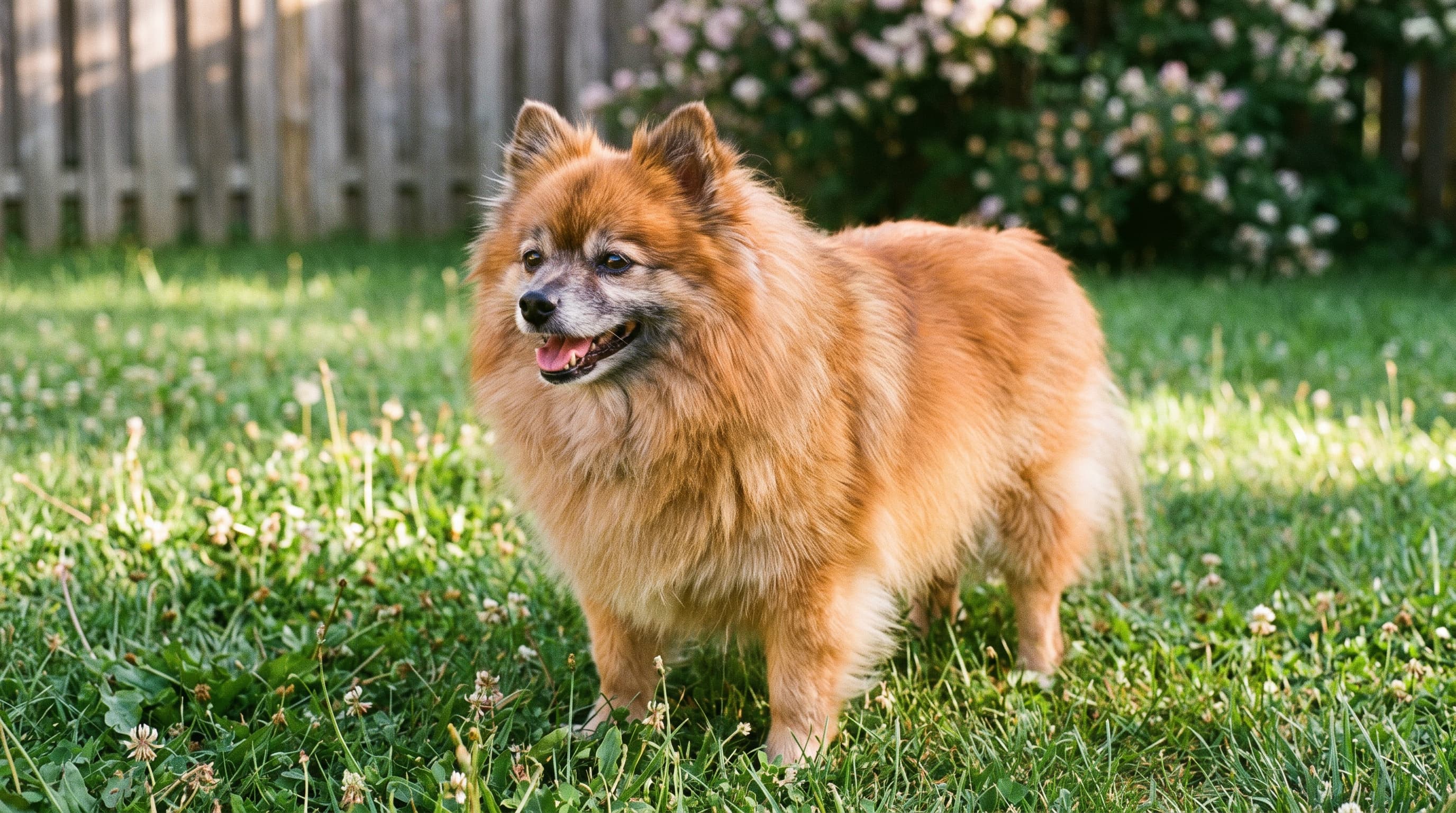
A throwback Pomeranian is a purebred Pomeranian that grows noticeably larger than the breed standard — typically 10–20 pounds instead of the usual 3–7 — with a longer muzzle, bigger ears, and a more moderate coat that recall the breed's Spitz sled-dog ancestors. It is not a separate breed, mix, or teacup opposite, just a bigger, classic-looking Pom.
What Is a Throwback Pomeranian?
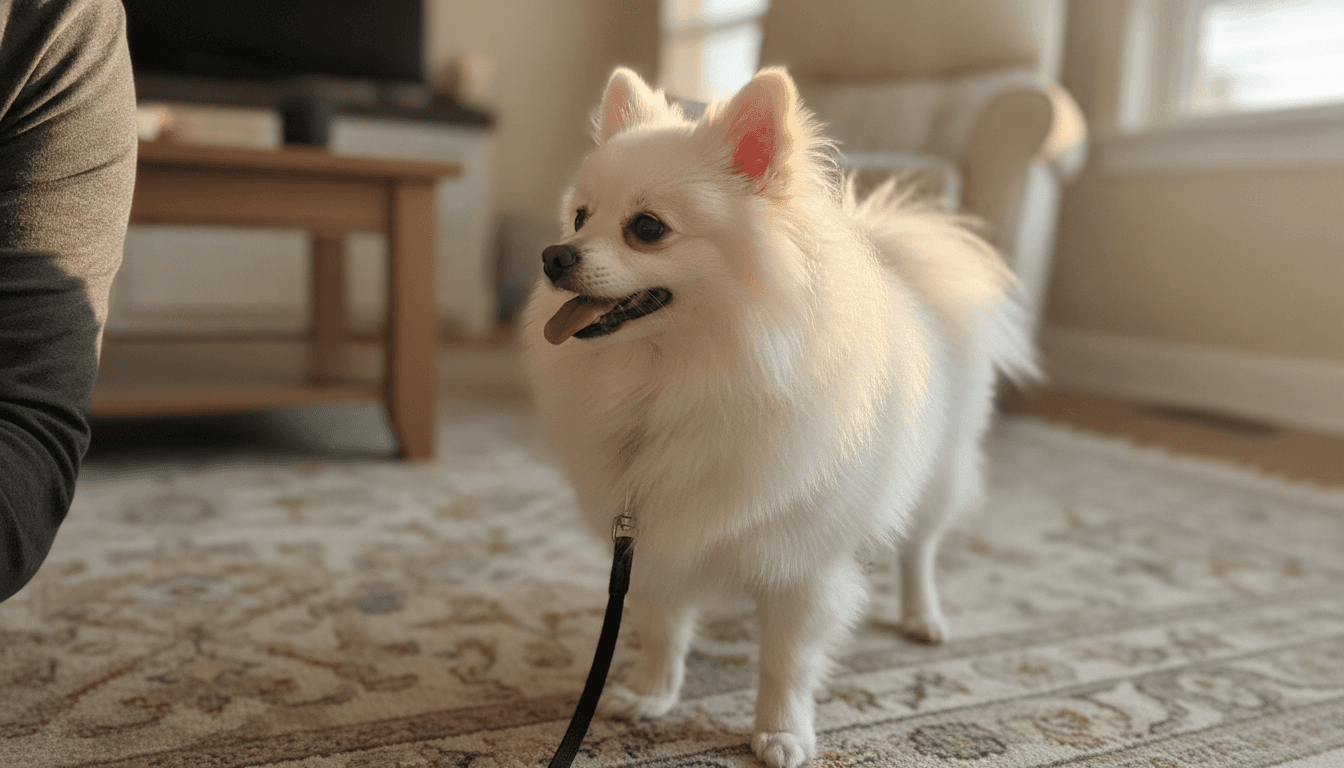
The term "throwback Pomeranian" (sometimes called an "old-style" or "classic" Pomeranian) describes a fully purebred Pom that "throws back" to the larger dogs the breed descended from. Instead of the tiny, cotton-ball show Pom most people picture, a throwback is a sturdier, foxier dog that can weigh two to four times as much. According to Dogster, these dogs commonly land in the 14–18 pound range, though individuals vary widely from roughly 8 to 20+ pounds.
Crucially, a throwback is not a designer crossbreed and not a different breed — both parents are registered Pomeranians. It simply carries genes for a larger, less exaggerated body type. As Pomeranian.org emphasizes, a true throwback is a purebred Pom that grows significantly larger than the size described in the official breed standard, not a poorly bred "oversized" accident — though the two are often confused.
Why Are Some Pomeranians Bigger? A Quick History
To understand throwbacks, you have to rewind a couple of centuries. The Pomeranian is a member of the Spitz family and descends from large working sled dogs from the Pomerania region of what is now Poland and Germany. Those ancestors weighed 20–30 pounds or more and had longer muzzles, stronger bone, and less extreme coats.
During the Victorian era, Queen Victoria fell in love with a smaller Pomeranian named Marco and began breeding for reduced size. Other breeders followed, and over a few generations the breed shrank into the toy companion we know today — ideally just 3–7 pounds per the American Kennel Club. But the genes for larger size never disappeared. Every so often, two standard-sized Poms produce a puppy that grows to that older, bigger blueprint — a living echo of the breed's sled-dog roots.
Throwback Pomeranian Size and Appearance
Size is the headline difference, but it isn't the only one. Compared with a modern show Pom, a throwback Pomeranian typically has:
- Greater weight and height — often 10–20 pounds and standing taller, versus 3–7 pounds for the standard, per DogPack.
- A longer, more fox-like muzzle rather than the ultra-short, "baby-doll" face.
- Larger ears and a less rounded head, giving a more wolfish, spitz silhouette.
- A more moderate coat — still a fluffy double coat, but usually with less of the extreme, powder-puff volume seen in the show ring.
- Sturdier bone and longer legs, producing a more athletic, robust frame.
Coat colors are the same rainbow the breed is known for: orange, red, cream, sable, black, blue, chocolate, and parti-color patterns. If you love the plush look, our guide to the white Pomeranian shows how coat color plays out across the breed.
Throwback Pomeranian Temperament
Whatever their size, throwbacks are Pomeranians through and through: bright, bold, curious, and deeply loyal. Expect an alert little watchdog that is quick to announce visitors, forms tight bonds with its family, and carries the breed's trademark big-dog attitude in a compact body. Many owners find the larger throwback temperament a touch steadier and more confident than the tiniest Poms.
They are intelligent and eager to learn, which makes them fun to train, but they can also be stubborn and vocal without early guidance. Cuteness notes that larger throwbacks may retain slightly stronger working instincts than featherweight show Poms, so channeling that energy into games and training pays off. Because they still have that spitz spark, positive, consistent training from puppyhood keeps barking and willfulness in check.
Are Throwback Pomeranians Healthier Than Tiny Poms?
One reason some owners specifically seek out a throwback is durability. Extremely small "teacup" dogs are more fragile and prone to injury, dental crowding, and other size-related issues. A larger, more moderately built Pom can be less delicate and easier to live with in an active household — Cuteness notes throwbacks may be less prone to the injuries common in very tiny dogs.
That said, "bigger" does not automatically mean "healthier." Pomeranians of all sizes can face concerns such as luxating patellas, dental disease, tracheal collapse, and coat conditions. A well-bred throwback from health-tested parents is generally robust, but size alone is no guarantee. This is general educational information, not veterinary advice — talk with your veterinarian about screening and preventive care for your specific dog.
Grooming and Shedding
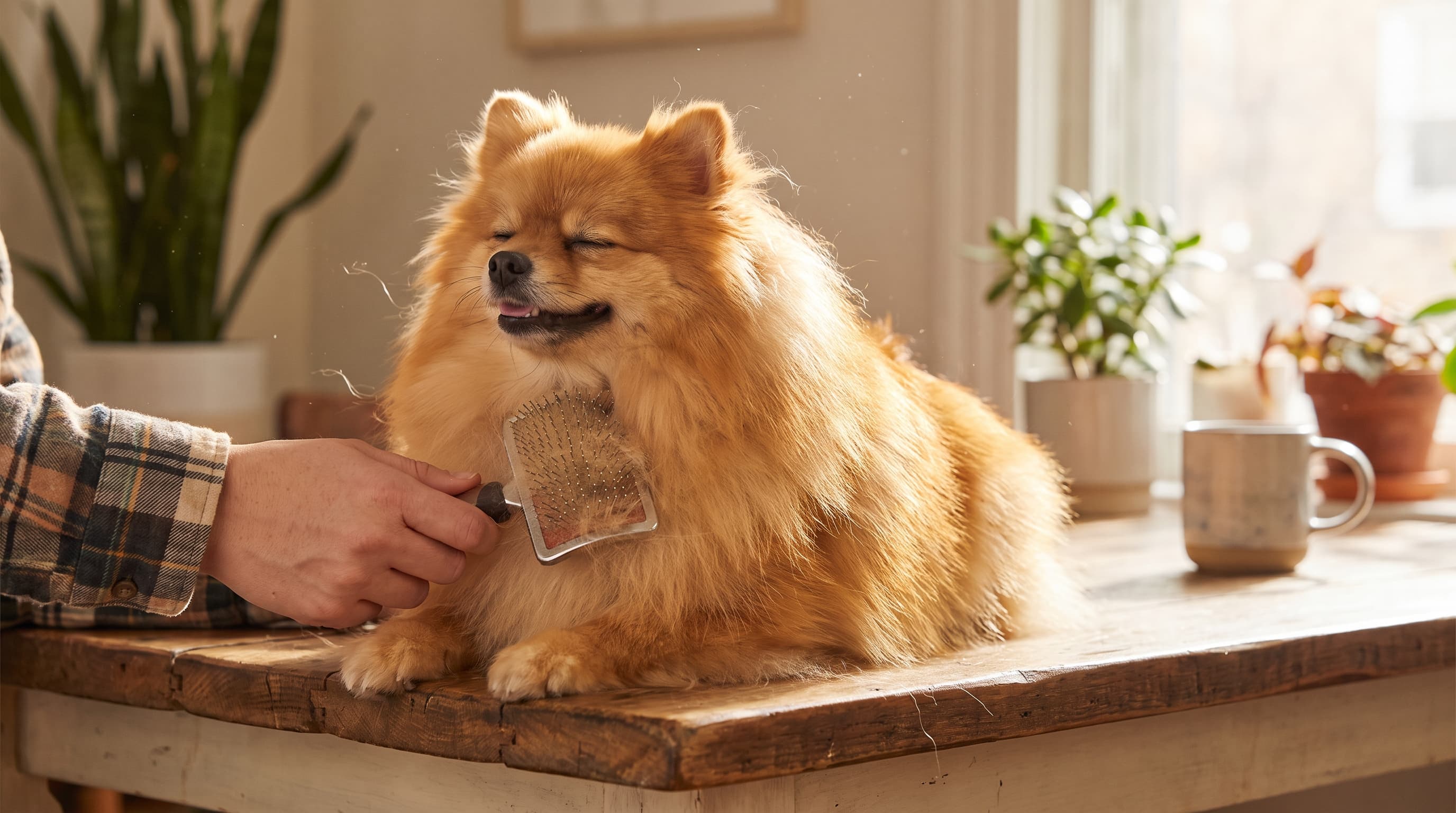
A throwback's double coat still needs regular care. Plan on brushing several times a week to prevent mats and manage the seasonal "blowing" of the undercoat, plus routine nail trims, ear cleaning, and dental care. Because throwbacks often carry a slightly less dense coat than show Poms, some owners find grooming marginally easier — but this is still a fluffy, shedding breed, not a low-maintenance one. For a deeper look at how much fur to expect, see our guide on whether Pomeranians shed.
Buying a Throwback Pomeranian: Watch for Marketing Traps
Here's where prospective owners need to be careful. Because "throwback" sounds special, some breeders slap the label on any oversized puppy to justify a premium price — even when the extra size comes from poor breeding rather than genuine genetic reversion. A responsible breeder will be transparent about the parents, provide health testing, and never guarantee an exact adult size.
Red flags include breeders who market "throwback" or "giant" Poms as a rare separate breed, refuse health clearances, or push you to buy quickly. If size and sturdiness are what you want, you can also consider adopting an adult Pom or Pom mix, where the grown size is already known. And remember that a healthy, well-socialized dog matters far more than a trendy size label.
Is a Throwback Pomeranian Right for You?
A throwback Pomeranian can be a fantastic pick if you adore the Pom personality but want a sturdier, more resilient dog than a 4-pound toy. They fit active families, homes with gentle older kids, and owners who don't mind regular grooming and a vocal watchdog. They are less suited to people expecting a low-shedding, low-energy lap ornament, or anyone hoping to guarantee a precise adult weight. If you're comparing size variants within the breed, our profiles on the standard Pomeranian and the mini Pomeranian round out the full size spectrum.
Frequently Asked Questions
Is a throwback Pomeranian a purebred?
Yes. A true throwback Pomeranian has two purebred Pomeranian parents. It simply inherits genes for a larger, older-style body and is not a mix or a separate breed.
How big do throwback Pomeranians get?
Most weigh roughly 10–20 pounds and stand taller than standard show Poms, though individual dogs range from about 8 to 20+ pounds depending on their genetics.
Can throwback Pomeranians be registered with the AKC?
They can be registered as Pomeranians if their parents are registered, but because they exceed the breed's ideal 3–7 pound size range, they cannot be shown in conformation to the standard.
Are throwback Pomeranians healthier than teacup Poms?
They are often sturdier and less injury-prone than very tiny teacup Poms, but larger size alone doesn't guarantee better health. All Poms can face patellar, dental, and tracheal issues.
Do throwback Pomeranians shed a lot?
Yes. Like all Pomeranians they have a fluffy double coat that sheds year-round and "blows" seasonally, so expect regular brushing and some loose fur around the home.
Are throwback Pomeranians more expensive?
Not necessarily, and be wary of breeders charging a premium purely for the "throwback" label. Price should reflect health testing, care, and lineage — not a marketing buzzword about size.
The Bottom Line on Old-Style Poms
The throwback Pomeranian is a charming reminder of where this pint-sized breed came from — bigger, foxier, and a little sturdier, but every bit a Pom at heart. If you're exploring the breed's many looks and sizes, keep reading with our full guides to the Pomeranian and the mini Pomeranian, and subscribe to the Daily Wag newsletter for weekly breed spotlights, grooming tips, and dog-friendly finds.