
A small white dog is a compact breed, usually under 20 pounds and 7 to 16 inches tall, with a white or mostly white coat. The most popular examples include the Maltese, Bichon Frise, Coton de Tulear, West Highland White Terrier, white Pomeranian, and white Chihuahua. Most are affectionate, apartment-friendly companions that thrive on human attention.
What Counts as a Small White Dog?
Breeders and enthusiasts generally group a dog into the "small white dog" category when it weighs under about 20 pounds, stands roughly 7 to 16 inches at the shoulder, and carries a predominantly white coat. Some breeds, like the Maltese and Coton de Tulear, are almost always white, while others, such as the Pomeranian and Chihuahua, come in white among many colors. As PetMD notes, a bright white coat is striking, but it also tends to show tear stains and dirt, so grooming is part of the package.
These pint-sized companions are popular for good reason: they are portable, they adapt well to apartments, and most were bred specifically to be devoted lap dogs. If you love the idea of a big personality in a small, snowy package, here are the breeds worth knowing.
The Most Popular Small White Dog Breeds
Maltese
The Maltese is perhaps the definitive small white dog. Weighing under 7 pounds with a long, silky, pure-white coat, this ancient companion breed has been a lap dog for millennia. The American Kennel Club describes the Maltese as gentle, fearless, and deeply attached to its people, earning it a reputation as a classic "velcro dog." Its flowing coat needs daily brushing or a shorter "puppy cut" to stay tidy.
Bichon Frise
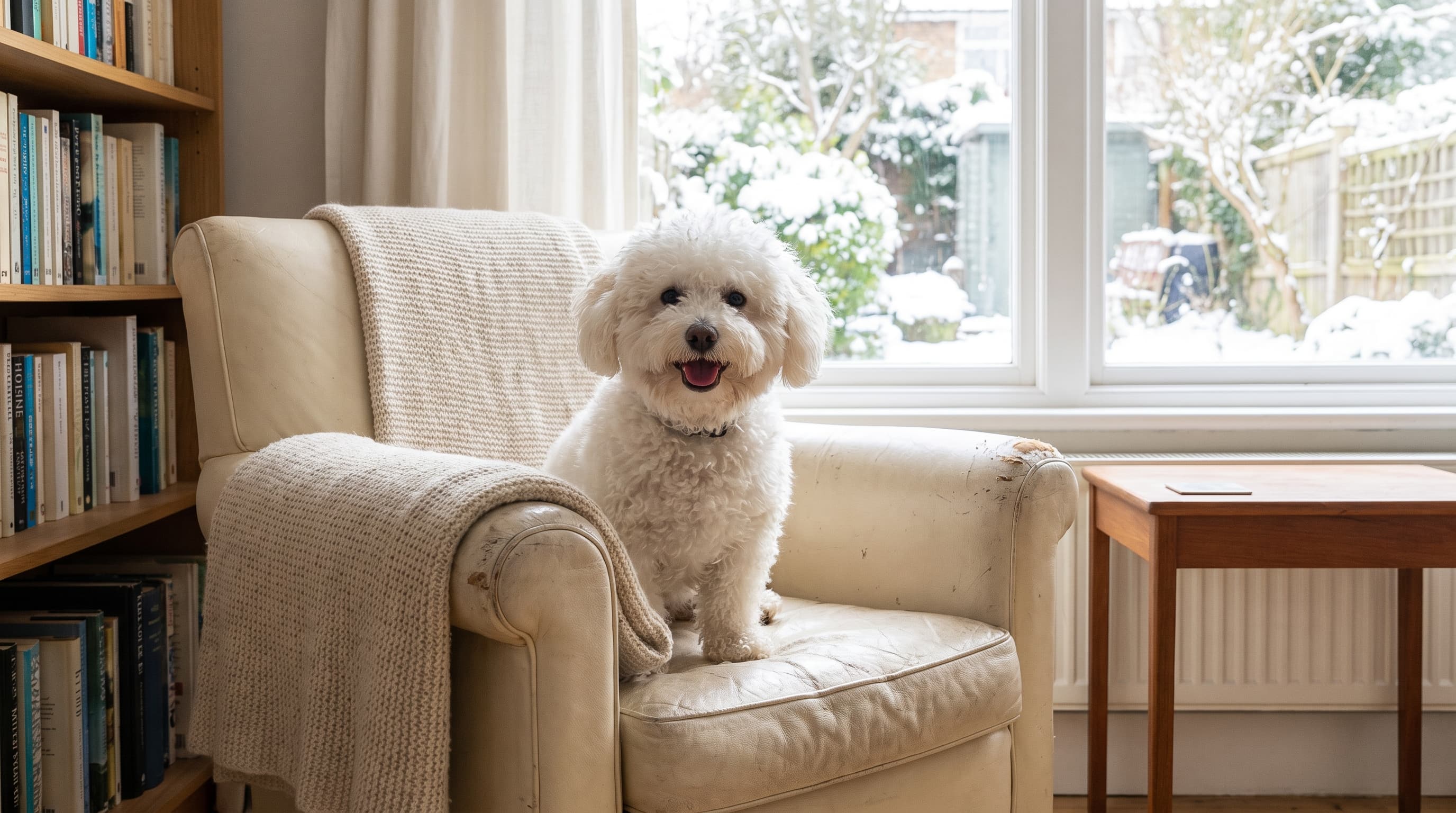
With a fluffy white powder-puff coat and a famously cheerful disposition, the Bichon Frise is a small, sturdy charmer often considered a good match for allergy-conscious homes. Bichons are playful, easy to train, and great with kids, though their curly coat requires regular grooming to prevent matting. Learn more in our full Bichon Frise breed profile.
Coton de Tulear
Nicknamed the "Royal Dog of Madagascar," the Coton de Tulear has a soft, cotton-like white coat and a happy-go-lucky, people-pleasing temperament. Cotons are bright, adaptable, and bond closely with their families. See our dedicated Coton de Tulear guide for the full rundown.
West Highland White Terrier (Westie)
The Westie is a small white dog with a bold, terrier-sized personality. Bright white, confident, and always ready for action, this breed is a bit more independent than the pure companion breeds but remains loyal and lively. Its harsh double coat is weather-resistant and needs regular brushing and occasional hand-stripping or trimming.
White Pomeranian
The white Pomeranian packs a thick, fox-like double coat and outsized confidence into a tiny frame. Poms are alert, bold, and endlessly entertaining, making them popular companions for people who want a spirited little dog. Their fluffy coat sheds and needs frequent brushing.
White Chihuahua
One of the smallest dogs in the world, the white Chihuahua is alert, sassy, and surprisingly bold. Chihuahuas bond intensely with one or two people and are easy to keep in small spaces, though early socialization helps curb their tendency toward wariness. Read more in our Chihuahua breed profile.
Other white favorites
Rounding out the list are the fluffy American Eskimo Dog (in its toy and miniature sizes), the Havanese, and various white poodle mixes and designer crosses. For the larger end of the spectrum, our guide to the big white dog breeds covers snowy giants like the Samoyed and Great Pyrenees.
Temperament: What Small White Dogs Are Like to Live With
While each breed has its own quirks, small white companion dogs share some common threads. Most are affectionate and thrive on close contact, sometimes to the point of separation anxiety if left alone too long. Many are alert and vocal, making them natural little watchdogs. Terriers like the Westie bring more independence and prey drive, while companion breeds like the Maltese and Bichon are content to be full-time lap dogs. Early training and socialization help prevent "small dog syndrome," the pushy, yappy behavior that develops when tiny dogs are never taught manners.
Grooming a White Coat
A white coat is beautiful but demands upkeep. Expect to manage tear staining around the eyes, keep the coat clean and bright, and brush regularly to prevent mats, especially in curly and silky breeds. Most small white dogs need professional grooming every four to eight weeks in addition to at-home brushing. Wiping the face daily and keeping the eye area trimmed goes a long way toward controlling the reddish-brown tear stains that show up so easily on white fur.
Are Small White Dogs Good for Apartments and Families?
Generally, yes. Their compact size, moderate exercise needs, and companion-oriented temperaments make small white dogs some of the best options for apartment living. Bichons, Maltese, Cotons, and Havanese in particular are known for adapting well to smaller spaces, provided they get daily walks and mental stimulation. Families with young children should choose a breed known for tolerance and supervise interactions, since very small dogs can be injured by rough handling. For more options sized for smaller homes, see our roundup of the best dogs for apartments.
Health Considerations in Small White Breeds
Small white dogs are generally long-lived, with many companion breeds reaching 12 to 16 years, but there are a few health themes worth knowing before you choose one:
- Dental disease: Tiny mouths crowd teeth together, making small breeds especially prone to tartar and gum disease. Daily tooth brushing and regular cleanings matter.
- Patellar luxation: Slipping kneecaps are common in toy breeds like the Maltese, Pomeranian, and Chihuahua.
- Tracheal collapse and dental-related issues: Very small breeds can be sensitive around the throat, so a harness is usually kinder than a collar for walks.
- Congenital deafness: In some predominantly white dogs, the same genetics that produce a white coat are linked to a higher risk of hearing loss. This is more relevant in certain breeds than in the pure companion whites, but it is worth asking a breeder about.
- Tear staining and skin folds: The visible tear stains on white coats are usually cosmetic, but persistent eye discharge can signal blocked tear ducts, allergies, or infection worth a vet's attention.
Choosing a responsible breeder who screens for these conditions, or an adult rescue with a known health history, is the single best way to start off on the right paw.
Choosing a Small White Dog: Breeder vs. Rescue
Once you have a breed or two in mind, you have two main routes to bringing one home. A reputable breeder should health-test the parents, let you meet them, and prioritize temperament over rare coat colors, but expect a waitlist and a higher price. Rescue is a rewarding, lower-cost alternative: breed-specific rescues for Maltese, Bichons, Westies, and others regularly place small white dogs, and adult dogs often come already house-trained with a known personality. Whichever path you choose, avoid pet-store puppies and suspiciously cheap online listings, which frequently trace back to puppy mills. Take time to match the dog's energy, grooming needs, and sociability to your daily life, and remember that a small white companion is typically a 12-to-16-year commitment. For a broader look at pint-sized breeds that fit smaller homes, our apartment dog guide is a helpful next step.
Frequently Asked Questions
What is the most popular small white dog breed?
The Maltese and the Bichon Frise are two of the most popular small white dog breeds worldwide, both prized as affectionate, apartment-friendly companions with signature white coats.
Which small white dogs are considered hypoallergenic?
The Maltese, Bichon Frise, and Coton de Tulear are frequently described as good choices for allergy-conscious owners because they shed minimally. No dog is truly 100% hypoallergenic, so spend time with a breed before committing.
What is a small fluffy white dog called?
Popular small fluffy white dogs include the Bichon Frise, Coton de Tulear, white Pomeranian, American Eskimo Dog (toy or mini), and the Maltese, all known for soft, cloud-like coats.
Do small white dogs shed a lot?
It varies. Maltese, Bichon, and Coton coats shed very little but need regular grooming, while Pomeranians and some other breeds shed noticeably. White coats also show shed hair and dirt more visibly than dark coats.
Are small white dogs high maintenance?
Grooming-wise, yes, a white coat requires consistent care to stay clean and mat-free. Temperament-wise, most are easygoing companions, though they can be prone to separation anxiety and need daily attention.
Why do white dogs get tear stains?
Tear stains are reddish-brown marks caused by pigments in tears and are simply more visible against white fur. Daily face-wiping, keeping the eye area trimmed, and a vet check for underlying causes help manage them.
Finding Your Perfect Small White Companion
From the silky Maltese to the spirited Westie, small white dogs offer an irresistible mix of portability, personality, and cuddle appeal. The right choice comes down to grooming commitment, energy level, and how much independence you want in a companion. Ready to dig deeper into individual breeds? Explore our detailed profiles on the Bichon Frise and the Coton de Tulear, and subscribe to the Daily Wag newsletter for more breed guides and dog-care tips delivered to your inbox.
Sources: PetMD — White Dog Breeds, AKC Maltese, AKC Bichon Frise, AKC Coton de Tulear, AKC Pomeranian, AKC Chihuahua.