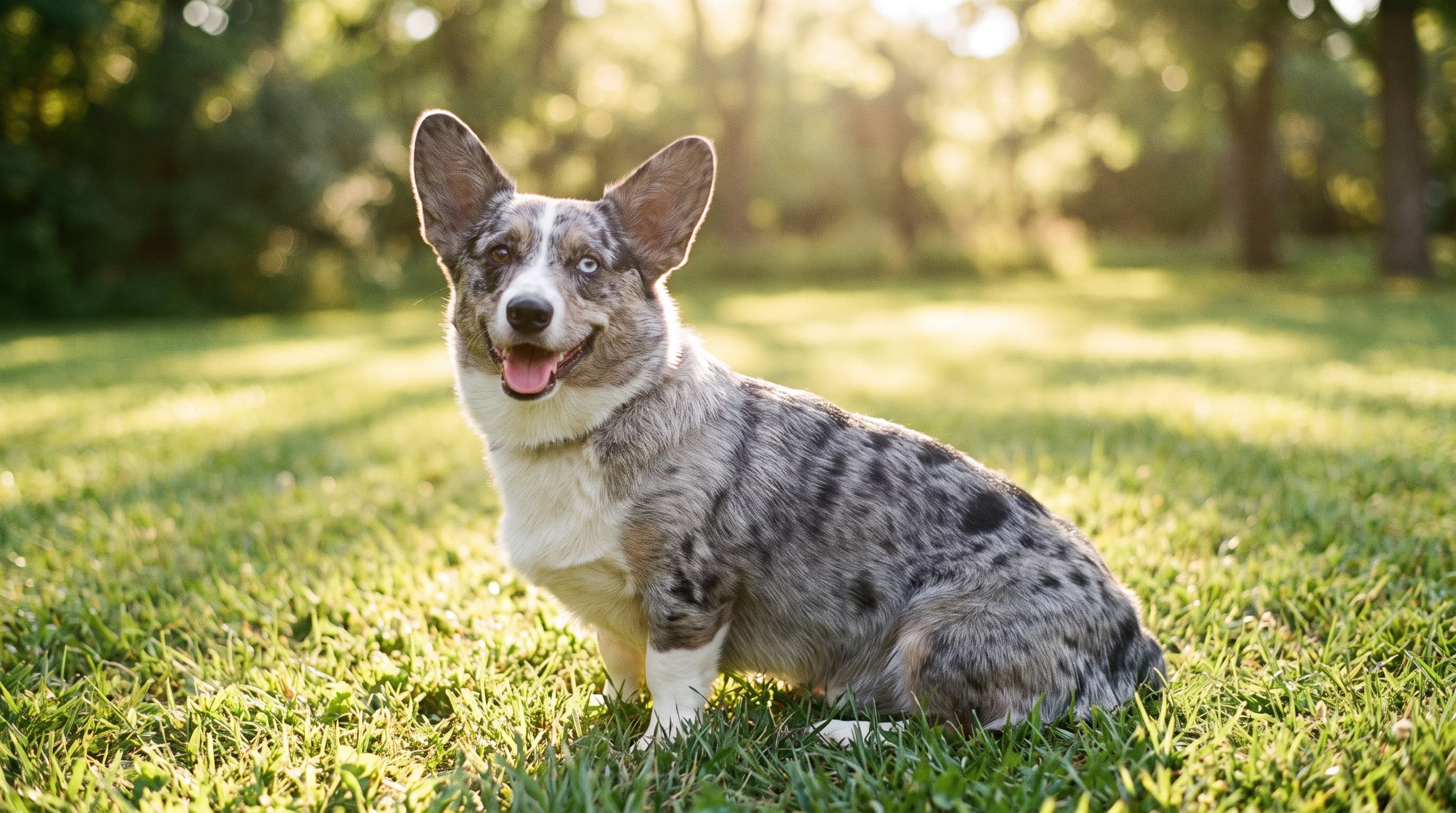

A teacup maltipoo is a very small Maltipoo — a Maltese × Toy Poodle mix — typically bred from the smallest parents to reach an adult weight of roughly 4–8 pounds and a height of 8–12 inches. They're affectionate, low-shedding companions, but their extreme small size raises real health risks, so responsible sourcing and a vet relationship matter more than with a standard-size Maltipoo.
What is a teacup maltipoo?
A teacup maltipoo isn't a distinct breed — it's a marketing-friendly size label applied to unusually small Maltipoo puppies, most often produced by pairing a Maltese with a Toy Poodle (rather than a Miniature Poodle) or by breeding runts together. The AKC's Maltese breed page notes that purebred Maltese typically weigh under 7 pounds, and the AKC's Toy Poodle standard caps that variety at 10 inches at the shoulder. A "teacup" Maltipoo sits at or below the small end of that range, which is why the label is really about breeding for extreme smallness rather than a separate, standardized breed.
There's no official registry or breed club that defines "teacup" sizing, so the term varies a lot from one breeder's website to the next. Some use it for any Maltipoo under 8 pounds; others reserve it for dogs closer to 3–5 pounds ("micro teacup"). Because there's no standard, it's worth asking any breeder exactly what weight range they're promising and how they're getting there.
How big does a teacup maltipoo get?
Most teacup maltipoos land between 4 and 8 pounds and stand 8 to 12 inches at the shoulder as adults, though "micro" individuals bred from especially tiny parents can finish under 5 pounds. Because both Maltese and Toy Poodle already sit at the small end of the Toy Group, teacup breeding usually means selecting the smallest, sometimes runt, dogs from those already-small litters to breed again — a practice that increases the odds of the size- and health-related issues covered below.
Puppy weight at 8 weeks is a rough guide at best; genetics and litter variation mean two puppies from the same litter can grow to noticeably different adult sizes. A responsible breeder should be able to show you the size of both parents, since that's a far better predictor than a puppy's birth weight.
Temperament & personality
Teacup maltipoos inherit the Maltese's devoted, people-focused nature and the Poodle's intelligence and eagerness to please, which usually adds up to an affectionate, trainable companion who wants to be near you. Many are alert little watchdogs and will bark to announce visitors or unfamiliar sounds. Their small size also means they can be more easily overwhelmed, so they tend to do best in calm households and often bond very closely — sometimes anxiously — with one or two people.
Because they're so small and fragile, teacup maltipoos are generally a better match for adults, older children, or families who can supervise closely, rather than homes with toddlers or boisterous young kids who might accidentally drop or step on them.
Grooming & coat care
The Maltipoo's coat — soft, wavy to curly, and low-shedding thanks to the Poodle side — needs brushing several times a week to prevent matting, plus a trim every 6–8 weeks to keep hair out of the eyes and away from the face. Many owners keep the coat in a short "puppy cut" for easier upkeep. Regular ear checks and cleaning are also important, since floppy ears on small dogs can trap moisture and lead to infections.
Toy-breed mouths are small and crowded, which makes daily tooth brushing and professional dental cleanings especially important — more on that below.
Health concerns of teacup-size dogs
This is the part every prospective owner should read carefully. Breeding for extreme smallness — rather than breeding within a healthy standard — tends to concentrate a handful of real risks:
- Hypoglycemia (low blood sugar): Very small puppies have limited energy reserves and can develop dangerously low blood sugar if they skip meals, get chilled, or are stressed. This is well documented in toy-breed puppies generally, and the risk is amplified in dogs bred smaller than the standard.
- Fragile bones and injury risk: A 4-pound dog can be seriously hurt by a jump off the couch or an accidental step that a larger dog would shrug off.
- Luxating patella: Small and toy breeds are predisposed to kneecaps that slip out of place; VCA Animal Hospitals' overview of luxating patella explains the grades of severity and when surgery may be needed.
- Dental crowding: Small jaws packed with a full set of teeth are prone to plaque buildup and periodontal disease; the AKC's guide to toy-breed dental issues is a useful primer on why brushing and professional cleanings matter so much for dogs this size.
- Collapsed trachea and general anesthesia risk: Very small dogs can be more sensitive to anesthesia and are more prone to tracheal issues, which is worth discussing with your vet before any procedure.
This article is general information, not veterinary advice. It isn't a substitute for a diagnosis, and it doesn't cover dosing or treatment decisions. If you're considering a teacup-size dog, talk to a veterinarian about what to watch for, and buy only from a responsible breeder who health-tests parent dogs and can speak honestly about the risks of breeding for extreme small size — not a seller who markets "teacup" as purely a cute selling point.
Feeding & care
Because of their hypoglycemia risk, most breeders and vets recommend feeding teacup maltipoo puppies small meals 3–4 times a day rather than one or two large ones, tapering to 2–3 meals as they mature. Keep high-quality, small-kibble food on hand, and ask your vet about signs of low blood sugar (lethargy, wobbliness, trembling) so you know when a meal — or a vet visit — is urgently needed.
Because they're light enough to be seriously injured by a fall, many owners use ramps or steps for furniture, avoid off-leash time near stairs or ledges, and are cautious with larger dogs or very young children during play. Daily exercise needs are modest — a couple of short walks and some indoor playtime are usually plenty — but mental stimulation (training, puzzle toys) helps make the most of the Poodle side's intelligence.
Price & finding a responsible breeder
Teacup maltipoos typically cost more than standard-size Maltipoos because of the demand for extreme smallness and the smaller, riskier litters involved — expect a range of roughly $1,000–$4,000 depending on region, breeder reputation, and pedigree. A low price from an online seller promising guaranteed "micro teacup" puppies is a red flag, not a bargain.
Per the ASPCA's guidance on spotting responsible breeders, you should be able to visit in person, meet at least the mother, see health-testing records for both parents, and expect the breeder to ask you questions too. Be wary of anyone who won't let you visit, ships a puppy sight unseen, or can't explain how they're breeding for such small size. Adoption is also worth considering — Maltipoos and other small mixes do turn up in rescue.
Is a teacup maltipoo right for you?
A teacup maltipoo can be a wonderful, affectionate companion for the right household: adults or families with older, gentle children, people who are home enough to manage frequent small meals early on, and owners willing to take extra precautions around falls and rough play. If you have very young kids, large dogs, or an active outdoor lifestyle that's hard to dog-proof, a standard-size Maltipoo or another small breed may be a safer, less fragile fit while still giving you a low-shedding, people-oriented dog.
FAQ
Is a teacup maltipoo a recognized breed?
No. "Teacup" isn't an official size class recognized by any major kennel club — it's an informal marketing term breeders use for unusually small Maltipoos, which are themselves a Maltese × Poodle mix rather than a purebred breed.
How much does a teacup maltipoo weigh as an adult?
Most adults weigh 4–8 pounds and stand 8–12 inches tall, though "micro" individuals from especially small parents can weigh less. Ask to see both parent dogs' sizes for the best estimate.
Are teacup maltipoos more prone to health problems than standard Maltipoos?
Yes, generally. Extreme small size is linked to a higher risk of hypoglycemia, fragile bones, luxating patella, dental crowding, and anesthesia sensitivity. Talk to a veterinarian about monitoring for these issues, and choose a breeder who prioritizes health over extreme smallness.
How often should I feed a teacup maltipoo puppy?
Many breeders and vets suggest 3–4 small meals a day for teacup-size puppies to help prevent low blood sugar, gradually reducing frequency as the dog matures. Ask your veterinarian for guidance specific to your puppy.
Do teacup maltipoos shed a lot?
No — like other Maltipoos, they typically have a soft, low-shedding coat inherited from the Poodle side, though it does require regular brushing and periodic trims to prevent matting.
Are teacup maltipoos good with kids?
They can be, but their small, fragile size means they're generally a better match for adults or older, gentle children rather than toddlers or very active young kids who might accidentally injure them during play.
Related reading
Curious how a teacup maltipoo compares to other small, low-shedding mixes? Check out our guides to the Maltipoo and the Cavapoo, or browse our Cockapoo and Cavapom profiles for more small-breed options. And if a new puppy is in your future, don't miss our guide to choosing your dog's name.
Want more breed guides and honest, health-first advice like this delivered to your inbox? Subscribe to the Daily Wag newsletter.