
Belgian Malinois Bite Force: How Strong Is It Really (PSI Explained)
The Belgian Malinois bite force is most often cited at around 195 PSI, though real-world estimates range from roughly 195 to 300 PSI depending on the dog and the measuring method. That is about 1.5 to 2 times the force of an average human bite, yet still less than larger breeds like the Rottweiler. Precise numbers are hard to pin down because few dogs are tested in controlled labs.
What Is the Belgian Malinois Bite Force in PSI?
PSI stands for "pounds per square inch," a measure of pressure applied over a given area. Most published figures place the Belgian Malinois at approximately 195 PSI, a number popularized by breed comparison charts and echoed by bite-strength rankings compiled from public data. Other resources estimate the working range at 200 to 300 PSI, reflecting how much an individual dog's size, drive, and bite quality can shift the result.
It is worth being honest about the science here: almost every PSI figure you see online is an estimate, not a laboratory fact. Bite force is influenced by jaw structure, muscle mass, the angle of the bite, and whether the dog is biting in defense, in play, or in trained apprehension work. A single "official" Malinois number simply does not exist, which is why credible sources give ranges rather than one clean statistic.
How Does It Compare to Other Dog Breeds?
Context makes the Malinois number far more meaningful. Using commonly cited comparison figures, here is roughly how it stacks up:
- Belgian Malinois: ~195 PSI (some estimates 200–300)
- German Shepherd: ~238 PSI
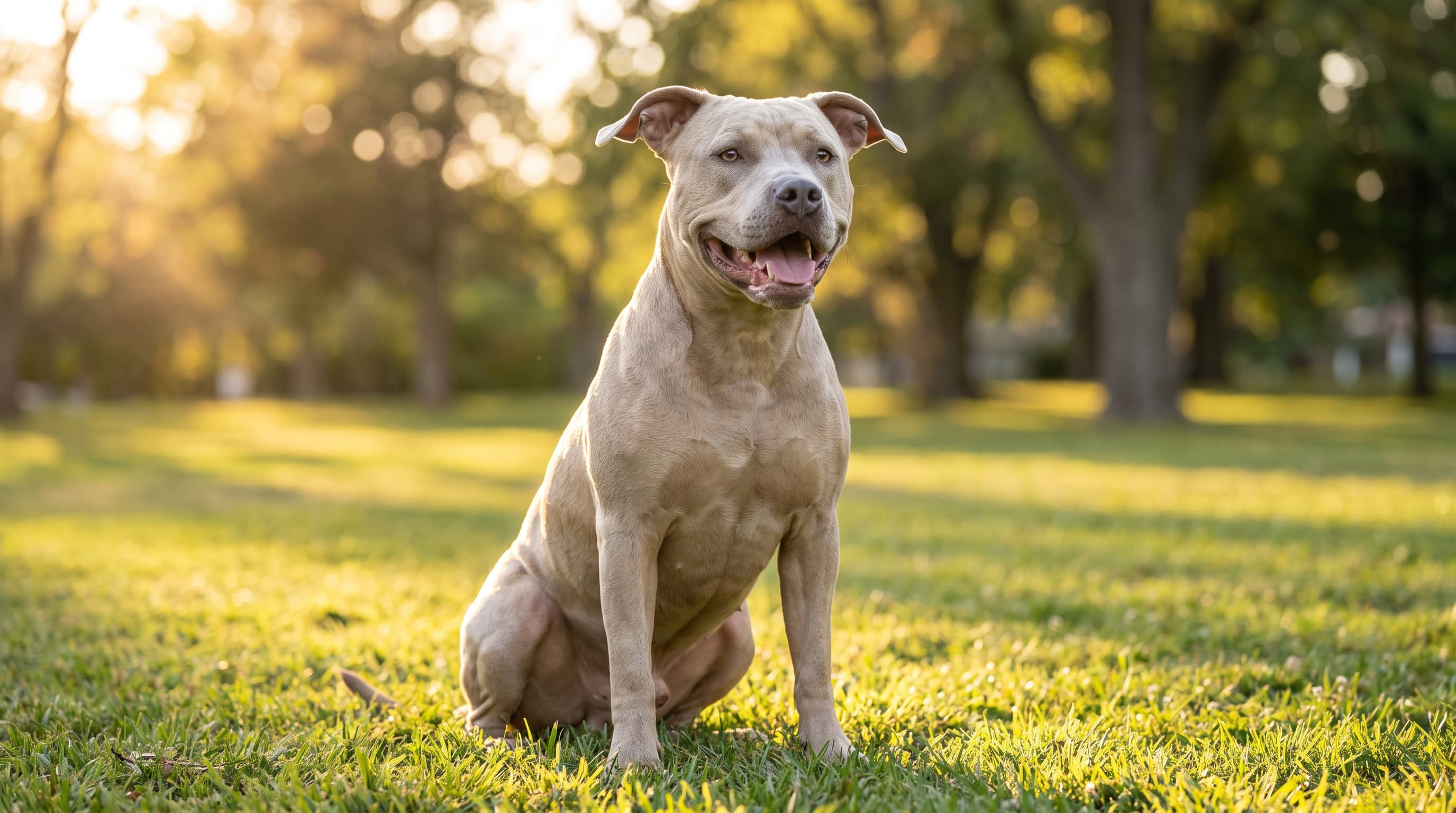
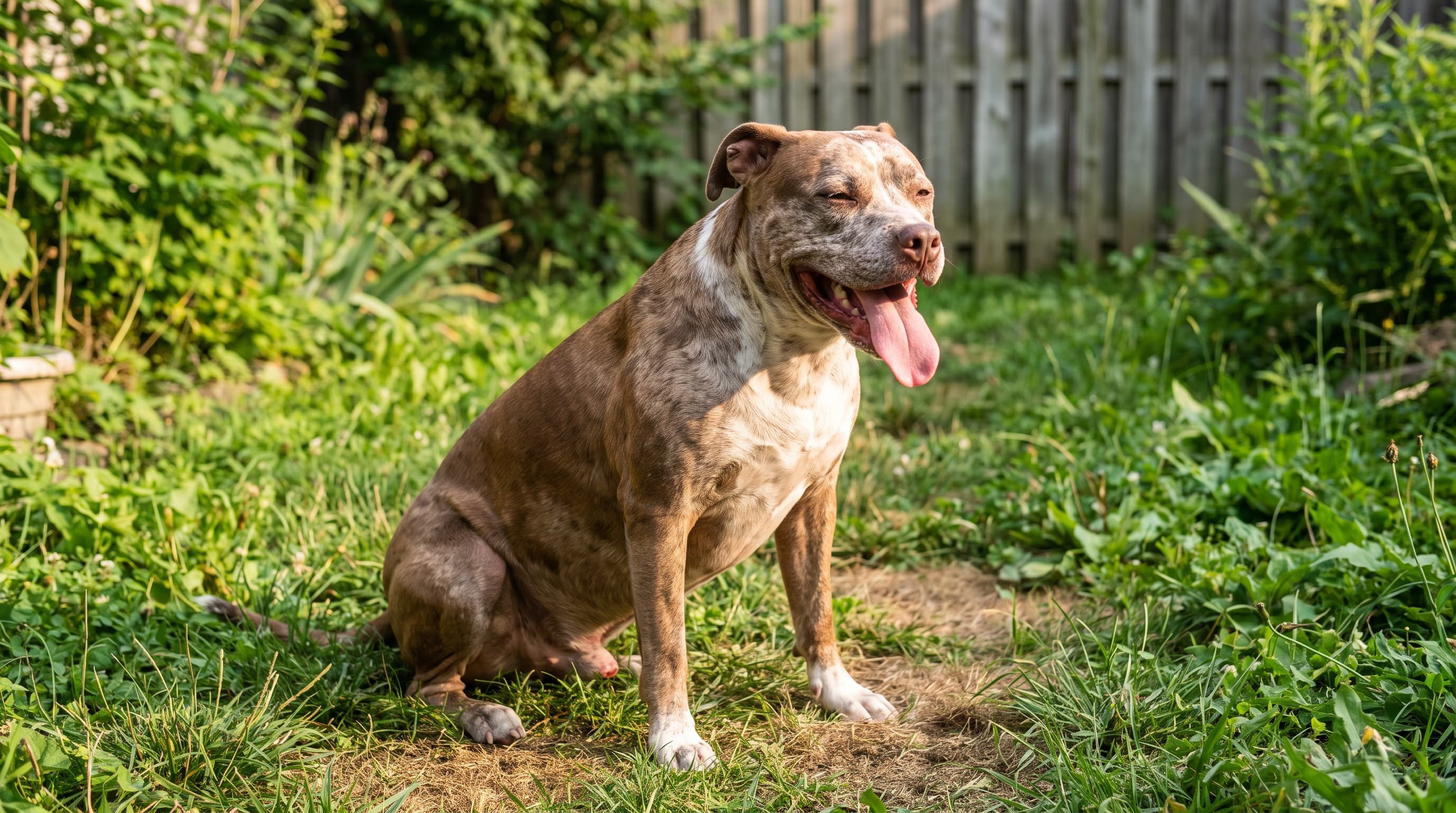
- Pit Bull: ~235–242 PSI
- Labrador Retriever: ~230 PSI
- Doberman Pinscher: ~305 PSI
- Rottweiler: ~328 PSI
- Average human: ~120–160 PSI
By raw pressure, the Malinois actually sits in the middle of the pack and below its cousin the German Shepherd. So why is it considered one of the most formidable working dogs on earth? Because bite force is only one small part of the story. For a heavyweight comparison, see how the Cane Corso bite force measures up against these same breeds.
Why the Malinois Is Feared Despite a "Moderate" Bite
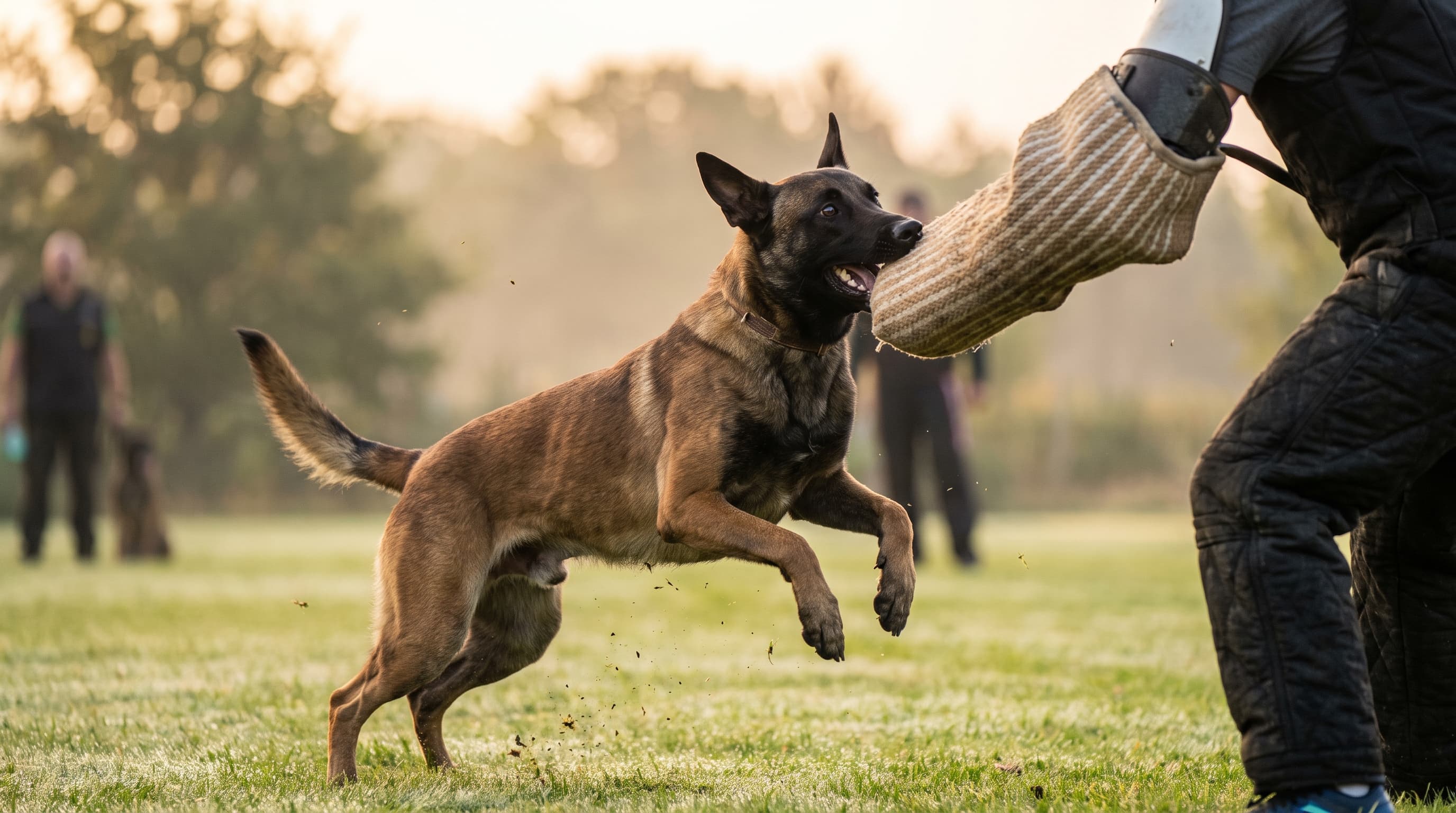
Elite military and police units around the world favor the Belgian Malinois over breeds with stronger jaws, and the reason has little to do with PSI. What sets the Malinois apart is the total package: explosive speed, relentless drive, agility, and a willingness to engage that few breeds can match. A Malinois delivers its bite while moving at high speed, often targeting and gripping before a person can react.
Trainers also point to "grip commitment"—the breed's tendency to hold a full, calm, hard bite rather than a shallow snap. Combined with athleticism that lets it scale walls and leap into moving vehicles, the Malinois turns a moderate bite into a highly effective one. In this breed, the delivery system matters more than the pressure reading.
How Bite Force Is Actually Measured
The most reliable canine bite studies use a bite sleeve or transducer fitted with pressure sensors. In one frequently referenced test of Belgian Malinois in apprehension work, sensors recorded an average around 246 newtons per square centimeter—which converts to roughly 358 PSI, higher than the popular 195 figure. That gap illustrates the core problem: results swing dramatically based on equipment, whether the dog is fully committed, and where on the jaw the force is recorded.
Anatomical estimates, by contrast, calculate theoretical force from skull and jaw-muscle measurements, and tend to produce lower, more conservative numbers. Neither approach is "wrong"; they simply answer slightly different questions. The takeaway for owners is to treat any single PSI claim with healthy skepticism.
Does a Strong Bite Make the Malinois Dangerous as a Pet?
A Belgian Malinois raised and trained responsibly is not inherently dangerous, but it is a serious commitment. This is a high-drive working breed that needs a job, extensive daily exercise, and early, consistent socialization. Problems usually stem from under-stimulation and inconsistent handling rather than from the bite itself. Bored, under-exercised Malinois can develop nipping, herding, and mouthing behaviors that escalate without guidance.
Puppy training should emphasize bite inhibition and impulse control from day one. Positive-reinforcement methods, structured outlets like scent work or agility, and clear boundaries channel the breed's intensity productively. To understand the breed beyond the bite, read our full Belgian Malinois breed guide before bringing one home.
Belgian Malinois vs. German Shepherd: Bite and Beyond
These two breeds are constantly compared, and on paper the German Shepherd's bite (~238 PSI) edges out the Malinois. In practice, handlers often prefer the Malinois for high-intensity work because it is typically lighter, faster, and more heat-tolerant, with fewer of the hip and structural issues that can affect some Shepherd lines. The Shepherd, meanwhile, is frequently favored for family and general-purpose roles thanks to a somewhat steadier off-switch. Neither is "better"—they are optimized for different jobs.
Frequently Asked Questions
What is the bite force of a Belgian Malinois in PSI?
Most sources cite roughly 195 PSI, with real-world estimates ranging from about 195 to 300 PSI. Sensor-based tests have recorded higher figures. Because measurement methods vary, treat any single number as an estimate rather than a fixed fact.
Is a Belgian Malinois bite stronger than a German Shepherd's?
By commonly published figures, no. The German Shepherd is usually listed around 238 PSI versus the Malinois's ~195 PSI. However, the Malinois is often considered more effective in bite work due to its speed, agility, and grip commitment.
Can a Belgian Malinois bite break bone?
A committed bite from any medium-to-large dog can cause serious injury, including fractures and deep puncture wounds, especially to small bones in the hand or forearm. This is one reason the breed is trained and handled by experienced professionals in working roles.
Are Belgian Malinois good family dogs?
They can be devoted family companions in the right home, but they are not ideal for first-time or low-activity owners. They need substantial daily exercise, mental stimulation, early socialization, and consistent training to thrive as pets.
Why do police and military prefer the Malinois?
Speed, drive, agility, trainability, and heat tolerance—not bite force alone. A Malinois can deploy from vehicles, scale obstacles, and engage a target faster than most breeds, making its moderate bite highly effective in real conditions.
The Bottom Line
The Belgian Malinois bite force lands around 195 PSI on most charts, stronger than a human but softer than a Rottweiler or Doberman. Yet the breed's reputation is fully earned—not by jaw pressure, but by the speed, courage, and precision with which it delivers that bite. If you are drawn to the Malinois, focus less on the PSI number and more on whether you can meet the breed's enormous physical and mental needs.
Curious about other powerful breeds? Compare our guides to the Belgian Malinois and the Cane Corso, and subscribe to the Daily Wag newsletter for breed deep-dives, training tips, and dog news delivered to your inbox.