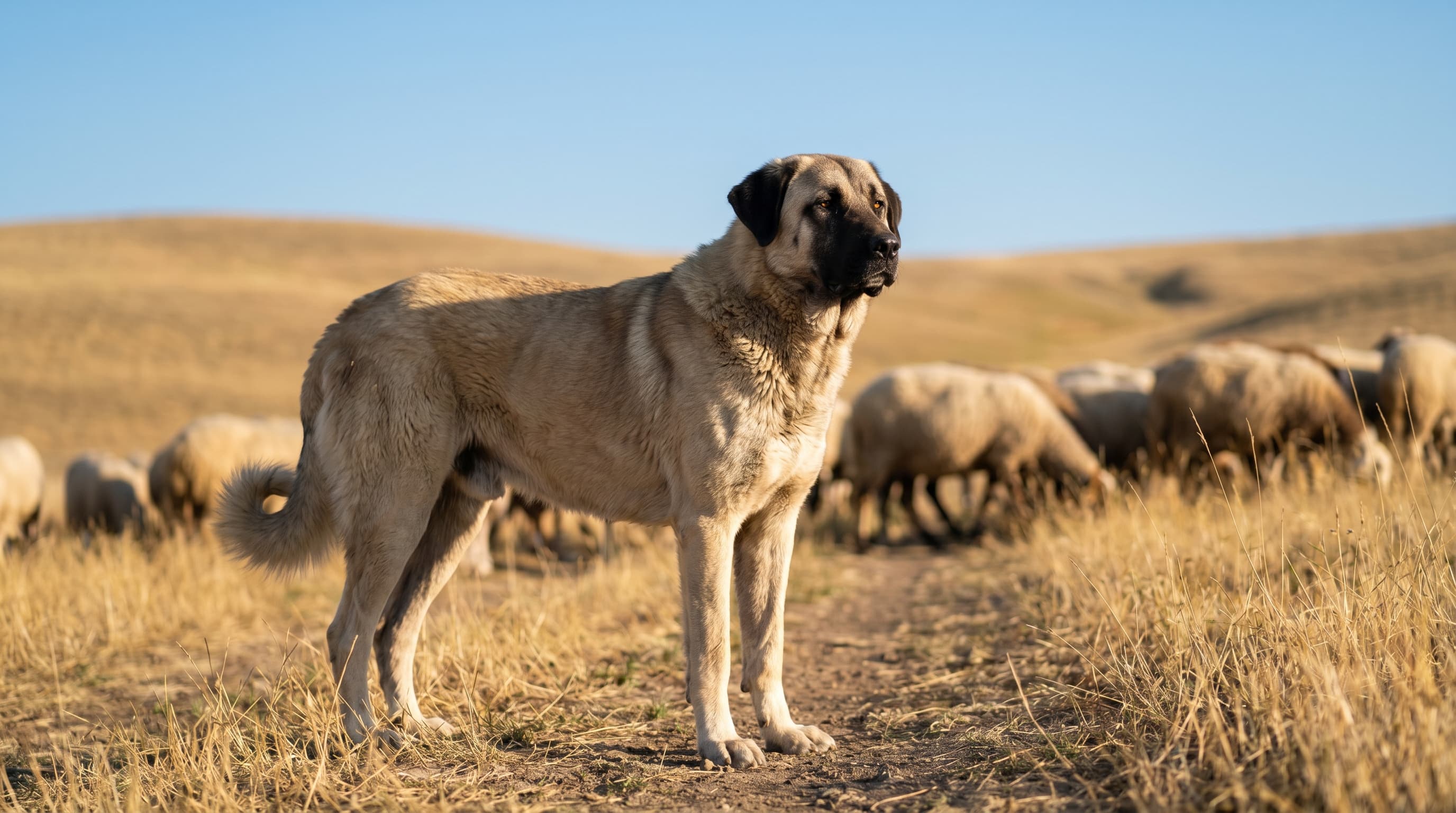

The Kangal bite force is commonly cited at around 743 PSI (pounds per square inch), the highest measurement attributed to any domestic dog breed. That figure makes the Kangal, a massive Turkish livestock guardian, one of the strongest-biting dogs in the world, easily outmatching the human bite of roughly 162 PSI. However, the 743 PSI number is widely repeated yet poorly sourced, and the true average is likely lower.
If you've seen the Kangal at the top of "strongest dog bite" lists, you've probably also seen wildly different numbers attached to it. Below, we break down where the famous 743 PSI figure comes from, how reliable it actually is, how the Kangal compares to other powerful breeds, and why bite force is only one small part of understanding this remarkable guardian dog.
How Strong Is a Kangal's Bite Force in PSI?
The number you'll see almost everywhere is 743 PSI. According to Dogster and breed databases like Dog Bite Laws, this places the Kangal at the very top of canine bite-force rankings. For context, that's more than four times the average human bite force and well above most large guardian and bully breeds.
That said, responsible sources urge caution. The original study or measurement behind the 743 PSI figure is difficult to trace, and many experts believe it is significantly overestimated. Some assessments suggest a real-world average closer to 250–400 PSI for the breed. The honest answer is that the Kangal has an exceptionally powerful bite, but the precise number should be treated as an estimate, not gospel.
Why the 743 PSI Number Is Often Misleading
Bite force is genuinely hard to measure. Lab results depend on the equipment used, whether the dog bites at full strength, the angle of the bite, and the individual animal's size, motivation, and health. A frightened or playful dog rarely bites with maximum force on a sensor. As veterinary-reviewed roundups point out, many widely circulated PSI figures for dogs are extrapolations or estimates rather than controlled measurements.
This is why the same breed can appear with different numbers across different sources, and why comparing a dog's bite to a crocodile's (3,700 PSI) or a wolf's (around 400 PSI) should be done with a grain of salt. The takeaway: the Kangal clearly has one of the strongest bites among dogs, but exact rankings shift depending on which dataset you trust.
Kangal Bite Force vs. Other Powerful Breeds
Even with measurement caveats, the Kangal consistently ranks at or near the top. Here's how it generally compares to other breeds famous for their jaw strength:
- Kangal: ~743 PSI (commonly cited maximum)
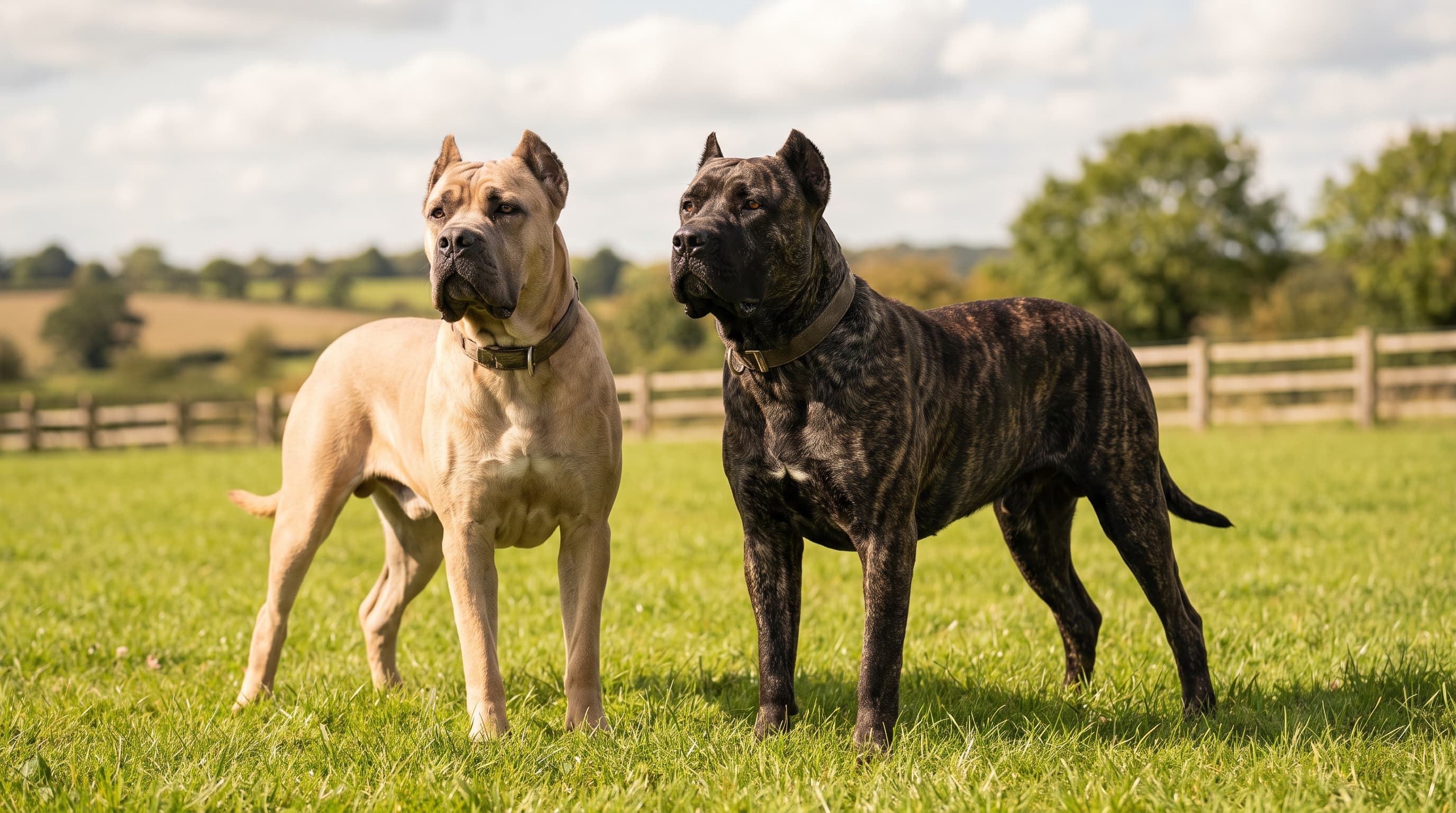
- Cane Corso: ~700 PSI
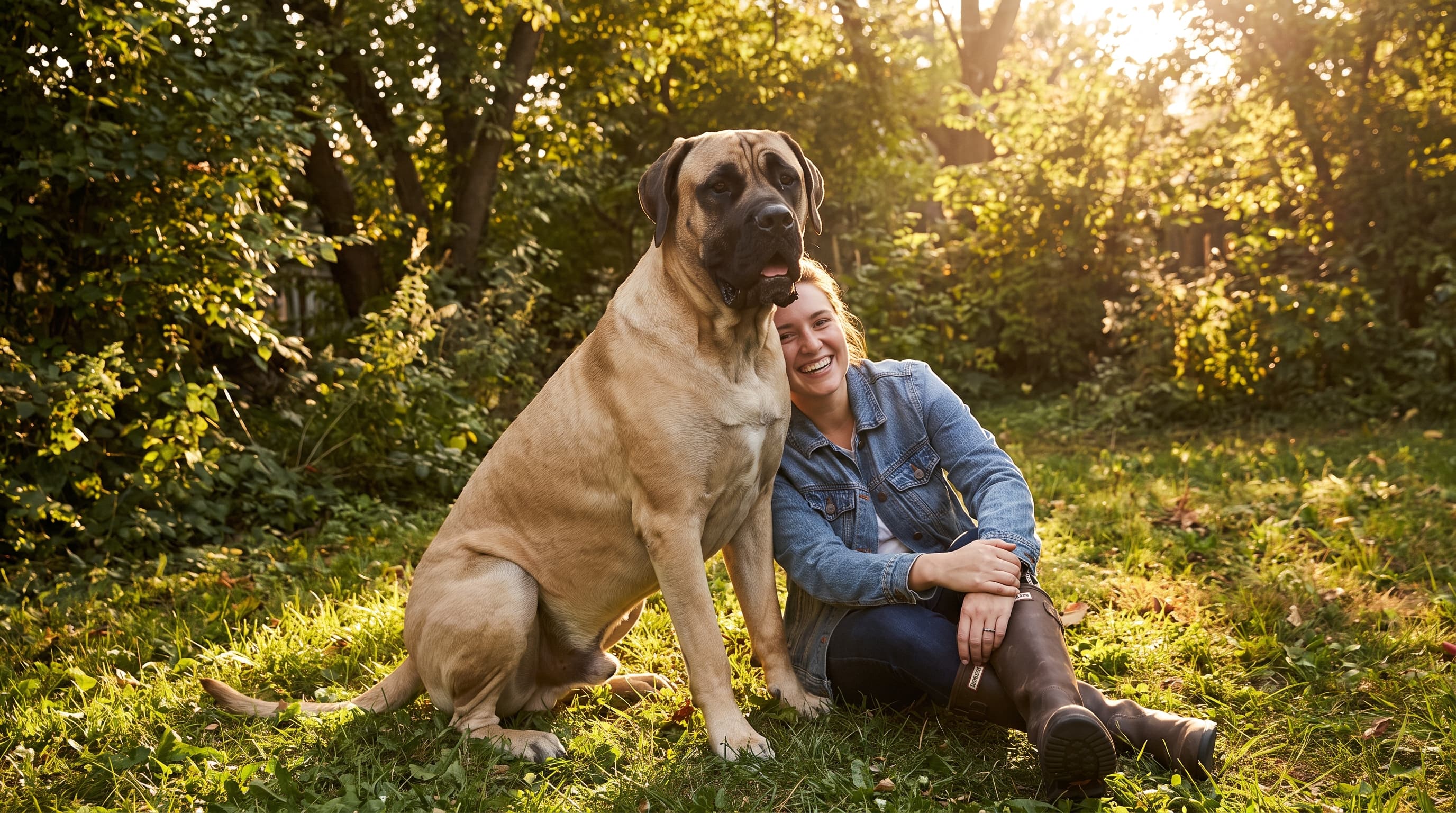
- Mastiff / English Mastiff: ~550 PSI
- Rottweiler: ~328 PSI
- German Shepherd: ~238 PSI
- Pit Bull: ~235 PSI
As legal and safety resources such as these bite-force rankings show, big guardian and molosser-type breeds dominate the high end of the chart, largely because of their sheer skull size and jaw musculature. If you're curious how this stacks up against another heavyweight, see our deep dive on the Cane Corso bite force.
Why Does the Kangal Have Such a Powerful Bite?
The Kangal's bite is a product of its job. For centuries, this breed guarded flocks of sheep and goats across the Sivas region of Turkey, where its primary role was deterring and, if necessary, fighting off wolves and even bears. As described in the breed's history, that demanding work selected for a large, powerful head, heavy bone, and the strength to overpower serious predators.
An adult Kangal stands 28–34 inches at the shoulder and can weigh 90–145 pounds, with males at the larger end. The broad skull and deep, muscular jaw that give the breed its imposing profile are the same features that generate its formidable bite force.
Is the Kangal Dangerous? Temperament Beyond the Bite
A powerful bite does not make a breed inherently dangerous. The Kangal is famous among shepherds for being calm, steady, and remarkably gentle with the animals and people it protects. Bred to make independent decisions in the field, it is watchful and territorial but typically not aggressive without cause. Many Kangals are devoted, affectionate family guardians.
That said, this is a serious working breed with serious capabilities. A dog this size and strength needs early socialization, consistent training, secure fencing, and an experienced owner who understands guardian breeds. To understand how guardian instincts shape behavior, compare the Kangal with other livestock protectors like the Great Pyrenees and the Tibetan Mastiff. And for a sober look at what any strong bite can do, read our piece on whether dog bites can break bones.
How Is Dog Bite Force Actually Measured?
Understanding why Kangal numbers vary so much starts with understanding how bite force is measured, or, more accurately, how rarely it's measured well. There are three main approaches: direct measurement using a bite sleeve or transducer fitted with pressure sensors, computer modeling based on skull and jaw-muscle anatomy, and rough extrapolation from data on other animals scaled by body and head size.
Each method has limits. Direct measurement depends on getting a dog to bite down at full force on command, which is difficult, since a relaxed, scared, or distracted dog won't deliver a maximum bite. Anatomical models estimate potential rather than real-world force. And extrapolation, the source of many viral PSI charts, is the least reliable of all. This is precisely why a single breed like the Kangal can appear with figures ranging from 250 to 743 PSI depending on the source, and why bite-force rankings should be read as broad comparisons rather than exact science.
Kangal vs. Anatolian Shepherd: Are They the Same?
This is one of the most common questions about the breed, and the answer is nuanced. Historically, the Kangal originates from the Sivas-Kangal region of Turkey and was developed as a distinct livestock guardian. In the United States, the AKC has long recognized the closely related Anatolian Shepherd, and for years many Kangals were registered under that umbrella. Turkey and several international registries, however, consider the Kangal its own breed with its own standard.
For the purposes of bite force, the two are similar in size and structure, so their jaw strength is comparable. The practical takeaway: whether you call it a Kangal or group it with the Anatolian, you're talking about a giant, powerful guardian breed built for serious predator defense, and the same responsible-ownership rules apply to both.
Frequently Asked Questions
What is the strongest dog bite force?
The Kangal is generally listed with the strongest bite force of any domestic dog, around 743 PSI, though this figure is an estimate and is debated. Other molosser-type breeds like the Cane Corso and Mastiff also rank near the top.
Is the Kangal bite force of 743 PSI accurate?
It's the most widely cited number, but its original source is unclear and many experts consider it overestimated. Some assessments suggest the breed's real average bite force is closer to 250–400 PSI. Treat 743 PSI as a popular estimate rather than a verified lab result.
Is a Kangal's bite stronger than a pit bull's?
Yes, by most measurements. Pit bulls average roughly 235 PSI, while the Kangal is cited far higher. The Kangal's much larger skull and jaw structure account for the difference.
Can a Kangal kill a wolf?
Kangals were specifically bred to confront wolves and other large predators while guarding livestock, and they are physically capable of doing so. In practice, their imposing size and presence usually deter predators before any fight occurs.
Are Kangals good family dogs?
They can be devoted, gentle family guardians, but they are large, independent, and protective working dogs that require experienced owners, early socialization, secure fencing, and consistent training. They are not ideal for first-time dog owners.
How big does a Kangal get?
Kangals typically stand 28–34 inches at the shoulder and weigh between 90 and 145 pounds, with males larger than females. Their size is a key reason behind their powerful bite.
Owning a Powerful Breed Responsibly
If the Kangal's strength has you intrigued, it's worth remembering that with great jaw power comes great responsibility. Any large guardian breed needs a secure, properly fenced space, thorough early socialization with people and other animals, and an owner who can provide calm, consistent leadership. These dogs were bred to think and act independently in the field, so they don't suit households looking for an eager-to-please, off-switch lapdog.
Prospective owners should also factor in the practical realities of a 90- to 145-pound dog: higher food costs, larger equipment, and the need for space to roam. Liability and local ordinances can apply to powerful breeds as well, so check your area's rules before bringing one home. Done right, Kangal ownership is deeply rewarding, these are loyal, intelligent, and devoted protectors, but it's a commitment best matched to experienced, prepared homes.
Keep Exploring the World of Big, Bold Breeds
Bite force is a fascinating headline stat, but the Kangal's real story is one of loyalty, courage, and centuries of guardianship. If you love learning about powerful and unusual breeds, subscribe to the Daily Wag newsletter for more breed deep-dives, surprising dog facts, and expert-backed pup tips delivered straight to your inbox.