
Skinny Dog Breeds: Which Dogs Are Naturally Lean (and When to Worry)
A "skinny dog" is usually one of two very different things: a naturally lean breed built for speed — like a Greyhound, Whippet, or Italian Greyhound — or a dog that has lost weight and now sits below a healthy body condition. Sighthounds are supposed to show a tucked waist and a hint of rib. A dog whose ribs, spine, and hip bones jut out sharply, or who is dropping weight for no clear reason, needs a vet. This guide covers both.
Below, we walk through the dog breeds that are slim by design, explain how to tell "elegant and athletic" apart from "underweight," and lay out the steps to take if your skinny dog is thinner than it should be. If you love the racy, deer-like silhouette of a lean hound, you'll also find pointers to full breed profiles worth reading next.
What Makes a Dog Breed Naturally Skinny?
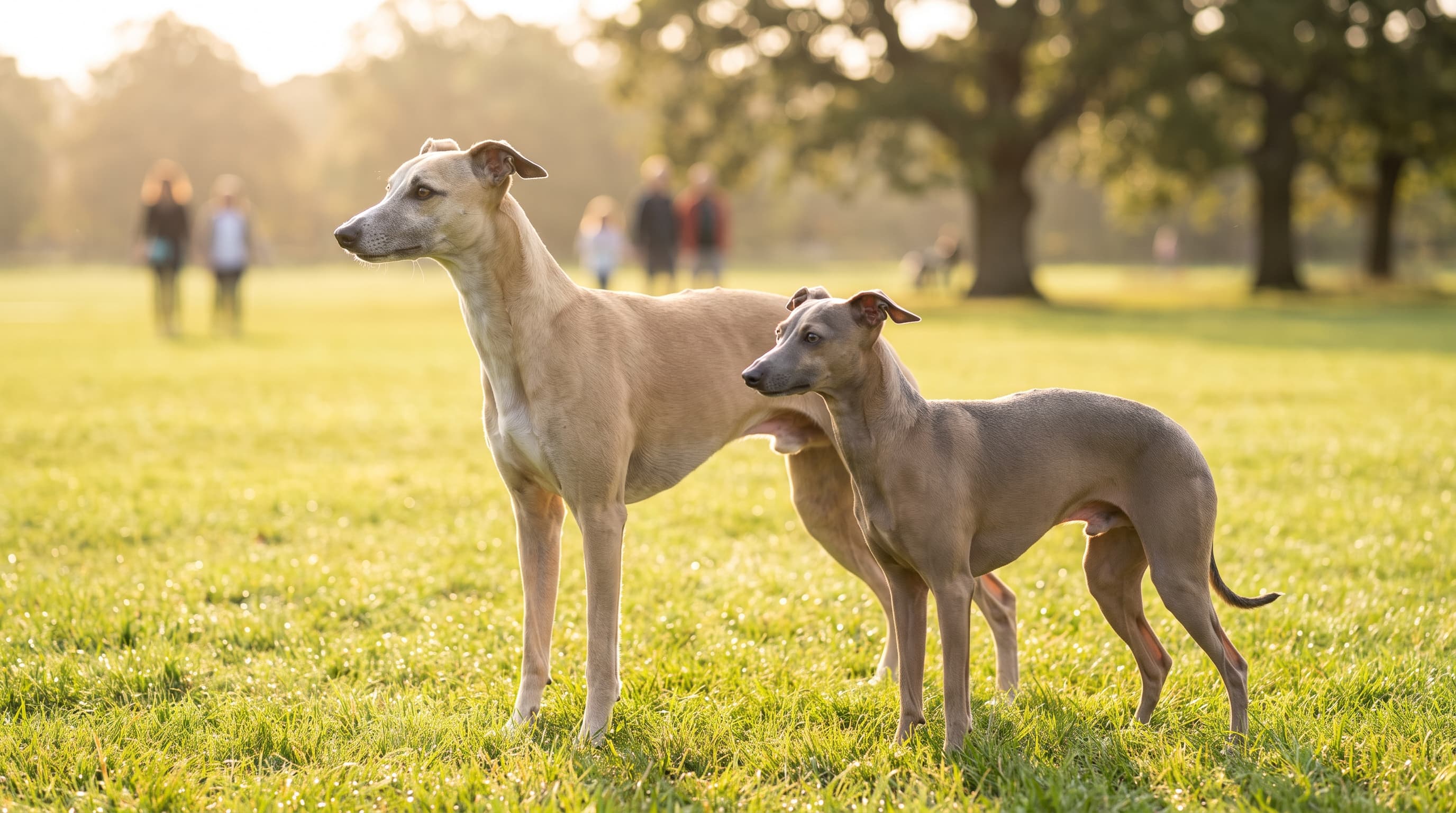
Most naturally slim dogs are sighthounds — breeds developed over centuries to chase fast prey by sight rather than scent. Selective breeding for sprinting and endurance produced a repeatable body plan: long legs, a deep chest for large lungs and heart, a narrow tucked-up waist, and lean, whip-like muscle instead of bulk. According to the American Kennel Club's Greyhound profile, the breed is "the champion sprinter of dogdom," and that aerodynamic frame is the whole point.
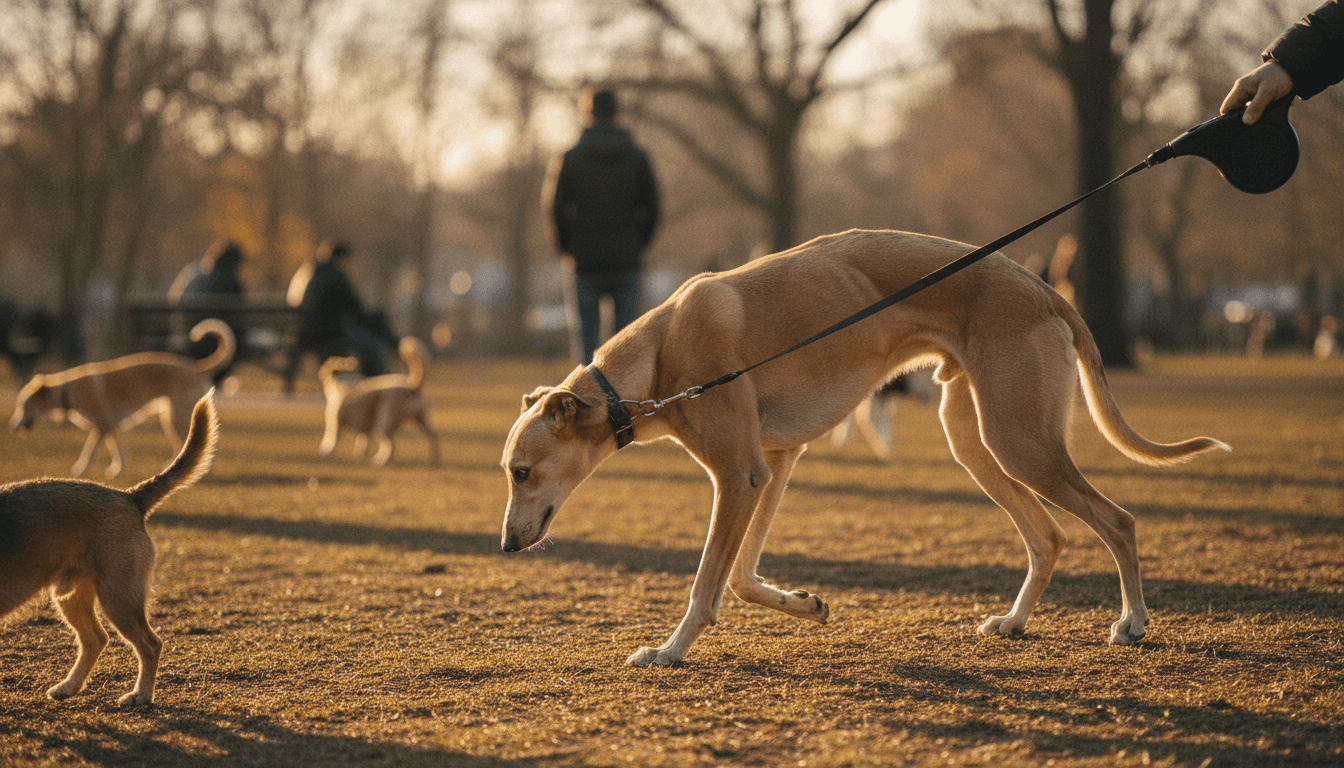
Because of this, a visible rib or two and a pronounced waist tuck are normal and healthy in these breeds. A retired racing Greyhound at a correct weight can look shockingly thin to someone used to Labradors — but the last two or three ribs showing is exactly where a fit sighthound should be. The trick is knowing which dogs are built this way on purpose.
10 Skinny Dog Breeds That Are Lean by Design
These breeds carry a slim, athletic build as a feature of the breed standard, not a health problem:
- Greyhound — The fastest dog breed, capable of roughly 40–45 mph, with a famously deep chest and tucked abdomen. Calm couch potatoes indoors despite the racing reputation.
- Whippet — A smaller sighthound often called a "poor man's Greyhound." The AKC Whippet profile describes a sleek, medium-sized sprinter that's gentle and affectionate at home.
- Italian Greyhound — A tiny, fine-boned toy sighthound, all long legs and delicate lines, usually 7–14 pounds.
- Saluki — One of the oldest breeds, bred to course game across desert terrain; slender, graceful, and remarkably fast.
- Borzoi — The elegant "Russian wolfhound," tall and narrow beneath a long silky coat that hides just how lean the frame really is.
- Afghan Hound — A glamorous coat conceals a lanky, lightweight sighthound underneath.
- Ibizan Hound — Deer-like and athletic, built for leaping and sprinting after rabbits.
- Pharaoh Hound — A hard, lean, medium-sized hound with a graceful, muscular-but-slim outline.
- Vizsla — Not a sighthound but a lean, muscular pointer; this rust-colored athlete is trim, tireless, and velcro-clingy.
- Doberman Pinscher — A tall, square, sleek working breed. The AKC calls the Doberman "sleek and powerful," and a fit one carries almost no spare weight.
Tall, giant versions of the lean build also exist — the Scottish Deerhound and Irish Wolfhound are enormous but still narrow-bodied sighthounds. And several toy and terrier types (like the fine-boned crosses in our Italian Greyhound guide) look wiry simply because they're small and short-coated.
Skinny vs. Underweight: How to Tell the Difference
The single best tool is the Body Condition Score (BCS), a 1–9 (or 1–5) scale vets use to judge whether a dog is too thin, too heavy, or just right. VCA Animal Hospitals explains that on an ideal dog you should be able to feel the ribs easily with a light fat covering, see a waist when viewed from above, and see an abdominal tuck from the side.
Run this quick home check:
- Ribs: You should feel ribs without pressing hard. If you can see every rib in sharp relief and there's no fat over them, the dog is likely too thin.
- Spine and hips: Vertebrae and hip bones that stick out prominently and feel bony with no muscle cushion are a red flag.
- Waist and tuck: A tuck is good; a severe, gaunt "wasp-waist" with sunken flanks is not.
- Muscle: Naturally lean dogs still have firm muscle over the thighs and shoulders. Loss of muscle, not just fat, points to a problem.
The AKC's underweight guide flags clearly visible ribs and overly prominent hip bones as warning signs — but always judged against the breed. A Whippet and a Beagle at the same "1 rib showing" look are in completely different places on the scale.
Why Is My Dog So Skinny? Common Causes of Weight Loss
If a dog that isn't a naturally lean breed becomes skinny — or a lean breed drops below its normal weight — the cause is worth investigating rather than simply piling on more food. Common reasons include:
- Not enough calories for the dog's activity level, age, or metabolism — very active and working dogs burn a lot.
- Parasites such as intestinal worms, which steal nutrition (see our overview of common types of worms in dogs).
- Dental pain that makes eating uncomfortable.
- Digestive or absorption issues — a poor-quality diet or a sensitive gut can mean food goes in but nutrients don't stay.
- Underlying illness — the AKC notes that diabetes, thyroid problems, infections, organ disease, and cancer can all cause weight loss.
- Stress, anxiety, or a recent home change that suppresses appetite.
Veterinary disclaimer: This article is general information, not medical advice. Unexplained or ongoing weight loss — especially with vomiting, diarrhea, lethargy, or appetite changes — warrants a veterinary exam. Only a vet can diagnose the cause and rule out serious disease. If your dog is losing weight, book a checkup rather than guessing. Our list of 12 signs your dog needs a vet visit can help you decide how urgent it is.
How to Help a Too-Thin Dog Gain Weight Safely
Once your vet has ruled out or treated any medical cause, healthy weight gain is a slow, steady project — not a crash program. The AKC's weight management guidance and its underweight article stress a gradual approach. General, vet-supervised principles include:
- Avoid rapid refeeding. Suddenly overfeeding a malnourished dog can trigger dangerous refeeding syndrome. Increase intake gradually under veterinary direction.
- Feed a high-quality, calorie-appropriate diet with adequate protein and fat. Our guide to choosing the right protein level in dog kibble is a useful starting point.
- Split meals into smaller, more frequent servings so it's easier to take in more calories.
- Consider gut-friendly options if digestion is the issue; see our picks for dog treats for sensitive stomachs.
- Weigh weekly and track the trend so you and your vet can adjust.
For seniors, appetite and metabolism shift with age; our piece on choosing the best food for your senior dog covers that stage specifically.
Caring for a Naturally Lean Breed
If your skinny dog is simply a lean breed at a healthy weight, care looks a little different. Thin-coated sighthounds get cold quickly, so a coat or sweater in winter is practical, not pampering. Their deep chests mean bloat awareness matters. And most were built to run: a Greyhound or Whippet needs regular chances to sprint safely, while a Vizsla or Doberman needs both hard exercise and a job for its brain. If you're drawn to athletic dogs, our roundups of the best dog breeds for runners and best dog hiking gear will point you in the right direction.
Frequently Asked Questions
Is it normal to see my dog's ribs?
In lean breeds like Greyhounds, Whippets, and Salukis, seeing the last couple of ribs is normal and healthy. In stockier breeds, sharply visible ribs with no fat covering can indicate the dog is underweight. Use a Body Condition Score check and ask your vet if unsure.
What is the skinniest dog breed?
Sighthounds are the leanest. The Greyhound, Whippet, Italian Greyhound, Saluki, Borzoi, and Azawakh are among the thinnest breeds by design, with narrow waists and deep chests built for speed.
Why is my dog skinny even though he eats a lot?
Eating well but staying thin can point to parasites, poor nutrient absorption, diabetes, thyroid disease, or simply burning more calories than he takes in. Because several causes are medical, a vet exam is the right first step rather than just adding food.
How can I tell if my dog is too skinny?
You can feel ribs, spine, and hip bones with almost no fat covering; the waist looks severely tucked or gaunt; and there's visible muscle loss. A vet can assign a Body Condition Score to confirm and check for underlying disease.
How do I help my underweight dog gain weight?
After a vet rules out illness, gain weight gradually with a high-quality, appropriately calorie-dense diet, smaller frequent meals, and weekly weigh-ins. Avoid sudden overfeeding, which can cause refeeding syndrome. Work with your vet on targets.
The Bottom Line on Skinny Dogs
A slim silhouette is the whole design brief for sighthounds and lean working breeds — with those dogs, a tucked waist and a hint of rib mean you're doing it right. The concern is a dog who is thinner than his own breed should be, or who is losing weight without explanation. When in doubt, do a quick Body Condition Score check and talk to your vet.
Fascinated by these elegant, aerodynamic dogs? Dig into our full Greyhound breed guide and Whippet breed guide to see whether a naturally lean companion fits your home — and subscribe to the Daily Wag newsletter for more breed deep-dives, health tips, and dog-care guides delivered straight to your inbox.